
The comprehensive guide to equine health, diagnosing diseases, and effective treatments for horses
Read full overviewShow less›
The 'Special Report on Diseases of the Horse' serves as an extensive resource for understanding the myriad health issues that can affect horses, from common ailments to complex conditions. Compiled by experts in veterinary science, this report not only details the symptoms and diagnoses of various diseases but also provides practical treatment methods. Readers will gain insights into the anatomy of horses, the significance of proper feeding, and the importance of maintaining good stable conditions to prevent illness. With a focus on both preventative care and reactive treatments, this report is invaluable for veterinarians, horse owners, and anyone involved in the care of equines. The insights provided can lead to better health outcomes and a deeper understanding of equine physiology and pathology.
The 'Special Report on Diseases of the Horse' is an essential resource for anyone involved in the care of horses. It combines extensive knowledge of equine anatomy, disease pathology, and treatment protocols, making it invaluable for veterinarians and horse owners alike. By understanding the complexities of horse health, caretakers can make informed decisions that promote well-being and prevent disease. The emphasis on preventative care, nutrition, and the maintenance of a healthy environment highlights a holistic approach to equine health management. Ultimately, this report serves as a guide to fostering healthier, happier horses, ensuring they can thrive in their environments.
- 1Understanding the Examination Process
- 2Fundamentals of Disease in Horses
- 3Effective Administration of Medicines
- 4Digestive Disorders and Their Management
- 5Respiratory Health and Common Diseases
A glimpse inside

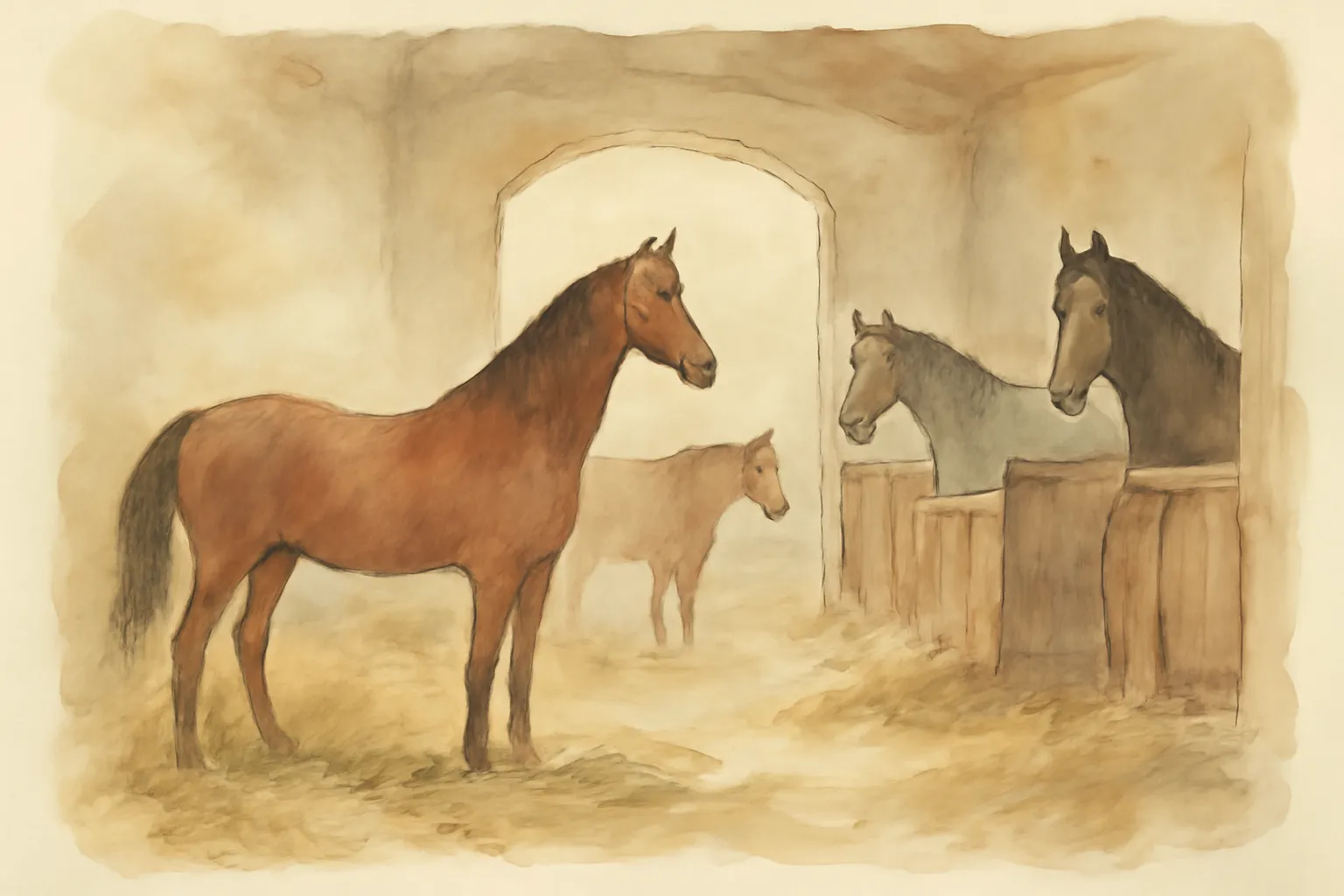
The examination of a sick horse is a critical first step in diagnosing potential diseases. It begins with an assessment of the horse’s overall demeanor, appetite, and beh… Read moreThe examination of a sick horse is a critical first step in diagnosing potential diseases. It begins with an assessment of the horse’s overall demeanor, appetite, and behavior, which can provide initial clues to underlying conditions. For instance, a horse that exhibits a loss of appetite may not be suffering from a singular issue, as this can stem from various factors such as excitement, environmental changes, or even serious health problems. The veterinarian must also assess vital signs, including heart rate and respiration, which vary according to the horse's age and condition. Specific techniques, such as taking the pulse at the jaw or observing the horse's posture, can reveal significant information about its health status. The normal pulse of a healthy horse varies depending on age and sex, with stallions averaging 28 to 32 beats per minute and foals averaging between 70 to 90, underscoring the importance of understanding physiological baselines. By conducting a thorough examination, veterinarians can identify symptoms that lead to a more accurate diagnosis and appropriate treatment plan. This process is not only about detecting overt symptoms but also about interpreting subtle behavioral changes that indicate discomfort or distress. Show less
The report outlines fundamental principles of disease that apply to equines, emphasizing the importance of understanding both the physiological and pathological processes… Read moreThe report outlines fundamental principles of disease that apply to equines, emphasizing the importance of understanding both the physiological and pathological processes at play. Diseases can arise from various sources, including infections, nutritional deficiencies, and environmental factors. For example, inflammation is a common response to injury or infection, characterized by redness, heat, swelling, and pain. The report also discusses how to differentiate between acute and chronic conditions, underscoring the necessity for timely intervention. Recognizing the distinction between these forms of disease can significantly affect treatment outcomes. Acute diseases often require immediate action to prevent deterioration, while chronic conditions may require ongoing management. Understanding these principles allows caretakers to approach treatment holistically, addressing not just the symptoms but also the root causes of health issues. Moreover, appreciating the mechanisms of disease helps in educating horse owners about preventive measures that can be taken to reduce the incidence of illness, such as regular veterinary check-ups and vaccinations. Show less
Read the full text — free
About the author
Read United States. Bureau of Animal Industry's work free on Lumina — the complete text plus an 8-minute summary and key ideas, no account needed