1.The Weight of Loss
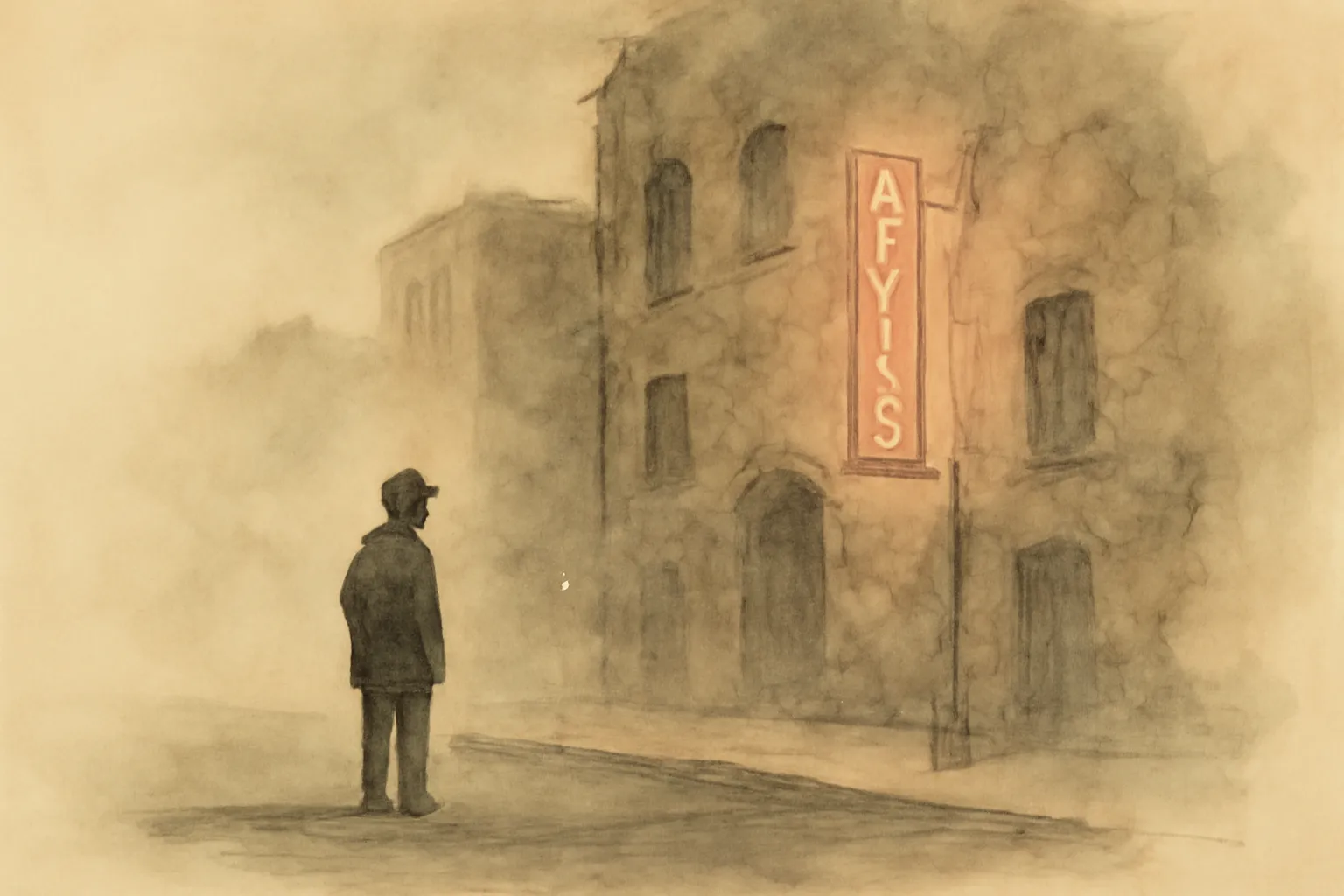
John Gallant's journey begins in the shadow of his father's impending death, which serves as a catalyst for his emotional turmoil and personal growth. The early chapters depict John's struggle with grief, as he grapples with the reality of loss and the responsibilities that come with it. His initial instinct is to escape the pain, as seen when he paces anxiously outside his home, unable to face the doctor and the finality of his father's condition. This moment encapsulates the universal experience of losing a loved one, highlighting the emotional weight that such events can impose on young individuals. John's deep-seated fear and sorrow are palpable, and they set the stage for his character's evolution throughout the narrative. The way he clings to his mother, seeking solace in her presence, reflects the importance of familial bonds in times of crisis and the struggle to maintain those connections amidst overwhelming grief.
2.The Complexity of Masculinity
John's interactions with other male figures in his life reveal the societal expectations of masculinity during this era. He feels the pressure to embody strength and stoicism, especially after being urged by Mrs. Sprockett to be 'brave' and 'a man now.' This expectation is compounded by his experiences in the boxing ring, where physical prowess equates to worth and respect. However, John’s vulnerability is also evident; he experiences moments of emotional breakdown, which challenge the traditional notions of masculinity. His tears in his mother’s lap after his father's death signify a departure from the expectation to remain stoic, suggesting that true strength may lie in acknowledging one's emotions. The narrative explores how these conflicting ideals of masculinity shape John's identity and decisions, ultimately questioning whether societal norms can coexist with genuine emotional expression.
3.The Illusion of Success
As John attempts to carve out a future for himself, the boxing world presents both opportunities and harsh realities. His desire to win and provide for his mother is juxtaposed against the brutality of the sport and the inevitable losses he faces. After a disappointing match, where he returns home battered and defeated, John's initial excitement gives way to despair as he realizes that success is often fleeting and comes at a significant personal cost. This moment serves as a critical turning point, revealing the harsh truths about ambition and the sacrifices required to achieve one's dreams. The boxing arena becomes a metaphor for the larger societal struggles in Los Angeles, where the pursuit of success often leads to moral compromises and personal disillusionment. John's journey reflects the broader theme of how individuals navigate their aspirations in a world rife with obstacles and corruption.
4.Friendship and Support
The introduction of Charlie Murray, a veteran in the film industry, adds a layer of complexity to John's understanding of support and mentorship. Charlie's gruff exterior and genuine concern for John highlight the importance of friendship in overcoming personal challenges. When Charlie intervenes after John's emotional breakdown, it illustrates the power of compassion and solidarity in the face of adversity. This relationship contrasts sharply with John's feelings of isolation as he deals with his father's death and the pressures of his boxing career. Charlie represents a mentor figure who not only offers practical advice on handling defeat but also serves as a reminder that vulnerability does not equate to weakness. This bond becomes essential for John's growth, emphasizing how supportive relationships can help individuals navigate life's difficulties and find resilience amidst turmoil.
5.The Corruption of Power

As the narrative unfolds, the political landscape of Los Angeles becomes a focal point, exposing the deep-seated corruption that permeates the city. John’s encounters with figures like Reginald Gibson, the police commissioner, reveal a complex web of alliances and betrayals that threaten the integrity of the city’s governance. Gibson’s promises of reform and his subsequent actions are at odds, highlighting the manipulative nature of power and the ease with which it can be abused. The sensational headlines about Gibson's crusade against corruption serve as a stark reminder of the performative nature of politics, where appearances often mask darker truths. This theme resonates throughout the book, illustrating how individuals like John are caught in the crossfire of political machinations, ultimately questioning the efficacy of those in power to enact real change. The narrative serves as a critique of the systemic issues that plague society, suggesting that the fight for justice is often fraught with challenges that extend beyond individual efforts.
6.Romantic Intrigue and Personal Conflict
John's relationship with Consuello Carrillo adds a layer of romantic intrigue that intertwines with the central themes of ambition and morality. Consuello, a budding actress, represents both the allure of Hollywood and the societal judgments that accompany her profession. John's admiration for her is complicated by his mother's disapproval, which reflects the generational tensions surrounding women's roles and societal expectations. The tension between John's desire for acceptance from his mother and his feelings for Consuello creates a poignant conflict that drives much of the narrative. As their relationship develops, it becomes a source of both strength and strife for John, highlighting the complexities of love in a world where external pressures can threaten personal connections. This dynamic serves as a reminder of the sacrifices individuals often make for love, as well as the challenges of navigating relationships that defy societal norms.
7.The Role of the Media
The media plays a crucial role in shaping public perception and influencing the narrative throughout the book. John's experiences as a reporter provide insight into the power of journalism in exposing corruption and holding those in power accountable. The dynamic between John and his mentor, P. Q. , emphasizes the importance of integrity in reporting, as they strive to uncover the truth behind Gibson's actions. The contrast between sensationalism and responsible journalism is a recurring theme, illustrating how the media can both illuminate and obfuscate reality. John's journey in the newsroom reflects the moral dilemmas faced by reporters, as they navigate the fine line between truth and sensationalism. This exploration of the media's influence underscores its potential to drive societal change while also highlighting the ethical responsibilities that come with the power to inform the public.
8.The Consequences of Choices
As the plot progresses, the consequences of characters' choices become increasingly pronounced, shaping their fates and the outcomes of their ambitions. John's decision to pursue a career in boxing, despite the risks involved, leads him down a path of violence and moral compromise. Similarly, Gibson's choices to ally with corrupt figures in pursuit of power ultimately backfire, exposing him to public scrutiny and condemnation. The narrative serves as a cautionary tale about the far-reaching implications of personal decisions and the ethical considerations that accompany ambition. John's journey illustrates how choices made in the heat of the moment can have lasting effects, not only on the individual but also on their loved ones and the broader community. This theme resonates deeply, prompting readers to reflect on their own choices and the potential consequences that may arise from them.
9.Redemption and Resolution

The climax of the story brings forth themes of redemption and resolution, as John's journey culminates in a confrontation with the realities of his world. The exposure of Gibson's corruption and the unraveling of the political conspiracy serve as a turning point for John, as he grapples with the implications of his findings. This moment of revelation forces him to confront his own values and the choices he has made throughout the narrative. The resolution of his romantic entanglement with Consuello also plays a significant role in his character development, as he learns to reconcile his personal desires with the complexities of their relationship. Ultimately, the story concludes with a sense of hope and possibility, suggesting that even amidst the chaos of life, there are opportunities for growth, change, and redemption. This resolution emphasizes the importance of integrity and moral courage in the pursuit of justice, leaving readers with a sense of optimism about the potential for personal and societal transformation.