Fiction
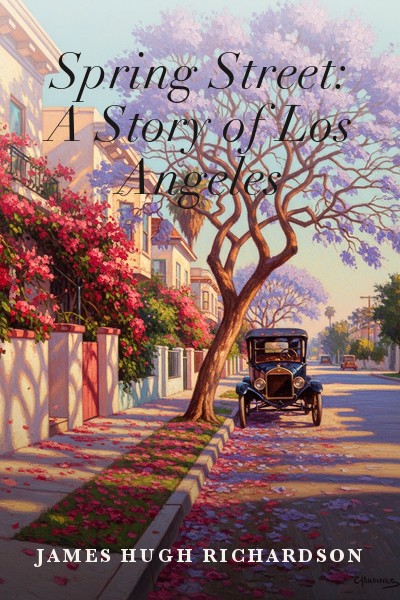
Spring Street: A Story of Los Angeles by James Hugh Richardson — Summary, Key Ideas & Full Text
276 pages25 chapters5h 33m read3h 56m speed read✦ 9-min Big ideasFree · no account
Rate it
In the heart of Los Angeles, a young man's journey unfolds amidst family tragedy, personal ambition, and the shadows of corruption
Spring Street: A Story of Los Angeles captures the tumultuous life of John Gallant, a young man grappling with the impending death of his father while navigating the gritty realities of the boxing world and the corrupt political landscape of early 20th-century Los Angeles. The novel intricately weaves themes of loss, ambition, and the quest for justice against a backdrop of societal change. As John seeks to reconcile his family obligations with his aspirations, he finds himself entangled in a web of crime and political machinations that threaten to consume him. This story is not only a personal odyssey but also a reflection on the complexities of morality and integrity in a rapidly evolving city. Readers will find themselves immersed in a narrative that is both poignant and thrilling, with rich character development and a vivid portrayal of Los Angeles's vibrant, yet perilous, streets.
Spring Street: A Story of Los Angeles is a powerful exploration of the human experience, delving into themes of loss, ambition, and the quest for justice in a rapidly changing world. Through John's journey, readers are invited to reflect on their own values and the complexities of navigating life's challenges. The narrative serves as a reminder that amidst the struggles of life, the pursuit of integrity and connection remains paramount. As John grapples with his identity and the moral dilemmas he faces, the story ultimately champions the resilience of the human spirit and the potential for redemption. This rich tapestry of experiences not only captivates readers but also encourages them to ponder the implications of their choices in the pursuit of a meaningful life.
“Do be brave, John, you must be a man now.”
“I guess I was too far gone. I don’t know what to do now.”
“I promised Mr. Gallant you would tell us stories of the old days in Los Angeles, father.”
Read James Hugh Richardson's work free on Lumina — the complete text plus an 8-minute summary and key ideas, no account needed