1.The Weight of Calling
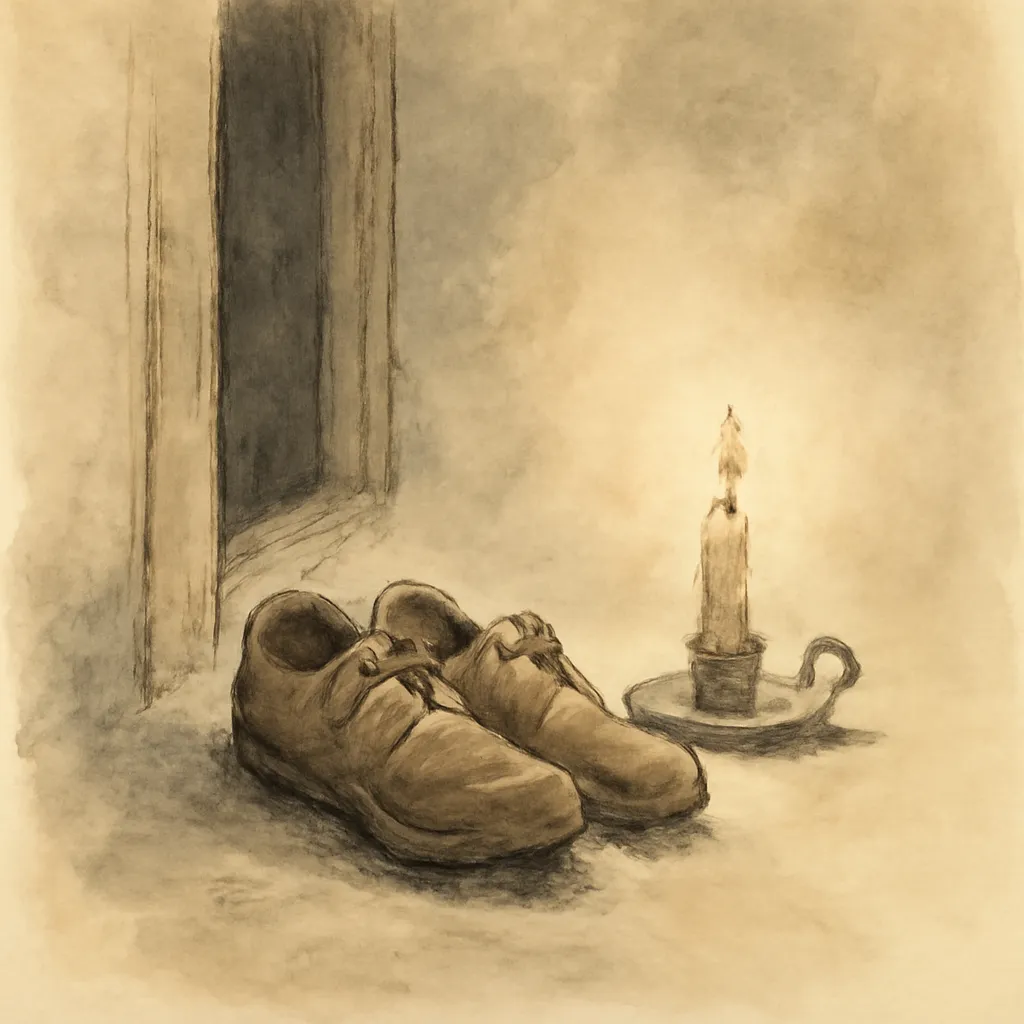
Tom's journey begins with the tension of his ministerial calling juxtaposed against the mundane realities of life. His wife, filled with hope, encourages him to pursue greater opportunities despite their modest living conditions. This highlights the burdens and expectations that come with a spiritual vocation, where the desire for personal fulfillment often clashes with the demands of duty. As Tom stands at the door with his bag in hand, his wife's words resonate deeply: "If you don't get the call you needn't come back here." This statement encapsulates the pressure he feels to succeed, not only for himself but for his family's aspirations as well. The struggle between ambition and contentment becomes a recurring theme, forcing Tom to confront what it truly means to serve God and his community, and whether that service can coexist with personal dreams. His reflections raise questions about the nature of success in ministry—should it be defined by the size of the congregation, the warmth of personal connections, or the depth of one's faith?
2.First Impressions and Humility

Upon arriving in New Jedboro, Tom experiences the stark contrast between his humble beginnings and the affluence surrounding him. The initial reception is marked by an absence of warmth, leaving him to grapple with feelings of inadequacy. The moderator had told him of the congregation's notorious Scotch nature, untrained in devotion yet loyal to their ministers. The lack of a welcoming committee at the station deepens his sense of isolation. This moment encapsulates the theme of humility, as Tom realizes that true acceptance in the community will come not from his status but from his genuine commitment to serve. The encounter with Mr. Blake, who represents the wealth and influence of the town, serves as a reminder of the societal divides that persist even within a church setting. Tom’s shabby traveling bag becomes a symbol of his vulnerability, drawing attention to the often-unspoken judgments based on outward appearances. This theme of humility resonates throughout his interactions, prompting readers to reflect on the importance of character over material success and to consider how societal expectations can shape our perceptions of self-worth.
3.Community and Worship

The first Sabbath service in St. Cuthbert's marks a pivotal moment for Tom, as he confronts the sea of expectant faces before him. The intense silence of the congregation amplifies his internal fears and aspirations, evoking a powerful connection between the minister and his audience. As he ascends the pulpit, he recalls Mr. Blake's encouragement: "Forget that you are a candidate of St. Cuthbert's, and remember that you are a minister of God." This shift in perspective helps Tom to embrace his role with humility and purpose. Through this shared experience of worship, Knowles emphasizes the profound impact of community on individual faith. The congregation’s collective energy serves as both a challenge and an affirmation of Tom's calling, illustrating how communal worship can transcend personal doubts. This moment encapsulates the essence of church life, where the interplay of vulnerability and strength creates a sacred space for spiritual growth. With each sermon, Tom realizes that he is not just preaching to a crowd but cultivating a shared journey of faith with these individuals, each carrying their own burdens and hopes.
4.The Complexity of Relationships
As Tom settles into his role, the narrative delves into the intricate relationships he forms within the community. From the elders of the kirk session to the humble parishioners, each interaction reveals layers of human experience shaped by history, sacrifice, and love. The elders, characterized by their steadfastness and devotion, embody the legacy of Scottish faith, while the diverse personalities of the congregation reflect the spectrum of human emotion. Tom's relationship with Mr. Blake evolves from mere acquaintance to mutual respect, highlighting the importance of mentorship and support in navigating the challenges of ministry. The presence of strong characters like Geordie Lorimer adds depth to the narrative, as they grapple with their own spiritual struggles. Tom's engagement with these individuals enriches his understanding of faith and community, illustrating how relationships can serve as both a source of strength and a mirror for personal growth. The dynamics within the kirk session further emphasize the complexities of leadership, as Tom learns to navigate differing opinions and expectations, ultimately fostering a sense of unity despite diversity.
5.Trials and Triumphs

Tom's ministry is not without its trials, as he faces challenges that test his faith and resolve. The narrative captures the struggles of pastoral care, from addressing the needs of a grieving family to confronting societal issues that arise within the community. Through the character of Geordie Lorimer, a complex figure embodying both piety and profligacy, Knowles explores the duality of human nature. Geordie's journey from rebellion to redemption serves as a powerful reminder of the transformative power of grace and forgiveness. His trials reflect the broader struggles of the community, showcasing the interwoven fates of individuals within their shared spiritual journey. Tom's unwavering commitment to his flock, even in the face of adversity, illustrates the profound impact of a minister's role in guiding others through their struggles. The depiction of communal support during times of crisis reinforces the idea that shared burdens can lead to collective strength, encouraging readers to consider the importance of resilience and compassion in their own lives.
6.The Dance of Joy and Sorrow

In the midst of trials, moments of joy punctuate Tom's life, reminding readers of the delicate balance between happiness and sorrow. The arrival of Tom and his wife's daughter brings a new dimension to their lives, symbolizing hope and renewal. As they navigate the complexities of family life, the joy of parenthood is juxtaposed against the backdrop of community expectations and personal struggles. Tom's reflections on the nature of joy reveal a profound understanding that true happiness often emerges from the depths of struggle. He realizes that joy is not simply the absence of sorrow but is enriched by the experiences of pain and love that shape our existence. Knowles masterfully weaves these themes together, illustrating how moments of light can emerge even in the darkest of times, ultimately guiding characters toward growth and understanding. This interplay of joy and sorrow serves as a reminder that life is a multifaceted experience, and embracing both aspects can lead to deeper connections with oneself and others.
7.The Power of Forgiveness
Forgiveness emerges as a central theme in St. Cuthbert's as both Tom and his congregants grapple with their pasts and the need for reconciliation. The story of Donald M'Phatter and his family's return to church after years of absence highlights the healing power of forgiveness within the community. Tom's gentle approach, emphasizing friendship over argument, exemplifies the importance of compassion in mending broken relationships. As he learns to navigate the complexities of forgiveness, he discovers that it is not merely an act but a journey requiring genuine understanding and empathy. Through these interactions, the novel underscores the significance of grace in fostering unity and healing within a fractured community. Tom's ability to facilitate reconciliation shows how acts of kindness can ripple outward, transforming not only the individuals involved but also the broader community as they collectively embrace the power of forgiveness.
8.The Role of Tradition
Tradition plays a significant role in shaping the identity of St. Cuthbert's and its congregants. The kirk session, steeped in Scottish heritage, reflects the values of piety and community that have been passed down through generations. However, the tension between tradition and modernity emerges as characters navigate the evolving landscape of church life. Tom's struggle to balance respect for tradition with the need for progress highlights the challenges faced by many religious leaders today. He grapples with the question of how to honor the past while addressing the needs of a contemporary congregation. Knowles artfully explores this dynamic, illustrating how tradition can serve as both a source of strength and a barrier to growth, prompting readers to consider their own relationships with the traditions that shape their lives. The discussions among the elders reveal the complexities of maintaining tradition in a changing world, emphasizing the need for adaptability while staying true to core values.
9.The Journey of Self-Discovery

Throughout St. Cuthbert's, Tom embarks on a profound journey of self-discovery, grappling with his identity as a minister, husband, and father. His reflections on love, sacrifice, and purpose lead him to confront his own vulnerabilities and aspirations. The interplay between personal and professional life becomes a central theme, as Tom navigates the expectations placed upon him by both his family and congregation. Key moments, such as the arrival of his daughter and the challenges of his ministry, force Tom to reevaluate his priorities and the meaning of success. This journey of introspection culminates in moments of revelation, where Tom learns to embrace his flaws and recognize the beauty in imperfection. Knowles invites readers to join Tom on this quest for authenticity, encouraging them to reflect on their own journeys of self-discovery and the lessons learned along the way. This theme resonates particularly as Tom faces trials that challenge his faith, ultimately leading him to a deeper understanding of his purpose and the interconnectedness of his roles.
10.The Interconnectedness of Lives

One of the most profound messages in St. Cuthbert's is the interconnectedness of individual lives within the community. Tom's experiences are mirrored in the lives of his congregants, illustrating how personal struggles, triumphs, and transformations impact the whole. The relationships he builds, particularly with figures like Mr. Blake and Geordie Lorimer, highlight the ways in which individuals can influence each other's journeys. Each character's story is woven into the fabric of church life, demonstrating how collective experiences shape the community's identity. This theme emphasizes the importance of empathy and understanding as Tom learns to listen to the stories of others, recognizing that everyone carries their own burdens. By exploring the lives of his parishioners, Tom gains insights that enrich his ministry and deepen his sense of purpose. The narrative ultimately advocates for the idea that true community is built through shared experiences and mutual support, reminding readers that our lives are intertwined in ways that are often unseen yet profoundly impactful.