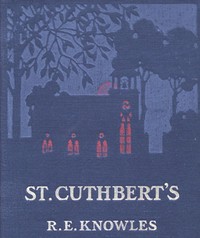

In a tale of love, loss, and redemption, a minister's journey through faith reveals the profound connections between community, sacrifice, and the complexities of human existence
Read full overviewShow less›
St. Cuthbert's by Robert E. Knowles is a poignant exploration of a minister's life in a small Scottish church, intertwining themes of love, community, and personal struggle. As Tom, the protagonist, navigates the challenges of his calling, readers are drawn into the rich tapestry of human experience that unfolds in the quaint town of New Jedboro. The narrative captures the essence of faith, the intricacies of relationships, and the relentless march of time, inviting readers to reflect on their own lives and the ties that bind them to their communities. Through vivid storytelling, Knowles immerses us in the beauty and sorrow of a life dedicated to service, urging us to recognize the sacred in our everyday interactions.
St. Cuthbert's is more than a tale of a minister's journey; it is a profound exploration of the human experience, rich with themes of love, sacrifice, and redemption. Through Tom's struggles and triumphs, Knowles invites readers to reflect on their own lives and the connections that shape their identities. The narrative emphasizes the importance of community, tradition, and the power of forgiveness in fostering resilience and growth. Ultimately, the story serves as a reminder that amidst the trials of life, there is beauty to be found in the relationships we forge and the love we share. By embracing the complexities of our existence, we can navigate the tides of joy and sorrow, emerging stronger and more connected to one another.
- 1The Weight of Calling
- 2First Impressions and Humility
- 3Community and Worship
- 4The Complexity of Relationships
- 5Trials and Triumphs
Notable quotes
“If you don't get the call you needn't come back here.”
“Forget that you are a candidate of St. Cuthbert's, and remember that you are a minister of God.”
“I canna tell what waits ye, but, gin ye'd like to see through the manse, I'll tak' ye through the morn.”
A glimpse inside

Tom's journey begins with the tension of his ministerial calling juxtaposed against the mundane realities of life. His wife, filled with hope, encourages him to pursue gr… Read moreTom's journey begins with the tension of his ministerial calling juxtaposed against the mundane realities of life. His wife, filled with hope, encourages him to pursue greater opportunities despite their modest living conditions. This highlights the burdens and expectations that come with a spiritual vocation, where the desire for personal fulfillment often clashes with the demands of duty. As Tom stands at the door with his bag in hand, his wife's words resonate deeply: "If you don't get the call you needn't come back here." This statement encapsulates the pressure he feels to succeed, not only for himself but for his family's aspirations as well. The struggle between ambition and contentment becomes a recurring theme, forcing Tom to confront what it truly means to serve God and his community, and whether that service can coexist with personal dreams. His reflections raise questions about the nature of success in ministry—should it be defined by the size of the congregation, the warmth of personal connections, or the depth of one's faith? Show less
Upon arriving in New Jedboro, Tom experiences the stark contrast between his humble beginnings and the affluence surrounding him. Read moreUpon arriving in New Jedboro, Tom experiences the stark contrast between his humble beginnings and the affluence surrounding him. The initial reception is marked by an absence of warmth, leaving him to grapple with feelings of inadequacy. The moderator had told him of the congregation's notorious Scotch nature, untrained in devotion yet loyal to their ministers. The lack of a welcoming committee at the station deepens his sense of isolation. This moment encapsulates the theme of humility, as Tom realizes that true acceptance in the community will come not from his status but from his genuine commitment to serve. The encounter with Mr. Blake, who represents the wealth and influence of the town, serves as a reminder of the societal divides that persist even within a church setting. Tom’s shabby traveling bag becomes a symbol of his vulnerability, drawing attention to the often-unspoken judgments based on outward appearances. This theme of humility resonates throughout his interactions, prompting readers to reflect on the importance of character over material success and to consider how societal expectations can shape our perceptions of self-worth. Show less
Read the full text — free
About the author
Read Robert E. Knowles's work free on Lumina — the complete text plus an 8-minute summary and key ideas, no account needed