1.Citizenship Through Service
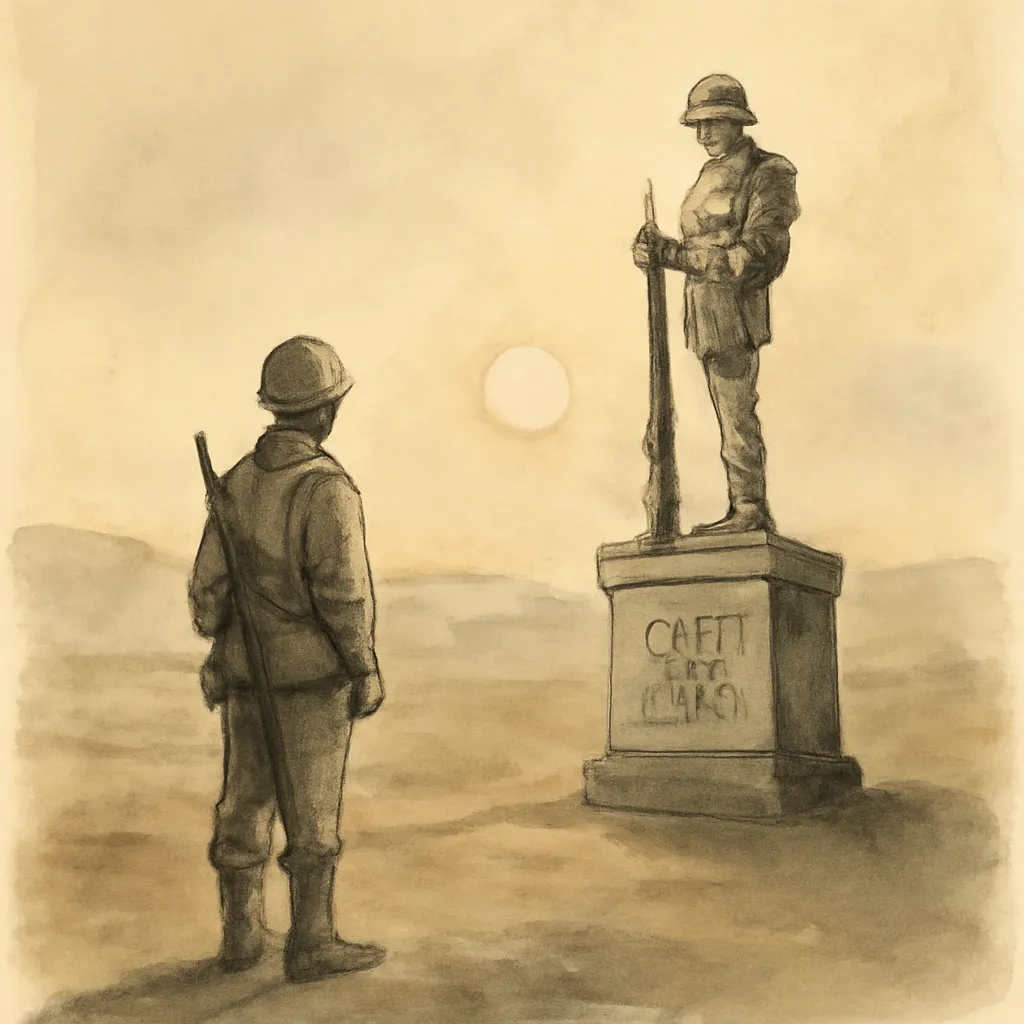
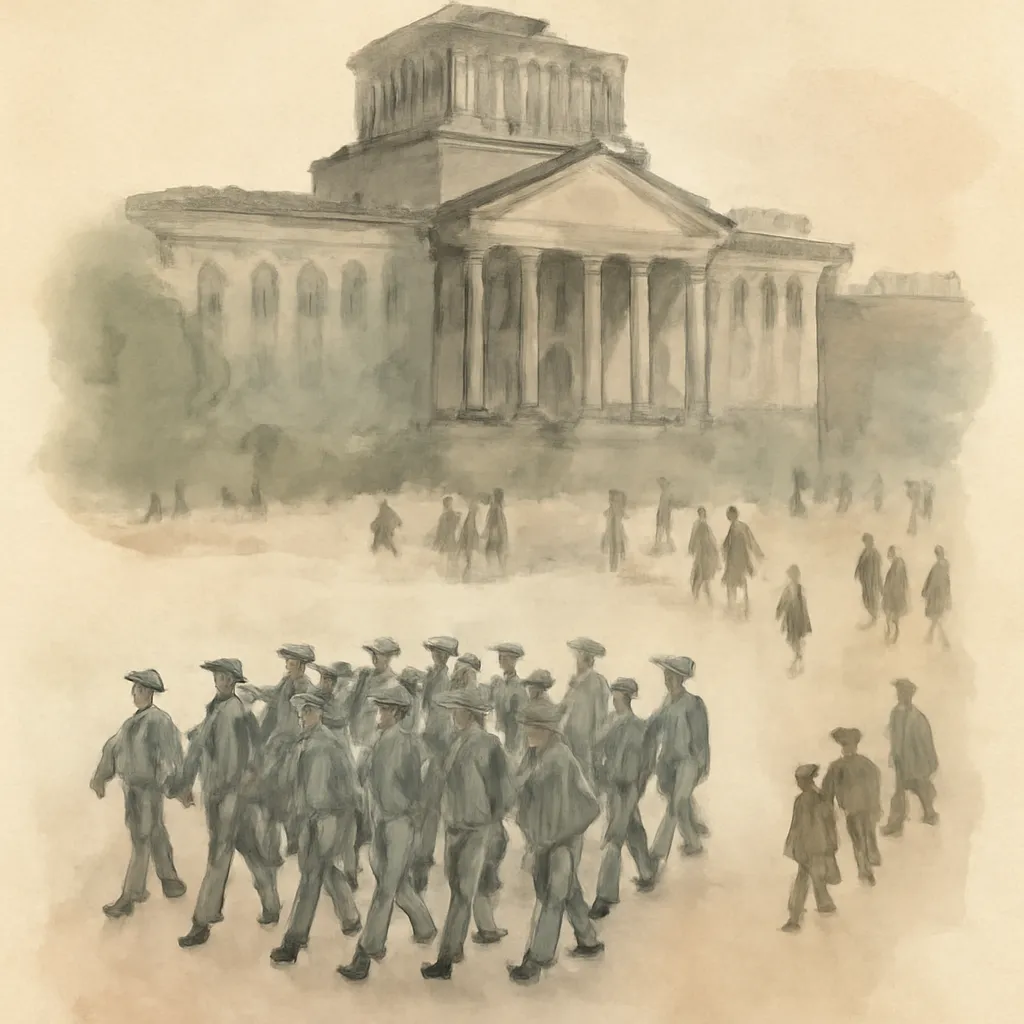
Heinlein’s future society distinguishes sharply between civilians and citizens, with the latter earning full rights only through voluntary federal service, often military. This system is presented as a safeguard against the complacency and entitlement that can undermine democracy. The book explores the idea that rights must be earned through sacrifice and responsibility, not simply granted by birth, sparking ongoing debates about civic duty and the meaning of participation in society.
2.Moral Philosophy and Authority
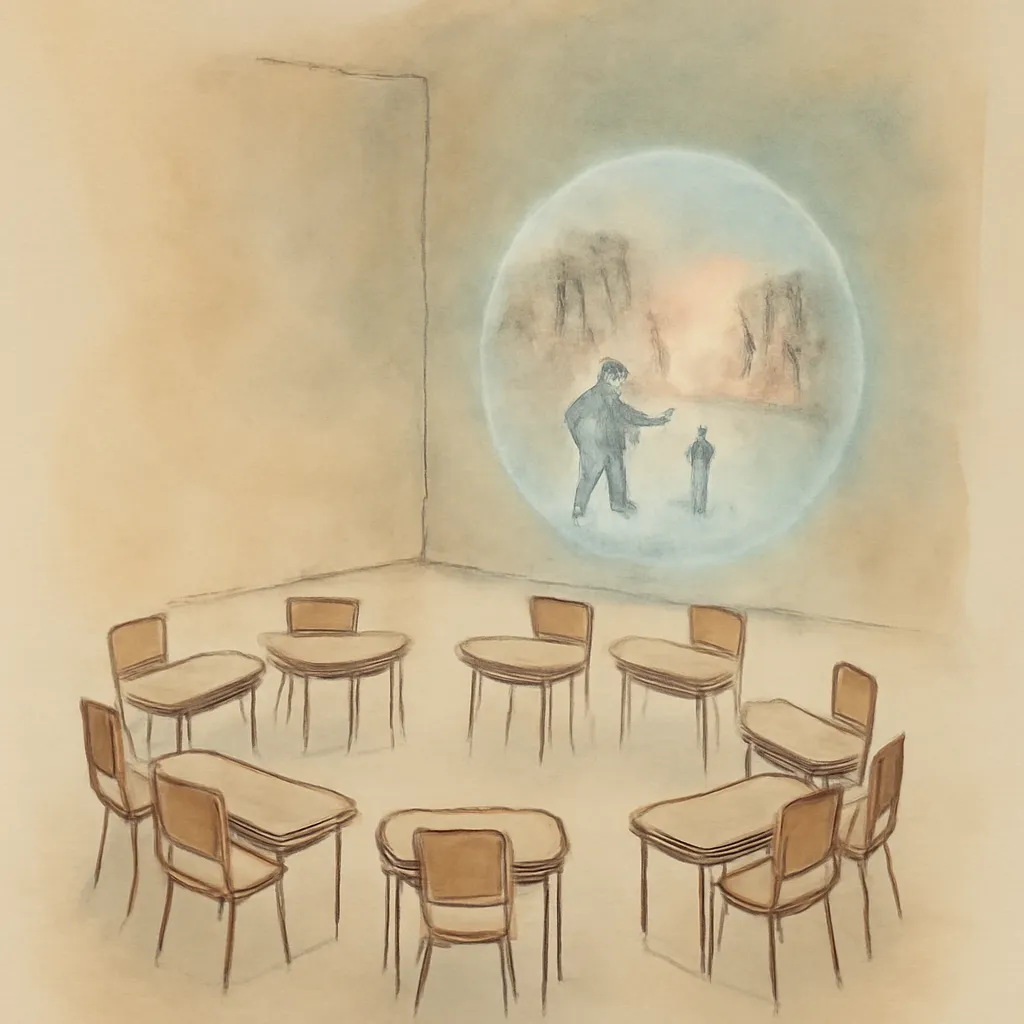
A recurring motif is the classroom lectures of Mr. Dubois, who challenges students to think critically about violence, authority, and the moral justification for force. The narrative uses these lessons to probe the ethics of war and governance, suggesting that violence, when regulated and purposeful, can be a legitimate tool for maintaining order and justice. Heinlein invites readers to question whether authority should be based on willingness to serve and risk, rather than on abstract ideals.
3.Coming of Age in Wartime
Juan Rico’s journey from naïve recruit to seasoned officer is a classic bildungsroman set against the backdrop of interstellar war. The novel traces his transformation as he learns the value of discipline, loyalty, and leadership. Through Rico’s eyes, Heinlein examines how extreme circumstances forge character and reveal the true costs of both war and peace.
4.The Nature of War and the Enemy
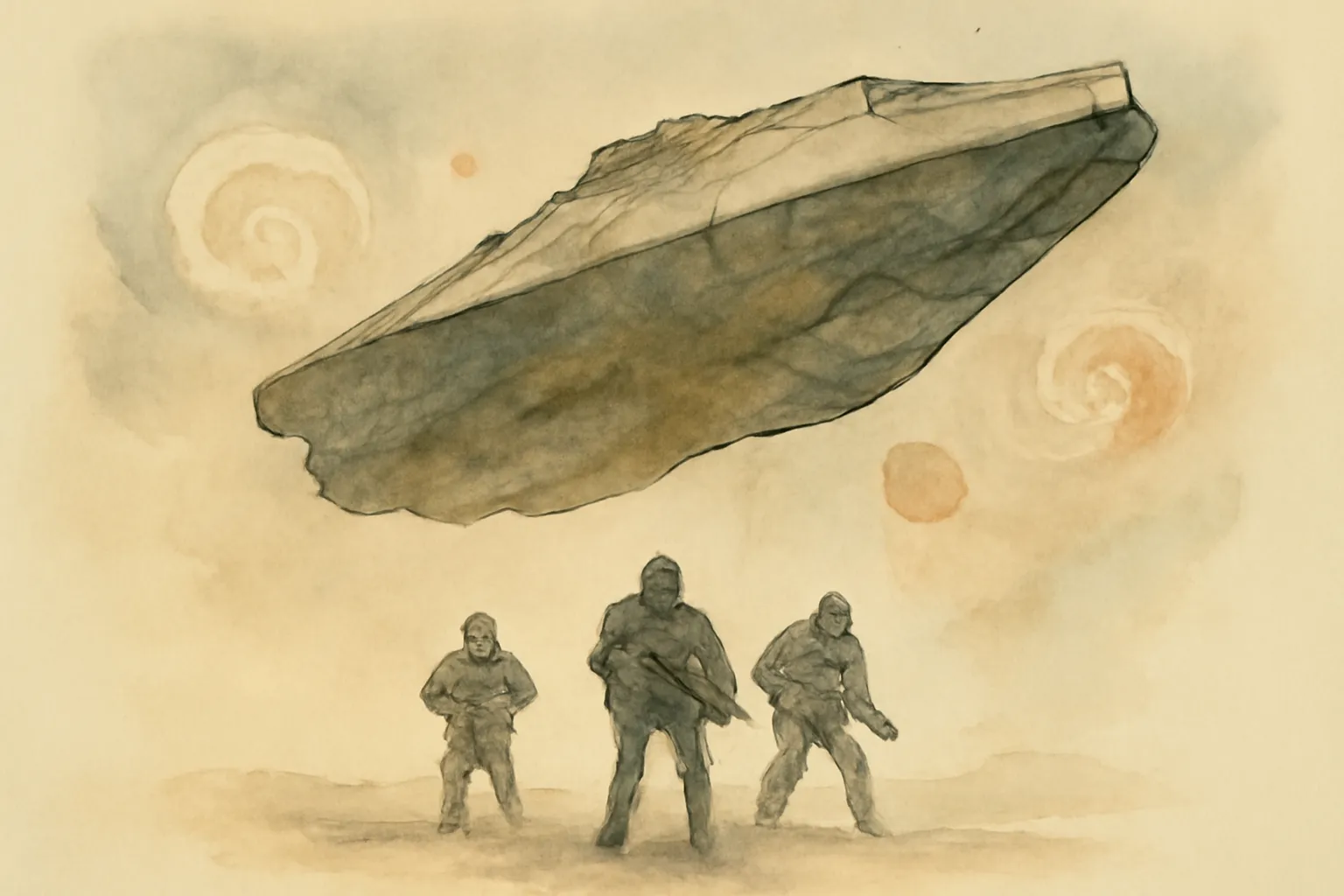
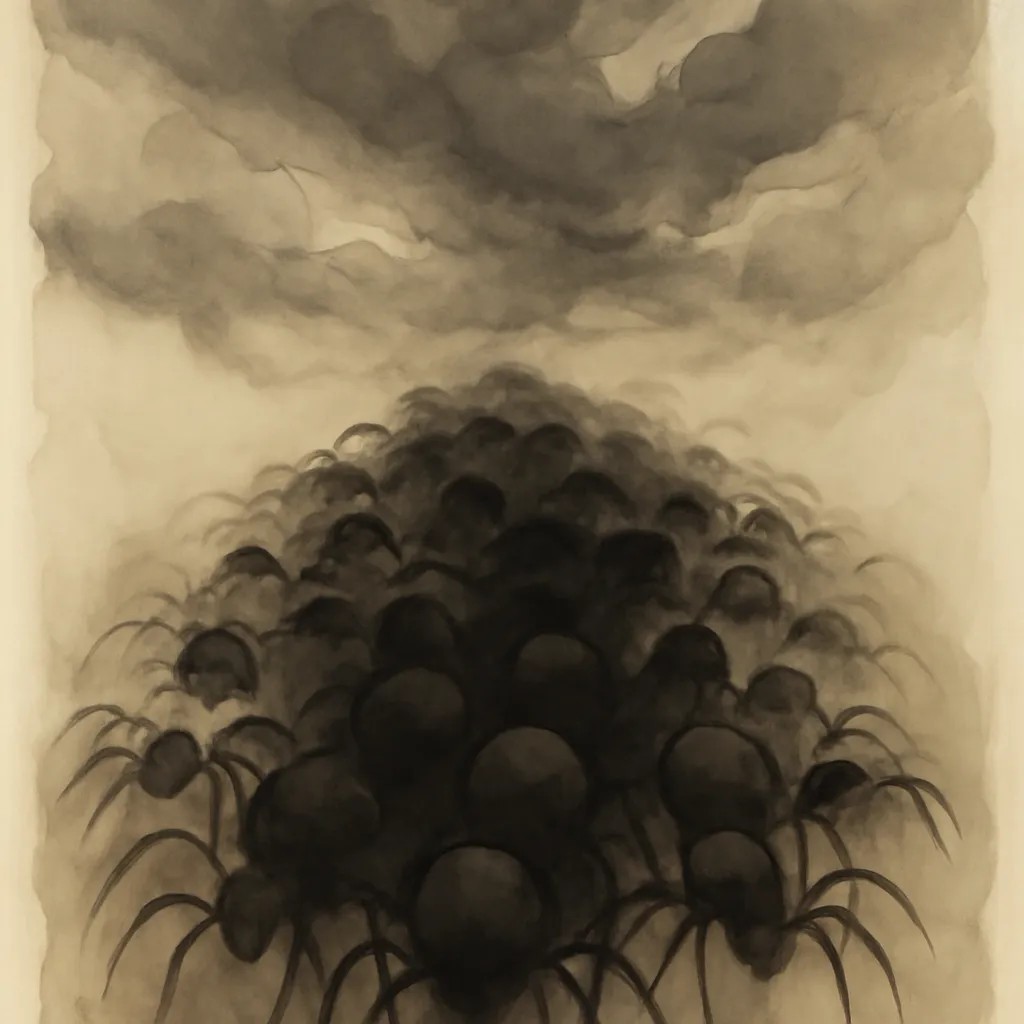
The Arachnids, or 'Bugs,' are depicted as a faceless, hive-minded enemy, raising questions about dehumanization in warfare and the ethics of total war. The novel’s portrayal of combat is both thrilling and unsettling, emphasizing the psychological and moral challenges soldiers face. Heinlein does not glorify violence, but rather uses it to explore how societies define themselves against existential threats.
5.Critique of Democracy and Social Order
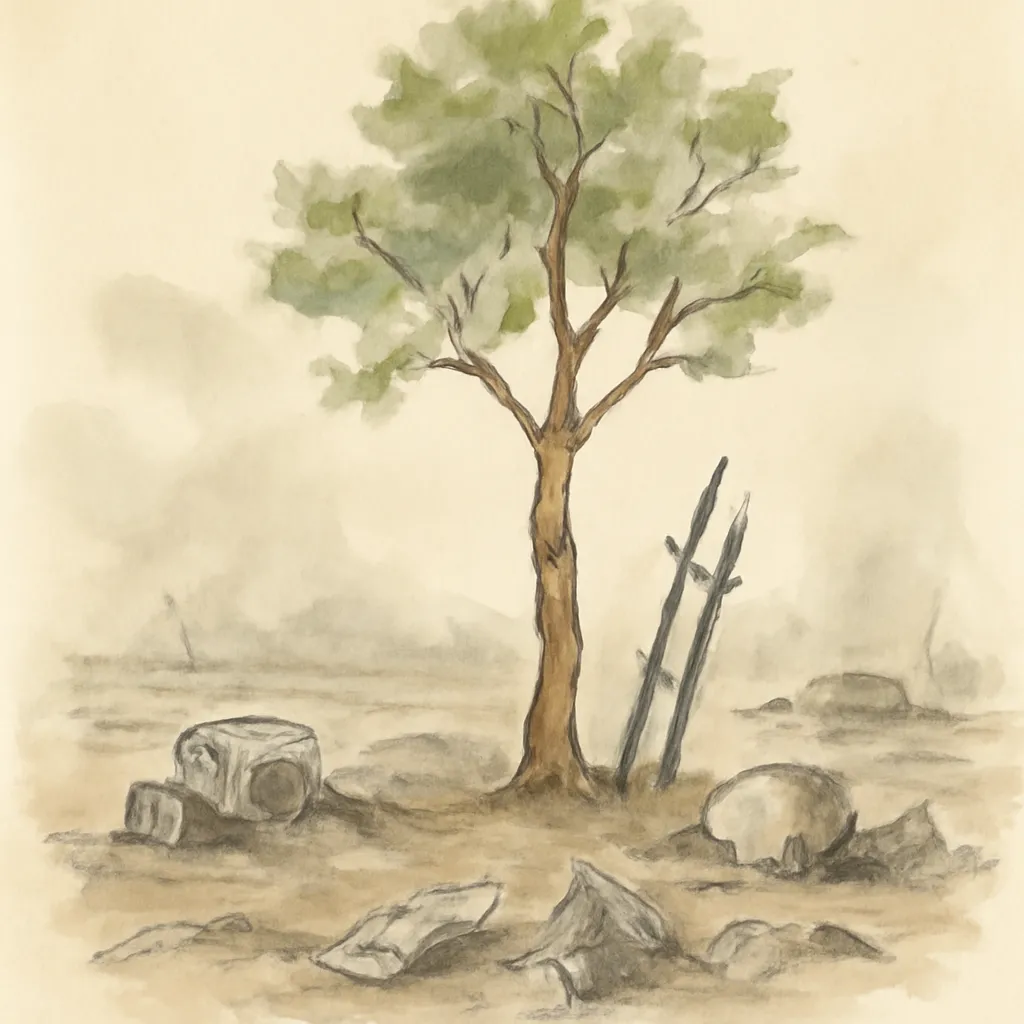
Starship Troopers is often read as a critique of liberal democracy and a defense of a more meritocratic, even militaristic, social order. Heinlein’s Federation is stable and prosperous, but at the cost of limiting political participation to those who have proven their commitment to the common good. The book challenges readers to consider the trade-offs between freedom, order, and responsibility.
6.Technology and the Human Condition
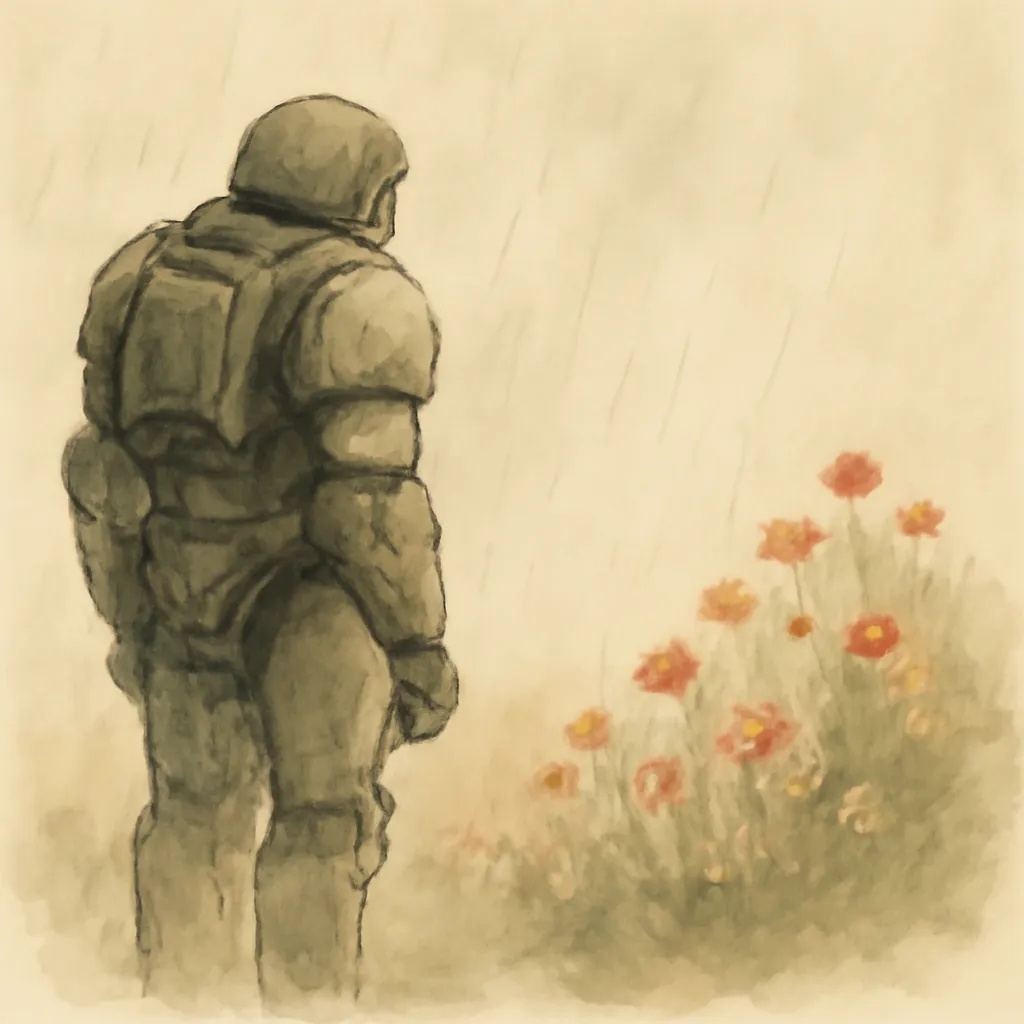
While famous for its powered armor and futuristic weaponry, the novel ultimately centers on the human element in war. Heinlein suggests that technology may change the tools of conflict, but not the fundamental dilemmas of courage, sacrifice, and leadership. The Mobile Infantry’s advanced gear serves as a metaphor for the burdens and isolation of those who defend society.