1.Stillness as Active Mastery
Holiday redefines stillness not as passivity or withdrawal, but as an active state of mastery over one's mind and emotions. Drawing from Stoic, Buddhist, and Christian traditions, he argues that stillness is the foundation for clear thinking, wise decision-making, and purposeful action. It's the discipline to pause, reflect, and choose your response rather than react impulsively to external pressures.
2.Three Domains: Mind, Spirit, Body
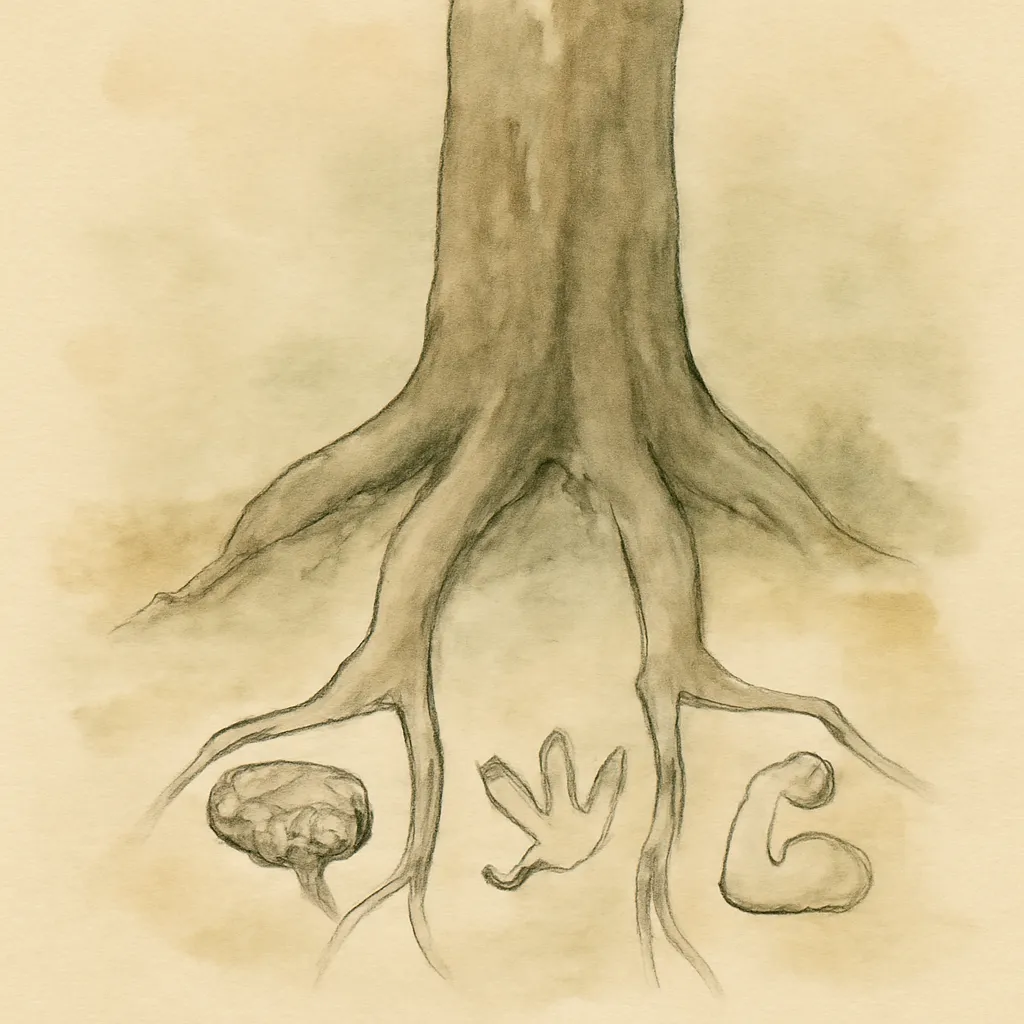
The book is structured around the idea that true stillness requires harmony in three domains: the mind (clarity and focus), the spirit (integrity and purpose), and the body (health and presence). Holiday illustrates how neglecting any one of these leads to imbalance, while nurturing all three creates resilience and depth. He offers practical strategies for each, from journaling and meditation to physical routines and ethical living.
3.Learning from Exemplars
Holiday brings his ideas to life through historical and modern figures who embodied stillness. He explores how leaders like Winston Churchill, artists like Leonardo da Vinci, and even athletes like Sadaharu Oh found ways to cultivate inner calm despite high stakes and external chaos. These stories serve as both inspiration and blueprint, showing that stillness is achievable and transformative.
4.The Danger of Distraction
A central theme is that modern life is engineered to distract us, fragmenting our attention and eroding our ability to be present. Holiday warns that without conscious effort, we become reactive and superficial. He advocates for intentional practices—like solitude, digital minimalism, and time in nature—to reclaim our focus and deepen our experience of life.
5.Stillness as the Path to Insight and Happiness
Holiday contends that stillness is the wellspring of creativity, insight, and genuine happiness. When we slow down and quiet our minds, we access deeper understanding and intuition. This allows us to make better decisions, appreciate beauty, and find meaning even in adversity. Stillness, then, is not a luxury but a necessity for a fulfilled life.
6.Practical Steps to Cultivate Stillness
Rather than offering abstract philosophy alone, Holiday provides actionable advice: establish daily rituals, embrace silence, journal your thoughts, set boundaries, and prioritize rest. These practices, he argues, are accessible to anyone and can be tailored to individual needs, making the pursuit of stillness a realistic goal in any life.