1.The Allure of the Outlaw
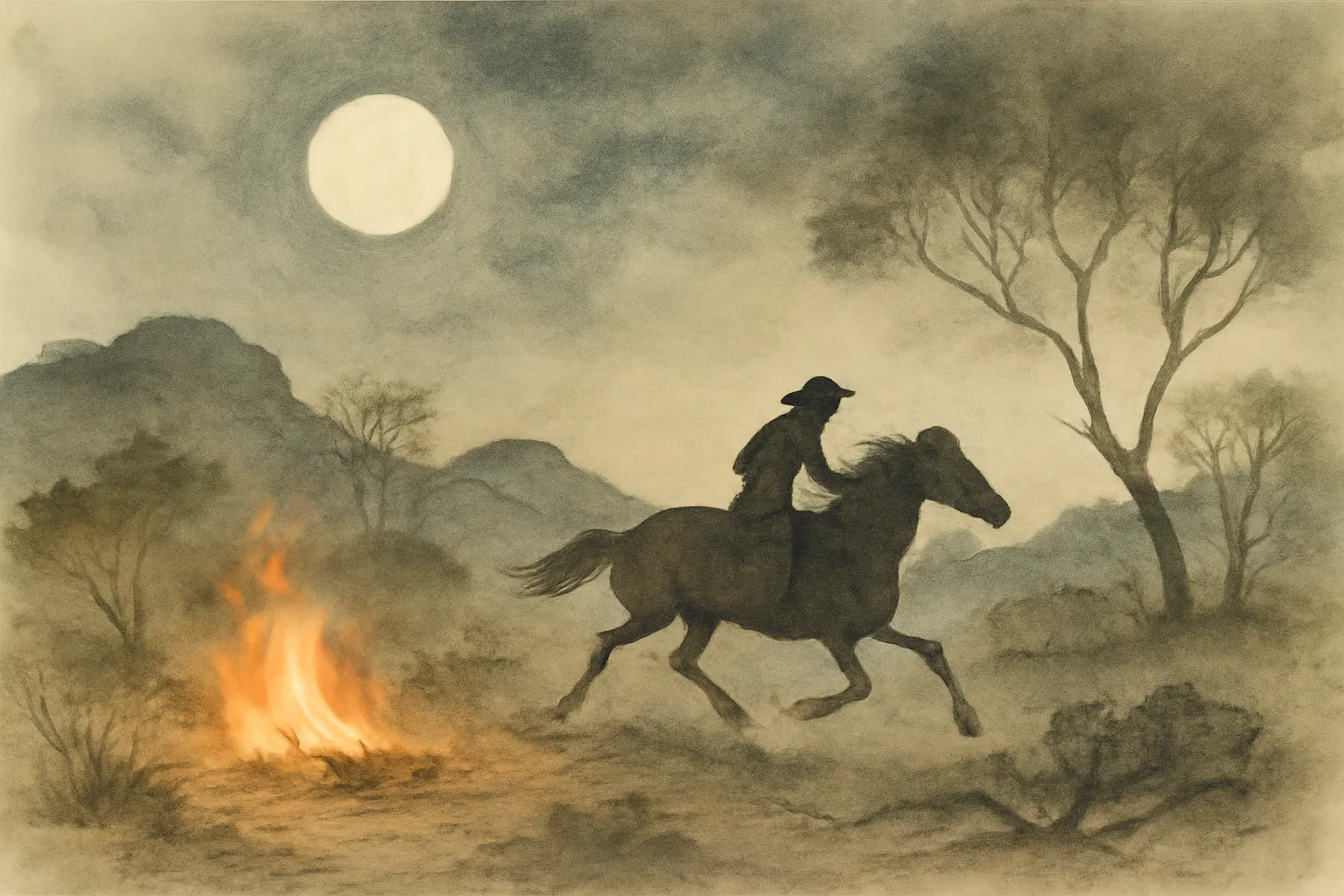
Stingaree, the bushranger, embodies the romanticized figure of the outlaw, capturing the fascination of those around him. His ability to charm and manipulate others speaks to a deeper truth about human nature: the desire for freedom and adventure. Despite his criminal activities, Stingaree's charisma and intelligence earn him not just followers but also admirers, including the likes of Lucius Brady, who documents his life. This duality invites readers to question their own perceptions of morality and the societal constructs that label individuals as heroes or villains. The bushranger's life is a testament to the idea that circumstances often dictate one's path, and that within every outlaw lies a story worth telling. Hornung highlights this complexity by demonstrating how Stingaree not only survives in a world that vilifies him but also thrives on the relationships he builds with both the law-abiding and the criminal.
2.Hilda Bouverie's Transformation
Hilda Bouverie undergoes a significant transformation throughout the narrative, evolving from a reserved, austere figure into a radiant and confident woman. Initially perceived as a mere guest in the Clarkson household, her character blossoms when faced with the absence of Mrs. Clarkson. This newfound freedom allows her to express her artistic talents and engage with the men around her in a more dynamic way. Her change is not just superficial; it reflects her internal struggle for identity and belonging in a world that often seeks to define her. The moment she sings with passion at the piano, she sheds the constraints imposed on her by society and her own apprehensions. Hilda’s journey illustrates the impact of environment and personal agency on self-discovery, showing how the absence of constraints can lead to personal growth. Furthermore, her evolution is a commentary on the societal expectations placed on women and how breaking free of those constraints can lead to a fuller existence.
3.The Role of Society and Class
The interactions between different social classes in 'Stingaree' highlight the rigid societal structures of colonial Australia. Hilda's status as a prima donna places her in a unique position, allowing her access to both the upper echelons of society and the gritty realities of the bushranger's life. The characters around her, from the wealthy Governor to the rough-hewn bushrangers, reflect the complexities of social hierarchy and the ways in which individuals navigate these constraints. Hornung uses these dynamics to explore themes of privilege, entitlement, and the often invisible barriers that separate people. This commentary on class distinctions prompts readers to reflect on their own societal contexts and the inherent biases that shape our views of others. The narrative illustrates that regardless of social standing, human desires and emotions often transcend class distinctions, revealing the shared vulnerabilities that connect us all.
4.Friendship and Betrayal
The relationships in 'Stingaree' are marked by a delicate balance of friendship and betrayal, particularly as they pertain to the bushranger's life. Stingaree’s ability to forge connections with various characters showcases the complexity of loyalty in a world where survival often hinges on trust. However, betrayal looms as a constant threat, as relationships are tested by the consequences of criminal actions and societal expectations. Hornung expertly illustrates how friendship can be both a refuge and a source of conflict, emphasizing the fragile nature of human bonds. This tension adds a layer of suspense to the narrative, as characters navigate their allegiances and the potential for treachery. The friendship between Stingaree and his confederates demonstrates the camaraderie that can arise among those living outside the law, yet the ever-present possibility of betrayal serves as a reminder of the risks inherent in such relationships.
5.The Complexity of Identity
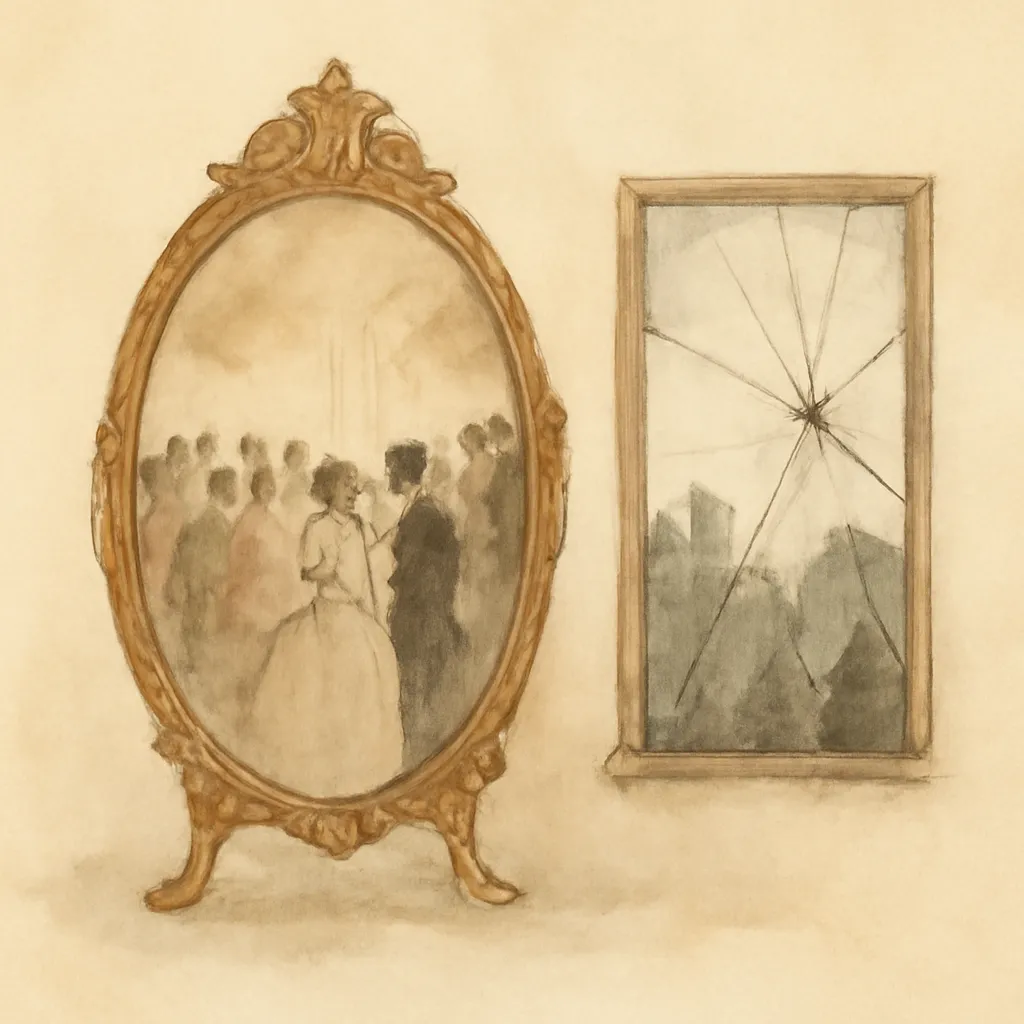
Identity plays a central role in 'Stingaree,' as characters grapple with their public personas versus their private selves. Stingaree, for example, navigates the duality of being a feared outlaw while simultaneously embodying the qualities of a charismatic leader. His interactions with Lucius Brady reveal the tension between his notorious reputation and the man he is beneath the surface. This exploration of identity invites readers to consider the multifaceted nature of selfhood and the ways in which society shapes who we become. Hilda’s journey reflects a similar struggle, as she seeks to reconcile her identity as a performer with her personal desires and ambitions. The narrative suggests that identity is often a construct, influenced by both external perceptions and internal battles, highlighting the profound impact of societal expectations on individual expression.
6.The Nature of Freedom
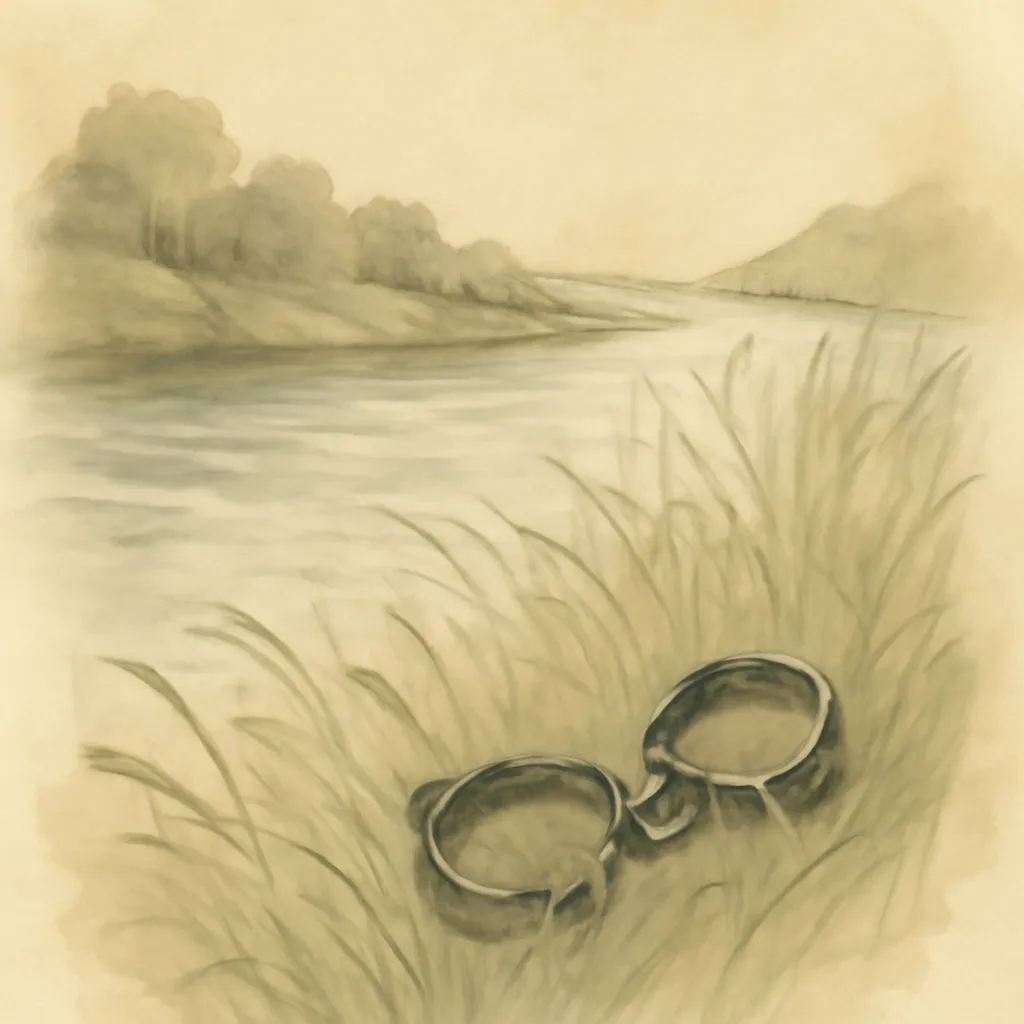
Freedom is a recurring theme throughout 'Stingaree,' manifesting in various forms—from the literal freedom of the bushranger to the emotional freedom sought by Hilda. The bushranger’s life is a paradox; while he escapes the confines of societal norms, he remains shackled by the consequences of his choices. Hilda, on the other hand, experiences a different kind of liberation as she asserts her independence and reclaims her artistic voice. Hornung contrasts these perspectives on freedom, suggesting that true liberation involves not just physical escape but also a deeper understanding of oneself and one’s desires. This nuanced portrayal encourages readers to reflect on the true meaning of freedom in their own lives. The narrative ultimately suggests that freedom is not merely the absence of constraints, but rather the presence of self-knowledge and the courage to pursue one’s truth.
7.Romance and Desire
Romance in 'Stingaree' serves as both a driving force and a source of conflict, particularly in the relationship between Hilda and the bushranger. Their attraction is fraught with tension, as Hilda is torn between her burgeoning feelings for Stingaree and her societal obligations. This dynamic explores the theme of desire as a powerful motivator that can lead to both fulfillment and ruin. Hornung intricately crafts their relationship, highlighting the allure of the forbidden and the complexities of love in a world marked by danger and deceit. The romantic elements of the story serve to deepen the character development and underscore the stakes involved in their choices. Ultimately, the romance between Hilda and Stingaree encapsulates the tension between desire and moral responsibility, challenging readers to consider the implications of their own desires.
8.The Impact of Reputation
Reputation is a crucial element in 'Stingaree,' influencing how characters perceive themselves and each other. Stingaree’s notorious status as a bushranger shapes the way he navigates his world, affecting his interactions with both allies and adversaries. Similarly, Hilda’s reputation as a prima donna precedes her, impacting her relationships with those in power and her ability to connect authentically. Hornung examines how reputation can act as both a shield and a burden, informing the characters’ decisions and shaping their destinies. This exploration invites readers to consider the weight of reputation in their own lives and the ways it can dictate social interactions. Characters are often forced to contend with the narratives that others construct around them, illustrating the power dynamics inherent in societal perceptions.
9.The Pursuit of Ambition
Ambition drives many characters in 'Stingaree,' particularly Hilda as she seeks to carve out her own identity as an artist. Her journey reflects the broader theme of ambition as a double-edged sword—capable of inspiring greatness but also leading to personal sacrifice. Hilda’s rise to fame is accompanied by the challenges of maintaining her integrity and navigating the expectations placed upon her. Stingaree, too, exhibits ambition in his pursuit of freedom and power, showcasing the lengths individuals will go to achieve their goals. Hornung uses these character arcs to explore the complexities of ambition, suggesting that while it can lead to success, it often comes at a cost. This exploration serves as a commentary on the nature of ambition itself, revealing how it can inspire but also consume those who pursue it.
10.The Influence of Fate
Fate plays a significant role in 'Stingaree,' shaping the characters' lives in unpredictable ways. The intertwining paths of Hilda and Stingaree serve as a reminder of how chance encounters can alter the course of one’s life. Hornung suggests that while characters may strive for control over their destinies, external forces often intervene, leading to unforeseen consequences. This exploration of fate raises questions about the extent to which individuals can shape their own futures and the role of choice in a world filled with uncertainty. The narrative ultimately leaves readers pondering the delicate balance between agency and fate, challenging them to consider how much of their lives are determined by chance versus choice.