
Stingaree is a captivating exploration of the duality of human nature, as it navigates the lives of a notorious bushranger and the people entwined in his fate
Read full overviewShow less›
Set against the backdrop of colonial Australia, 'Stingaree' by E. W. Hornung artfully weaves a tale of romance, crime, and societal intrigue. The story revolves around Hilda Bouverie, a talented singer who finds herself at the center of a web of relationships that intertwine her life with that of the enigmatic bushranger known as Stingaree. Through vivid character portrayals and rich storytelling, Hornung delves into themes of identity, morality, and the complexities of human connection. Readers will be drawn into a world where the lines between right and wrong blur, and the allure of the outlaw becomes an irresistible force. This summary will unpack the key ideas and themes that make 'Stingaree' a timeless narrative about love, betrayal, and the search for freedom.
In 'Stingaree,' E. W. Hornung crafts a rich tapestry of human emotions, exploring the depths of identity, ambition, and the nature of freedom. The characters' journeys reveal the complexities of their relationships and the societal forces that shape their lives. Through the lens of romance, crime, and the pursuit of self-discovery, the narrative invites readers to reflect on their own values and the choices they make. Ultimately, 'Stingaree' serves as a poignant reminder of the intricate dance between fate and free will, leaving a lasting impression that resonates long after the final page is turned.
- 1The Allure of the Outlaw
- 2Hilda Bouverie's Transformation
- 3The Role of Society and Class
- 4Friendship and Betrayal
- 5The Complexity of Identity
Notable quotes
“Darlinghurst Jail had never immured a more interesting prisoner than the back-block bandit who was tried and convicted under the strange style and title which he had made his own.”
“The old girl keeps too close an eye on her.”
“Keep to my points of contact with the world, about which something is known already, and you shall have the whole truth of each matter.”
A glimpse inside

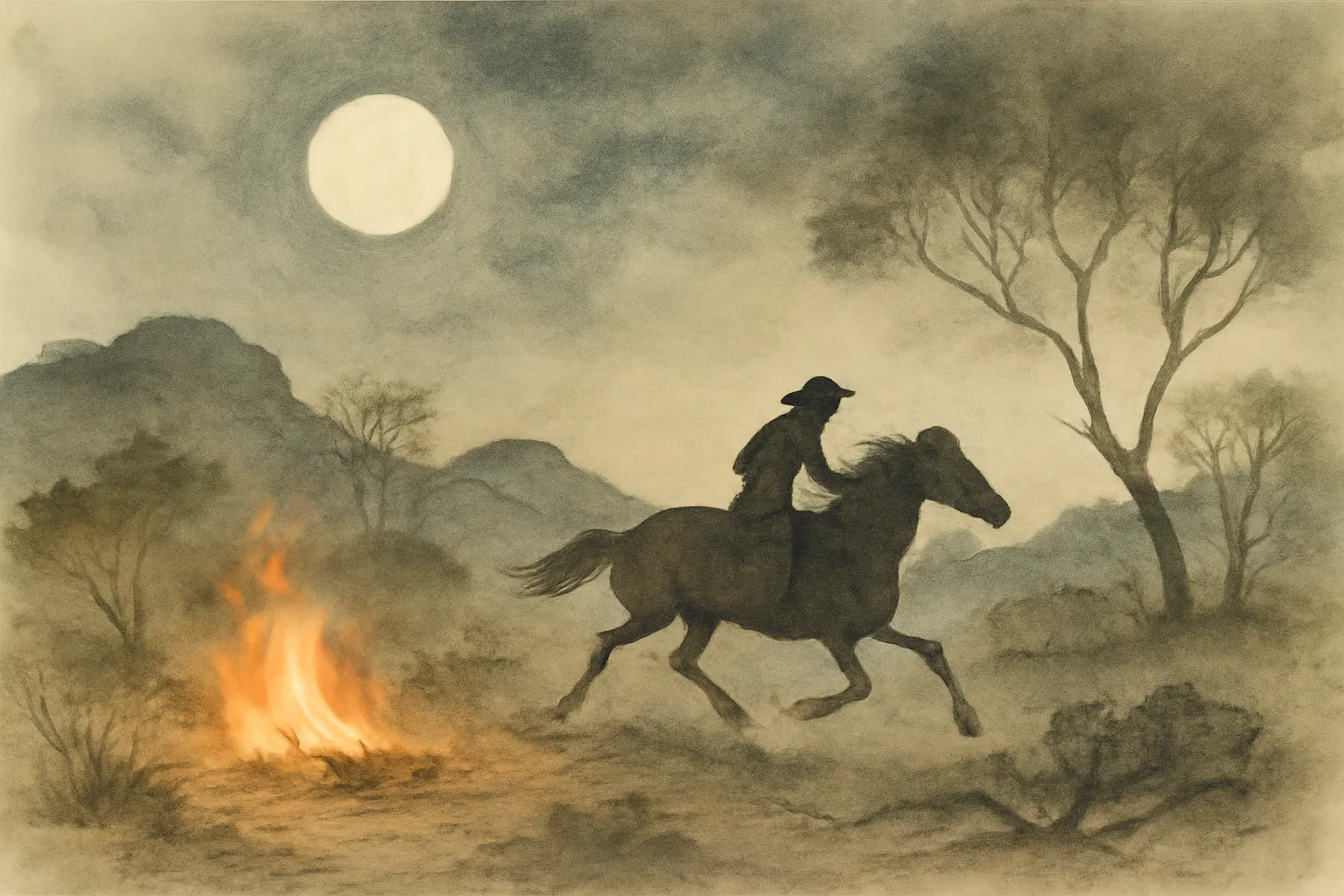
Stingaree, the bushranger, embodies the romanticized figure of the outlaw, capturing the fascination of those around him. His ability to charm and manipulate others speak… Read moreStingaree, the bushranger, embodies the romanticized figure of the outlaw, capturing the fascination of those around him. His ability to charm and manipulate others speaks to a deeper truth about human nature: the desire for freedom and adventure. Despite his criminal activities, Stingaree's charisma and intelligence earn him not just followers but also admirers, including the likes of Lucius Brady, who documents his life. This duality invites readers to question their own perceptions of morality and the societal constructs that label individuals as heroes or villains. The bushranger's life is a testament to the idea that circumstances often dictate one's path, and that within every outlaw lies a story worth telling. Hornung highlights this complexity by demonstrating how Stingaree not only survives in a world that vilifies him but also thrives on the relationships he builds with both the law-abiding and the criminal. Show less
Hilda Bouverie undergoes a significant transformation throughout the narrative, evolving from a reserved, austere figure into a radiant and confident woman. Read moreHilda Bouverie undergoes a significant transformation throughout the narrative, evolving from a reserved, austere figure into a radiant and confident woman. Initially perceived as a mere guest in the Clarkson household, her character blossoms when faced with the absence of Mrs. Clarkson. This newfound freedom allows her to express her artistic talents and engage with the men around her in a more dynamic way. Her change is not just superficial; it reflects her internal struggle for identity and belonging in a world that often seeks to define her. The moment she sings with passion at the piano, she sheds the constraints imposed on her by society and her own apprehensions. Hilda’s journey illustrates the impact of environment and personal agency on self-discovery, showing how the absence of constraints can lead to personal growth. Furthermore, her evolution is a commentary on the societal expectations placed on women and how breaking free of those constraints can lead to a fuller existence. Show less
Read the full text — free
About the author
Read E. W. Hornung's work free on Lumina — the complete text plus an 8-minute summary and key ideas, no account needed