1.The Sacred Significance of Fire
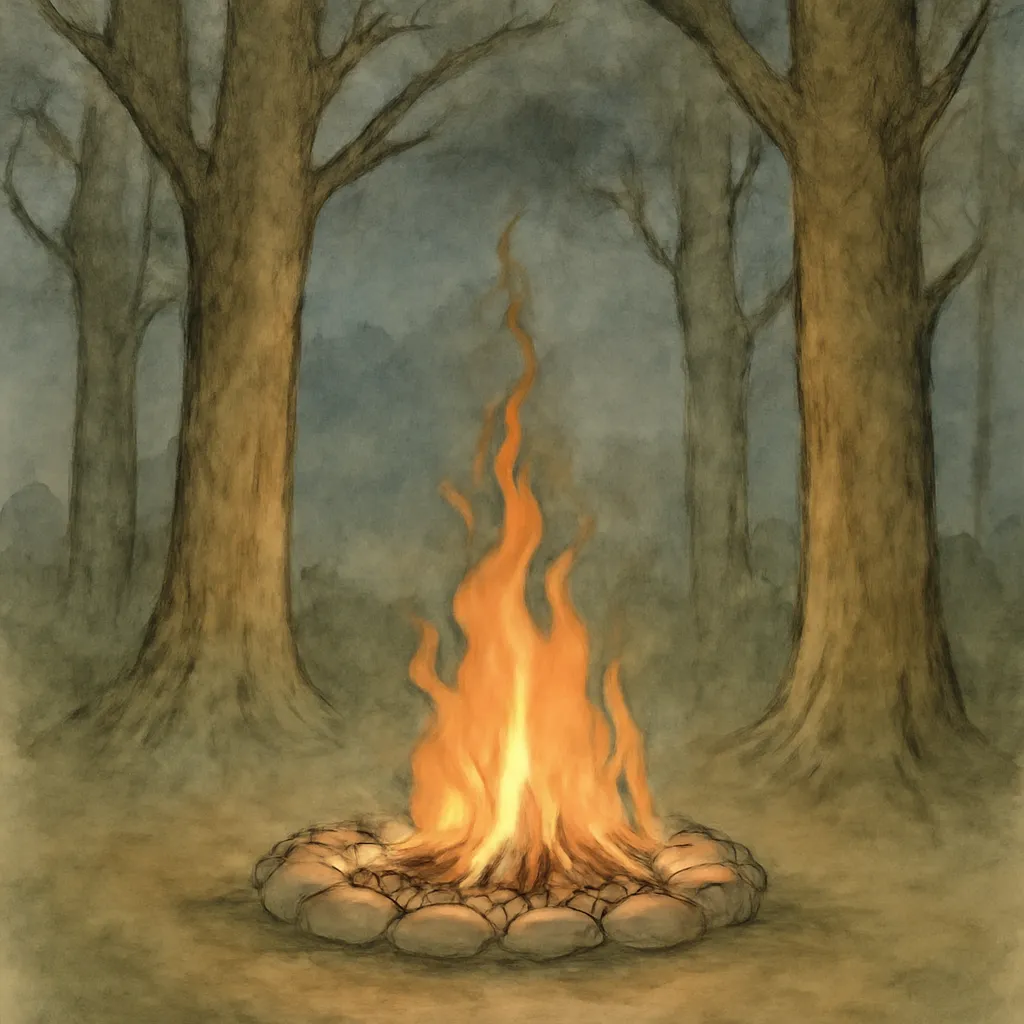
Fire is a central symbol in Iroquois culture, representing warmth, safety, and the very essence of life. In the tale of the Firemaker, the process of creating fire is portrayed as a skill that separates leaders from the rest of the community. The act of making fire requires not just physical ability but also mental acuity, as the firemaker must understand the nuances of their environment. This story reveals that true leadership encompasses not only individual skill but also a commitment to the community's welfare. The Firemaker becomes a chief not merely because of his ability to produce flames, but because he embodies the qualities of a thoughtful and caring leader. The narrative extends to highlight that the greatest leaders—often termed Peacemaker chiefs—are those who can ignite the 'fire of love' within the hearts of their people, fostering unity and harmony among tribes. This insight offers valuable lessons on the nature of leadership, emphasizing that it is about nurturing relationships and creating a safe space for the community.
2.Nature as a Source of Wisdom
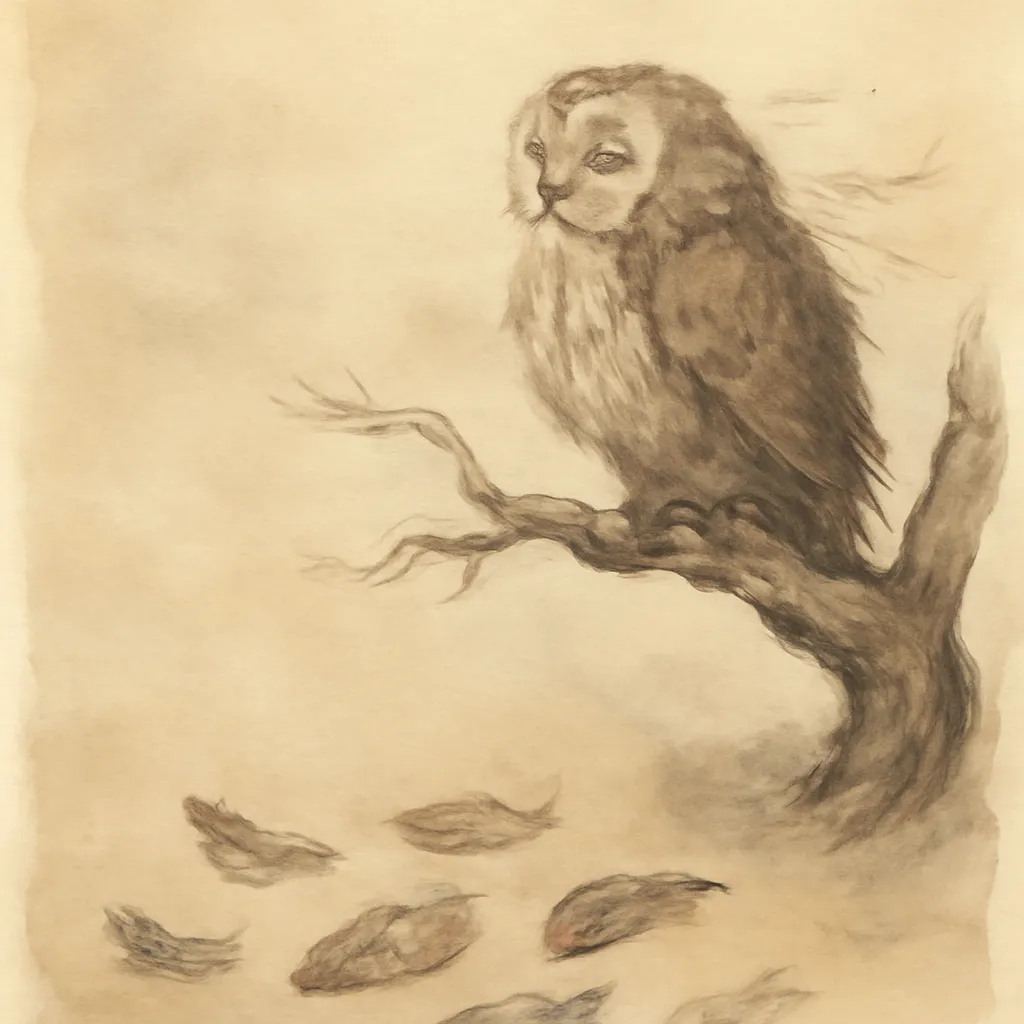
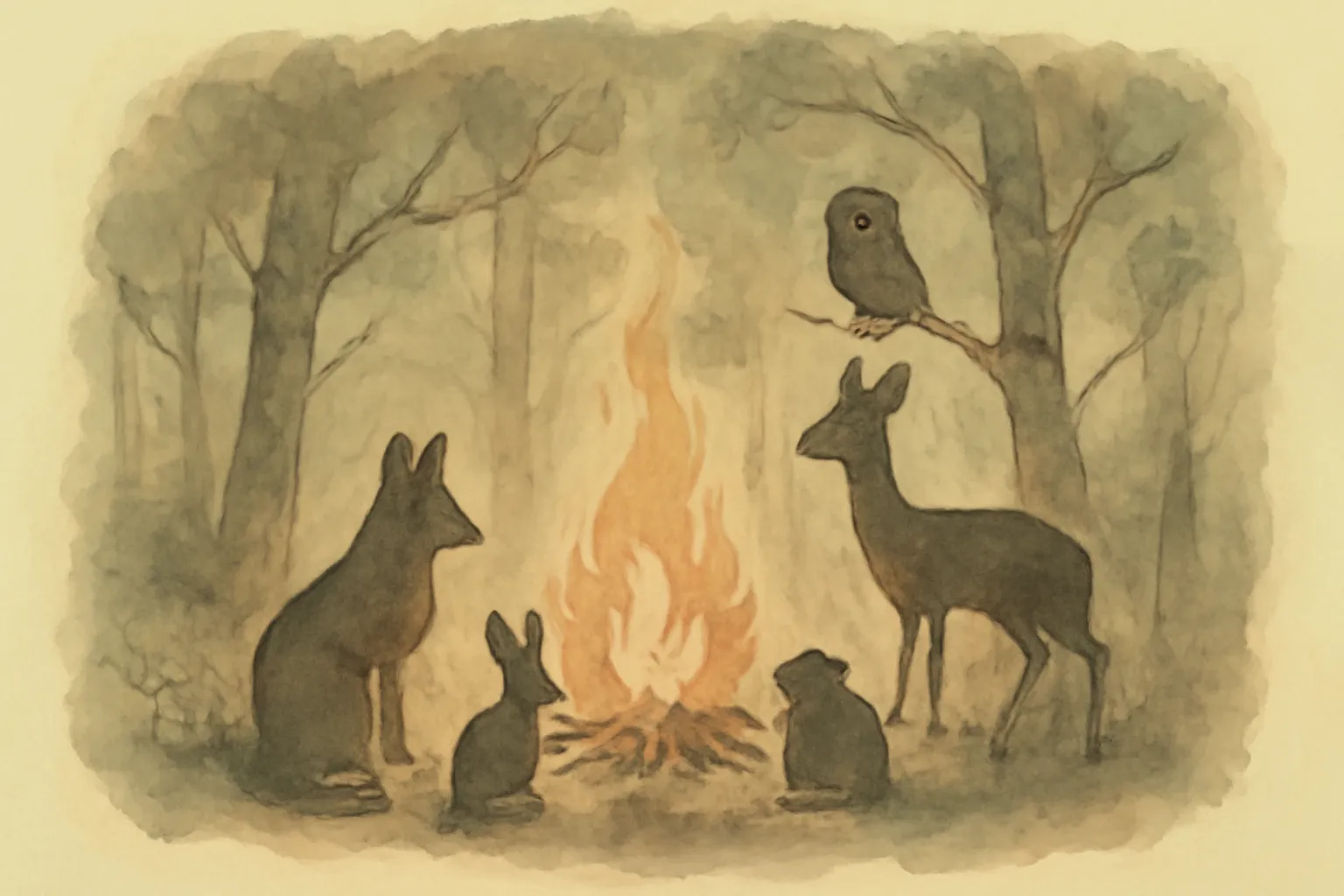
The natural world plays a pivotal role in Iroquois storytelling, where animals often assume human traits and serve as conduits for moral lessons. One poignant example is the story of how the partridges came into existence, stemming from a great bird that frightened the people. This tale illustrates how humans relate to the natural world through the lens of fear and fascination. It serves as a reminder that the unknown can be daunting, yet it also offers opportunities to learn and grow. Similarly, the transformation of the rabbit into a sick old man emphasizes compassion and the importance of caring for those who are vulnerable. These narratives teach listeners to observe not only the behavior of animals but also the interconnectedness of all living beings. By highlighting the wisdom inherent in nature, these stories encourage an appreciation for the environment and the lessons it offers, thereby reinforcing the Iroquois belief that all entities in nature are imbued with spirit and significance.
3.The Empowerment of Women in Community
The portrayal of women in Iroquois stories reveals their crucial role in society as both leaders and nurturers. The concept of the Peacemaker is not restricted to men; women can also rise to this esteemed title, illustrating the community's recognition of gender equality. Tales such as that of the Squash Maiden highlight the vital contributions of women to the tribe's sustenance and harmony. The Squash Maiden, associated with fertility and growth, signifies the deep connection between women and the land, embodying the nurturing aspects of life. This perspective challenges common perceptions of indigenous cultures as patriarchal and emphasizes that women held significant sway in decision-making and conflict resolution processes. By including strong female characters in their stories, the Iroquois illustrate the importance of female voices in shaping community dynamics, thereby promoting a sense of inclusivity and respect for all members of society.
4.Conflict Resolution through Dialogue
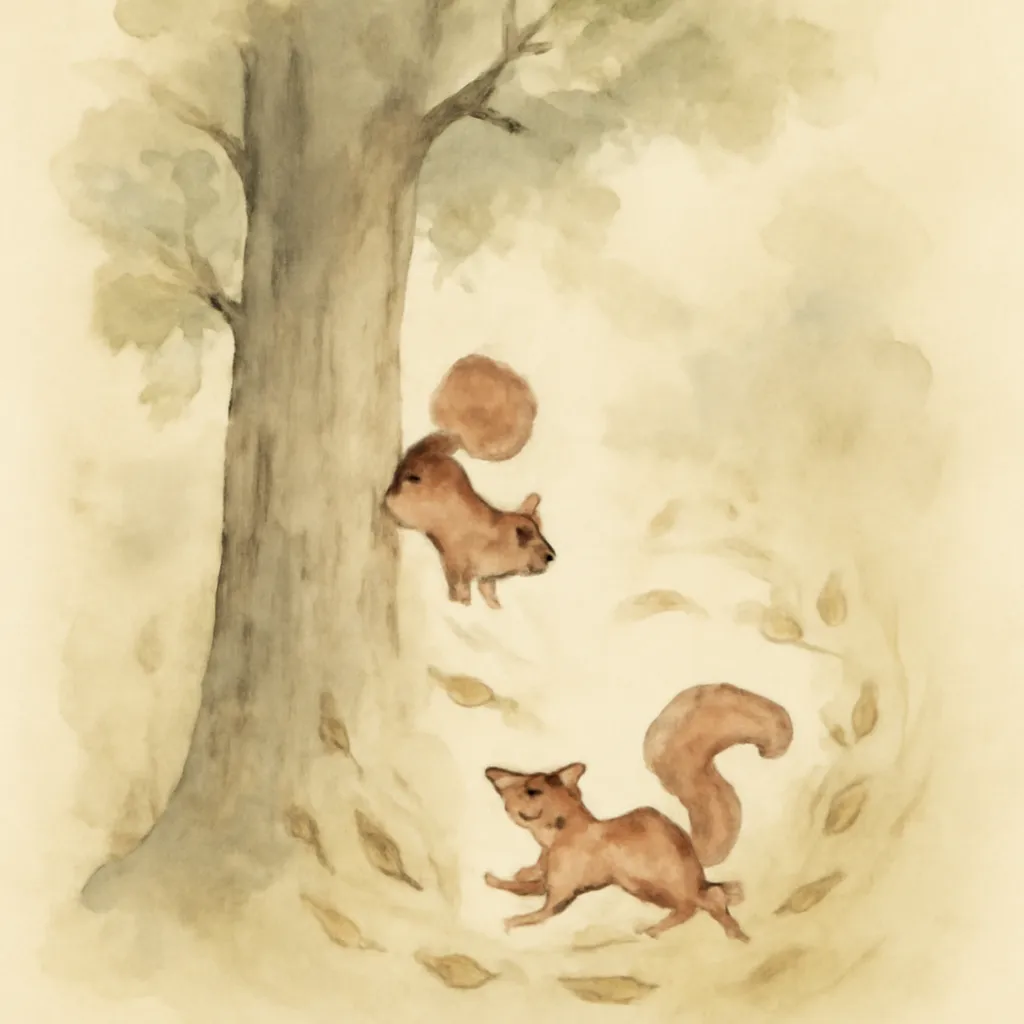
Iroquois stories often serve as allegories for conflict resolution, demonstrating the importance of dialogue and understanding in addressing disputes. The tale of the Flying Squirrel and Lightning Bow exemplifies how children can navigate their disagreements through play and cooperation. This mirrors the larger societal need for peaceful resolutions, suggesting that conflict need not escalate into violence but can instead be resolved through communication and mutual respect. The council of animals, where the bear and chipmunk debated the balance between day and night, reinforces the notion of listening to diverse perspectives in order to reach a consensus. These narratives promote the idea that resolution is not about asserting dominance but about collaboration and compromise. The underlying message is that peaceful coexistence requires empathy, patience, and a willingness to understand differing viewpoints, a lesson that holds significant relevance in today's world, where conflicts often stem from misunderstanding and lack of communication.
5.Interconnectedness and Responsibility
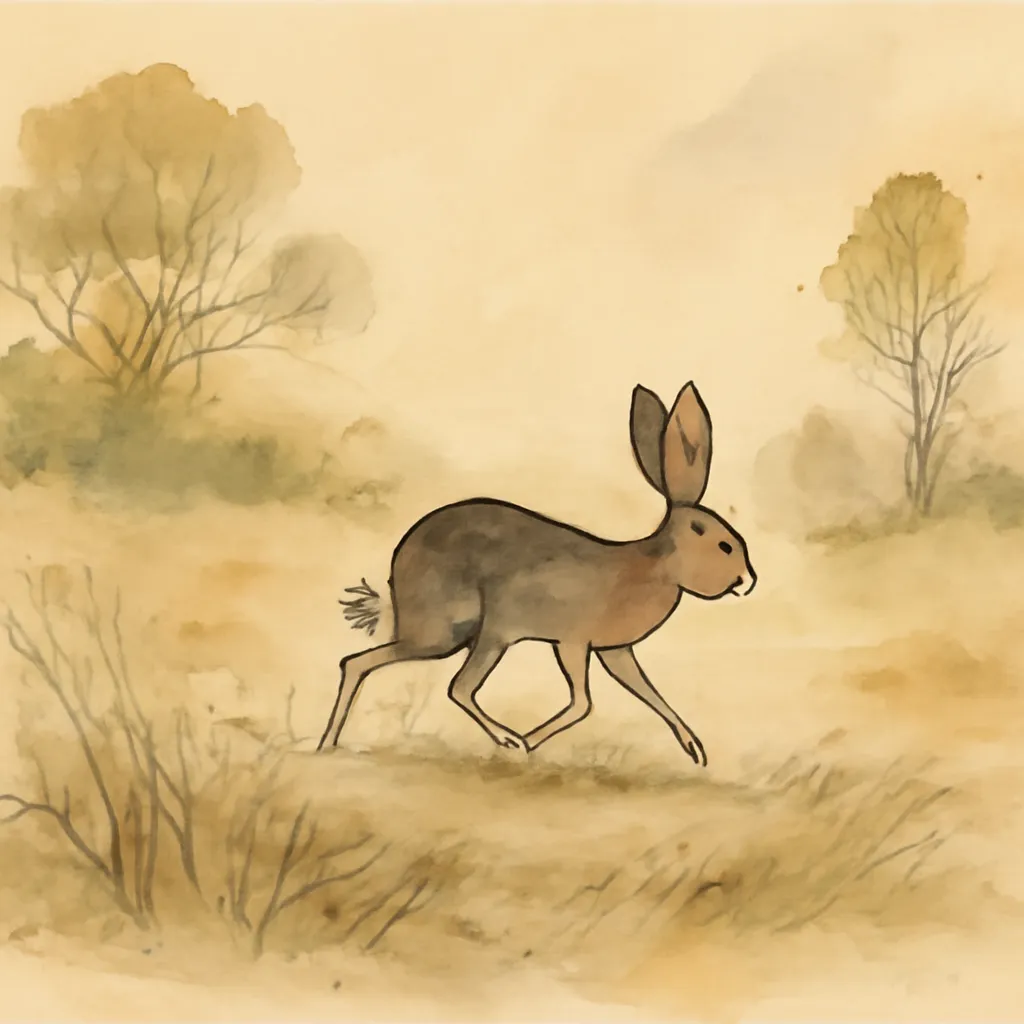
A profound theme in Iroquois stories is the interconnectedness of all life, emphasizing that individual actions have consequences for the community and the environment. The story of the hare, who lost its tail and split its lip as a result of a reckless jump, serves as a cautionary tale about the importance of thoughtful decision-making. The hare's choice to leap without considering the consequences highlights the idea that haste can lead to irreversible changes. This narrative encourages listeners to reflect on their actions and the impact they have on others, fostering a sense of responsibility toward their community and the natural world. The Iroquois worldview posits that all beings are connected, and just as one person's well-being affects the tribe, so too does the health of the land impact the survival of the people. By instilling this understanding, the stories promote a culture of mindfulness and accountability, urging individuals to act with care and consideration for the collective.
6.The Role of Storytelling in Cultural Preservation
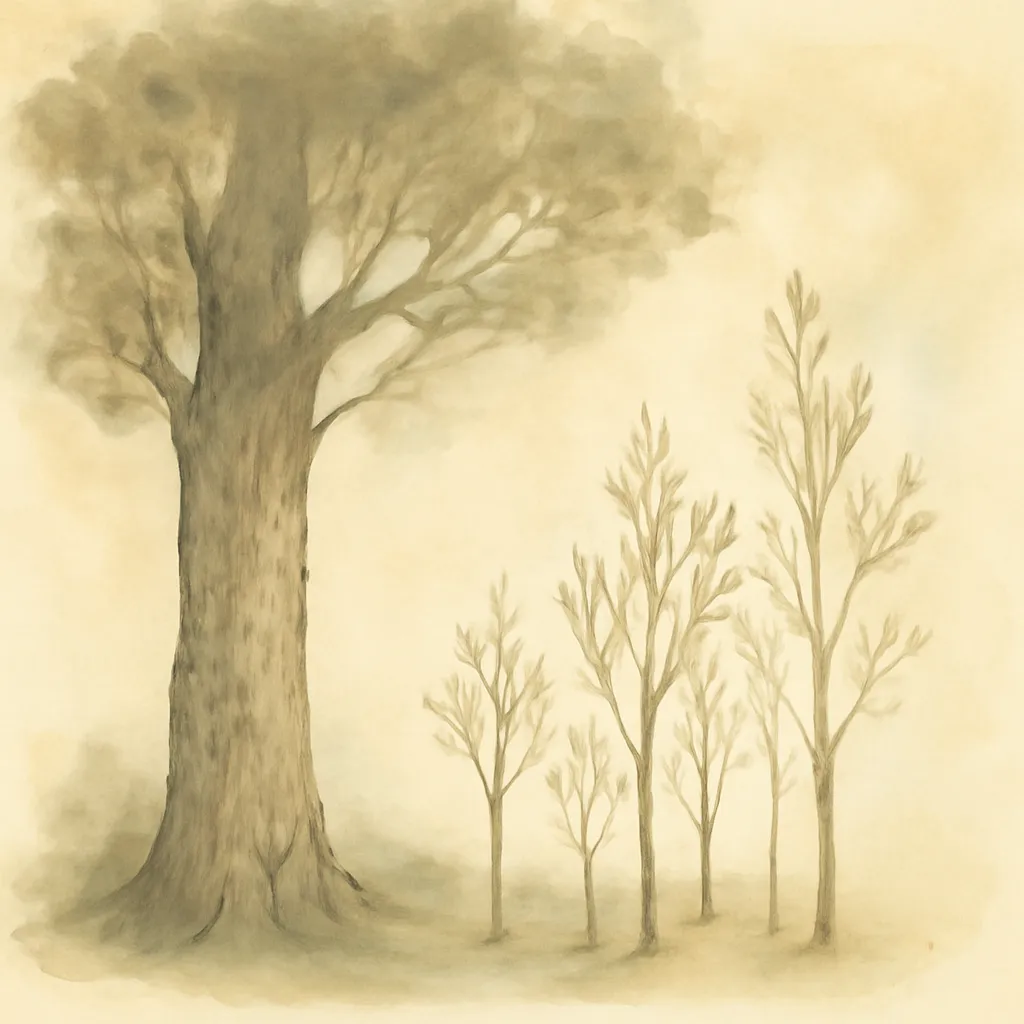
The act of storytelling is a vital part of Iroquois culture, serving as a means to preserve heritage, identity, and values. Mabel Powers' retelling of these stories highlights the significance of oral tradition in passing down knowledge across generations. Each storyteller plays a crucial role in ensuring that the lessons and histories of the tribe are not lost, reinforcing community bonds through shared narratives. The acknowledgment of the storytellers within the text emphasizes the communal aspect of storytelling and the respect afforded to those who keep the tradition alive. As these stories are told and retold, they evolve yet retain their core messages, adapting to contemporary contexts while remaining relevant to new generations. This process of cultural preservation is essential for maintaining a sense of identity, especially as indigenous cultures face the challenges of modernity. Ultimately, the stories serve not only as entertainment but as a powerful tool for fostering resilience and continuity within the community.
7.Spirituality Intertwined with Nature

Spirituality is intricately woven throughout Iroquois narratives, revealing a deep reverence for the Great Spirit and the natural elements. The belief that every aspect of nature possesses spirit and significance fosters a harmonious relationship between the people and their environment. The Great Spirit's role as a guardian of the tribe underscores a belief in a protective force that guides and nurtures. Through stories like the one where the Great Spirit seeks to protect the people from the frightening bird, listeners are reminded of their dependence on this divine presence. The narratives encourage gratitude for nature's gifts and emphasize the need for humility in the face of its power. By framing the natural world as imbued with spirituality, the Iroquois create a worldview where respect for the Earth and its resources is paramount. This spiritual connection not only influences individual behaviors but also shapes communal values, urging the tribe to live in balance with the environment.
8.Moral Lessons Embedded in Folklore

Iroquois stories are rich with moral lessons that reflect core values such as generosity, bravery, and the importance of community. Each narrative often serves as a vehicle for imparting wisdom, illustrating how characters navigate challenges while adhering to these principles. For example, the story of the lazy father who is transformed after losing his son conveys a powerful message about the consequences of neglect and the necessity of proactive engagement with one's responsibilities. The father's subsequent change of heart exemplifies personal growth that emerges from hardship and sorrow. The stories resonate with both children and adults, highlighting the universal nature of these lessons. By embedding moral teachings within engaging narratives, the Iroquois culture effectively instills values that transcend generations, reinforcing the idea that stories can shape behavior and foster a strong moral compass within the community. These lessons are vital for cultivating compassion and understanding in a rapidly changing world.
9.Nature as a Teacher of Resilience
The natural world is portrayed not just as a backdrop but as a vital teacher of resilience and adaptability in Iroquois storytelling. Characters often face challenges that mirror natural phenomena, teaching essential life skills such as perseverance and resourcefulness. For example, the raccoon who outsmarts the fox illustrates that wit can triumph over strength, emphasizing the value of cleverness and strategy over brute force. Similarly, the story of the bear and chipmunk’s council underscores the importance of adaptability and listening to others, as the chipmunk's persistence leads to the establishment of day and night. These narratives encourage listeners to draw inspiration from the natural world, urging them to embrace challenges as opportunities for growth. By framing nature as a source of lessons in resilience, the Iroquois instill a sense of empowerment, encouraging individuals to face their obstacles with courage and creativity.