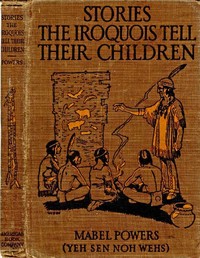

Discover the timeless wisdom and enchanting tales of the Iroquois, where nature and humanity intertwine in profound ways
Read full overviewShow less›
In 'Stories the Iroquois Tell Their Children,' Mabel Powers brings to life the rich oral tradition of the Iroquois people through captivating stories that embody their values, beliefs, and connection to the natural world. These tales, shared by the elders of the tribe, serve not only as entertainment but also as lessons in morality, community, and respect for nature. Readers will find themselves immersed in a world where animals speak, the Great Spirit guides, and every story carries a deeper meaning. By exploring these narratives, one gains insight into the Iroquois worldview, fostering a greater appreciation for indigenous cultures and the wisdom they offer. The stories encourage reflection on our own lives and the relationships we hold with each other and the environment.
The tales within 'Stories the Iroquois Tell Their Children' serve as a window into the rich cultural tapestry of the Iroquois people, offering timeless wisdom that resonates with contemporary audiences. Through enchanting narratives, the book conveys vital lessons about leadership, compassion, and the interconnectedness of all life. As readers engage with these stories, they are invited to reflect on their own lives and consider how the values of respect, cooperation, and understanding can be integrated into their daily interactions. The Iroquois tradition emphasizes the importance of community and harmony with nature, reminding us that, despite the challenges of modern life, we can still learn from the past and strive for a more balanced existence. Ultimately, these stories are not just relics of history; they are living lessons that continue to inspire and guide future generations.
- 1The Sacred Significance of Fire
- 2Nature as a Source of Wisdom
- 3The Empowerment of Women in Community
- 4Conflict Resolution through Dialogue
- 5Interconnectedness and Responsibility
Notable quotes
“Now we have little left but stories of our fathers.”
“The Indian that could make fire first became a chief and leader.”
“To be a Peacemaker was the highest seat an Indian could take.”
A glimpse inside

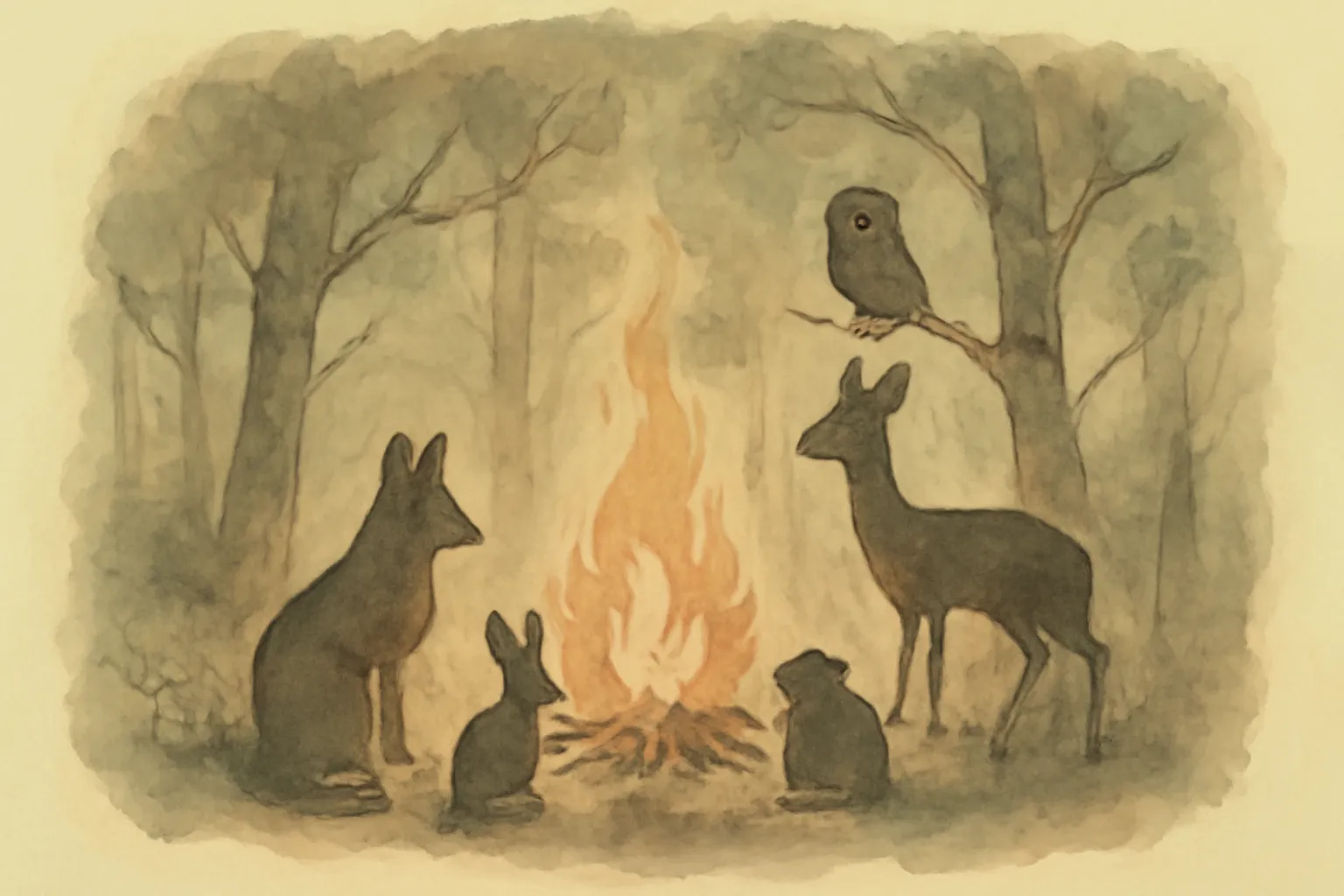
Fire is a central symbol in Iroquois culture, representing warmth, safety, and the very essence of life. In the tale of the Firemaker, the process of creating fire is por… Read moreFire is a central symbol in Iroquois culture, representing warmth, safety, and the very essence of life. In the tale of the Firemaker, the process of creating fire is portrayed as a skill that separates leaders from the rest of the community. The act of making fire requires not just physical ability but also mental acuity, as the firemaker must understand the nuances of their environment. This story reveals that true leadership encompasses not only individual skill but also a commitment to the community's welfare. The Firemaker becomes a chief not merely because of his ability to produce flames, but because he embodies the qualities of a thoughtful and caring leader. The narrative extends to highlight that the greatest leaders—often termed Peacemaker chiefs—are those who can ignite the 'fire of love' within the hearts of their people, fostering unity and harmony among tribes. This insight offers valuable lessons on the nature of leadership, emphasizing that it is about nurturing relationships and creating a safe space for the community. Show less
The natural world plays a pivotal role in Iroquois storytelling, where animals often assume human traits and serve as conduits for moral lessons. Read moreThe natural world plays a pivotal role in Iroquois storytelling, where animals often assume human traits and serve as conduits for moral lessons. One poignant example is the story of how the partridges came into existence, stemming from a great bird that frightened the people. This tale illustrates how humans relate to the natural world through the lens of fear and fascination. It serves as a reminder that the unknown can be daunting, yet it also offers opportunities to learn and grow. Similarly, the transformation of the rabbit into a sick old man emphasizes compassion and the importance of caring for those who are vulnerable. These narratives teach listeners to observe not only the behavior of animals but also the interconnectedness of all living beings. By highlighting the wisdom inherent in nature, these stories encourage an appreciation for the environment and the lessons it offers, thereby reinforcing the Iroquois belief that all entities in nature are imbued with spirit and significance. Show less
Read the full text — free
About the author
Read Mabel Powers's work free on Lumina — the complete text plus an 8-minute summary and key ideas, no account needed