1.The Illusion of Foresight
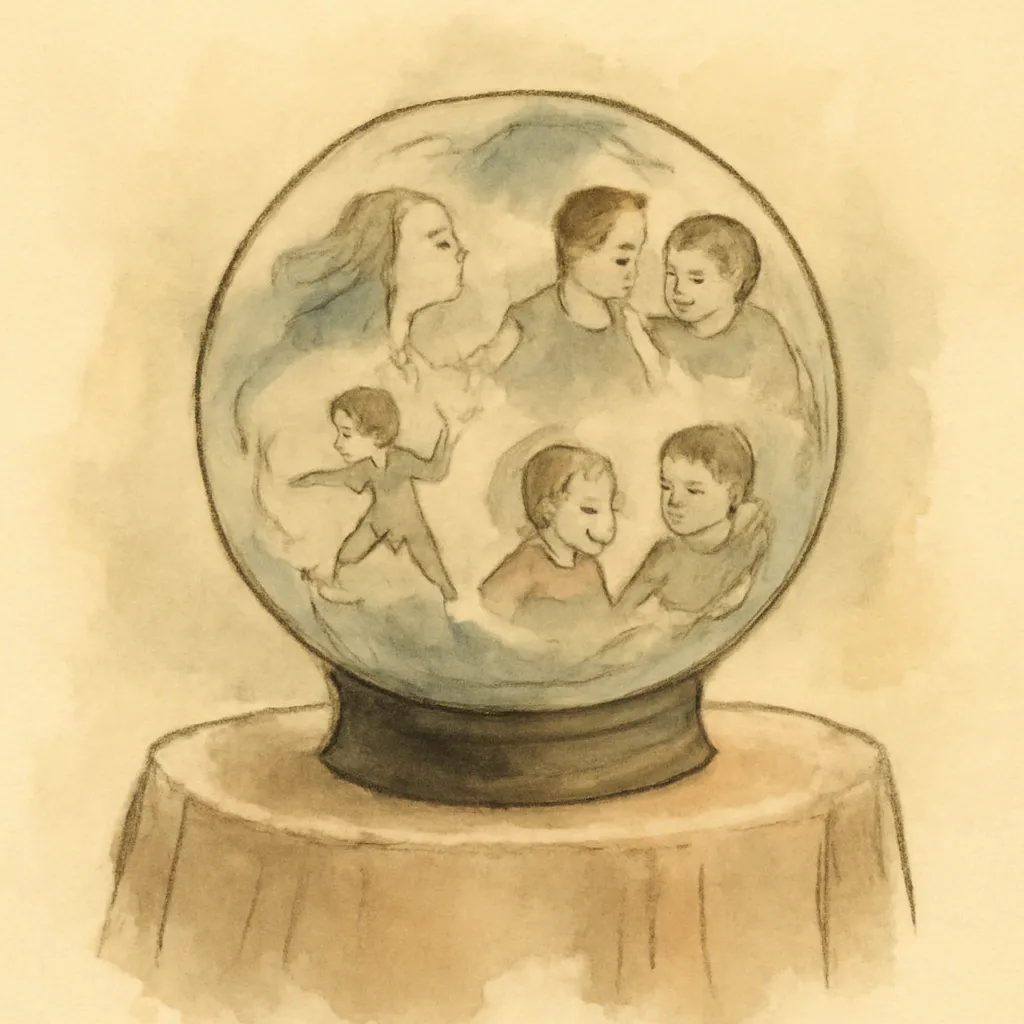
Gilbert argues that humans are uniquely obsessed with imagining their futures, but our predictions about what will make us happy are consistently flawed. This is due to the way our brains simulate future experiences—often filling in gaps with assumptions, biases, and projections from our present state. As a result, we overestimate the impact of future events, both positive and negative, on our long-term happiness.
2.The Limits of Imagination
Our minds struggle to accurately imagine how we’ll feel in unfamiliar situations. We tend to rely on our current emotions and circumstances, which leads to 'presentism'—the tendency to project our present feelings onto the future. This explains why people often misjudge how happy or unhappy they’ll be after major life changes, such as a new job, relationship, or move.
3.Memory’s Deceptive Nature
Just as our imagination misleads us about the future, our memory distorts the past. Gilbert shows that memories are reconstructed rather than replayed, and they’re influenced by our current beliefs and emotions. This means that both our recollections and our predictions are unreliable guides to what will actually make us happy.
4.The Impact Bias
Gilbert introduces the concept of 'impact bias,' our tendency to overestimate the intensity and duration of our emotional reactions to future events. Whether anticipating triumph or disaster, we expect to feel much more strongly, and for much longer, than we actually do. This bias drives many of our decisions and regrets.
5.The Surprising Adaptability of Happiness
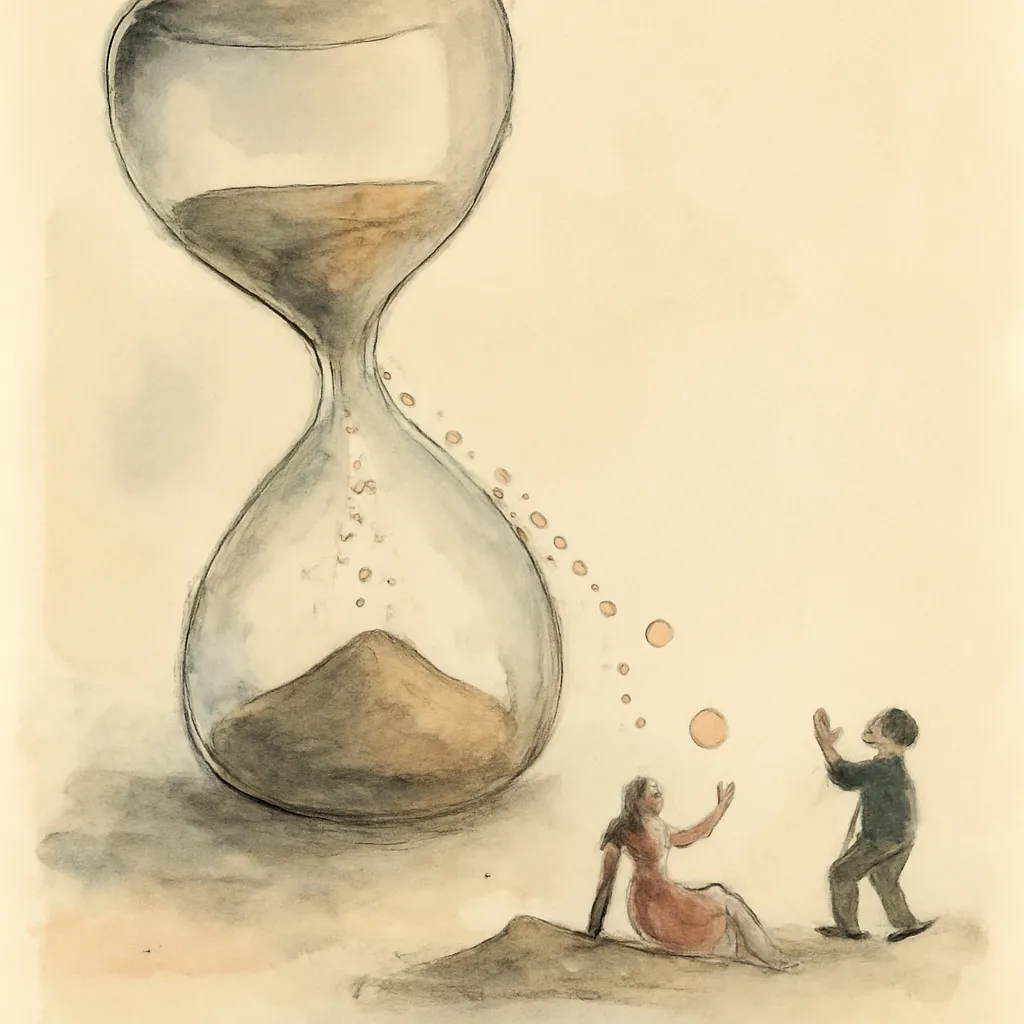
One of the book’s central findings is that people are remarkably resilient. Even after significant setbacks or unexpected changes, most individuals return to a baseline level of happiness. This adaptability is often underestimated, leading us to fear negative outcomes more than is warranted—and to chase positive ones that may not deliver lasting satisfaction.
6.Learning from Others
Gilbert suggests that one of the best ways to predict what will make us happy is to observe the experiences of others in similar situations. While we tend to believe in our uniqueness, the emotional responses of others are often more reliable indicators than our own imagination. Yet, we resist this strategy, clinging to the illusion that we’re exceptions to the rule.