1.The House of Lights and the Soul's Illumination
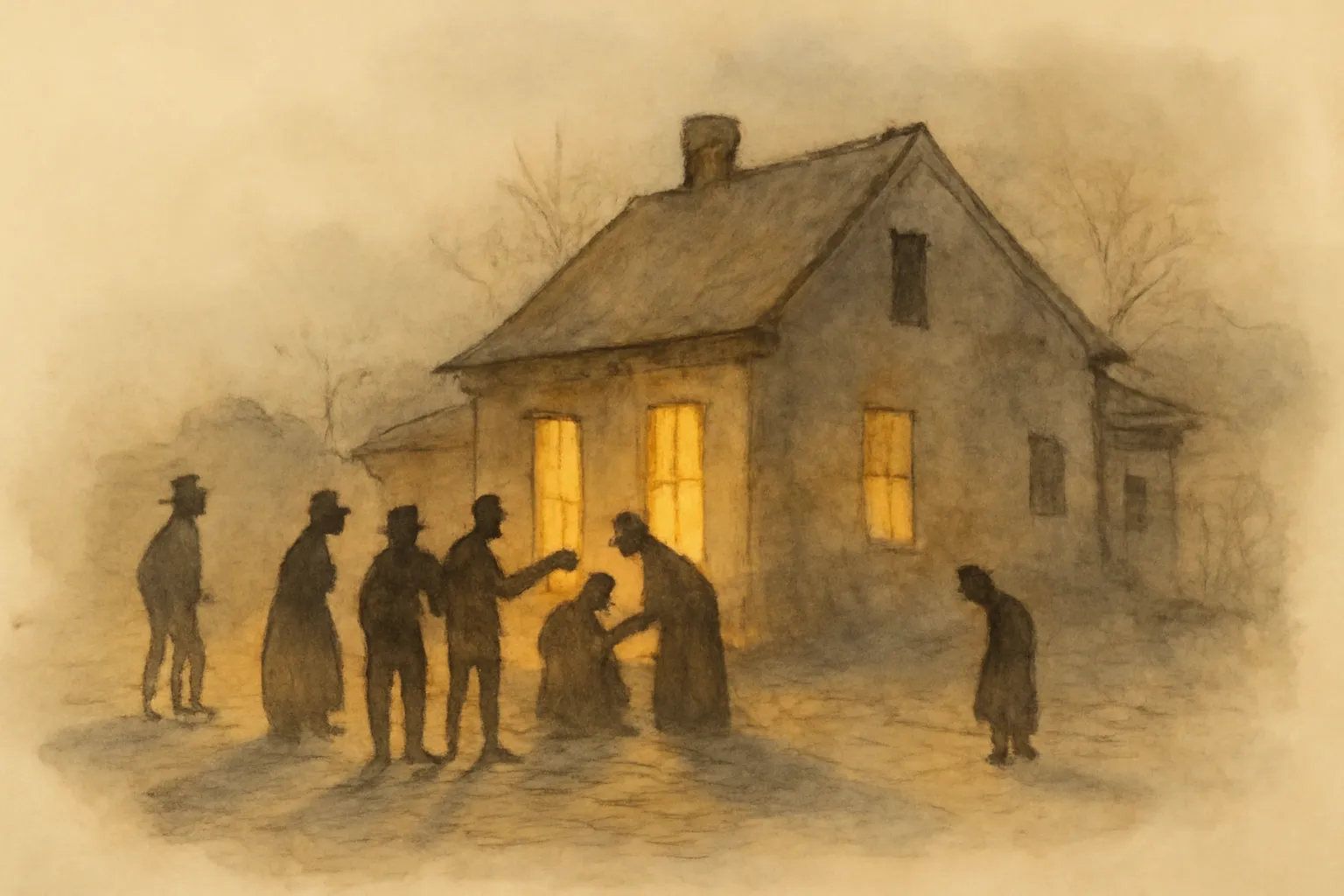
The opening chapter introduces a mysterious house on Clay Street, always aglow with lights, stirring curiosity among the townsfolk. Squire Jonas reveals that the illumination symbolizes the condition of a man whose soul is sick, rather than a celebration of life. This metaphor sets the tone for the exploration of deeper themes throughout the book. The constant light serves as a reminder that even in darkness, there can be flickers of hope and understanding, prompting the reader to reflect on their own lives. Cobb uses vivid imagery to describe the house, making it a character in itself. The grid of light represents the complexities of human existence where outward appearances can be deceiving. This chapter foreshadows the deeper explorations of morality, happiness, and human connection found later in the collection.
2.Judge Priest: The Law and Justice

Judge Priest embodies a unique blend of legal authority and moral insight, navigating the complexities of justice with a personal touch. His approach to the law is characterized by a desire to achieve fairness rather than strictly adhering to legal precedent. This chapter illustrates the judge's ability to cut through legal jargon to find the essence of justice, earning him both admiration and ire from the legal community. Cobb paints Judge Priest as a folk hero, someone who resonates with the common man and understands the nuances of human behavior. His re-elections affirm the community's support for his unconventional methods, emphasizing that true justice often lies beyond the rigid confines of the law. The narrative offers a critique of the legal system, suggesting that while laws are necessary, the heart of justice may be found in empathy. This chapter prompts readers to consider the nature of law and its impact on society, making it a relevant discussion point in today's context.
3.Red Hoss Shackleford: The Art of Leisure

Red Hoss Shackleford epitomizes the pursuit of leisure, valuing idleness as both a calling and an ideal. Cobb humorously depicts Red Hoss’s philosophy of doing nothing, balancing his love for relaxation with the necessities of life. His character illustrates the tension between societal expectations and personal desires, as he occasionally engages in gainful labor to support his appetite for leisure. The chapter serves as a lighthearted commentary on the human condition, suggesting that the pursuit of happiness often involves a struggle against the demands of practicality. Red Hoss’s antics and his interactions with the community provide a window into the values of the time, where leisure was both a privilege and a challenge. Through him, Cobb invites readers to consider the importance of finding joy in simplicity and the art of enjoying life. His carefree attitude serves as a contrast to the hustle and bustle of modern life, reminding readers of the value of slowing down and appreciating the little things.
4.Mildred Smith: A Woman in a Man's World
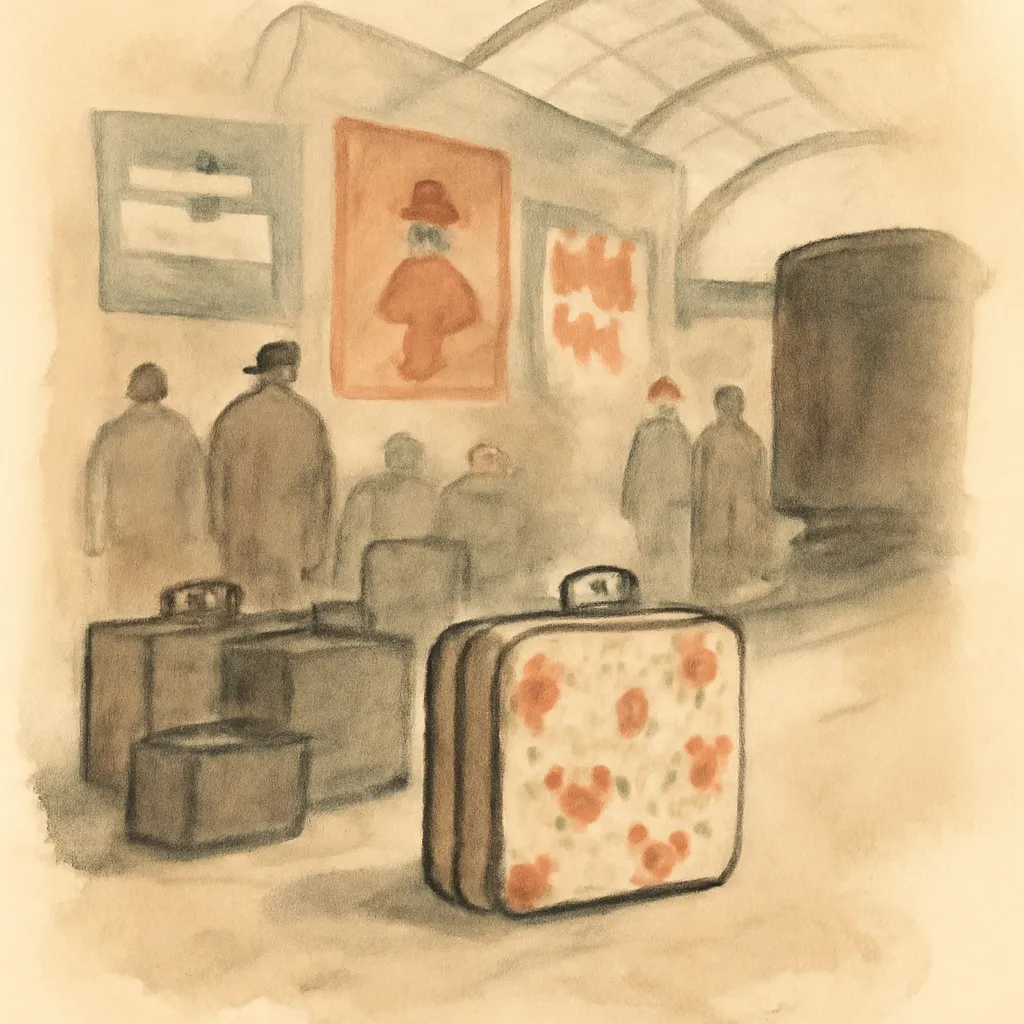
Mildred Smith, a savvy interior decorator and amateur investigator, represents the emerging independence of women during this period. As she navigates a crowded train, her confidence and self-sufficiency shine through, defying traditional gender roles. Cobb’s portrayal of Mildred highlights the complexities women faced as they sought to carve out their own identities in a male-dominated society. Her interactions with various characters illustrate the changing dynamics of gender and power, suggesting that women were beginning to assert their place in both public and private spheres. This chapter resonates with contemporary themes of empowerment and individuality, making Mildred a relatable and inspiring figure. Through her, Cobb emphasizes the struggles women faced, reinforcing the idea that independence often came with its own challenges. The narrative encourages readers to reflect on the evolution of gender roles and the ongoing quest for equality.
5.Jeff Poindexter: The Dread of the Draft

Jeff Poindexter's experience with the draft reveals the anxieties surrounding war and duty during a tumultuous time. Cobb captures Jeff’s reluctance to engage in combat, highlighting his preference for a peaceful existence over the chaos of war. This chapter reflects the internal conflicts many faced as they were called to serve, drawing attention to the personal stories behind the broader historical narrative. Jeff's interactions with the draft board reveal the absurdities of bureaucracy, where his attempts to explain his situation are met with indifference. The humor in his predicament underscores the absurdity of the situation, making it relatable to anyone who has faced pressure to conform to societal expectations. Cobb's portrayal of Jeff serves as a poignant reminder of the impact of war on individual lives and the struggle to maintain one's identity amidst external demands. The narrative prompts questions about patriotism, duty, and personal choice in times of conflict.
6.Vincent C. Marr: The Self-Made Man of Crookedness
Vincent C. Marr's rise from humble beginnings to a master of deception illustrates the allure of ambition and the lengths to which people will go to succeed. Cobb presents Marr as a complex character, blending admiration for his cunning with a critique of moral ambiguity. This chapter explores the darker side of the American dream, where success often comes at a cost, drawing parallels to the ethical dilemmas faced in various walks of life. Marr's journey through the world of crime showcases his ingenuity and resourcefulness, but it also raises questions about integrity and the value of hard work. Cobb’s writing invites readers to reflect on their own ambitions and the ethical choices they encounter along the way. Through Marr, the narrative serves as a cautionary tale, emphasizing that the pursuit of success should not overshadow personal values and morality.
7.Mr. Lobel: The Pursuit of Fame

Mr. Max Lobel's obsession with recognition and success in the film industry encapsulates the tension between personal ambition and public perception. Cobb paints a vivid picture of Lobel as a man driven by a desire for validation, both through his business achievements and his extravagant tastes. This chapter delves into the complexities of identity and the societal pressures to conform to certain standards of success. Lobel's character serves as a reflection of the era's fascination with fame and the lengths individuals will go to achieve it. Cobb’s humor and keen observation reveal the absurdities of the pursuit of status, making readers ponder the true meaning of success. The narrative explores the interplay between personal fulfillment and societal expectations, prompting deeper reflections on what it means to be truly successful in a world that often prizes appearance over substance. Through Lobel, Cobb encourages readers to seek authenticity in their pursuits rather than merely chasing accolades.
8.The Weight of Ophelia Stubblefield

Jeff Poindexter’s lament over Ophelia Stubblefield captures the complexities of love and longing, intertwining personal sorrow with societal expectations. Cobb uses humor to explore the weight of unrequited affection, highlighting how societal pressures complicate relationships, particularly in a rigidly defined culture. Jeff’s interactions with Aunt Dilsey and his internal struggles reflect the universal experience of navigating emotions while contending with external demands. The narrative illustrates how love can be both uplifting and burdensome, reinforcing the idea that affection often comes with its own set of challenges. Through Jeff's journey, Cobb emphasizes the importance of emotional honesty and the courage it takes to confront one’s feelings, underlining the significance of vulnerability in human relationships. This chapter resonates with readers who have faced similar situations, prompting reflections on their own experiences with love and the societal norms that influence them.
9.The Freight Train Incident: A Tale of Unexpected Adventure
Scandalous Doolan's narrative of being unceremoniously booted off a freight train serves as a humorous interlude that underscores the unpredictability of life. Cobb captures the essence of adventure, weaving together the absurd and the relatable through Doolan's eyes. The chapter illuminates the theme of chance encounters and unexpected twists of fate, where one's journey can change in an instant. Doolan's colorful description of the head brakeman and the ensuing chaos paints a vivid picture of the moment, showcasing Cobb's skill in creating engaging characters and scenarios. The narrative invites readers to appreciate the unplanned adventures that life presents, emphasizing the importance of adaptability and a sense of humor in the face of adversity. This chapter serves as a reminder that often, the best stories come from unexpected experiences, encouraging readers to embrace spontaneity and find joy in the unanticipated.
10.Colonel Bud Crittenden: Lessons Learned from Deception

Colonel Bud Crittenden's experience with a deceptive individual at a political convention highlights the themes of trust, betrayal, and the lessons learned from misjudgment. Cobb uses this anecdote to explore the complexities of human interactions, revealing how appearances can be misleading. The colonel's realization of the deceptive nature of certain individuals serves as a cautionary tale about the importance of discernment and the risks of naivety. Through Crittenden’s story, Cobb emphasizes the importance of critical thinking and the value of learning from past mistakes, making it a compelling exploration of human nature. The chapter resonates with readers who may have found themselves in similar situations, prompting them to consider their own experiences with trust and betrayal. Cobb’s narrative serves as a reminder that while deception exists, it often provides valuable lessons that contribute to personal growth and understanding.