
Explore the rich tapestry of life, humor, and humanity in Irvin S. Cobb's 'Sundry Accounts'
Read full overviewShow less›
Irvin S. Cobb's 'Sundry Accounts' is a vibrant collection of stories that captures the essence of life in the early 20th century American South. Through humor and keen observation, Cobb offers a glimpse into the lives of a diverse cast of characters, from the whimsical to the profound. Each chapter weaves together anecdotes that reflect the social dynamics, cultural quirks, and moral dilemmas of the time. Readers will find themselves immersed in a world filled with laughter, sorrow, and the simple complexities of everyday life. This is not just a collection of tales; it is a celebration of the human spirit and a testament to the stories that connect us all.
Irvin S. Cobb's 'Sundry Accounts' offers a rich exploration of human experiences through humor, observation, and storytelling. The diverse characters and their intricate lives reflect the complexities of society in the early 20th century American South. Cobb's ability to blend humor with poignant insights invites readers to reflect on their own lives and the universal themes of love, ambition, justice, and the human condition. Ultimately, this collection serves as a celebration of the stories that connect us, reminding us of the vibrancy of life and the lessons learned through our shared experiences.
Ratings at a glance
- 1The House of Lights and the Soul's Illumination
- 2Judge Priest: The Law and Justice
- 3Red Hoss Shackleford: The Art of Leisure
- 4Mildred Smith: A Woman in a Man's World
- 5Jeff Poindexter: The Dread of the Draft
A glimpse inside

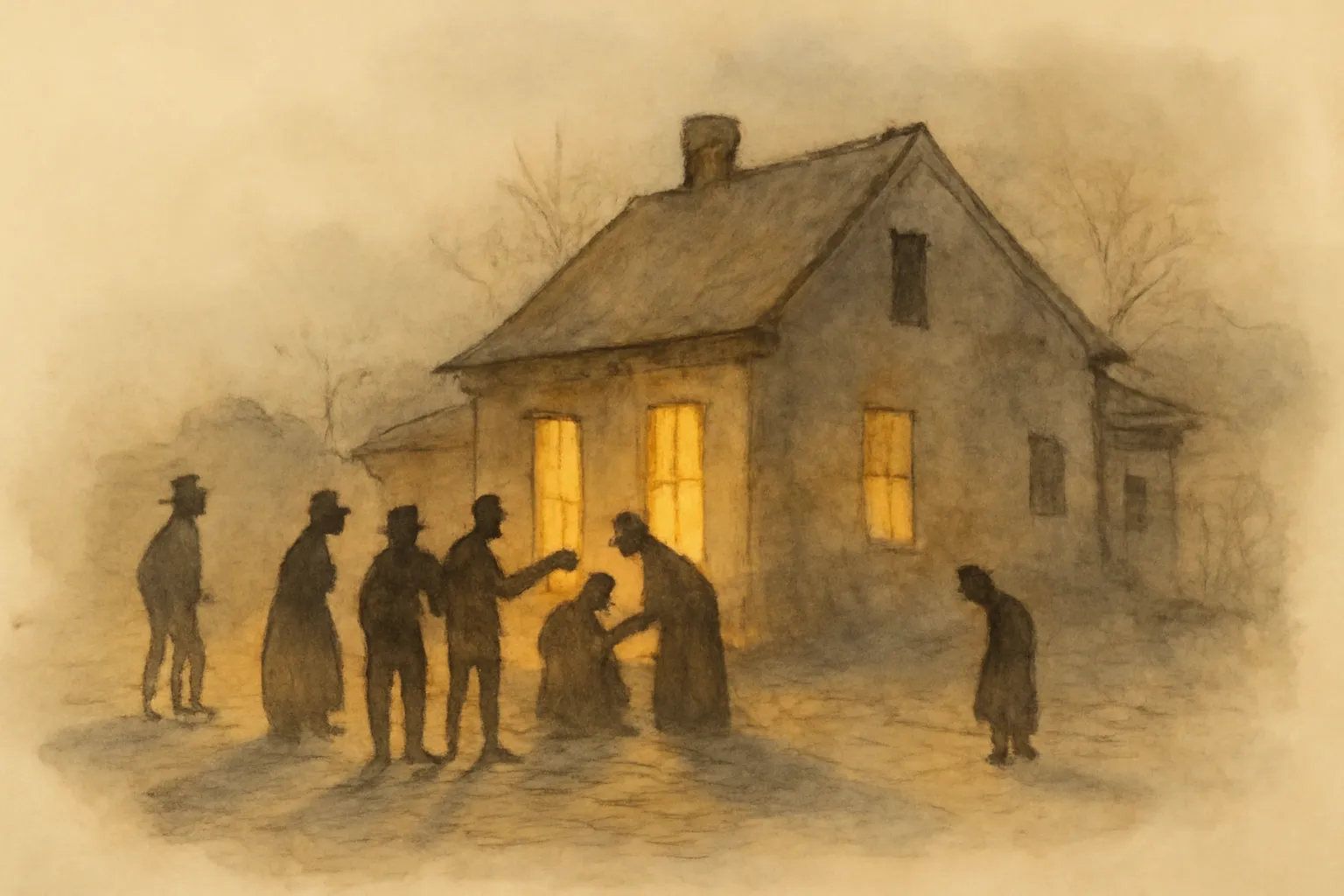
The opening chapter introduces a mysterious house on Clay Street, always aglow with lights, stirring curiosity among the townsfolk. Read moreThe opening chapter introduces a mysterious house on Clay Street, always aglow with lights, stirring curiosity among the townsfolk. Squire Jonas reveals that the illumination symbolizes the condition of a man whose soul is sick, rather than a celebration of life. This metaphor sets the tone for the exploration of deeper themes throughout the book. The constant light serves as a reminder that even in darkness, there can be flickers of hope and understanding, prompting the reader to reflect on their own lives. Cobb uses vivid imagery to describe the house, making it a character in itself. The grid of light represents the complexities of human existence where outward appearances can be deceiving. This chapter foreshadows the deeper explorations of morality, happiness, and human connection found later in the collection. Show less
Judge Priest embodies a unique blend of legal authority and moral insight, navigating the complexities of justice with a personal touch. Read moreJudge Priest embodies a unique blend of legal authority and moral insight, navigating the complexities of justice with a personal touch. His approach to the law is characterized by a desire to achieve fairness rather than strictly adhering to legal precedent. This chapter illustrates the judge's ability to cut through legal jargon to find the essence of justice, earning him both admiration and ire from the legal community. Cobb paints Judge Priest as a folk hero, someone who resonates with the common man and understands the nuances of human behavior. His re-elections affirm the community's support for his unconventional methods, emphasizing that true justice often lies beyond the rigid confines of the law. The narrative offers a critique of the legal system, suggesting that while laws are necessary, the heart of justice may be found in empathy. This chapter prompts readers to consider the nature of law and its impact on society, making it a relevant discussion point in today's context. Show less
Read the full text — free
About the author
Read Irvin S. Cobb's work free on Lumina — the complete text plus an 8-minute summary and key ideas, no account needed