1.The Burden of Independence
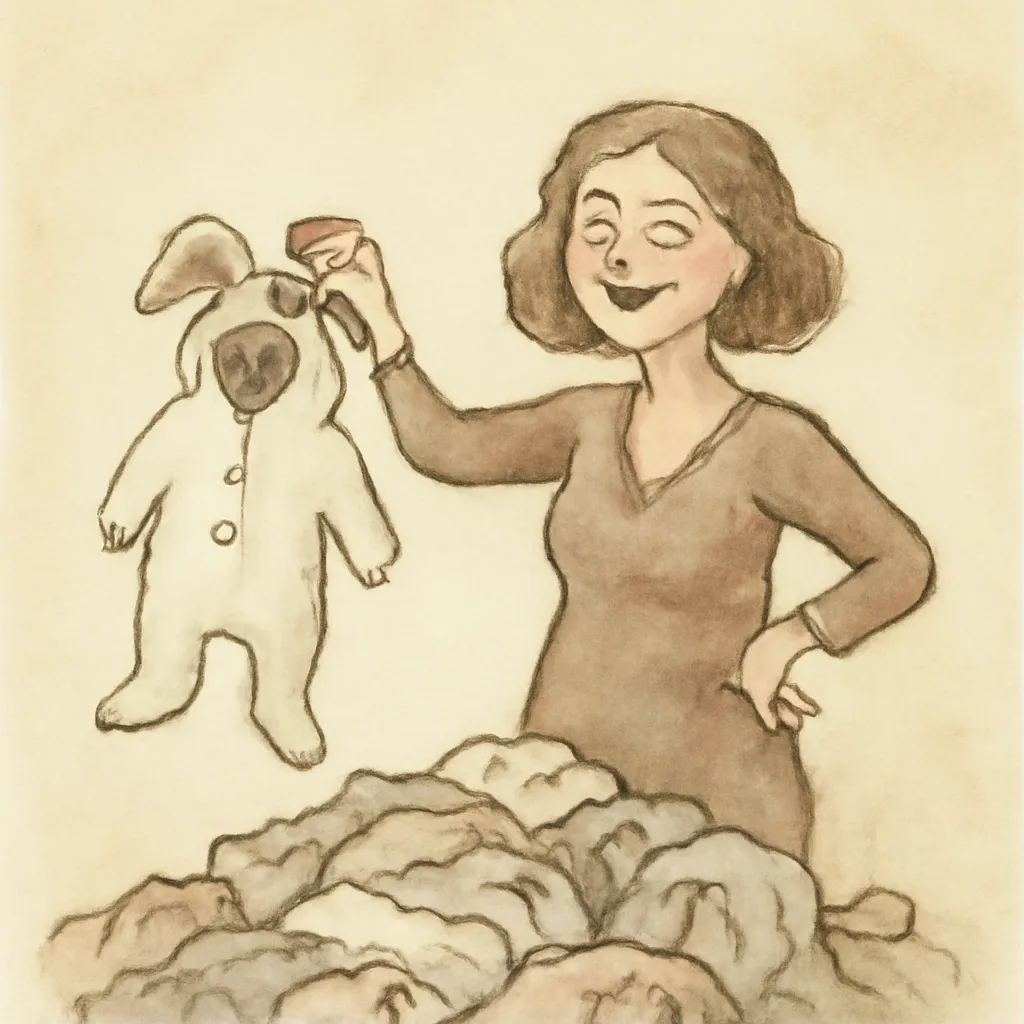
After her father's death, Susan Clegg embraces a life of independence, yet this autonomy comes with its own set of challenges. She finds solace in her solitude, but the absence of companionship raises questions about loneliness and the need for connection. Her initial rejection of marriage—having proposed to four men only to be turned down—highlights her self-reliance and strength of character. However, when faced with the prospect of men returning for her hand after discovering her newfound wealth, Susan's perspective shifts. She realizes that independence can feel isolating, prompting her to reconsider the role of a man in her life, not as a necessity but as a potential partner in navigating the complexities of existence. This internal struggle illustrates the conflict many women face between self-sufficiency and the societal expectations that often press for marriage and companionship.
2.Men: A Necessary Evil?
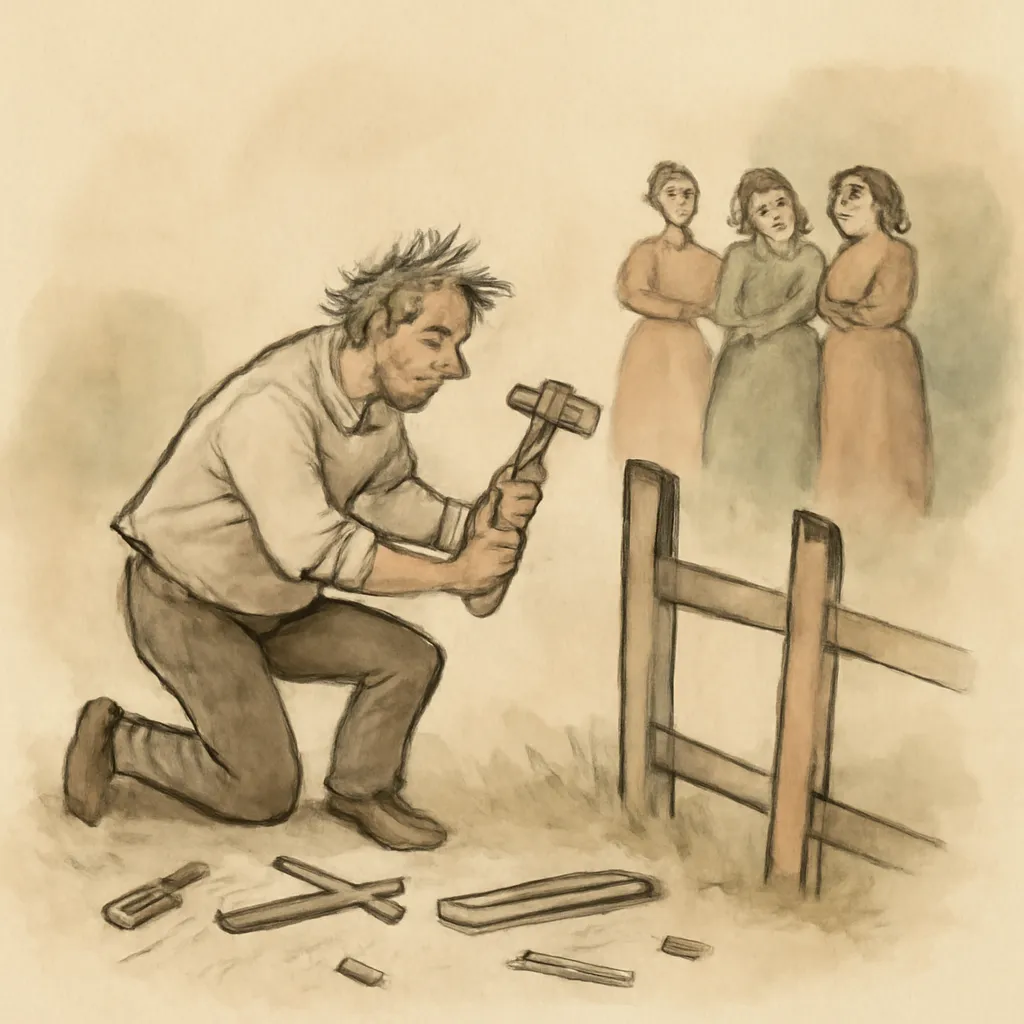
Susan's candid observations about men reveal her skepticism toward their role in society and her life. With humor, she critiques the men in her community, noting that happiness seems elusive for most wives she encounters. For instance, she reflects on Mrs. Fisher's discontent with her husband's eccentric pursuits and suggests that the presence of a man often complicates rather than enhances a woman’s happiness. This perspective is further illustrated through her interactions with Elijah Doxey, a young man she takes in as a boarder. While he provides companionship and a sense of purpose, his antics and demands often lead to frustration. Susan's mixed feelings about men encapsulate a broader commentary on gender dynamics, highlighting how the societal expectations of marriage and companionship can lead to dissatisfaction. Her observations present a nuanced view of masculinity that challenges the notion of men as solely providers and protectors, instead portraying them as individuals whose behavior can sometimes stifle the freedom of the women around them.
3.Community and Gossip
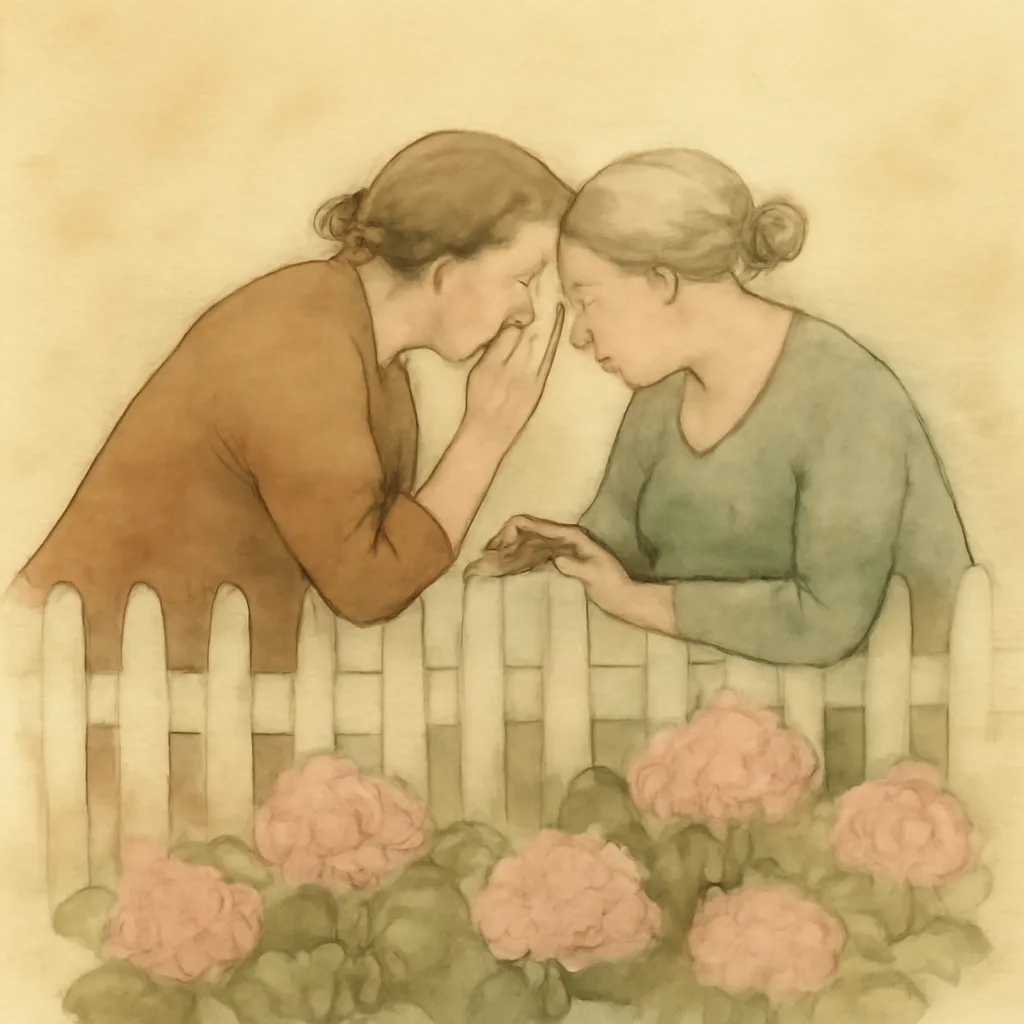
The small-town setting serves as a backdrop for exploring the intricacies of community life and the role of gossip. Susan's conversations with Mrs. Lathrop reveal how intertwined their lives are with the happenings of their neighbors. Gossip acts as both a social glue and a source of tension, as rumors circulate about Elijah's newspaper and his interactions with local women. The townspeople's reaction to Elijah's editorial choices showcases how public opinion can shape individual reputations and influence behavior. For example, when Elijah decides to publish an editorial that angers various townsfolk, Susan must navigate the fallout, demonstrating how community dynamics can complicate personal decisions. Susan navigates this landscape with wit, often using humor to deflect the weight of societal scrutiny. The community's dynamics emphasize the importance of relationships and how they influence personal choices, reflecting the broader human experience of seeking acceptance and understanding within a social fabric that often judges and critiques.
4.The Trials of Domestic Life
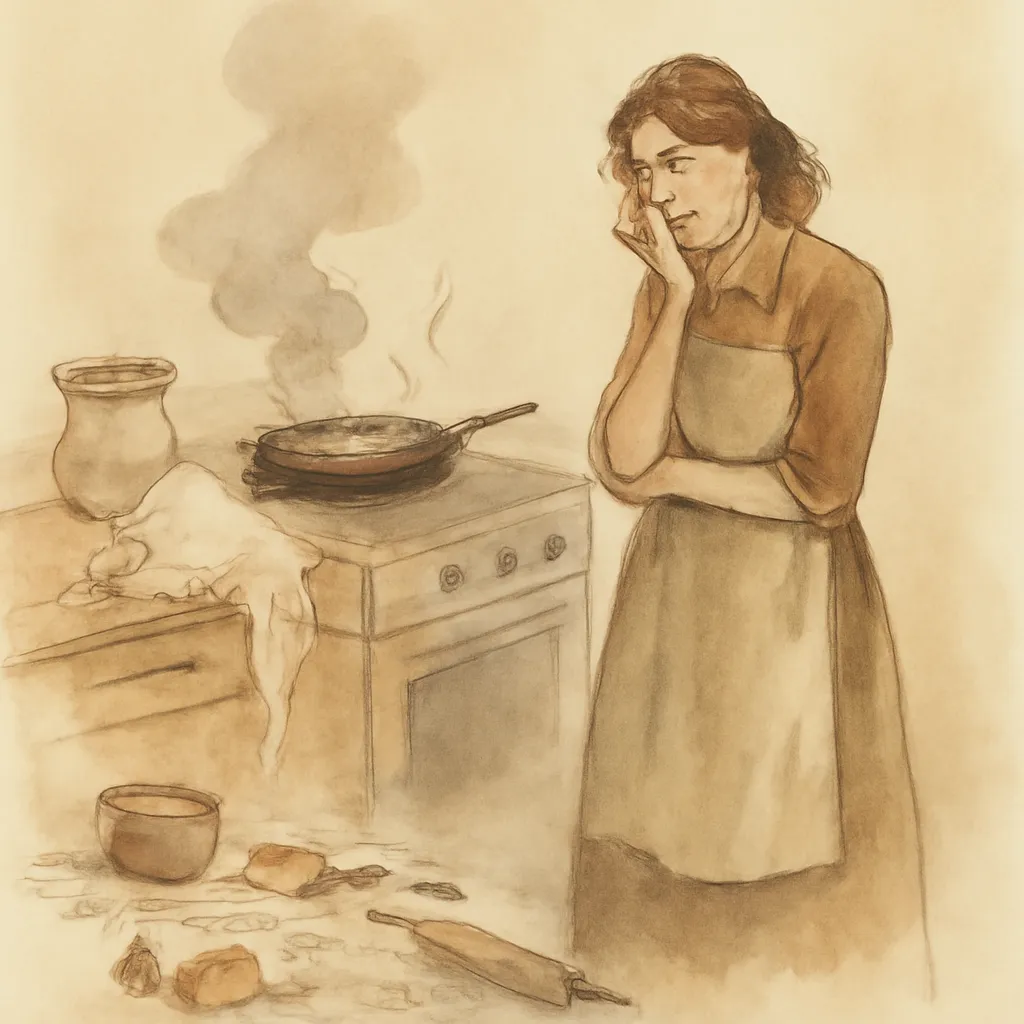
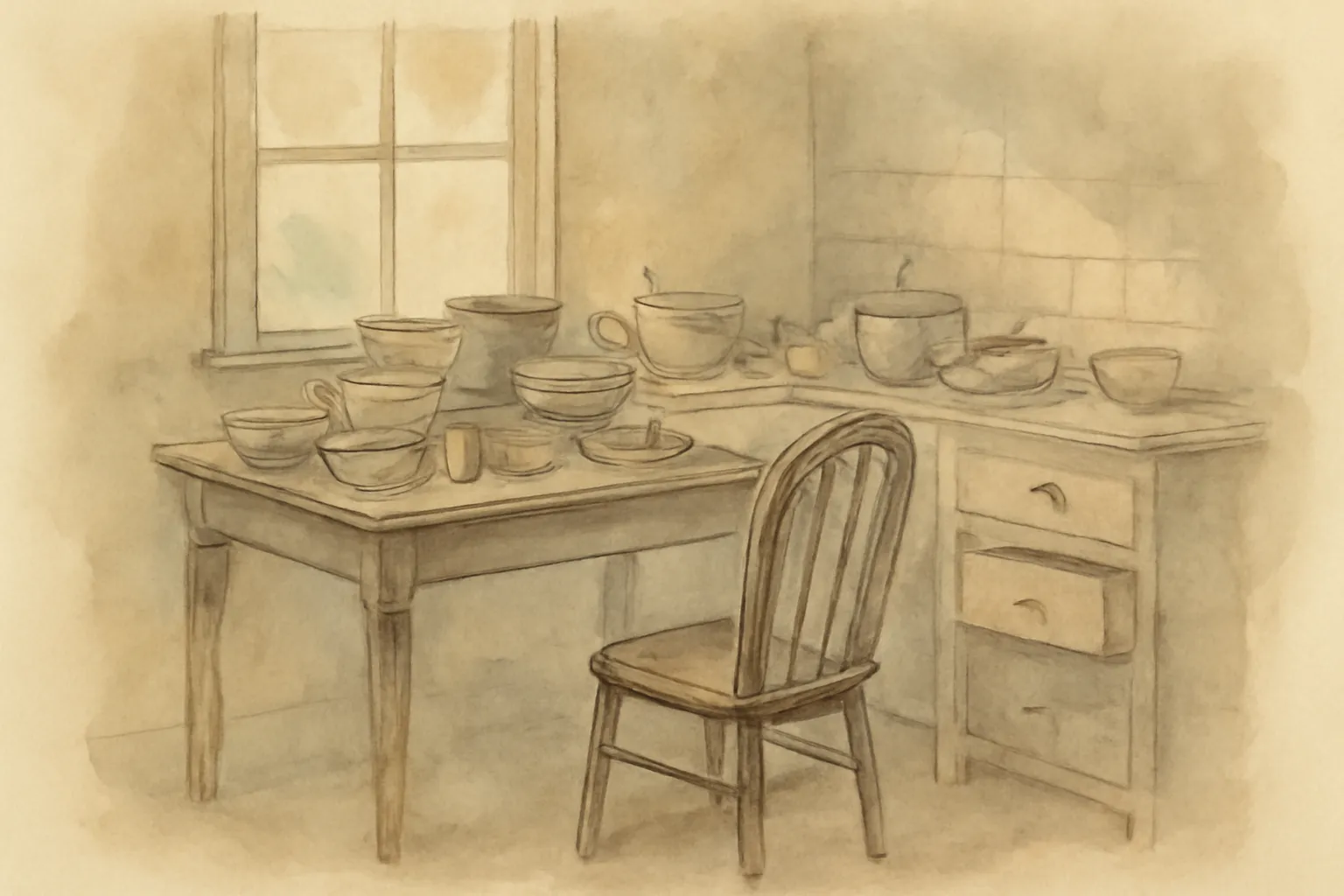
Susan's domestic challenges are emblematic of the broader struggles women face in managing household responsibilities while maintaining their identities. The story captures her exasperation with Elijah’s habits, from his messy writing space to his inconsiderate eating practices. These domestic trials are not merely inconveniences; they symbolize the societal expectations placed on women to maintain order and comfort in their homes. Susan’s frustrations reveal the emotional labor that often goes unnoticed, as she juggles cooking, cleaning, and caring for Elijah while trying to preserve her sense of self. Her reflections serve as a commentary on the often unacknowledged work that women perform within the home, highlighting the need for recognition and respect for their contributions. The narrative illustrates how these domestic responsibilities can lead to feelings of being overwhelmed, as Susan grapples with the balance between being a nurturing figure and asserting her independence.
5.The Complexity of Love and Relationships

As the narrative unfolds, Susan grapples with the complexities of love and the societal pressures surrounding relationships. Her interactions with Elijah Doxey introduce themes of attraction and the potential for romantic involvement. Despite her reservations about his suitability as a partner, Susan finds herself contemplating the implications of his affections for 'Liza Em'ly, a local girl. This subplot illustrates the tension between personal desires and societal expectations, as Susan reflects on the nature of love and companionship. Her musings reveal the ambivalence many women feel in navigating romantic relationships, particularly when faced with the possibility of losing their independence. The exploration of love in this context encourages readers to consider the balance between personal fulfillment and societal norms, as Susan must decide whether to embrace the idea of love or to continue prioritizing her independence and self-sufficiency.
6.The Burden of Creativity

Elijah's role as a newspaper editor introduces a layer of creative tension in Susan's life. His ambition to produce a quality publication often clashes with the realities of small-town journalism, leading to humorous and frustrating situations. Susan witnesses firsthand the challenges of creativity, from the pressure to meet community expectations to the struggle for originality in a saturated market. Elijah's enthusiasm for innovative ideas, such as a beauty column or an advice section, represents the desire for progress but also highlights the resistance to change within the community. Susan's responses to these ideas reflect her own struggles with creativity and the fear of stepping outside established norms. This dynamic sheds light on the broader theme of artistic expression and the societal constraints that can stifle it. Not only does Susan grapple with the implications of Elijah's creativity, but she also confronts her own desires to express herself in a society that often limits women's voices.
7.The Role of Women in Society
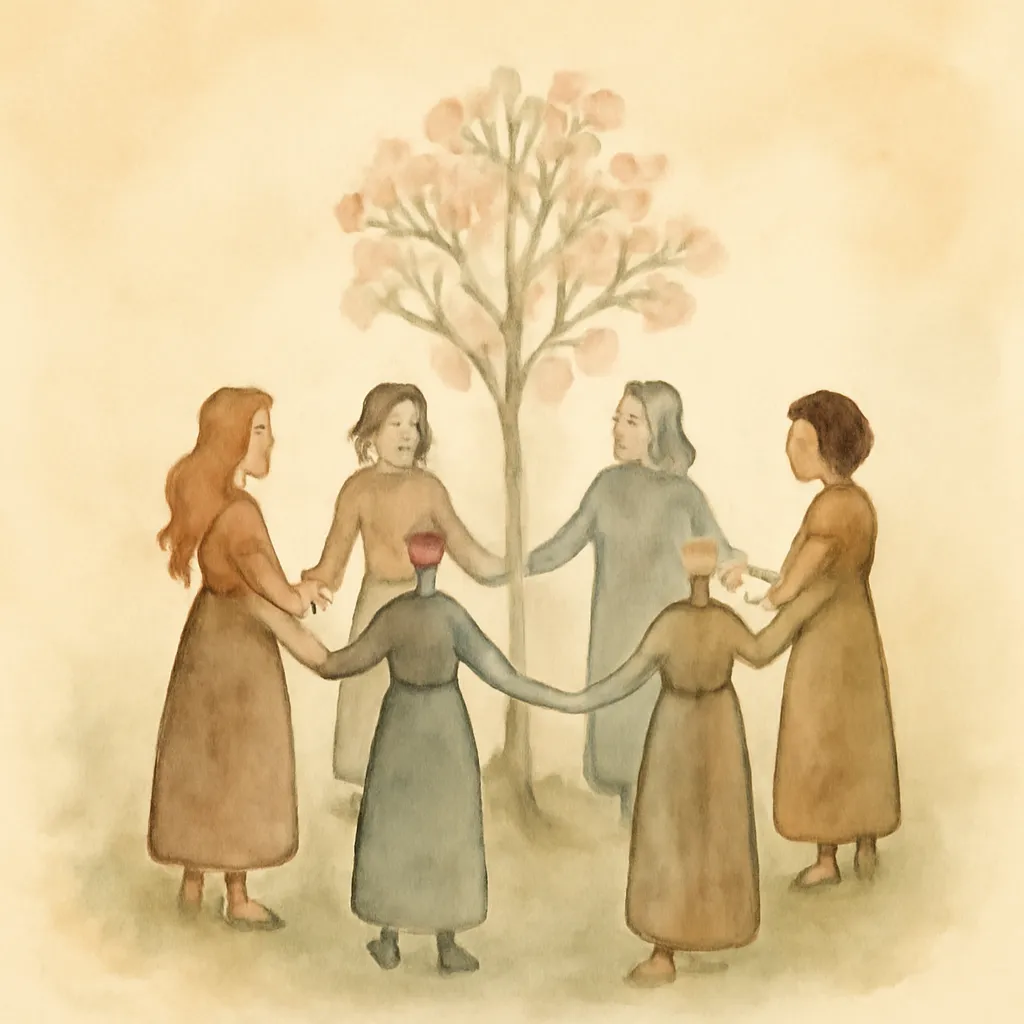
Throughout the narrative, Susan's interactions with other women, such as Mrs. Macy and Mrs. Lathrop, illuminate the evolving roles of women in their community. The women navigate their identities within the constraints of societal expectations, often finding strength and solidarity in their shared experiences. Mrs. Macy's trials during her trip to Meadville highlight the burdens women bear in fulfilling their 'duty' while seeking personal fulfillment. Susan's friendship with Mrs. Lathrop serves as a source of support and camaraderie, emphasizing the importance of female relationships in overcoming life's challenges. This exploration of women's roles encourages readers to reflect on the historical context of gender dynamics and the ongoing quest for autonomy and recognition. As Susan observes the lives of the women around her, she begins to understand the unique challenges they face and the ways they adapt to find empowerment within their circumstances.
8.Humor as a Coping Mechanism
Warner employs humor throughout the narrative as a means for Susan to cope with her circumstances. Susan's witty observations and sarcastic remarks provide comic relief amid the frustrations of daily life. For instance, her reflections on the absurdities of Elijah's behavior and the quirks of her neighbors serve to lighten the mood while also revealing deeper truths about human nature. This use of humor not only entertains but also allows Susan to process her feelings and navigate the complexities of her relationships. The comedic elements reinforce the idea that laughter can be a powerful tool for resilience, enabling individuals to face life's challenges with a lighter heart. Moreover, Susan's humor serves as a critique of societal norms, allowing her to challenge expectations while maintaining a sense of dignity and agency.
9.The Impact of Change on Tradition

As the narrative progresses, the theme of change versus tradition emerges, particularly in the context of Elijah's newspaper and his editorial decisions. Elijah's innovative ideas challenge the status quo, prompting resistance from the community that clings to traditional values. Susan's ambivalence towards these changes reflects a broader tension between the desire for progress and the comfort of familiarity. Her interactions with townsfolk reveal the fear of losing cultural identity in the face of modernization, as they grapple with the implications of change on their way of life. This theme resonates with contemporary discussions about the balance between preserving traditions and embracing innovation, inviting readers to consider their own responses to change. The conflict between Elijah's progressive vision and the town's conservative mindset illustrates the difficulties of adapting to societal shifts, further complicating Susan's understanding of her place within her community.
10.The Burden of Expectations

Susan Clegg embodies the struggle against societal expectations placed upon women, particularly in the realms of marriage and domesticity. Throughout the narrative, she confronts the pressures to conform to traditional roles while asserting her independence. The weight of these expectations is palpable in her daily life, from the way she manages her household to her interactions with Elijah and the townspeople. Susan's rejection of marriage after her father's death is a deliberate choice to prioritize her autonomy, yet she finds herself grappling with loneliness and the societal narrative that equates a woman's worth with her marital status. Her reflections on her friends’ experiences highlight the contrasting paths women take in response to these pressures, illustrating the complexity and variety of female experiences. This struggle against external expectations is a central theme in Susan's journey, prompting readers to consider the ongoing relevance of these issues in contemporary society.