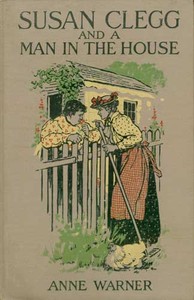

In the world of Susan Clegg, the complexities of womanhood and the absurdities of manhood collide in a humorous yet poignant exploration of domestic life
Read full overviewShow less›
Susan Clegg is a vibrant character navigating the challenges of single life after the death of her father. As she contemplates the presence of a man in her home, the narrative unfolds with a blend of humor and realism, presenting her observations about men, marriage, and societal expectations. The story captures the essence of small-town life, where the mundane becomes a source of both laughter and reflection. Through Susan's interactions with her neighbor Mrs. Lathrop and the men in her life, the book delves into themes of independence, companionship, and the often overlooked trials of womanhood. Readers will find themselves immersed in a narrative that is both relatable and insightful, providing a mirror to their own experiences of relationships and community dynamics.
Susan Clegg's journey through the trials of independence, companionship, and societal expectations offers a rich tapestry of experiences that resonate with readers across generations. Through her humorous lens, Warner navigates the complexities of womanhood, exposing the often-overlooked struggles and triumphs of daily life. The interplay of relationships, community dynamics, and personal aspirations creates a compelling narrative that encourages reflection on the roles we play in our own lives. Ultimately, 'Susan Clegg and a Man in the House' serves as a reminder of the resilience of the human spirit, the importance of connection, and the humor that can be found even in the most trying circumstances.
- 1The Burden of Independence
- 2Men: A Necessary Evil?
- 3Community and Gossip
- 4The Trials of Domestic Life
- 5The Complexity of Love and Relationships
Notable quotes
“I ain't any one to take sides, but I will say that my heart has gone out to that poor young man.”
“Seems, Mrs. Lathrop, as they're really havin' no end o' trouble over the new paper.”
“I can see since I've been down town to-day as the square was n't likely to have been no bed of roses for him yesterday.”
A glimpse inside

After her father's death, Susan Clegg embraces a life of independence, yet this autonomy comes with its own set of challenges. Read moreAfter her father's death, Susan Clegg embraces a life of independence, yet this autonomy comes with its own set of challenges. She finds solace in her solitude, but the absence of companionship raises questions about loneliness and the need for connection. Her initial rejection of marriage—having proposed to four men only to be turned down—highlights her self-reliance and strength of character. However, when faced with the prospect of men returning for her hand after discovering her newfound wealth, Susan's perspective shifts. She realizes that independence can feel isolating, prompting her to reconsider the role of a man in her life, not as a necessity but as a potential partner in navigating the complexities of existence. This internal struggle illustrates the conflict many women face between self-sufficiency and the societal expectations that often press for marriage and companionship. Show less
Susan's candid observations about men reveal her skepticism toward their role in society and her life. With humor, she critiques the men in her community, noting that hap… Read moreSusan's candid observations about men reveal her skepticism toward their role in society and her life. With humor, she critiques the men in her community, noting that happiness seems elusive for most wives she encounters. For instance, she reflects on Mrs. Fisher's discontent with her husband's eccentric pursuits and suggests that the presence of a man often complicates rather than enhances a woman’s happiness. This perspective is further illustrated through her interactions with Elijah Doxey, a young man she takes in as a boarder. While he provides companionship and a sense of purpose, his antics and demands often lead to frustration. Susan's mixed feelings about men encapsulate a broader commentary on gender dynamics, highlighting how the societal expectations of marriage and companionship can lead to dissatisfaction. Her observations present a nuanced view of masculinity that challenges the notion of men as solely providers and protectors, instead portraying them as individuals whose behavior can sometimes stifle the freedom of the women around them. Show less
Read the full text — free
About the author
Read Anne Warner's work free on Lumina — the complete text plus an 8-minute summary and key ideas, no account needed