1.The Nature of the Tao
The Tao, or 'the Way,' is an ineffable principle that transcends names and descriptions. Lao Tzu emphasizes that the true Tao cannot be fully expressed in words or concepts; it is the source of all existence and the essence of life itself. The text illustrates that the Tao is both the origin of heaven and earth and the mother of all things, suggesting a profound interconnectedness in the universe. By recognizing the limitations of language and understanding, individuals can begin to experience the deeper mysteries of existence. To grasp the nature of the Tao, one must cultivate a state of desirelessness and openness, allowing for a deeper connection to the world around them.
2.Duality and Balance
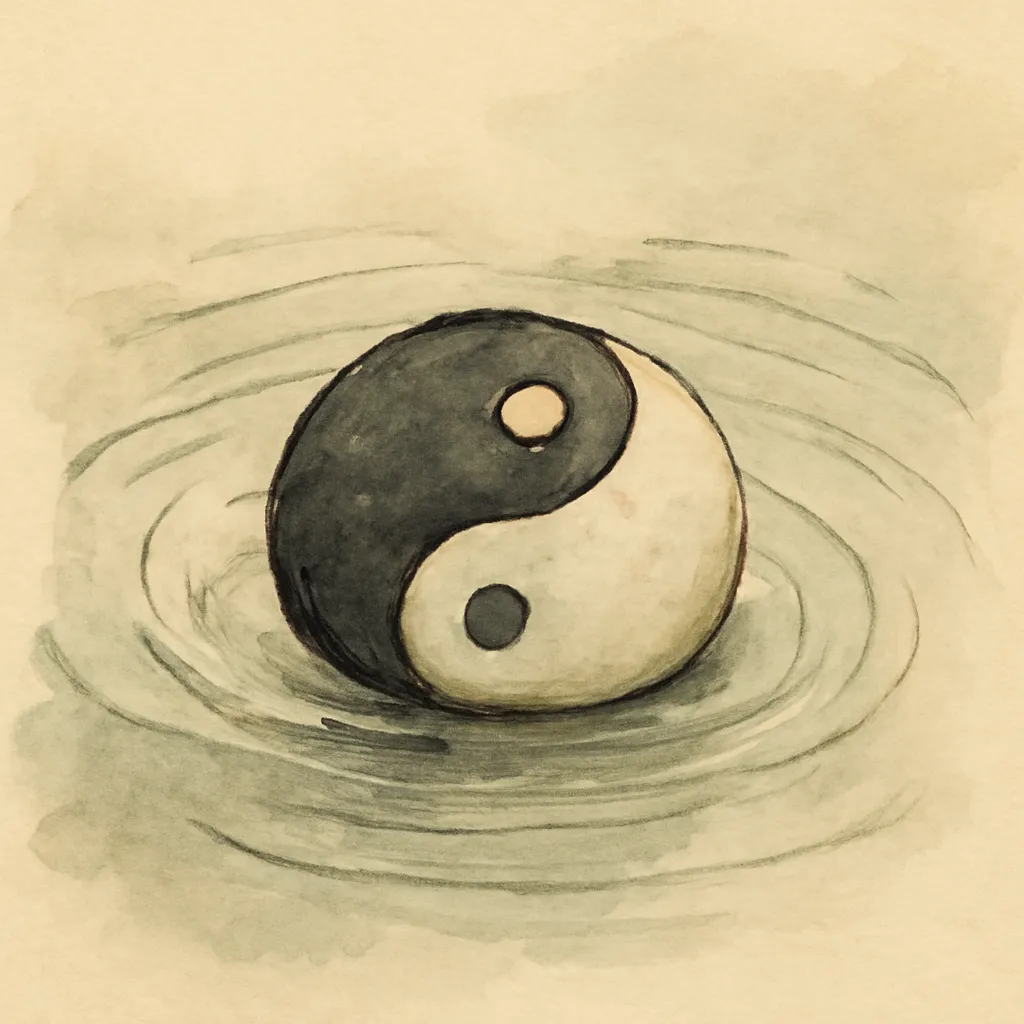
One of the central themes in the Tao Te Ching is the concept of duality and the interplay of opposites. Lao Tzu points out that beauty is understood through the lens of ugliness, and the concepts of difficulty and ease are interdependent. This duality is not a conflict but rather a necessary balance that sustains life. Everything exists in relation to its opposite, creating a harmonious dance of existence. For instance, without darkness, there can be no light; without weakness, there can be no strength. This understanding encourages individuals to embrace both sides of their experiences, recognizing that challenges often lead to growth and deeper understanding. By accepting the transient nature of all things, one can cultivate a state of inner peace and harmony.
3.Simplicity and Non-Action
Lao Tzu advocates for simplicity and the practice of 'wu wei,' or non-action, as a means to align with the Tao. This does not imply passivity, but rather an approach that seeks to act in accordance with the natural flow of life. By letting go of excessive desires and ambitions, individuals can find a more profound sense of contentment and effectiveness. The sage's wisdom lies in knowing when to act and when to refrain from action, thus avoiding unnecessary strife. In a world that often values aggressive pursuit of goals, the Tao Te Ching reminds us that true strength comes from stillness and a deep understanding of the present moment. This principle can be applied to leadership, relationships, and personal endeavors, allowing for a more harmonious existence.
4.The Role of the Sage
The sage, or wise person, embodies the principles of the Tao and serves as a model for others. Unlike rulers who rely on force and coercion, the sage leads through humility, compassion, and wisdom. Lao Tzu emphasizes that a true leader does not impose their will but instead cultivates an environment where people can thrive naturally. By emptying their minds of excessive knowledge and desire, the sage maintains clarity and insight, allowing for effective governance without conflict. The sage's approach is marked by a deep respect for the natural order of things, recognizing that the best way to guide others is through example rather than authority. This perspective invites leaders to reconsider their methods and motivations, fostering a more peaceful and cooperative society.
5.The Illusion of Control
Lao Tzu warns against the illusion of control and the dangers of trying to manipulate outcomes. The text illustrates that efforts to seize power or impose one's will often lead to failure and suffering. Instead, the Tao teaches that true mastery comes from understanding and accepting the natural ebb and flow of life. Those who seek to dominate or control others ultimately find themselves at odds with the Tao, leading to conflict and unrest. By relinquishing the need for control, individuals can find greater freedom and harmony. This principle applies not only to personal relationships but also to societal structures, encouraging a shift towards cooperation and consensus rather than competition and conflict.
6.Embracing the Present
The Tao Te Ching encourages individuals to embrace the present moment as the key to a fulfilling life. Lao Tzu reminds us that the future is uncertain and that clinging to past experiences can lead to dissatisfaction. By focusing on the here and now, individuals can cultivate a sense of peace and contentment. The text illustrates that life flows like a river, constantly changing and evolving, and that resisting this flow only leads to struggle. This perspective invites readers to practice mindfulness and to find joy in the simple, everyday moments. By letting go of regrets and anxieties about the future, one can fully engage with life and discover its inherent beauty.
7.The Paradox of Strength and Weakness
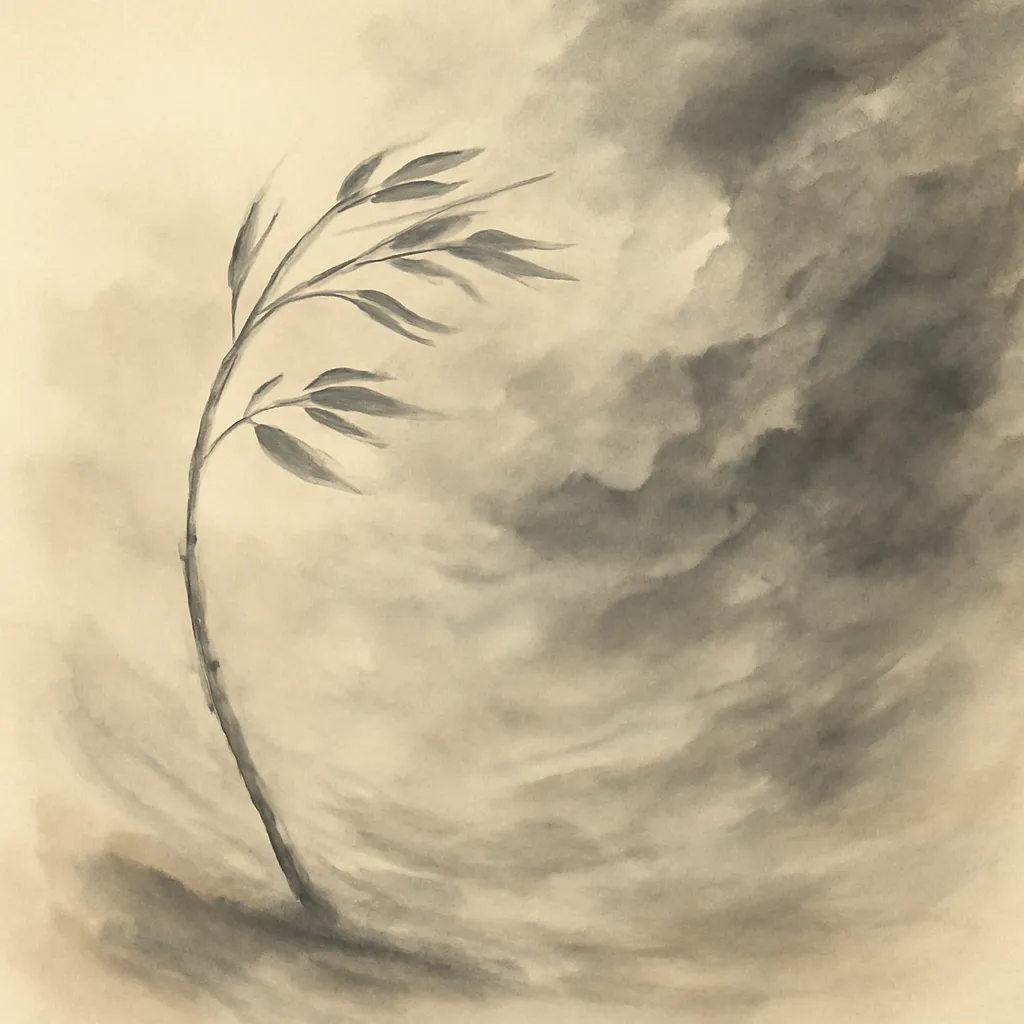
Lao Tzu presents a paradoxical view of strength and weakness, suggesting that true power lies in softness and humility. The text illustrates that the soft and yielding can overcome the hard and unyielding, reflecting the principle that flexibility and adaptability are keys to resilience. This notion challenges conventional views of strength, emphasizing that those who are gentle and non-contentious often achieve greater success. By embodying qualities such as compassion and understanding, individuals can navigate life's challenges with grace and effectiveness. This idea encourages a reevaluation of personal values, promoting the understanding that vulnerability can be a source of strength rather than a weakness.
8.The Importance of Humility
Humility is a recurring theme throughout the Tao Te Ching, serving as a foundational virtue for those who wish to embody the Tao. Lao Tzu illustrates that true greatness comes from recognizing one’s limitations and maintaining a sense of modesty. The sage does not seek recognition or accolades; instead, they find fulfillment in serving others and upholding the principles of the Tao. This perspective invites individuals to reconsider their pursuit of success and status, encouraging a focus on inner growth and the welfare of others. By practicing humility, one can cultivate genuine relationships and foster a sense of community, ultimately leading to a more harmonious existence.
9.Nature as a Teacher
The Tao Te Ching frequently draws upon nature as a source of wisdom and guidance. Lao Tzu emphasizes that observing the natural world can provide profound insights into the workings of the Tao. Nature operates in accordance with its own rhythms and cycles, demonstrating the importance of balance and harmony. By learning from the way nature unfolds, individuals can align themselves with the Tao, embracing simplicity and authenticity. This connection to nature encourages a deeper appreciation for the environment and a recognition of humanity's role within it. The teachings of the Tao invite readers to cultivate a sense of stewardship for the earth, fostering a sustainable and respectful relationship with the natural world.