1.The Duality of Genius: Agony and Ecstasy
Stone’s title encapsulates the central theme: Michelangelo’s creative life was marked by both excruciating struggle and transcendent joy. The novel explores how his relentless pursuit of perfection brought both suffering—physical, emotional, and spiritual—and moments of rapture when vision and execution aligned. Stone shows that genius is not a gift without cost, but a force that demands everything from its possessor.
2.Art as a Calling, Not a Career
For Michelangelo, art is not simply a profession, but a sacred vocation. Stone portrays the artist’s near-religious devotion to his work, often at the expense of comfort, relationships, and even health. The book invites readers to consider the difference between working for a living and living for one’s work, and the sacrifices true passion can require.
3.The Artist Versus Power
Set against the backdrop of Renaissance Italy, the novel highlights the fraught relationship between artists and those who hold political, religious, or financial power. Michelangelo’s commissions from the Medici, popes, and city officials are laced with intrigue, manipulation, and compromise. Stone explores how creative vision must constantly negotiate with the demands and whims of patrons.
4.The Search for Artistic Truth
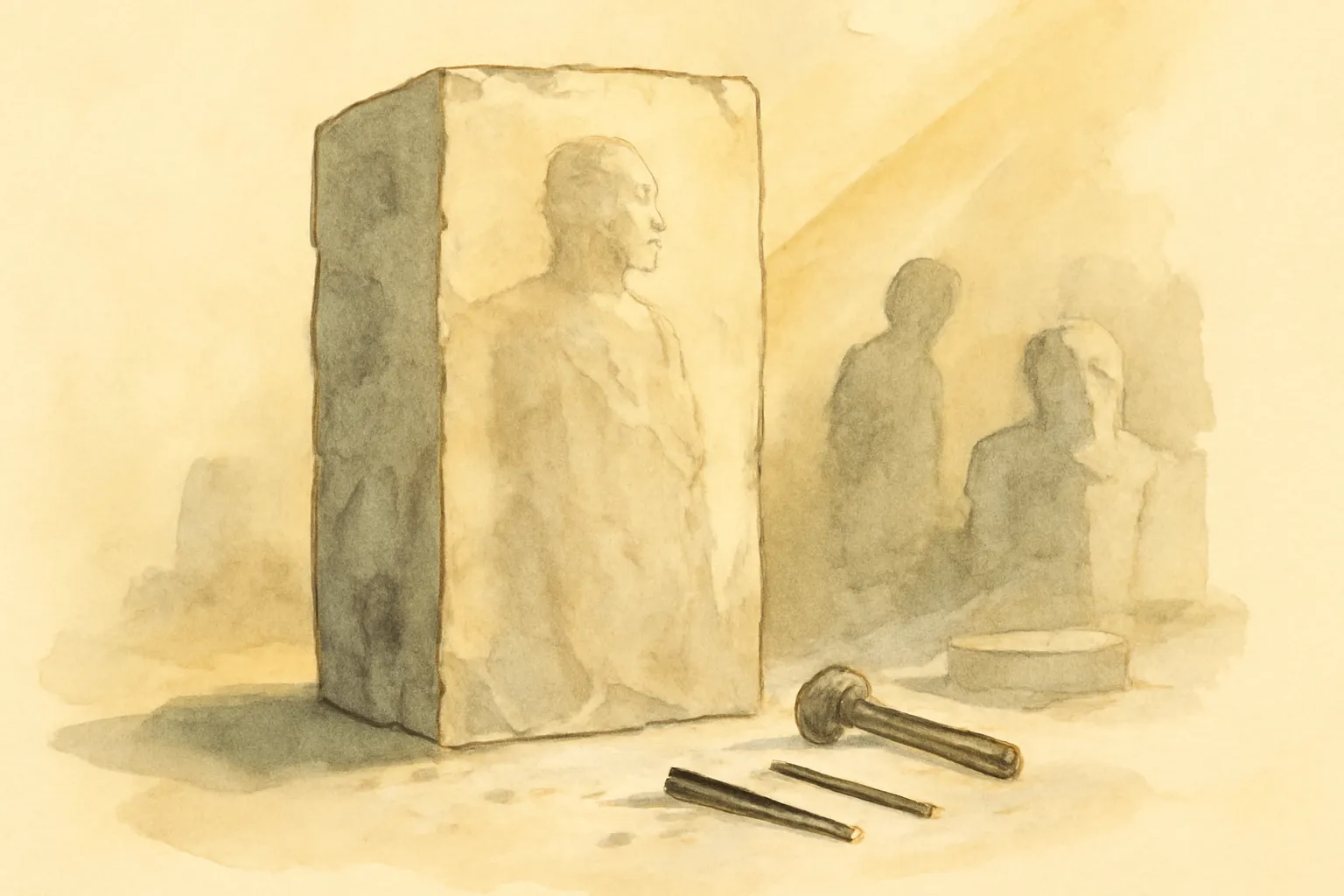
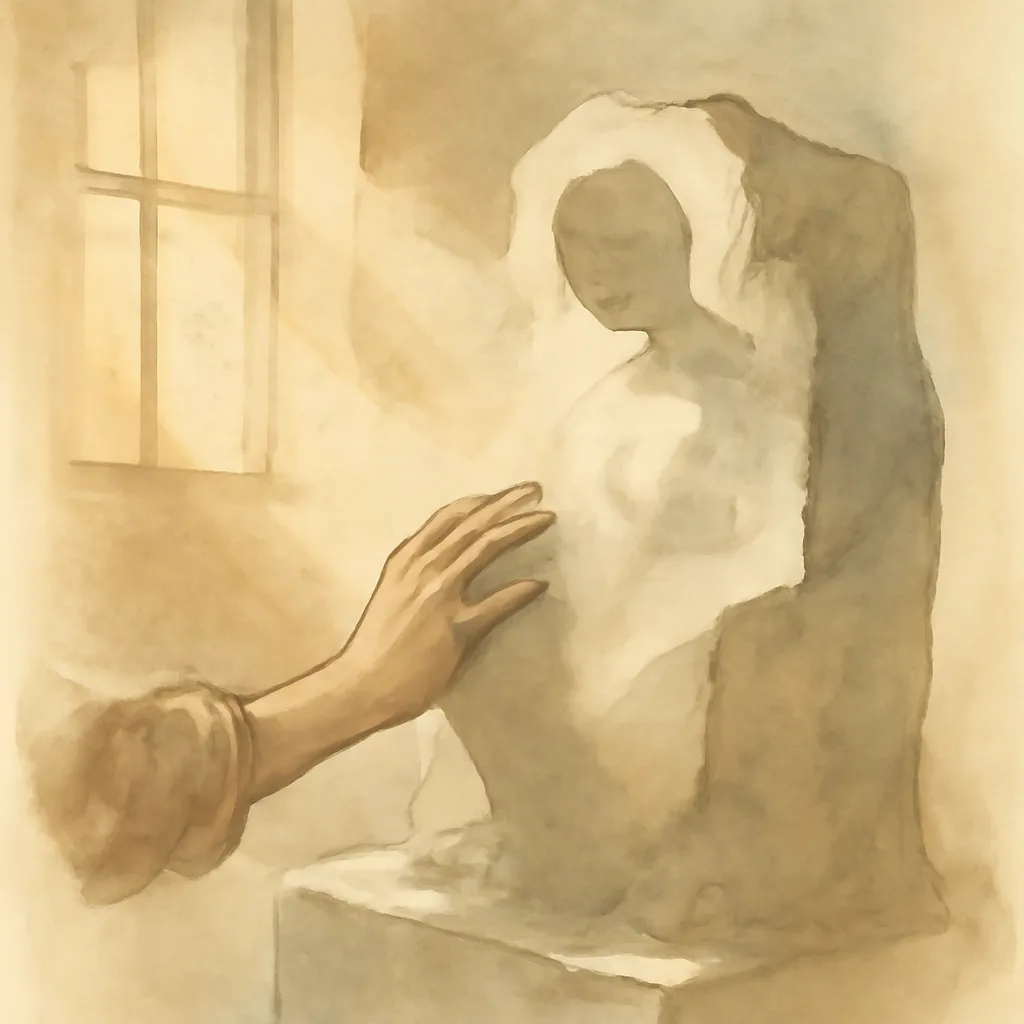
Stone delves deeply into Michelangelo’s obsessive quest to uncover the ‘truth’ within stone or paint—the hidden form that only the artist can reveal. This theme is embodied in his approach to sculpture, where he famously believed the figure already existed within the marble, waiting to be freed. The novel becomes a meditation on the nature of artistic insight and the courage to pursue one’s own vision.
5.Humanity, Solitude, and Relationships
Despite his fame, Michelangelo is depicted as a solitary, often misunderstood figure. Stone explores the tension between the artist’s need for isolation to create and his longing for connection, whether with family, lovers, or rivals. The book suggests that greatness can be both isolating and deeply humanizing, as Michelangelo’s relationships shape—and are shaped by—his art.
6.The Renaissance as a Living World
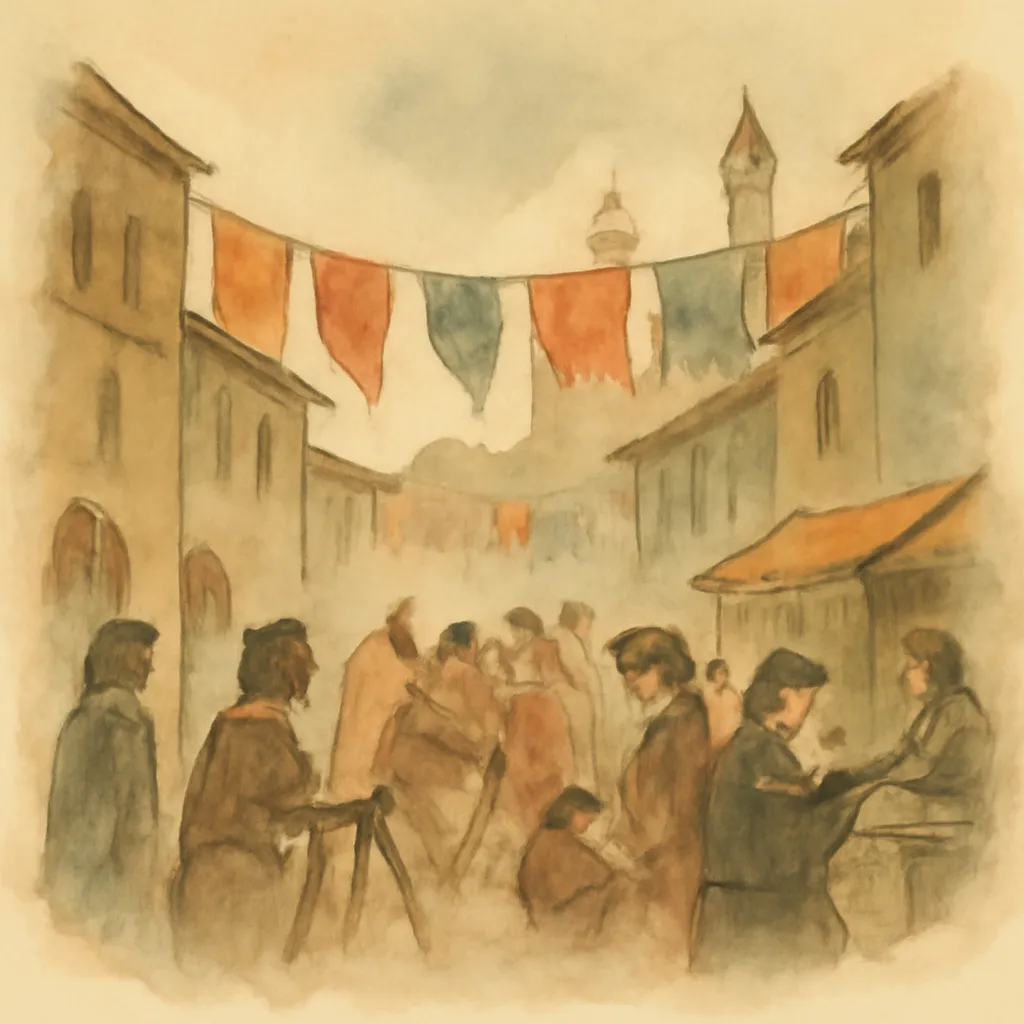
Stone’s meticulous research brings Renaissance Florence and Rome to life, not just as backdrops but as dynamic societies teeming with political intrigue, religious upheaval, and artistic innovation. Readers gain insight into how the era’s turbulence both hindered and inspired Michelangelo, making the novel as much a social history as a personal one.