

Fiction · Artists · Biography
The Agony and the Ecstasy by Irving Stone — Summary, Key Ideas & Quotes
1958710 pages✦ 3-min Big ideas★ 4.1 (12)
Rate it
Mr. Stone gives his signature style and thought to this story of Michelangelo. He points out often in this book that Michelangelo, before beginning a work, asks what it is he is trying to capture in the moment of his painting, sculpture, or poem. So it is with Mr. Stone. He wants to portray, as close as he can find, the moments of the life of this artist. What shaped him, what he loved, what (and whom) he hated. At the moments Stone writes of. A great book, and one I hope to read again.
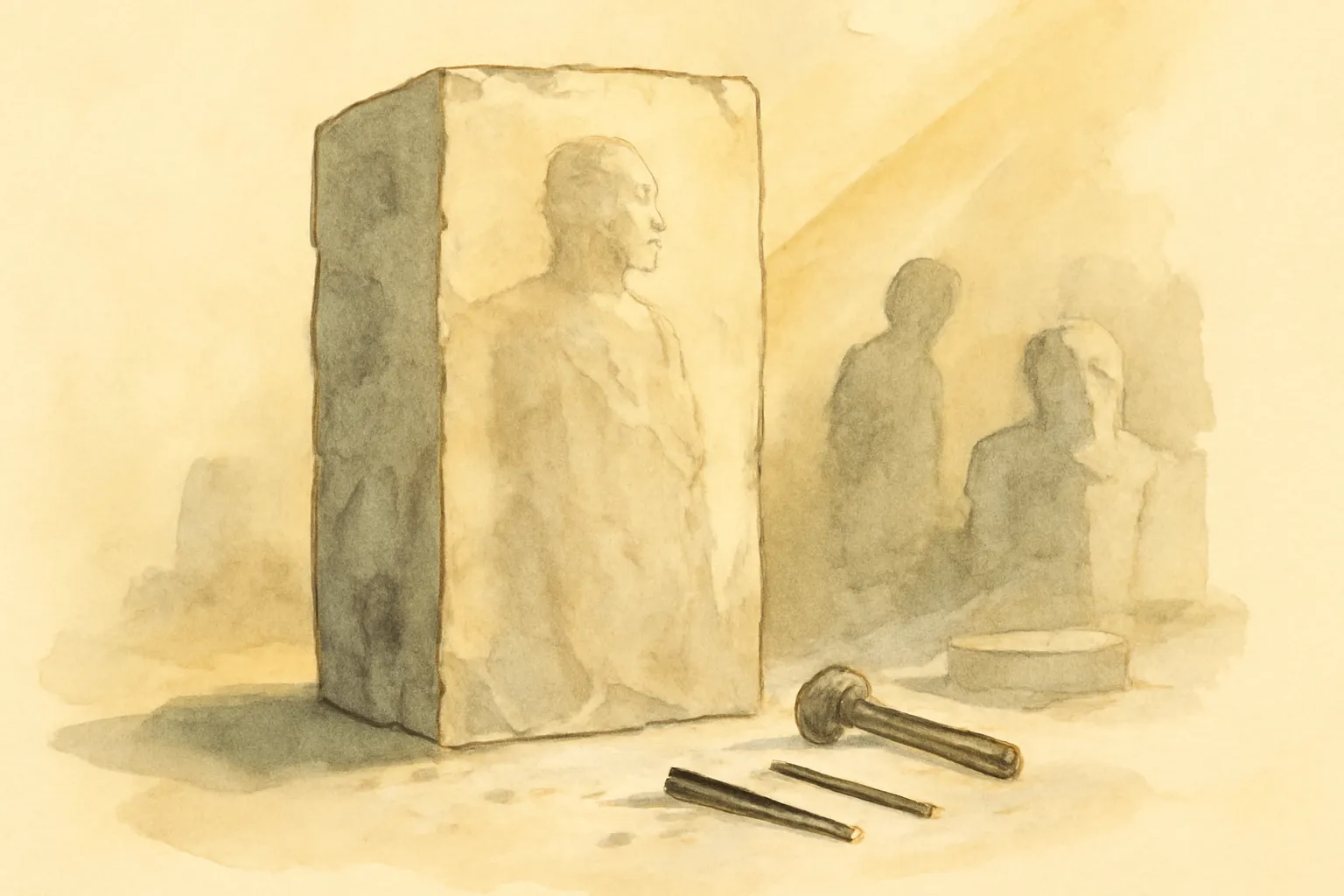
Stone’s title encapsulates the central theme: Michelangelo’s creative life was marked by both excruciating struggle and transcendent joy. The novel explores how his relentless pursuit of perfection brought both suffering—physical, emotional, and spiritual—and moments of rapture when vision and execution aligned. Stone shows that genius is not a gift without cost, but a force that demands everything from its possessor.
For Michelangelo, art is not simply a profession, but a sacred vocation. Stone portrays the artist’s near-religious devotion to his work, often at the expense of comfort, relationships, and even health. The book invites readers to consider the difference between working for a living and living for one’s work, and the sacrifices true passion can require.
“Talent is cheap; dedication is expensive. It will cost you your life.”
“I saw the angel in the marble and carved until I set him free.”