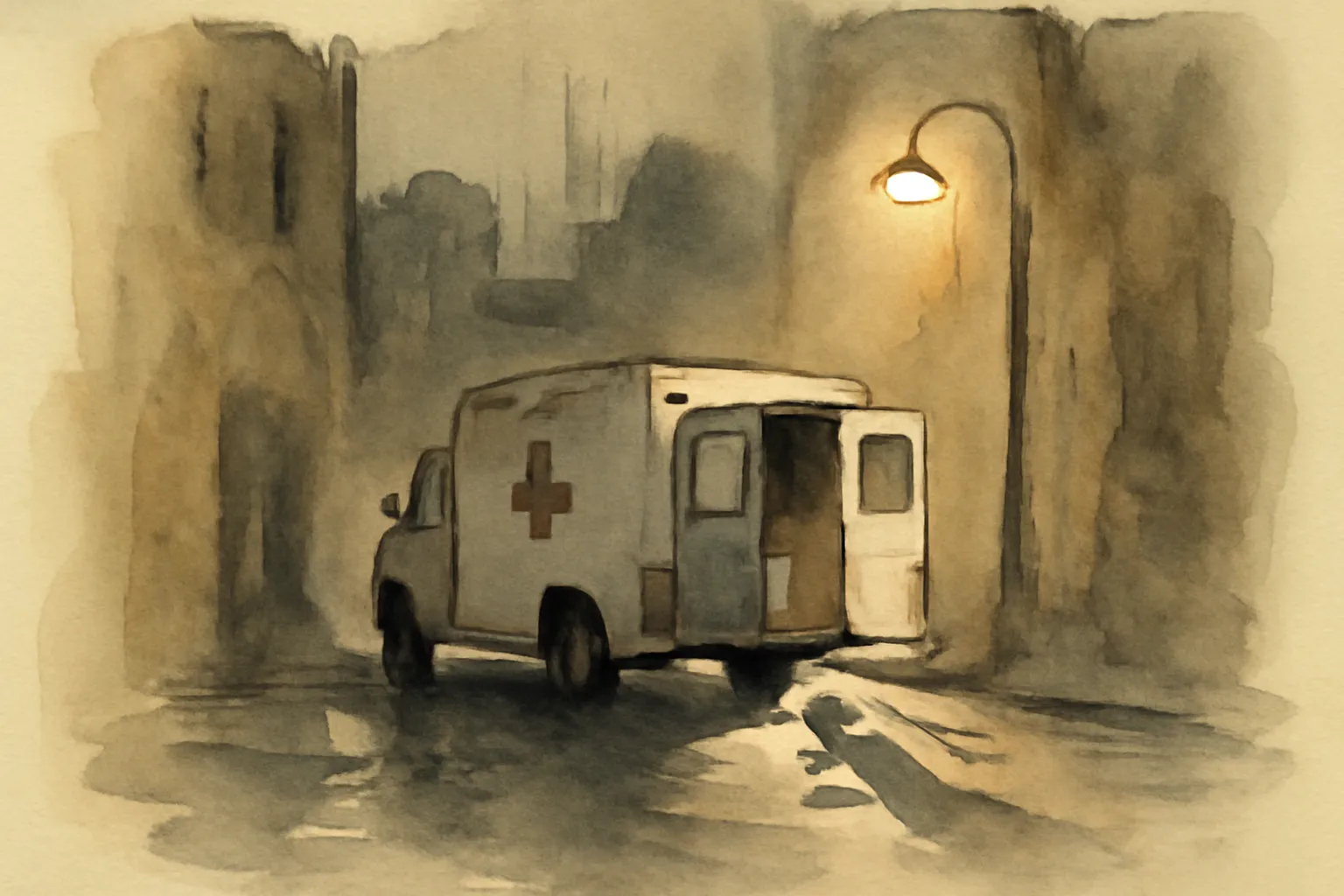
1.The Power of Corruption
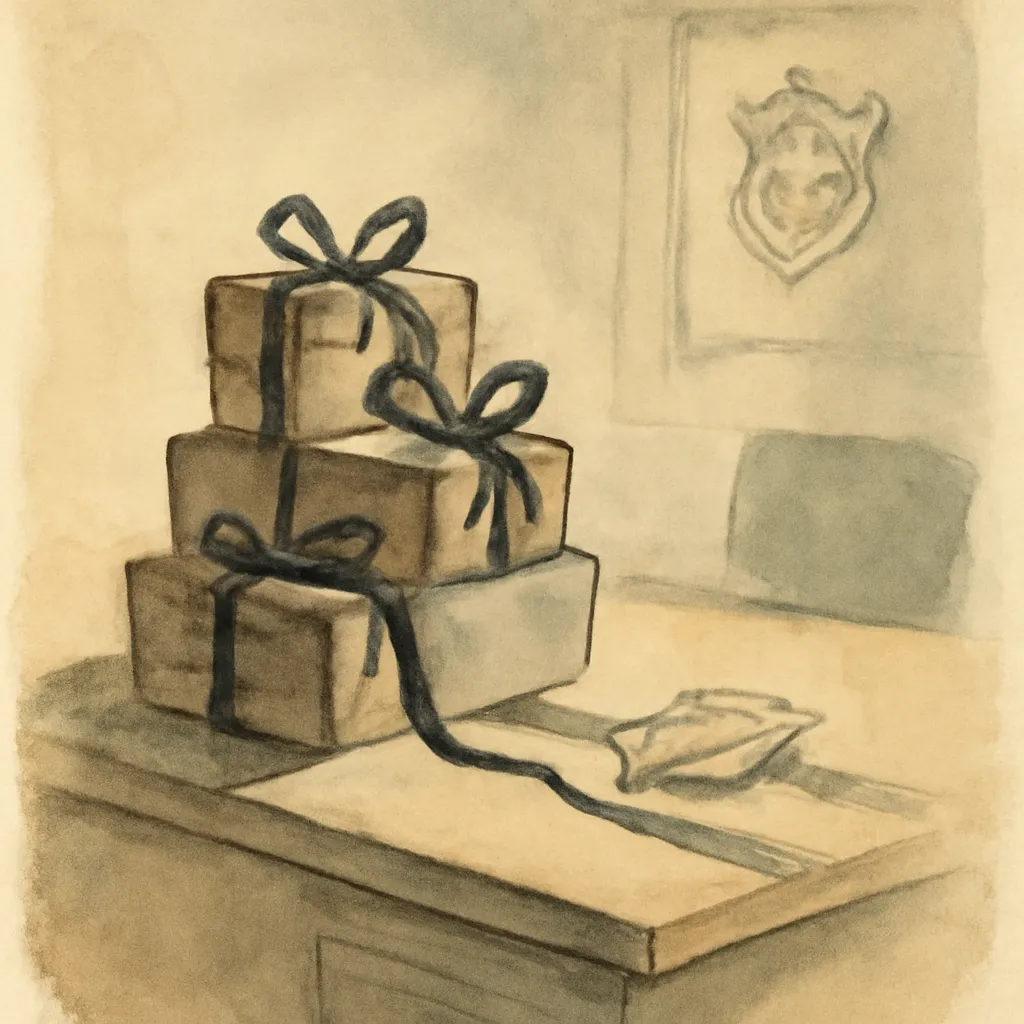
Corruption seeps into the very fabric of society, as exemplified by the anonymous gifts Detective Sergeant Fitzgerald receives. These gifts, although not outright bribes, serve to erode the resolve of those who receive them. Fitzgerald realizes that the gifts influence the police force's attitude toward Big Jake, softening their indignation against him. The meerschaum pipe, a symbol of temptation, reflects Fitzgerald's struggle against the insidious nature of corruption. Without direct coercion, the gifts create a sense of indebtedness that undermines the integrity of the recipients. The narrative effectively illustrates how corruption can flourish under the guise of generosity, making it difficult for individuals to resist the allure of easy favors. Fitzgerald's choice to donate the gifts to an orphanage shows his commitment to maintaining his integrity, yet it also highlights the broader issue of moral compromise faced by officers in a corrupt system. The author's depiction of this moral landscape serves as a cautionary tale, reminding readers that corrupt influences can manifest in subtle ways, compelling individuals to reevaluate their values and priorities.
2.The Role of Fear
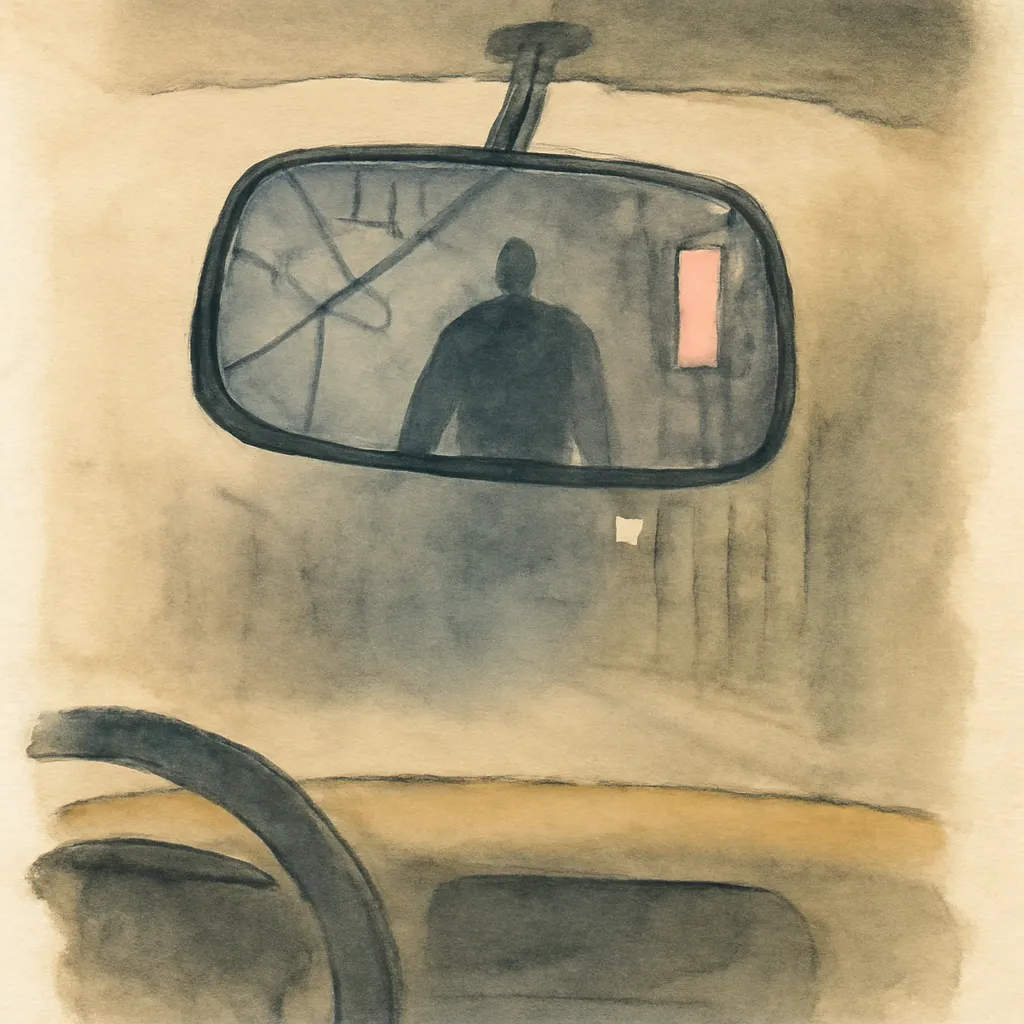
Fear is a powerful motivator in the world of crime, as seen in Fitzgerald's interactions with the cab driver and restaurant owner who refuse to speak out against Big Jake's threats. The cab driver, gripped by the fear of retaliation, refuses to cooperate with Fitzgerald despite the obvious wrongdoing that has occurred. This creates a chilling atmosphere where victims of crime are silenced, and the corrupt can operate unchecked. Fitzgerald’s frustration grows as he witnesses how fear paralyzes the community, allowing criminals to thrive in an environment devoid of accountability. The mere suggestion of violence from Big Jake's henchmen instills a deep-seated dread that prevents individuals from standing up for their rights. The narrative reveals a stark truth: when fear overrides the pursuit of justice, the cycle of crime continues unchallenged. Leinster expertly portrays fear as a tool of control, emphasizing how it can stifle the voices of those who might otherwise seek justice. By highlighting the dynamics of fear, readers are compelled to consider how systems of oppression can flourish in silence, and how overcoming fear is crucial not only for individual empowerment but for the restoration of justice within a community.
3.The Complexity of Justice
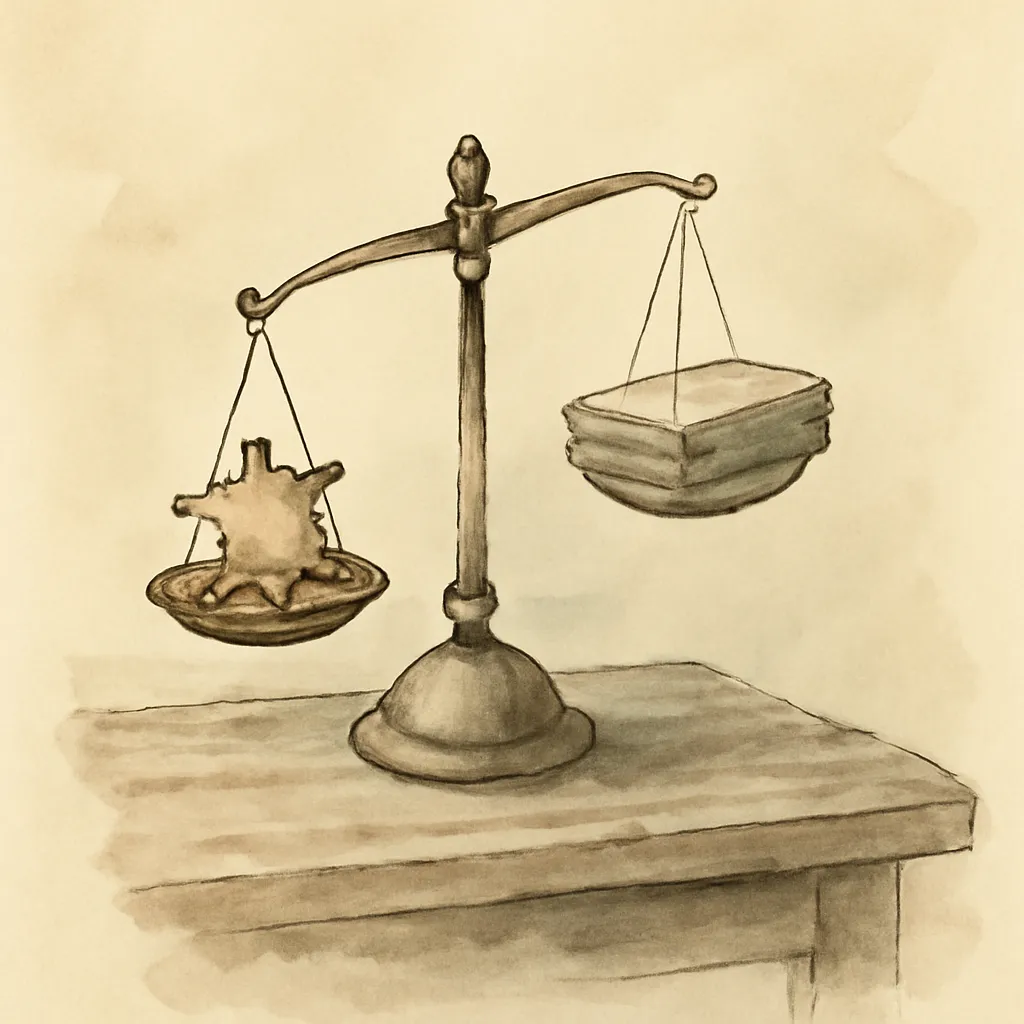
Detective Sergeant Fitzgerald embodies the struggle to achieve justice in a corrupt environment. His moral compass is tested as he navigates the complicated landscape of law enforcement, where the lines between right and wrong blur. Fitzgerald's determination to uphold the law clashes with the reality of a system that seems to favor the powerful. His interactions with fellow officers reveal a growing concern that their integrity is eroding under the influence of Big Jake. This tension illustrates that the pursuit of justice is fraught with challenges, as Fitzgerald grapples with the implications of pursuing an adversary who has the resources to thwart law enforcement efforts. Leinster delves into the ethical dilemmas faced by officers when their values are put to the test. The narrative invites readers to reflect on the nature of justice itself, questioning whether it can ever be truly achieved when those tasked with enforcing it are compromised. Fitzgerald’s journey serves as a reminder that justice is not merely a matter of applying the law but requires a nuanced understanding of the complexities of human behavior, societal pressures, and moral choices.
4.The Impact of Generosity
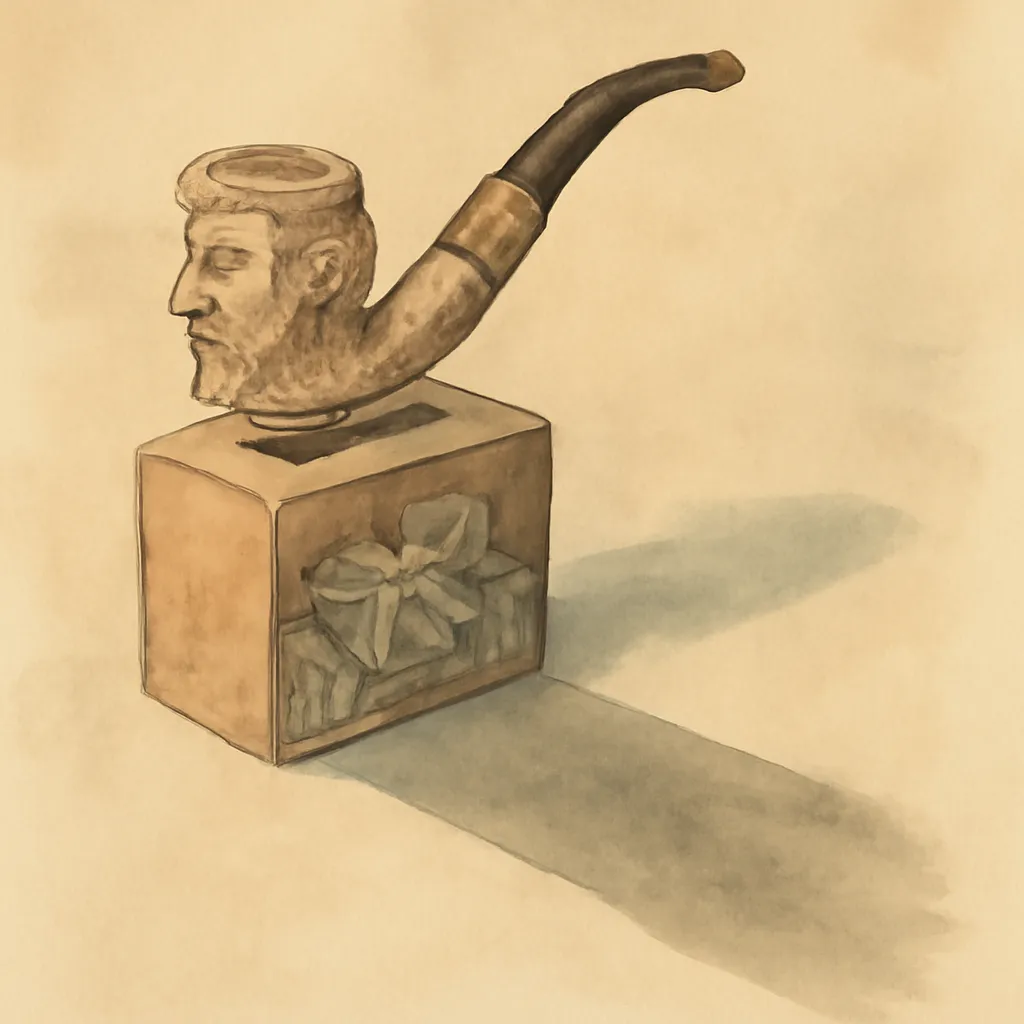
The seemingly innocent act of generosity becomes a double-edged sword in Fitzgerald's world. The gifts he discovers, including the meerschaum pipe, symbolize how kindness can be weaponized to manipulate and control. While Fitzgerald's intentions are noble—donating the gifts to an orphanage—he recognizes the insidious nature of these gestures. They are designed to create a sense of indebtedness that ultimately undermines the integrity of those who receive them. The head of the orphanage's admission that the volume of gifts has declined speaks volumes about the changing landscape of morality in the community. This exploration of generosity highlights the often-hidden motives behind acts of kindness, prompting readers to question the true cost of such gifts and whether genuine altruism can coexist with ulterior motives. Leinster challenges the reader to consider how generosity can be used as a façade to mask deeper issues of corruption and complicity. The narrative serves as a critical examination of how societal expectations can distort the meaning of generosity, urging readers to scrutinize the motivations behind seemingly benevolent actions.
5.The Illusion of Control
Fitzgerald's investigation reveals the illusion of control that Big Jake exerts over the community. The detective’s encounters with cab drivers and restaurant owners illustrate how the threat of violence looms large, forcing individuals into submission. The cab driver’s refusal to cooperate, despite the obvious wrongdoing, underscores the chilling reality that fear can render people powerless. Fitzgerald’s growing unease as he investigates various crimes illustrates the psychological toll that violence takes on both victims and law enforcement. The narrative captures the cyclical nature of violence, where acts of aggression beget further aggression, creating a toxic environment. Leinster’s portrayal of violence serves as a stark reminder of its pervasive impact and the urgent need for intervention to break the cycle. The story ultimately asks whether true control can ever be established in an environment where fear and violence dictate the terms of engagement. It raises critical questions about how authority is exercised and whether the law can truly protect those it serves when its legitimacy is undermined by corruption.
6.The Importance of Integrity

Integrity emerges as a central theme as Fitzgerald strives to maintain his moral compass amid rampant corruption. His disdain for the gifts and his commitment to the orphanage reflect a steadfast dedication to doing what is right, even when faced with overwhelming pressure. Fitzgerald’s interactions with his fellow officers reveal a growing concern that their integrity is eroding under the weight of Big Jake’s influence. The narrative emphasizes that integrity is not merely a personal trait but a collective responsibility that can be compromised when individuals prioritize self-interest over communal well-being. As Fitzgerald navigates the complexities of his environment, he faces the temptation to bend the rules for personal gain or self-preservation. Leinster underscores the notion that maintaining integrity often involves difficult choices and personal sacrifice. The tension between self-preservation and moral courage is palpable throughout the story. Fitzgerald’s journey serves as a reminder of the importance of upholding integrity, especially in challenging circumstances, and the consequences of failing to do so for both individuals and the community at large. Readers are left to ponder the sacrifices necessary to uphold one’s principles in an increasingly corrupt world.
7.The Nature of Violence

Violence is depicted as an ever-present threat, shaping the lives of those in Fitzgerald's world. The incident involving the cab crashing into a plate-glass window highlights the potential for violence to erupt at any moment, leaving destruction in its wake. Fitzgerald’s growing unease as he investigates various crimes illustrates the psychological toll that violence takes on both victims and law enforcement. The narrative captures the cyclical nature of violence, where acts of aggression beget further aggression. This creates an atmosphere of fear that inhibits cooperation and fosters a sense of hopelessness among community members. Leinster uses violence not only as a plot device but as a thematic element that underscores the pervasive impact of crime on the human psyche. It forces readers to confront the question of how society can break free from this cycle of violence and restore a sense of safety and justice. The story serves as a stark reminder of the consequences of unchecked aggression and the urgent need for proactive measures to address the root causes of violence in communities.
8.The Role of Community

Community plays a crucial role in the fight against corruption, as demonstrated by Fitzgerald's efforts to rally support among his fellow officers. However, the pervasive influence of Big Jake creates a rift within the community, making it difficult for individuals to unite against a common enemy. Fitzgerald’s interactions reveal a sense of isolation among those who feel powerless in the face of corruption. The narrative underscores the importance of solidarity in overcoming adversity, suggesting that collective action is necessary to confront powerful adversaries. Fitzgerald's struggle to inspire his colleagues to take a stand against injustice illustrates the challenges of building a cohesive community in the face of overwhelming fear and corruption. Leinster emphasizes that a united community can become a formidable force against crime, but it requires courage, trust, and a willingness to confront uncomfortable truths. The story ultimately advocates for the necessity of community engagement and collaboration in restoring justice and reclaiming freedom from the grips of corruption.
9.The Dangers of Complacency

Complacency emerges as a significant barrier to justice, as Fitzgerald observes the apathy of those around him. Many individuals choose to turn a blind eye to Big Jake's activities, believing that inaction is safer than challenging the status quo. This sense of complacency serves to empower criminals, allowing them to operate unchecked. Fitzgerald’s frustration with his peers reflects a broader societal issue where fear and indifference inhibit progress. The narrative warns against the dangers of complacency, urging readers to recognize the role they play in either perpetuating or challenging injustices in their own communities. Leinster suggests that complacency is a form of complicity, where the failure to act can have dire consequences. The story serves as a call to action, reminding readers that vigilance and active participation are crucial in the fight against corruption and crime. It emphasizes that complacency is not an option when justice is at stake, and that every individual has a role in advocating for a just society.