
A gritty tale of crime and justice where the line between right and wrong blurs in the face of corruption
Read full overviewShow less›
In 'The Ambulance Made Two Trips,' Murray Leinster explores the murky waters of crime and morality through the eyes of Detective Sergeant Fitzgerald, who grapples with the insidious influence of a local racketeer, Big Jake Connors. As Fitzgerald navigates a landscape rife with anonymous gifts and veiled threats, he must confront the ethical dilemmas that come with fighting a powerful adversary. The story delves into themes of integrity, corruption, and the lengths one must go to uphold justice in a world where loyalty can be bought and fear reigns supreme. Readers will find themselves immersed in a gripping narrative that challenges the notion of what it means to be a good cop in a bad town, forcing them to examine the complexities of morality in the face of overwhelming pressure and temptation.
Murray Leinster's 'The Ambulance Made Two Trips' serves as a poignant exploration of the complexities of morality, justice, and the pervasive influence of corruption in society. Through the experiences of Detective Sergeant Fitzgerald, readers are invited to reflect on the challenges faced by those who seek to uphold justice in the face of fear and violence. The narrative underscores the importance of integrity, community, and active resistance against complacency as essential components in the fight against corruption. Ultimately, the story reminds us that while the battle against crime may be fraught with difficulties, the pursuit of justice is a noble endeavor that requires unwavering commitment and solidarity. In a world that often prioritizes self-interest over communal well-being, Fitzgerald's journey serves as a testament to the power of resilience and the enduring human spirit.
- 1The Power of Corruption
- 2The Role of Fear
- 3The Complexity of Justice
- 4The Impact of Generosity
- 5The Illusion of Control
Notable quotes
“I don't suppose, said Fitzgerald morbidly, that any of your kids will smoke this pipe, but I want to be rid of it and for somebody to know.”
“A man likes credit, but he likes a lot better to get a good job done!”
“He's a very violent man, he said hopefully. I wouldn't wonder he tried to get pretty rough—him and the characters he has on his payroll.”
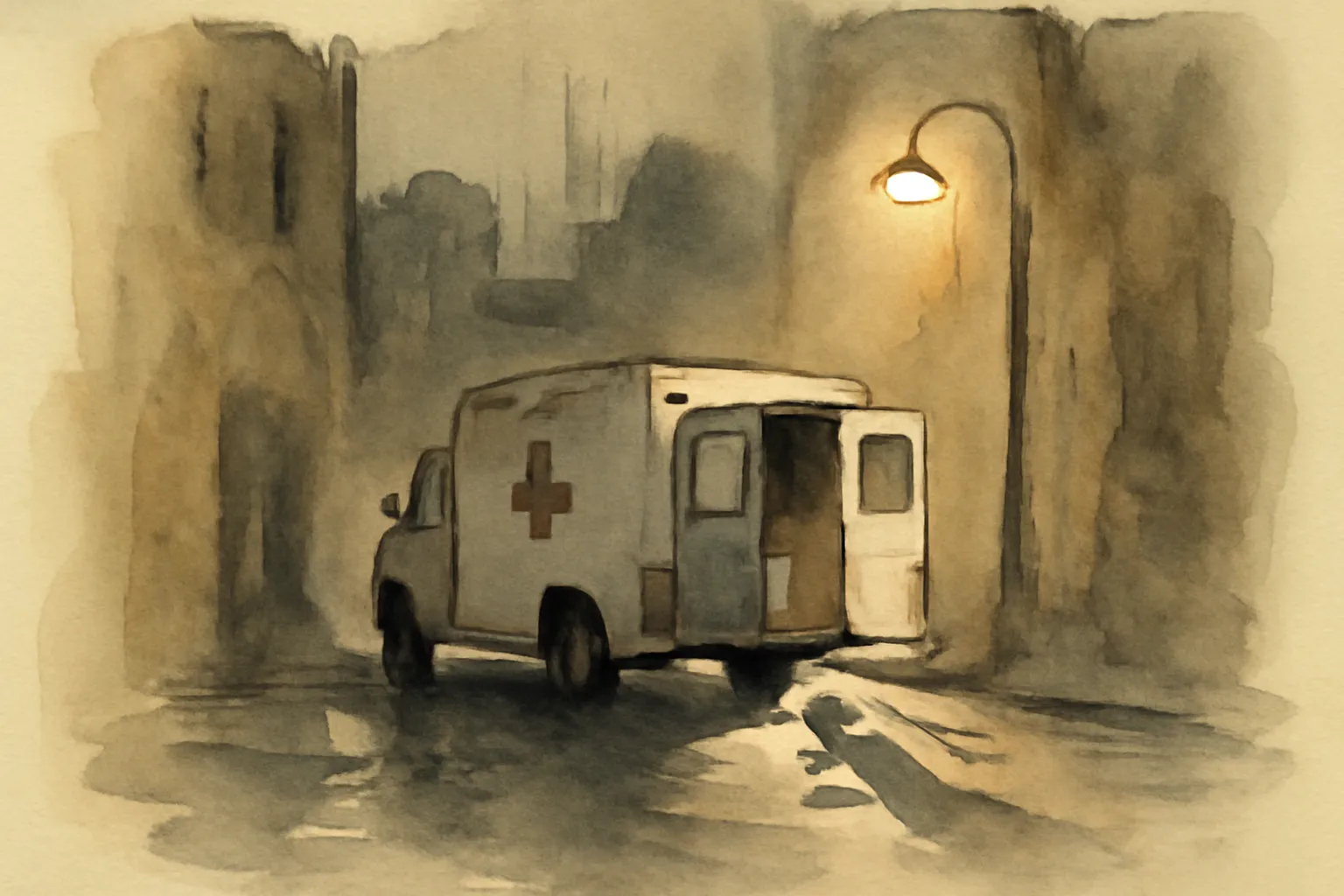
A glimpse inside

Corruption seeps into the very fabric of society, as exemplified by the anonymous gifts Detective Sergeant Fitzgerald receives. Read moreCorruption seeps into the very fabric of society, as exemplified by the anonymous gifts Detective Sergeant Fitzgerald receives. These gifts, although not outright bribes, serve to erode the resolve of those who receive them. Fitzgerald realizes that the gifts influence the police force's attitude toward Big Jake, softening their indignation against him. The meerschaum pipe, a symbol of temptation, reflects Fitzgerald's struggle against the insidious nature of corruption. Without direct coercion, the gifts create a sense of indebtedness that undermines the integrity of the recipients. The narrative effectively illustrates how corruption can flourish under the guise of generosity, making it difficult for individuals to resist the allure of easy favors. Fitzgerald's choice to donate the gifts to an orphanage shows his commitment to maintaining his integrity, yet it also highlights the broader issue of moral compromise faced by officers in a corrupt system. The author's depiction of this moral landscape serves as a cautionary tale, reminding readers that corrupt influences can manifest in subtle ways, compelling individuals to reevaluate their values and priorities. Show less
Fear is a powerful motivator in the world of crime, as seen in Fitzgerald's interactions with the cab driver and restaurant owner who refuse to speak out against Big Jake… Read moreFear is a powerful motivator in the world of crime, as seen in Fitzgerald's interactions with the cab driver and restaurant owner who refuse to speak out against Big Jake's threats. The cab driver, gripped by the fear of retaliation, refuses to cooperate with Fitzgerald despite the obvious wrongdoing that has occurred. This creates a chilling atmosphere where victims of crime are silenced, and the corrupt can operate unchecked. Fitzgerald’s frustration grows as he witnesses how fear paralyzes the community, allowing criminals to thrive in an environment devoid of accountability. The mere suggestion of violence from Big Jake's henchmen instills a deep-seated dread that prevents individuals from standing up for their rights. The narrative reveals a stark truth: when fear overrides the pursuit of justice, the cycle of crime continues unchallenged. Leinster expertly portrays fear as a tool of control, emphasizing how it can stifle the voices of those who might otherwise seek justice. By highlighting the dynamics of fear, readers are compelled to consider how systems of oppression can flourish in silence, and how overcoming fear is crucial not only for individual empowerment but for the restoration of justice within a community. Show less
Read the full text — free
About the author
Read Murray Leinster's work free on Lumina — the complete text plus an 8-minute summary and key ideas, no account needed