1.The Facade of Happiness
At the novel's outset, Horace Endicott embodies the idealized version of a young man in love. His marriage to Sonia Westfield represents the pinnacle of happiness, filled with romantic bliss and dreams for a shared future. However, this idyllic happiness is portrayed as a fragile facade, concealing deeper insecurities and the complexities of human relationships. Horace's easy life, characterized by youthful exuberance and a sense of invulnerability, blinds him to the potential fragility of his happiness. This theme invites readers to consider the precarious nature of joy and how often it is undermined by unacknowledged fears and emotional vulnerabilities. As Horace’s perspective shifts, the narrative reveals that true happiness cannot exist without confronting the realities of life’s challenges and uncertainties.
2.Confronting Mortality and Realization
The chance encounter with Monsignor O'Donnell serves as a pivotal moment in Horace's life, introducing him to the reality of mortality. The priest's reflections on the 'Holy Oils' and their significance in providing solace during death prompt Horace to confront his misconceptions about life and faith. This encounter is not merely about the physical act of dying but encapsulates the deeper existential questions surrounding the meaning of life and the inevitability of death. Horace's youthful ignorance about death starkly contrasts with the depth of the Monsignor's experience, illustrating how personal encounters with mortality can transform one’s worldview. The narrative highlights the idea that confronting our mortality can lead to profound insights about how we live, love, and connect with others, encouraging readers to reflect on their own attitudes toward death and the legacies they wish to create.
3.Awakening to Life’s Complexities
Horace’s realization of life's complexities unfolds through his experiences with Tim Hurley, a dying man whose suffering serves as a catalyst for Horace’s awakening. This encounter shatters Horace’s previous illusions, forcing him to confront the raw, painful truths of existence. Tim's impending death becomes a mirror reflecting Horace's own fears, particularly the thought of losing Sonia, the love of his life. This chapter emphasizes the importance of recognizing the darker aspects of life and how they contribute to personal growth. Horace's journey reveals the notion that true maturity stems from acknowledging the depths of our emotions rather than shying away from them. By facing life’s harsh realities, Horace begins to develop a deeper understanding of love, loss, and the human experience, and the narrative encourages readers to consider how their own awakenings shape their identities.
4.The Nature of Love and Betrayal
Horace’s relationship with Sonia is central to the narrative, serving both as a source of joy and a profound wellspring of pain. The novel intricately explores the complexities of love, illustrating how it can inspire devotion yet also lead to devastating betrayal. Sonia's eventual infidelity becomes the catalyst for Horace’s transformation, revealing the dual nature of love as both a sanctuary and a battleground. This theme raises questions about trust, fidelity, and the human capacity for forgiveness. As Horace grapples with the fallout of Sonia's betrayal, he reflects on the idealized vision of their relationship that ultimately crumbles under the weight of reality. The narrative encourages a critical examination of love—its power to uplift and its potential to wound—prompting readers to consider their own experiences with love and betrayal and how these shape their understanding of connection.
5.The Journey to Reinvention
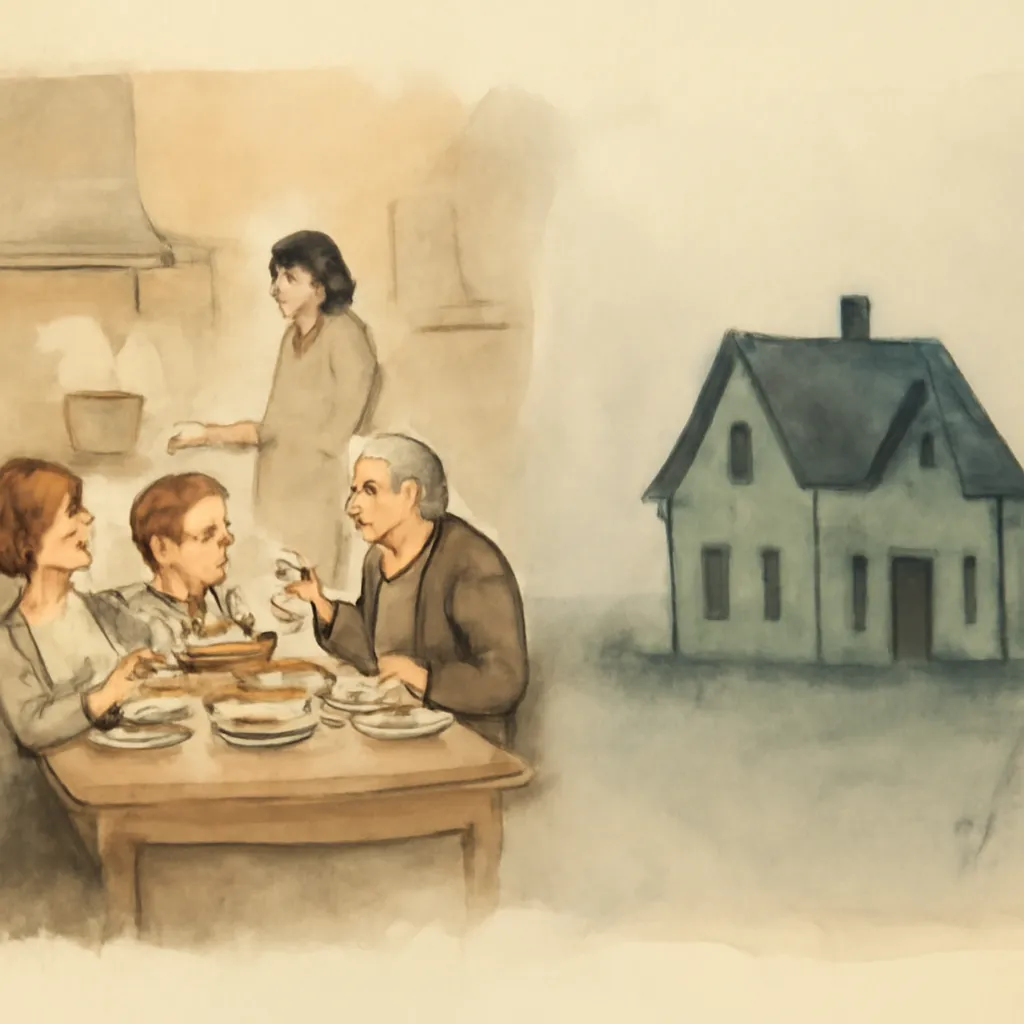
Horace's decision to disappear and adopt the identity of Arthur Dillon marks a profound turning point in his journey. This act of reinvention is both a coping mechanism and a quest for self-discovery, allowing him to escape the pain of his past and pursue a new life unencumbered by his previous identity. Arthur's experiences within the Dillon clan reveal the intricacies of familial loyalty, community ties, and the expectations that come with a new life. As he navigates the complexities of maintaining this new persona, Arthur confronts the duality of his existence—straddling the line between who he was and who he aspires to be. This theme of reinvention underscores the idea that personal transformation is an arduous process fraught with challenges, and it invites readers to reflect on the masks they wear in their own lives and the authenticity that lies beneath.
6.Community Dynamics and Family Loyalty
The Dillon clan plays a crucial role in shaping Arthur's new identity, providing a sense of belonging that he craved. The warmth and acceptance he finds among his new family contrast sharply with the isolation he felt as Horace Endicott. However, the pressure to conform to the clan's expectations also presents challenges, as Arthur struggles to maintain his facade while navigating the intricacies of familial bonds. This dynamic raises important questions about the influence of community on individual identity and the sacrifices one must make to fit in. The novel illustrates that while community can offer support, it can also impose constraints that hinder personal growth. Arthur's experiences within the Dillon family highlight the delicate balance between embracing one's heritage and forging an independent identity, prompting readers to consider how their own families shape their sense of self.
7.Politics and Personal Ambition
As Arthur Dillon becomes more entrenched in the political landscape of his new life, the narrative examines the intersection of personal ambition and societal expectations. The political maneuverings surrounding the Dillon family highlight the complexities of power dynamics and the responsibilities that come with influence. Through Arthur’s interactions with figures like the Senator, the novel illustrates how personal relationships can intersect with public life, often complicating one's ambitions. As Arthur navigates the treacherous waters of political allegiance, he is compelled to confront the ethical dimensions of his actions. This theme underscores the idea that personal choices can have far-reaching implications, prompting readers to reflect on the moral dilemmas faced in the pursuit of ambition and the lengths one might go to in order to achieve success.
8.The Emotional Toll of Disappearance
While the act of disappearing offers Arthur a reprieve from his painful past, it also carries significant emotional consequences. The burden of maintaining his new identity as Arthur Dillon weighs heavily on him, prompting an internal struggle between his past as Horace Endicott and his present. This ongoing conflict raises questions about the feasibility of truly escaping one’s history. Arthur’s journey illustrates that while he can shed his name and outward appearance, the emotional scars and memories of his previous life remain, shaping his identity in profound ways. The narrative explores the idea that while one may seek to reinvent themselves, the past is an inseparable part of who they are. This theme resonates with readers, inviting them to consider the complexities of their own identities and the impact of their histories on their present selves.
9.Hope and Redemption as Catalysts for Change
Throughout the novel, the theme of hope serves as a powerful force driving the characters toward redemption. As Arthur grapples with the consequences of his past, his desire to reinvent himself is fueled by a sense of hope for a better future. The relationships he forges within the Dillon clan, especially with figures like Anne Dillon, provide a sense of purpose that propels him forward. This theme underscores the resilience of the human spirit and the belief that transformation is possible, even in the face of adversity. Arthur’s journey reflects the notion that hope can be a catalyst for personal evolution, inspiring individuals to rise above their circumstances and embrace new possibilities. The narrative serves as a reminder that the pursuit of redemption is a universal aspect of the human experience, encouraging readers to reflect on their own journeys toward hope and change.
10.The Quest for Authenticity and Self-Acceptance
As Arthur grapples with his dual identity, the quest for authenticity emerges as a central theme in the narrative. The tension between his past and present forces him to confront what it truly means to be authentic in a world that often demands conformity. Arthur's struggle for self-acceptance underscores the complexities of identity and the societal pressures that can obscure one’s true self. The narrative invites readers to consider their own journeys toward authenticity and the masks they wear to navigate the expectations of society. Through Arthur’s experiences, the novel highlights the importance of embracing one’s true identity, encouraging individuals to forge paths that reflect their values and aspirations rather than conforming to external pressures. This exploration of authenticity ultimately resonates with readers, as it reflects the universal desire to be seen and accepted for who we genuinely are.