1.The Early Years in Farghāna
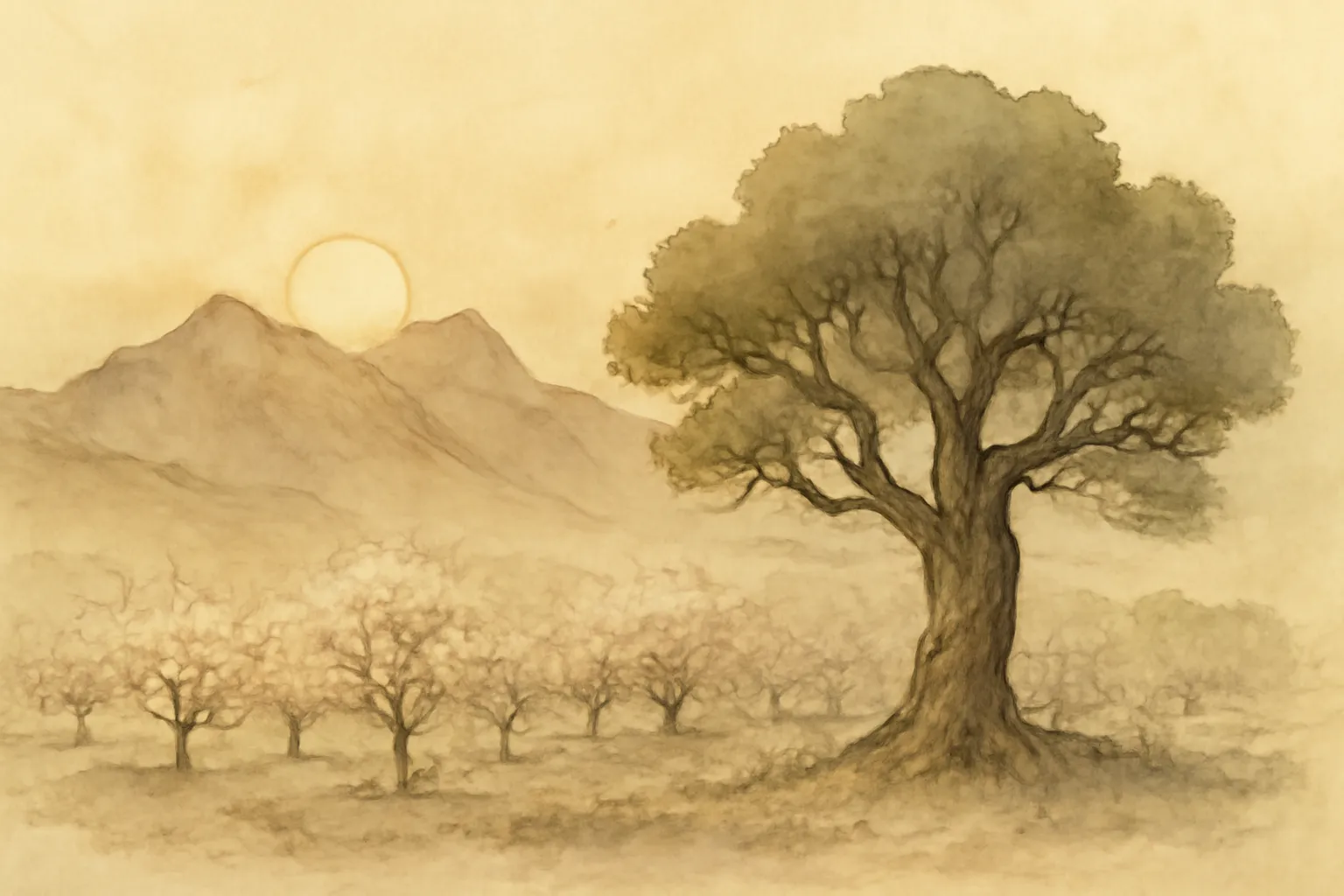
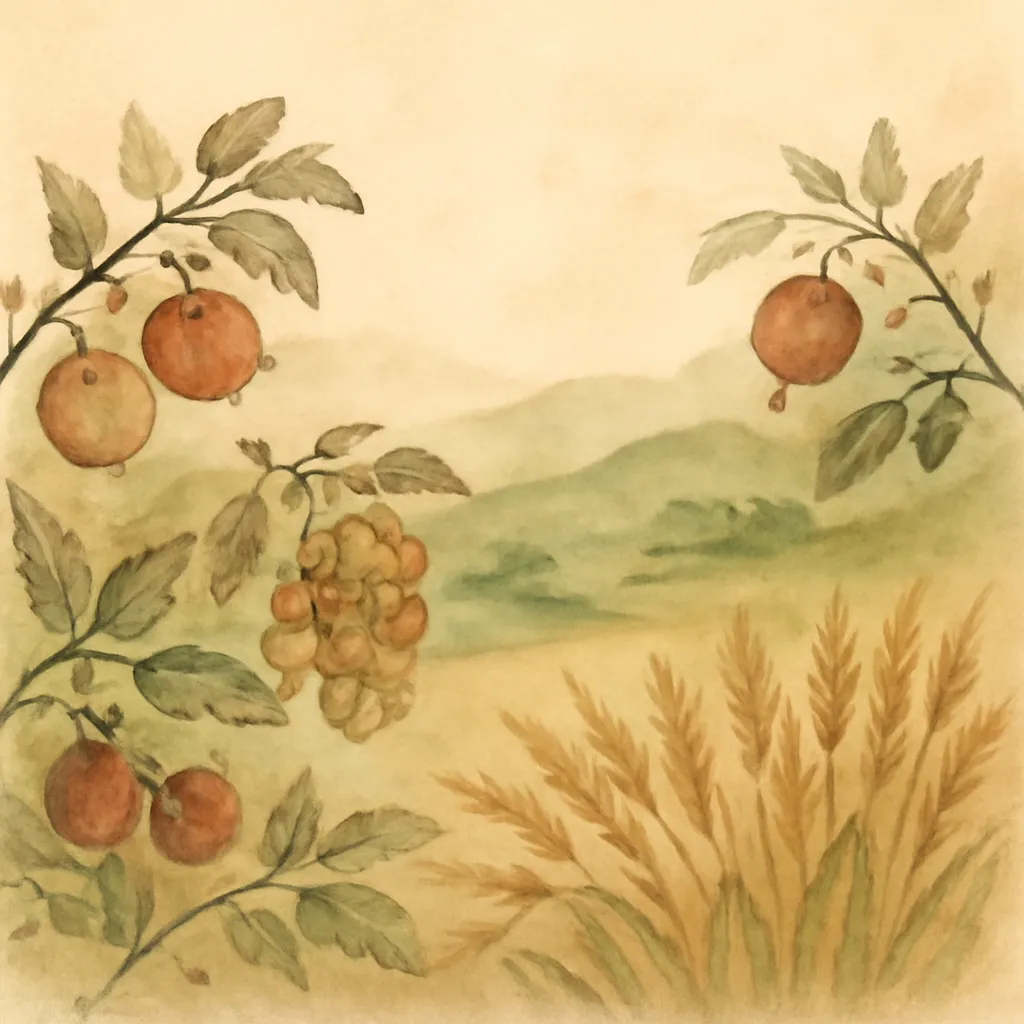
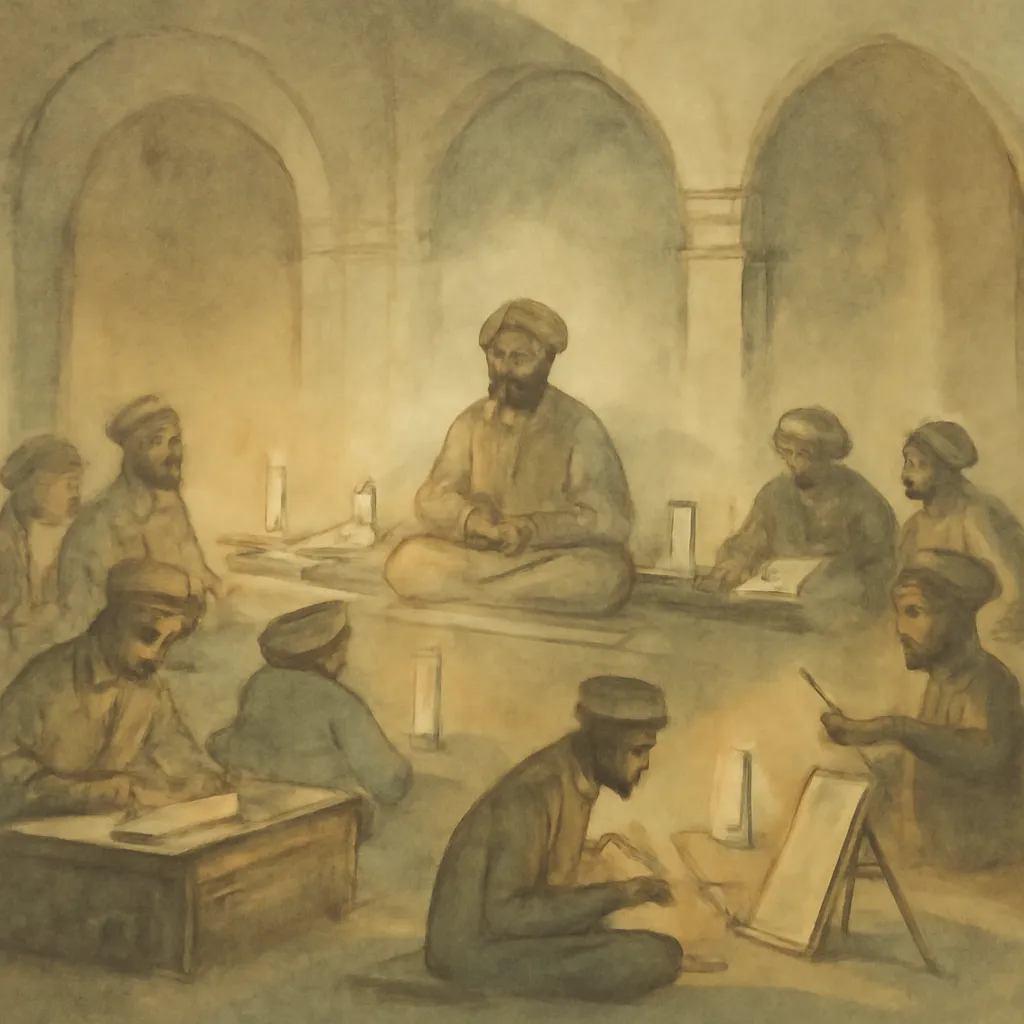
Babur's journey begins in Farghāna, where he ascended to power at the young age of twelve. This small, mountainous region was rich in grain and fruit, providing a fertile ground for Babur's early experiences and aspirations. He describes the beauty of the land, the challenges he faced from rival factions, and the influence of his family, particularly his mother, Qut-luq-nigar, who instilled in him a deep respect for learning and the arts. His early encounters with the complexities of leadership and the responsibilities of rulership set the stage for his later endeavors. Babur's reflections on his childhood reveal a blend of innocence and ambition, as he navigated the treacherous waters of political alliances and familial expectations. Through vivid descriptions of Farghāna's landscapes and the people who inhabited them, Babur paints a nostalgic picture of his formative years, highlighting how they shaped his identity as a leader and a man.
2.The Influence of Family and Culture

Family played a crucial role in shaping Babur's character and ambitions. His maternal lineage connected him to a rich tradition of scholarship and leadership, while his father's legacy instilled a sense of duty and honor. Babur's relationships with his mother and grandmother were particularly significant, as they provided him with guidance and support during his formative years. His sister, Khan-zada, also emerged as a steadfast ally, showcasing the importance of familial bonds in his life. The cultural milieu of his upbringing, characterized by a blend of Turkic and Persian influences, fostered his appreciation for the arts, literature, and governance. Babur's writings reflect a deep engagement with poetry and aesthetics, showcasing his belief that a ruler should embody both strength and refinement. This cultural foundation would later influence his vision for the Mughal Empire, as he sought to create a realm that celebrated both military prowess and artistic achievement.
3.Struggles for Power and Identity
The narrative of the Bābur-nāma is marked by Babur's relentless pursuit of power and his struggles to establish his identity as a ruler. Following his initial ascension in Farghāna, Babur faced numerous challenges, including invasions by his uncles and rival factions. His experiences reveal the harsh realities of political life in Central Asia, where loyalty was often fleeting and survival depended on strategic alliances. Babur's determination to reclaim his ancestral lands, particularly Samarkand, underscores his deep-rooted connection to his heritage and his desire to restore the glory of the Timurid dynasty. Throughout these struggles, Babur grapples with questions of legitimacy and authority, reflecting on what it means to be a ruler in a world fraught with conflict. His candid reflections on loss, betrayal, and resilience offer readers a profound understanding of the complexities of leadership and the personal toll it exacts.
4.The Conquest of Samarkand
One of the pivotal moments in Babur's life was his repeated attempts to conquer Samarkand, a city he viewed as both a personal and dynastic goal. His first successful attempt in 1497 marked a significant achievement, as he was able to reclaim a city that had been central to his family's legacy. Babur's vivid descriptions of Samarkand capture its splendor and cultural richness, reflecting his deep admiration for the city. However, the conquest was not without its challenges; political instability within the city and external threats from rival factions complicated his rule. Babur's reflections during this period reveal his dual identity as both a conqueror and a caretaker, as he sought to balance military ambitions with the responsibilities of governance. The eventual loss of Samarkand and his subsequent retreat to Khujand illustrate the transient nature of power and the emotional turmoil that accompanies such experiences.
5.The Transition to Kabul
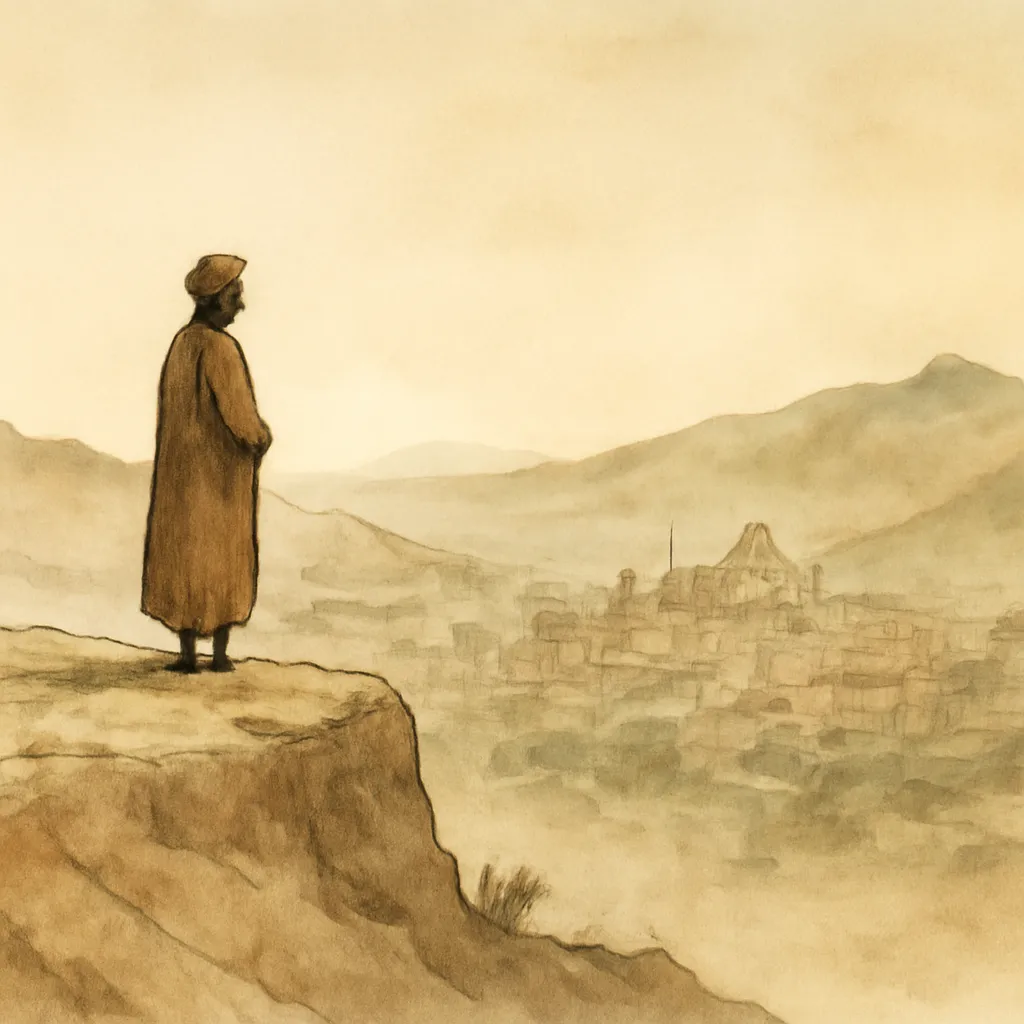
After his tumultuous experiences in Samarkand, Babur's journey took him to Kabul, where he began to rebuild his strength and consolidate his power. His arrival in Kabul marked a turning point, as he embraced the city and its strategic significance. Babur's descriptions of Kabul highlight its natural beauty, cultural diversity, and potential as a base for further conquests. He meticulously details the hardships faced by his followers during their migration, showcasing his empathy and leadership qualities. In Kabul, Babur established a court that attracted scholars, artists, and warriors, reflecting his vision of a cultured and prosperous realm. His governance in Kabul laid the groundwork for his future ambitions in Hindustan, as he began to forge alliances and gather resources for his impending campaigns. This transition represents not only a geographical shift but also a maturation of Babur's understanding of power, identity, and the responsibilities that come with leadership.
6.The Ambiguous Nature of Authority
Throughout the Bābur-nāma, Babur grapples with the concept of authority and what it means to be a legitimate ruler. His experiences reveal the fragile nature of power, as he often faces challenges from rivals and disloyal subjects. Babur's reflections on his authority are deeply personal, as he questions whether his lineage and military successes are sufficient to command respect and loyalty. He frequently acknowledges the role of divine providence in his endeavors, attributing his victories and setbacks to a higher power. This spiritual dimension adds a layer of complexity to his understanding of leadership, as he navigates the interplay between fate and free will. Babur's candid musings on authority resonate with readers, prompting them to reflect on the broader implications of power and the qualities that define effective leadership. His journey illustrates that authority is not merely a matter of conquest but also involves earning the trust and loyalty of one's subjects.
7.The Campaigns in Hindustan
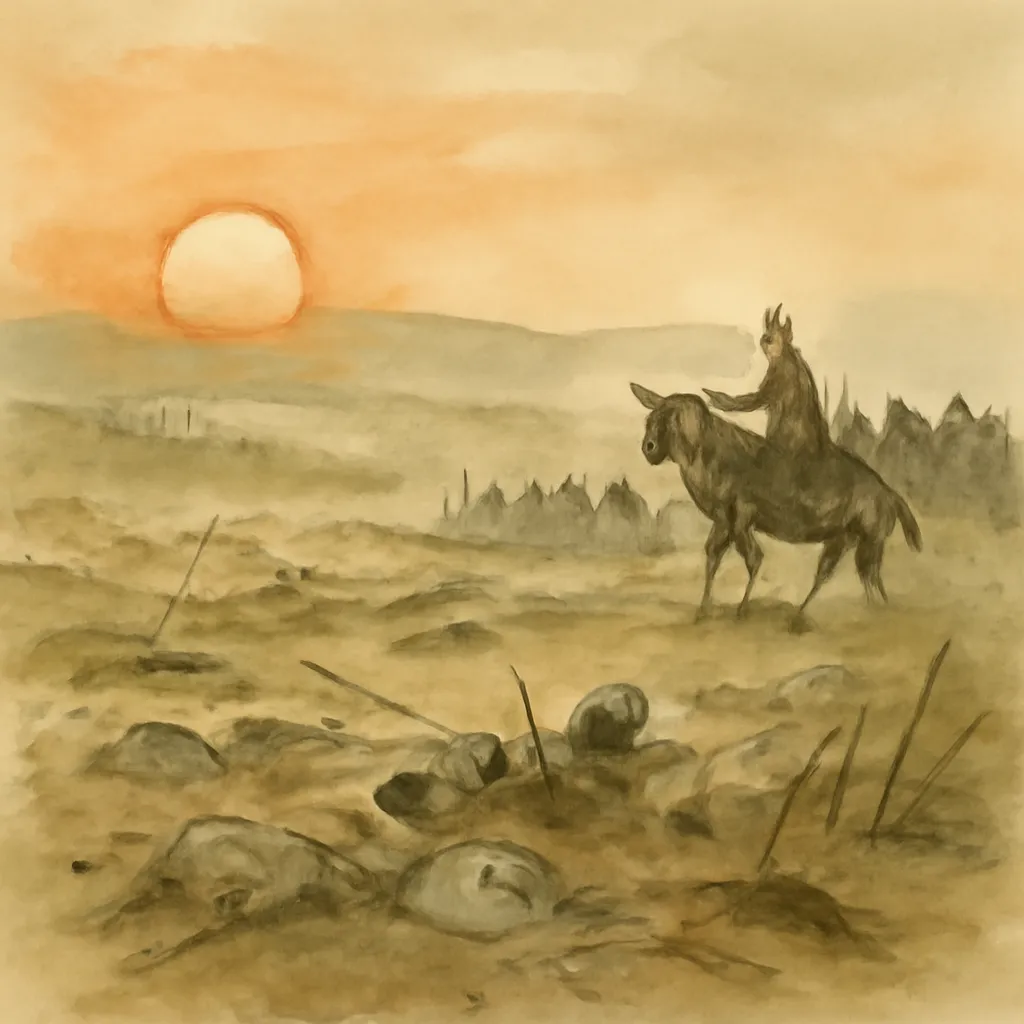
Babur's foray into Hindustan represents the culmination of his ambitions, as he sought to establish a lasting empire in a region marked by political fragmentation. His meticulously detailed accounts of the campaigns reveal his strategic acumen and adaptability in the face of adversity. The battle of Pānīpat in 1526 stands out as a defining moment, where Babur's forces faced the formidable army of Ibrāhīm Lūdī. His reflections on the battle highlight the tension between fate and preparation, as he contemplates the odds stacked against him. Babur's victory not only secured his position as a ruler but also set the stage for the establishment of the Mughal Empire. His ability to inspire and lead his troops during this critical juncture underscores his qualities as a military leader and strategist. Moreover, Babur's detailed observations of the diverse cultures and peoples of Hindustan enrich the narrative, showcasing his appreciation for the region's complexity and potential.
8.The Cultural Legacy of the Mughal Empire
Beyond military conquests, Babur's vision for the Mughal Empire encompassed cultural and artistic flourishing. His writings reflect a profound respect for literature, art, and architecture, which he believed were essential to the identity of a ruler. Babur's patronage of artists and scholars in his court laid the groundwork for a cultural renaissance that would define the Mughal era. His memoirs serve as a testament to the interplay between governance and the arts, illustrating how a ruler's legacy extends beyond military achievements to encompass contributions to culture and society. Babur's emphasis on the importance of gardens, poetry, and architectural beauty reveals his understanding of the aesthetic dimensions of power. This cultural legacy would influence subsequent Mughal emperors, shaping the trajectory of the empire and its enduring impact on the Indian subcontinent.
9.Reflections on Leadership and Legacy
As Babur reflects on his life and reign, he grapples with the complexities of leadership and the nature of legacy. His candid introspections reveal a ruler who is acutely aware of his mortality and the transience of power. He contemplates the responsibilities of leadership, the sacrifices made, and the relationships formed throughout his journey. Babur's writings resonate with a sense of humility, as he acknowledges both his successes and failures. His desire to be remembered not only as a conqueror but also as a benevolent ruler underscores his understanding of the broader implications of leadership. The Bābur-nāma serves as both a personal memoir and a historical document, providing insights into the moral and ethical dimensions of rulership. Babur's reflections challenge readers to consider the legacies they wish to leave behind, prompting a deeper exploration of the intersection between power, responsibility, and the human experience.
10.The Importance of Personal Narrative
The Bābur-nāma stands out as one of the earliest examples of an autobiographical narrative that intertwines personal experiences with historical events. Babur's decision to chronicle his life reflects his understanding of the importance of personal narrative in shaping identity and legacy. His memoir serves not only as a record of his achievements but also as a reflection of his thoughts, emotions, and aspirations. The authenticity of his voice resonates with readers, offering a glimpse into the mind of a ruler who navigated the complexities of his time. Babur's candidness in sharing his vulnerabilities and uncertainties adds depth to his character, allowing readers to connect with him on a human level. This emphasis on personal narrative highlights the significance of storytelling in understanding history, as it allows individuals to share their truths and contribute to the collective memory of their cultures and societies.