Fiction
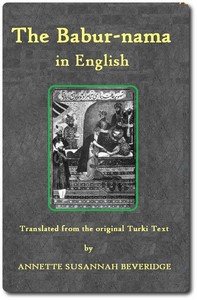
The Bābur-nāma in English (Memoirs of Bābur) by Emperor of Hindustan Babur — Summary, Key Ideas & Full Text
1381 pages13 chapters27h 44m read19h 41m speed read✦ 10-min Big ideasFree · no account
Rate it
The Bābur-nāma chronicles the life of a ruler who transformed his dreams into reality, navigating the complexities of power, ambition, and identity in the tumultuous landscape of Central Asia and Hindustan
The Bābur-nāma, or Memoirs of Bābur, is a captivating autobiography that offers an intimate glimpse into the life of Babur, the founder of the Mughal Empire in India. Through his personal narrative, readers are transported to the late 15th and early 16th centuries, where Babur recounts his struggles, triumphs, and reflections on leadership, culture, and the human experience. The text not only serves as a historical document but also as a literary work that captures the essence of a ruler's character, ambitions, and the sociopolitical landscape of his time. By examining Babur's journey from Farghāna to Hindustan, readers gain insights into the rich tapestry of his life and the historical events that shaped his reign. The memoir ultimately reveals the interplay between personal aspirations and the broader currents of history, making it a timeless exploration of the quest for identity and legacy.
The Bābur-nāma is more than just an autobiography; it is a rich tapestry of history, culture, and personal reflection. Babur's journey from the lush landscapes of Farghāna to the grand ambitions of Hindustan encapsulates the essence of a ruler who sought to leave a lasting legacy. His candid reflections on leadership, authority, and the complexities of human relationships resonate with readers across centuries, prompting them to consider the nature of power and responsibility. Babur's life story serves as a reminder that behind the grand narratives of history lie the personal struggles and triumphs of individuals. The memoir ultimately invites readers to explore the interplay between ambition and humility, legacy and mortality, making it a timeless exploration of the human experience.
“In the name of God, the Merciful, the Compassionate.”
“Farghāna is a small country, abounding in grain and fruits.”
“I became ruler in the country of Farghāna.”
Read Emperor of Hindustan Babur's work free on Lumina — the complete text plus an 8-minute summary and key ideas, no account needed