1.The Historical Significance of Bowling Green
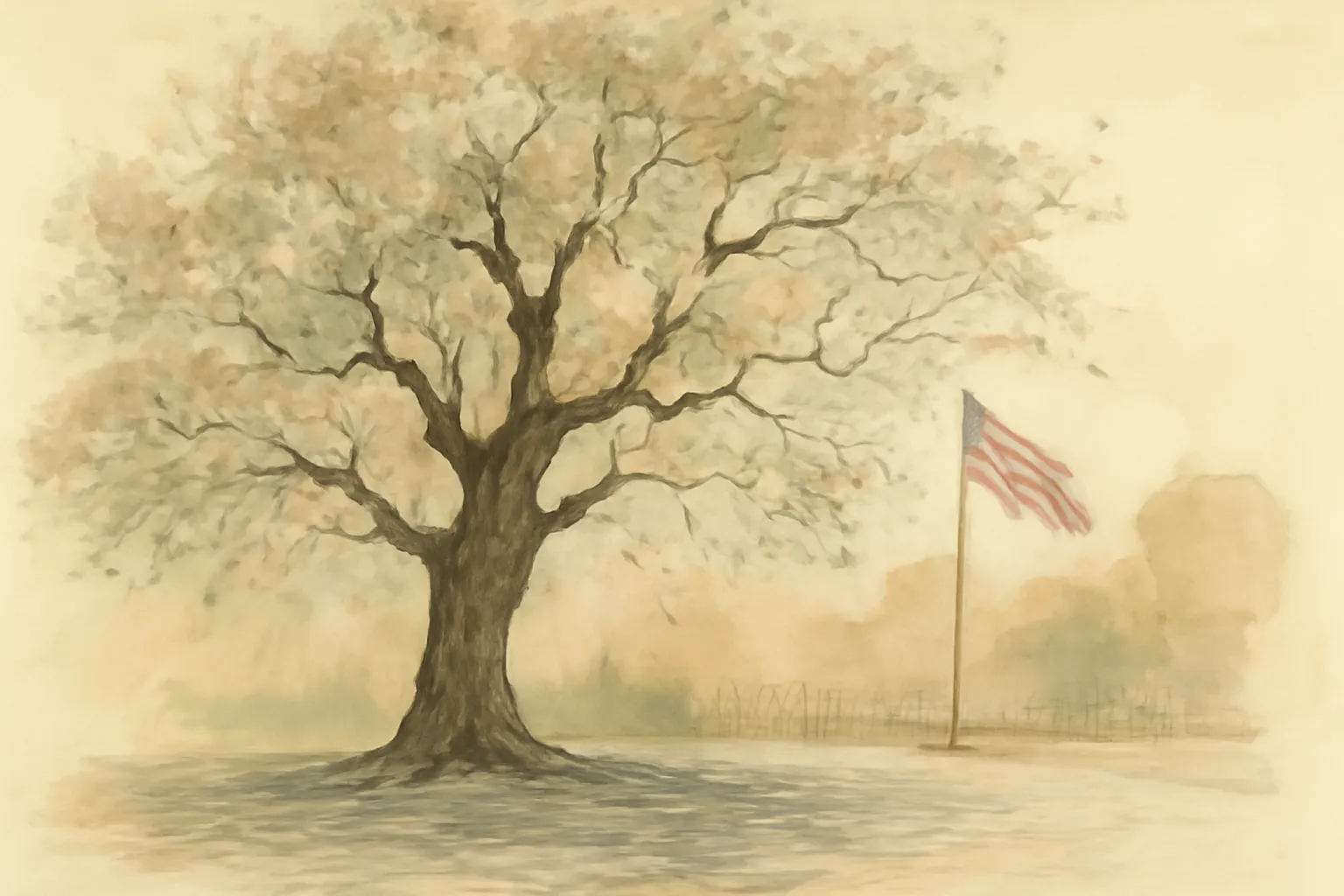
Bowling Green serves as a symbolic heart of New York, representing both the city’s past glory and its evolving present. The author draws parallels between the historic site and the lives of its characters, suggesting that personal and civic histories are deeply intertwined. The bustling park was once the center of commerce and social life, surrounded by the homes of merchant princes, and became a hub for the social elite. As the city expanded and changed around it, Bowling Green remained a touchstone for the dreams and aspirations of those who walked its grounds. The juxtaposition of the park's tranquil beauty with the chaotic events of the time, including the War of 1812, highlights the fragility of peace and prosperity. Thus, Bowling Green becomes a character in its own right, embodying the hopes and struggles of its citizens, serving as both a backdrop for personal stories and a reflection of historical events that shaped New York City.
2.Class Distinctions and Social Dynamics

The novel vividly portrays the class distinctions that define the lives of its characters, particularly through the Bloommaert family. Sapphira, as an emblem of beauty and societal expectation, navigates the expectations placed upon her by her family and society. The tensions between wealth and love are palpable, as characters must confront their social standings when pursuing happiness. The relationships depicted, such as that between Sapphira and Leonard Murray, reveal the constraints of class and the sacrifices individuals make for love. Sapphira's beauty and status afford her opportunities, yet they also bind her to societal expectations that dictate her choices. Annette, her cousin, represents a different aspect of the same class system, as her more carefree attitude toward courtship highlights the rigid conventions of their time. The narrative ultimately critiques the social hierarchy, suggesting that love transcends class, yet also illustrating the ways in which societal pressures can dictate personal happiness.
3.The Impact of War on Personal Lives

War looms over the characters’ lives, influencing their decisions and relationships in profound ways. The backdrop of the War of 1812 serves as a catalyst for the unfolding drama, as personal and national conflicts collide. Leonard is driven by duty and patriotism, while others grapple with the repercussions of their loved ones going to war. The emotional turmoil experienced by the families left behind is palpable, as the uncertainty of war threatens their stability and happiness. Sapphira's worries about Leonard's safety reveal the psychological impact of war on women, who often bear the emotional burden of waiting and uncertainty. Barr illustrates the pervasive anxiety that war brings, not just on a national scale but within the intimate confines of family life. Leonard's struggle with his sense of duty versus his love for Sapphira encapsulates the sacrifices demanded by war, highlighting that personal happiness often comes at a steep price. This exploration of war’s impact emphasizes the personal sacrifices made in the name of duty, underscoring the human cost of conflict.
4.The Role of Women in Society
Barr vividly portrays the expectations and limitations placed upon women in the early 19th century. Sapphira and Annette embody the struggle for agency within a patriarchal society that often sidelines their desires and ambitions. Sapphira is expected to marry well, yet she harbors dreams of love that clash with societal conventions. The women in the story are portrayed as strong and resourceful, yet they must navigate a world that frequently undermines their autonomy. Through Sapphira’s journey, Barr examines themes of love, duty, and the quest for self-identity against societal constraints. The characters’ desires for love and fulfillment challenge the traditional roles assigned to women, suggesting that personal happiness often requires defiance of societal norms. This exploration resonates with modern readers, prompting reflection on the ongoing fight for gender equality and the complexities women face in asserting their independence.
5.Love and Sacrifice

At the heart of the novel is a poignant exploration of love and sacrifice, particularly in the context of Sapphira and Leonard's relationship. Their romance is fraught with challenges, including societal pressures and the looming threat of war. Barr captures the intensity of their feelings while also illustrating the sacrifices they must make for each other and their families. Sapphira’s internal conflict between her love for Leonard and her obligations to her family highlights the complexities of romantic relationships during this era. The theme of sacrifice extends beyond romantic love, as characters grapple with the demands of duty to their country and community. Leonard’s decision to enlist conveys a sense of nobility, yet it also signifies the potential end of his relationship with Sapphira. This multifaceted portrayal of love invites readers to consider the sacrifices inherent in pursuing one’s desires, emphasizing that true love often requires difficult choices. Barr’s exploration of love’s complexities deepens the emotional resonance of the narrative, illustrating how love can inspire both courage and heartache.
6.The Intersection of Personal and Political

The narrative intricately weaves personal stories with the political landscape of the time, illustrating how national events shape individual lives. The characters’ experiences are not isolated; they are deeply affected by the decisions made by leaders and the outcomes of war. For instance, Leonard’s commitment to the military reflects a broader sense of patriotism that permeates the narrative, as he grapples with the expectations placed upon him to serve his country. Barr skillfully illustrates how personal crises are often overshadowed by the larger political context, and how characters must navigate their lives amid these tumultuous events. Sapphira's struggles for personal happiness become entangled with national issues, emphasizing the idea that individual choices are often influenced by external circumstances. This intersection of the personal and political underscores the theme that the private lives of individuals are inextricably linked to the broader societal narrative, prompting readers to reflect on the complexities of agency and identity in times of upheaval.
7.The Influence of Family Legacy
Family legacy plays a crucial role in shaping the characters' identities and choices throughout the novel. The Bloommaert family’s history and status in society significantly influence Sapphira’s prospects and decisions. Barr emphasizes the weight of familial expectations, illustrating how the characters grapple with the legacies left by their ancestors. Sapphira’s desire to honor her family while pursuing her happiness creates a tension that drives much of the narrative. The theme of legacy invites readers to consider how the past informs the present, shaping individual destinies and societal norms. The pressures of maintaining family honor and status compel characters to make choices that may not align with their personal desires. This exploration of family dynamics adds depth to the characters, making their struggles more relatable and poignant, as they navigate between personal ambition and the weight of tradition.
8.Friendship and Companionship
In addition to romantic relationships, the novel highlights the importance of friendship and companionship among its characters. Sapphira’s relationships with her cousin Annette and other female figures provide a support system amid the chaos of their lives. These friendships offer solace and understanding, allowing the characters to navigate their struggles together. Barr illustrates the strength found in female bonds, showcasing how these relationships can empower women to assert their identities. The camaraderie among the characters serves as a counterbalance to the societal pressures they face, reinforcing the idea that true companionship can help individuals withstand adversity. This theme resonates with readers, emphasizing the value of supportive relationships in overcoming life's challenges. Annette’s playful banter with Sapphira highlights the joy of friendship, while also revealing the deeper emotional connections that sustain them during trying times.
9.The Quest for Identity

Throughout the narrative, characters grapple with their identities in the face of societal expectations and personal desires. Sapphira’s journey toward self-discovery is central to the plot, as she navigates her roles as daughter, friend, and lover. Barr explores the internal conflicts that arise when personal aspirations clash with familial obligations and societal norms. The characters’ quests for identity reflect a universal struggle, inviting readers to reflect on their own journeys of self-discovery. Sapphira's development from a passive participant in her life to an active agent of her fate emphasizes the importance of self-awareness and courage in defining one's identity. This theme of identity is particularly relevant in a modern context, as individuals continue to navigate the complexities of personal and societal expectations. Barr's portrayal of this struggle adds depth to the characters, making their journeys relatable and impactful, as they seek to carve out their own paths amid societal pressures.
10.The Power of Hope

Amidst the trials and tribulations faced by the characters, the theme of hope emerges as a powerful force. Barr imbues the narrative with a sense of optimism, suggesting that despite the challenges posed by love, war, and societal constraints, hope endures. Sapphira’s resilience and determination to find happiness serve as a testament to the human spirit’s capacity to persevere. The story culminates in moments of triumph, where characters find strength in their bonds and the promise of a brighter future. The resolution of personal conflicts showcases the transformative power of hope, demonstrating how it can inspire individuals to overcome adversity. This theme of hope resonates deeply, encouraging readers to hold onto their aspirations even in the face of hardship. Barr’s exploration of hope serves as a reminder of the enduring power of the human spirit and the belief that love and happiness can ultimately prevail, reinforcing the idea that hope is essential for survival.
11.The Role of Memory and Reflection
The narrative structure of 'The Belle of Bowling Green' emphasizes the importance of memory and reflection in understanding the characters’ journeys. Barr often intersperses moments of introspection, allowing characters to contemplate their past choices and the impact of their experiences on their present lives. This reflective quality adds depth to the narrative, inviting readers to engage with the characters’ inner lives. The theme of memory underscores the idea that our past shapes our identities and influences our decisions. Characters like Sapphira often reflect on their choices, contemplating how their past experiences inform their current dilemmas. This exploration of memory enriches the narrative, making it a profound meditation on the interplay between past and present, and prompting readers to consider how their own memories shape their identities and choices.