Romance · Fiction
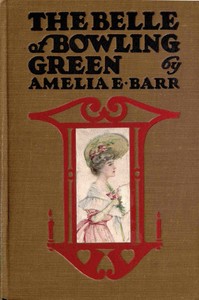
The Belle of Bowling Green by Amelia E. Barr — Summary, Key Ideas & Full Text
286 pages24 chapters5h 44m read4h 4m speed read✦ 11-min Big ideas★ 3.0 (1)Free · no account
Rate it
Explore the intertwined lives of love, war, and social change in early 19th-century New York
Set against the historic backdrop of Bowling Green, 'The Belle of Bowling Green' by Amelia E. Barr unfolds a rich tapestry of life in early 19th-century New York City. The novel captures the struggles and triumphs of its characters as they navigate the complexities of love, societal expectations, and the turmoil of war. Readers will find themselves immersed in the personal dramas of the Bloommaert family, particularly Sapphira, whose romantic entanglements are complicated by the looming threats of conflict and class distinctions. Barr's vivid descriptions and character development invite readers to reflect on the broader implications of personal choices within the social fabric of the time, revealing how individual lives are shaped by the tides of history. This story not only evokes nostalgia for a bygone era but also prompts contemplation of the enduring human spirit in the face of adversity.
In 'The Belle of Bowling Green,' Amelia E. Barr masterfully intertwines personal narratives with the historical context of early 19th-century New York. The characters’ journeys reflect the complexities of love, sacrifice, and societal expectations, inviting readers to consider the broader implications of their choices. Through themes of hope, resilience, and identity, Barr crafts a narrative that resonates across time, reminding us of the enduring human spirit in the face of adversity. This rich tapestry of life not only captures the essence of a bygone era but also encourages reflection on our own lives and the choices we make. Ultimately, the novel serves as a testament to the power of love and community in shaping our destinies, making it a timeless exploration of the human experience.
“Here’s to the heart of New York, That beats on the Bowling Green!”
“If our men are going to fight it is for thy liberty and thy honour and thy happiness.”
“Well, there can be no ‘but’ for a few days. Christmas is Christ’s feast—we cannot presume to put ourselves before Christmas; and then come all the honours, and feasts, and public rejoicings for our dear country.”
Read Amelia E. Barr's work free on Lumina — the complete text plus an 8-minute summary and key ideas, no account needed