1.Corporate Power as a Machine
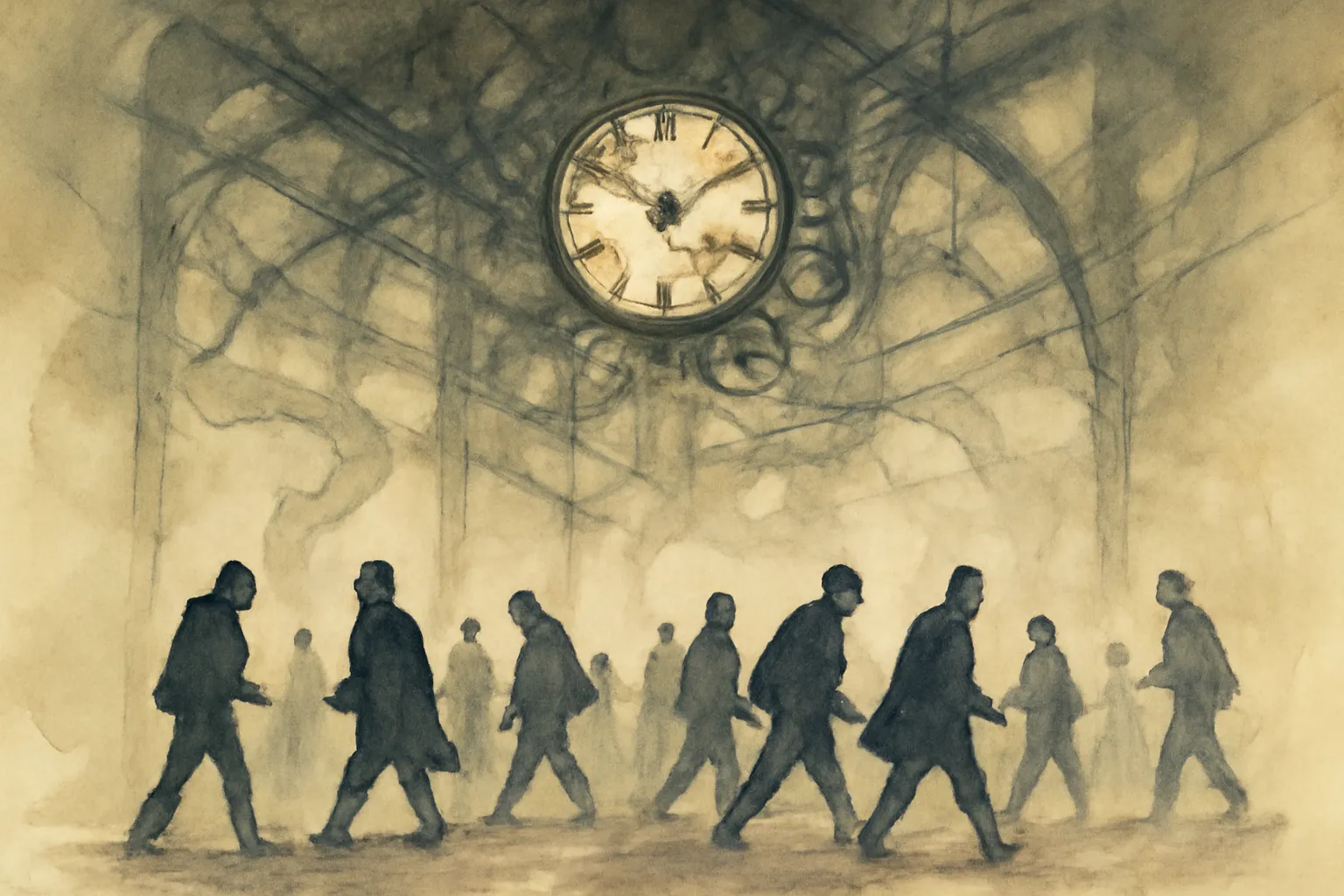
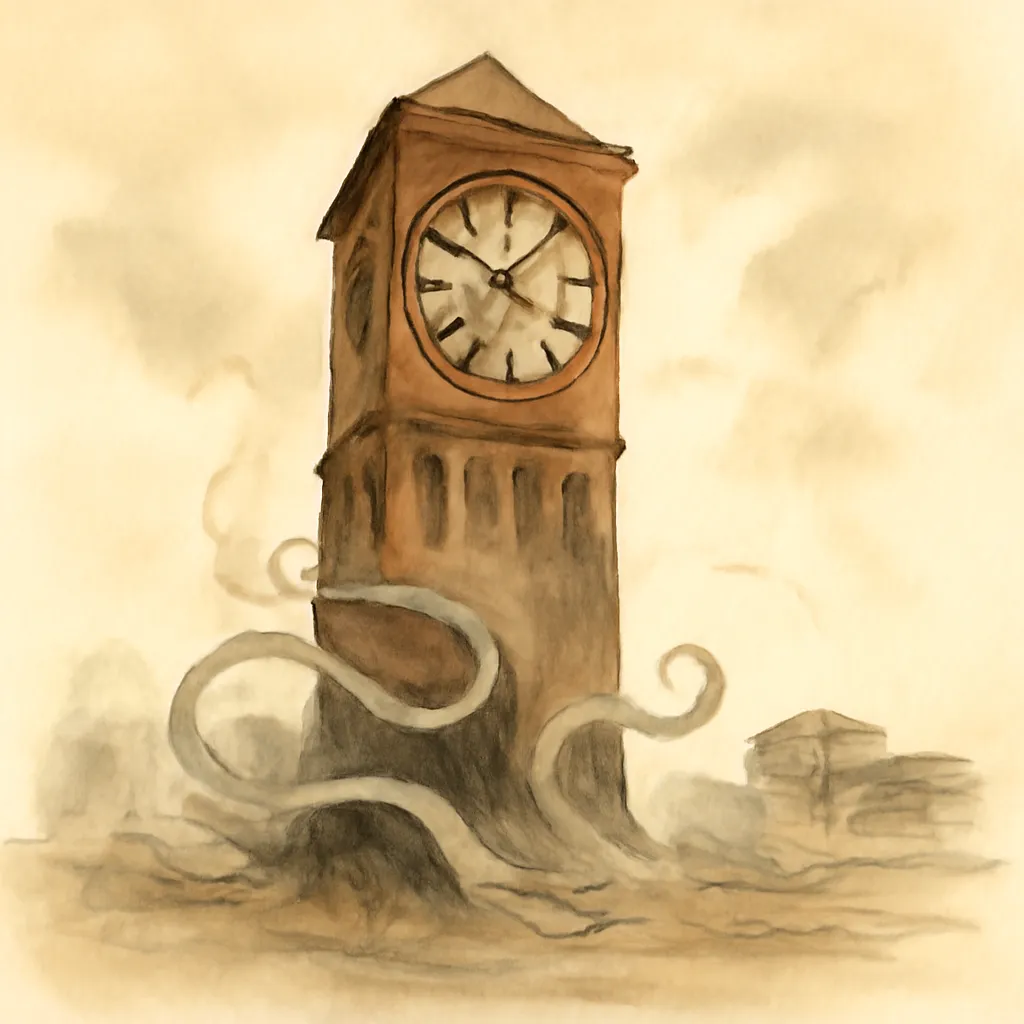
Fearing’s novel uses the monolithic media company as a metaphor for the dehumanizing force of modern institutions. The organization is depicted as a vast, impersonal machine—'the big clock'—that grinds up individuality and morality in service of its own survival. Employees, including protagonist George Stroud, are cogs in this relentless system, trapped by the very structure that employs them. The company’s ability to marshal its resources against a single individual, even one of its own, underscores the terrifying reach of corporate power.
2.The Paranoia of Being Hunted
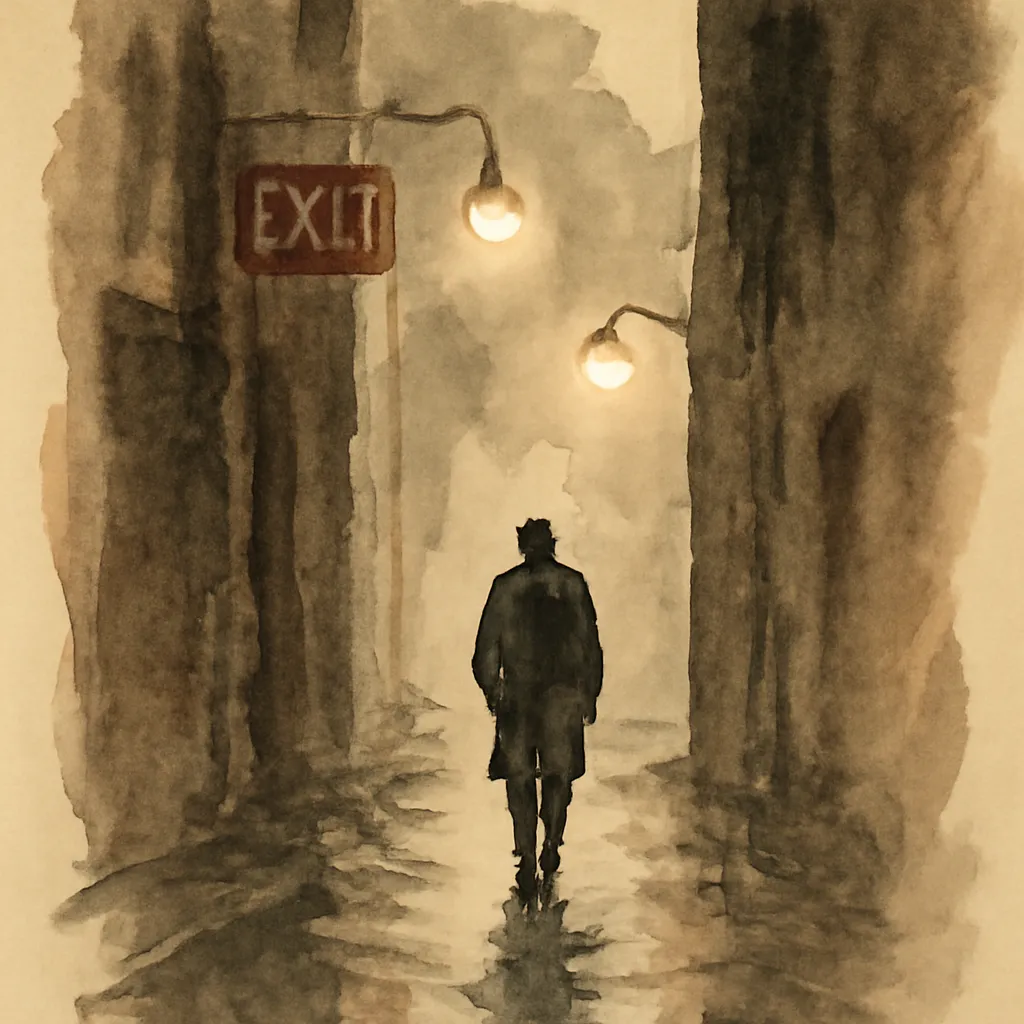
The central irony of The Big Clock is that Stroud is tasked with tracking down himself. This creates a suffocating atmosphere of paranoia and existential anxiety, as Stroud must outwit not only his colleagues but also the surveillance apparatus he helped build. The tension arises from the knowledge that the system is ruthlessly efficient—and that Stroud, as both hunter and hunted, is uniquely qualified to understand its methods and limitations. Fearing uses this setup to explore the psychological toll of constant scrutiny and the fear of exposure.
3.Moral Compromise and Responsibility
Stroud is not a traditional hero; he is deeply flawed, self-interested, and complicit in the very system that now threatens him. The novel examines how ordinary people rationalize their actions within corrupt structures and how moral lines blur under pressure. Stroud’s journey is as much about confronting his own ethical failures as it is about escaping physical danger. Fearing suggests that in a world dominated by systems, personal responsibility becomes both more urgent and more elusive.
4.Time as an Oppressive Force
Time is both a literal and metaphorical antagonist in the novel. The title refers not just to the physical clock in the company’s lobby, but to the inexorable passage of time that tightens the noose around Stroud. Every action is dictated by deadlines, routines, and schedules, mirroring the relentless advance of fate. The sense of being trapped in time heightens the suspense and deepens the existential themes, as Stroud races against both the investigation and his own unraveling.
5.Satire of Media and Modernity
Fearing, himself a poet and journalist, offers a biting satire of the media industry and its self-importance. The novel lampoons the culture of celebrity, the manipulation of truth, and the way in which news organizations can become complicit in covering up or manufacturing reality. The company’s obsession with image and control is both a source of dark humor and a critique of the modern world’s obsession with appearances over substance.
6.Noir Atmosphere and Psychological Depth
The Big Clock is steeped in the noir tradition, with its moody urban setting, cynical tone, and morally ambiguous characters. Fearing’s prose is sharp and evocative, capturing both the external dangers and the internal turmoil of his protagonist. The psychological depth of Stroud’s predicament elevates the novel beyond mere genre fiction, making it a meditation on identity, guilt, and survival.