1.The Price of Ambition
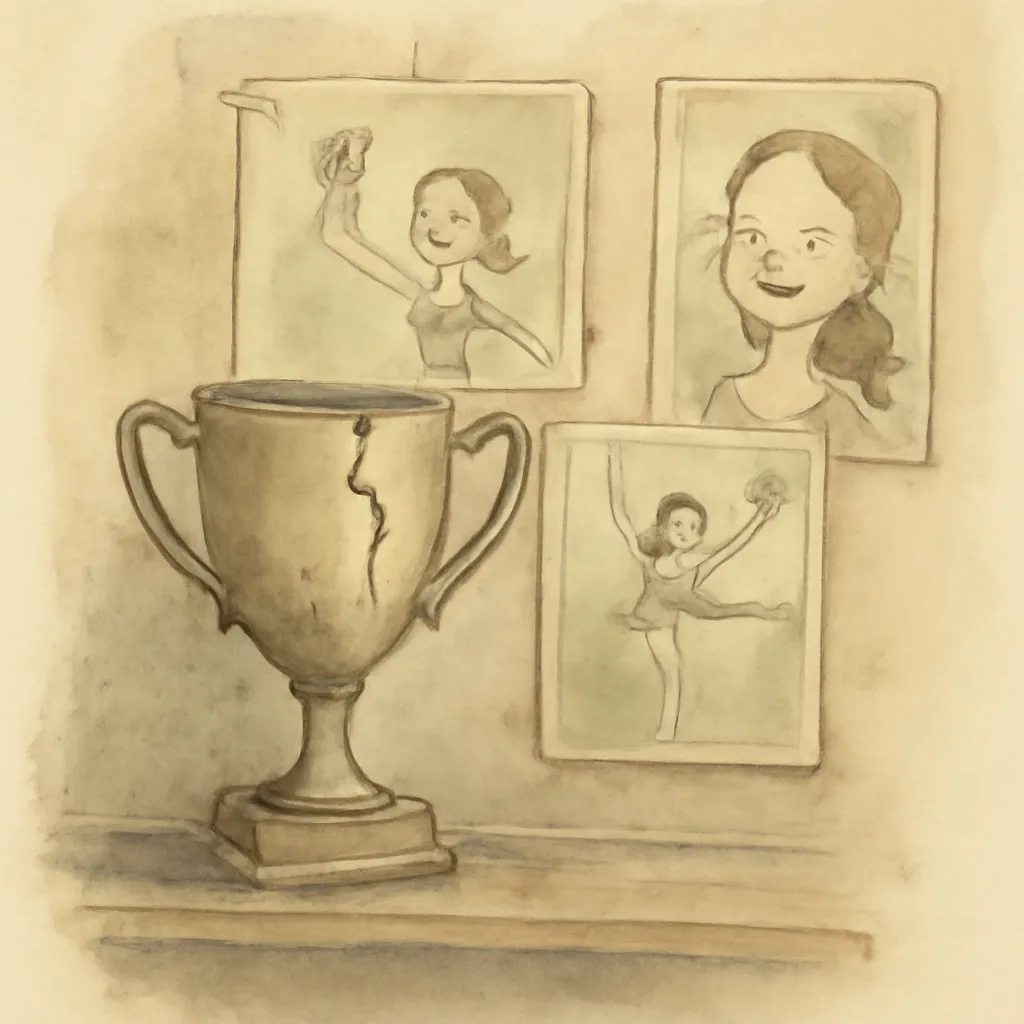
Lily Clifton's journey is a testament to the sacrifices made in pursuit of ambition. Her father, P. T. Clifton, sees her as a shining star and invests all his energy into her career, believing that her talent can elevate them both. This ambition, however, comes at a cost. As Lily grows up, she feels the weight of her father's dreams pressing down on her, leading to a struggle between personal desires and familial expectations. The relentless pursuit of success often blinds P. T. to Lily's emotional needs, showcasing how ambition can warp relationships and cloud judgment. For example, P. T. dismisses Lily's discomfort with the pressure to perform, prioritizing her success over her happiness, which ultimately creates a rift between them. His obsession with her potential stardom prevents him from seeing her as more than just a performer, eroding their father-daughter bond and leaving Lily feeling isolated.
2.The Struggles of a Young Performer

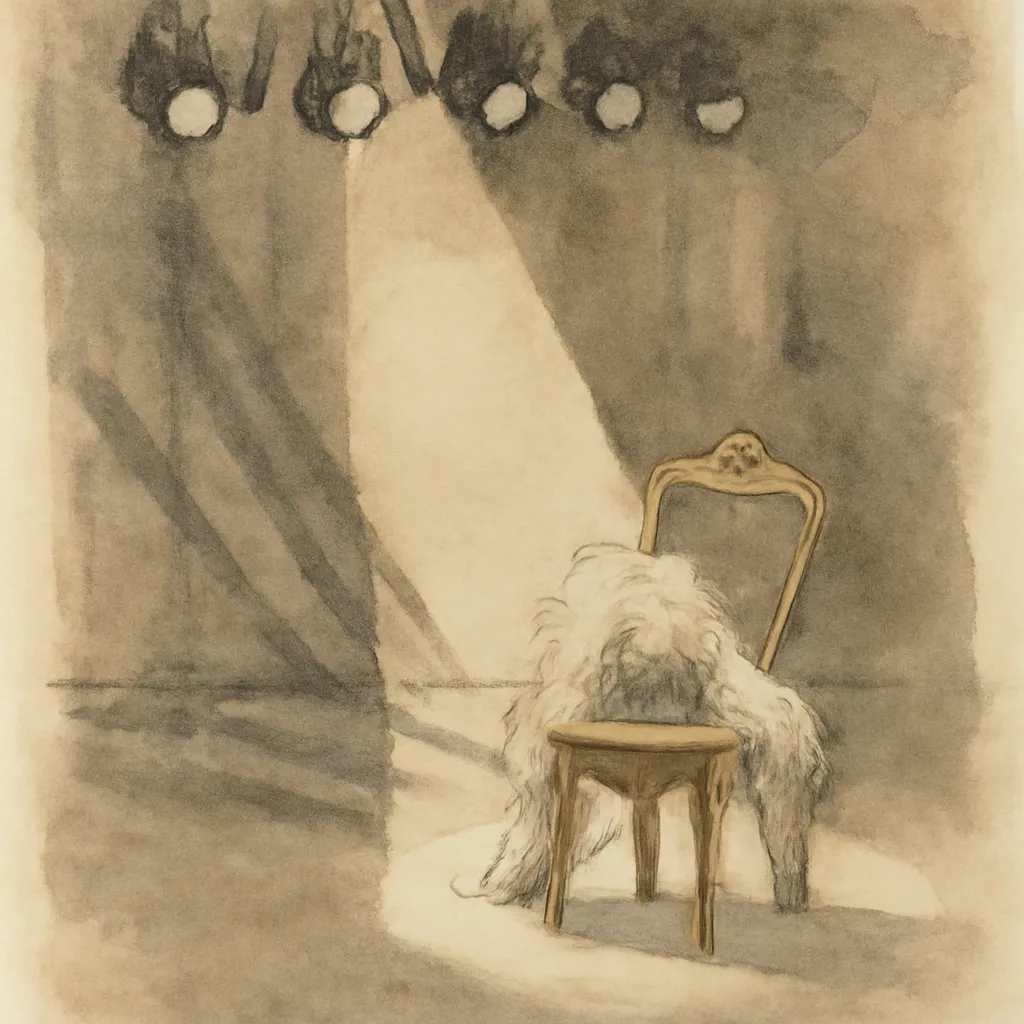
Lily's life as a young performer is filled with both triumphs and tribulations. Her early successes in New Zealand and Australia build her confidence and establish her as a rising star. Yet, the reality of the touring life is far from glamorous. Lily faces the grueling nature of the entertainment industry, where young performers often endure exploitation and emotional strain in pursuit of their dreams. The story illustrates the challenges of maintaining a work-life balance when one's life revolves around performance. Lily's daily routine involves not only practicing her tricks but also managing the domestic responsibilities that come with touring, such as cooking and caring for her father. This duality of her existence highlights the sacrifices many young performers make, often without recognition or support. The narrative captures her fleeting moments of joy on stage contrasted with the loneliness and exhaustion she experiences behind the scenes, painting a realistic picture of the performer's life.
3.Parental Expectations and Their Consequences

P. T. Clifton's expectations for Lily shape her identity and her choices throughout the narrative. He views her not only as his daughter but as a means to achieve his own dreams of fame and success. This dynamic creates tension as Lily grapples with her father's ambitions versus her own desires. The pressure to perform and excel leads to a complex relationship where love and control intertwine. For instance, when P. T. discovers Lily's romantic involvement with Trampy, his reaction is one of rage and disappointment. He sees her relationship as a threat to her career, demonstrating how parental expectations can stifle individuality and lead to rebellion. The story is rich with examples of how P. T.' s controlling nature drives Lily to seek independence, even if it means defying him. This theme resonates with readers who understand the challenges of living up to parental ideals while seeking personal fulfillment, as Lily's journey reflects a universal struggle for autonomy in the shadow of parental ambition.
4.The Role of Gender in Performance
The narrative delves into the gender dynamics within the performing arts, highlighting the unique struggles faced by women like Lily. Her experiences reveal the double standards that persist in the industry, where female performers are often judged based on their appearance and ability to attract attention rather than their talent. The story portrays how Lily is objectified by both audiences and peers, with her beauty overshadowing her skills. This objectification complicates her relationships, particularly with men like Trampy and Jimmy, who have their own agendas. As Lily navigates her role as a performer, she must contend with societal expectations of femininity that dictate her worth. The portrayal of her struggles provides a critical lens on how women in the arts must often balance their ambitions with the pressures to conform to certain ideals, reflecting broader societal issues regarding gender roles and representation in performance.
5.Romantic Entanglements and Jealousy
Romantic relationships in 'The Bill-Toppers' are fraught with complications, particularly for Lily. Her involvement with Trampy reveals the toxic dynamics that can emerge in relationships marked by jealousy and ambition. Trampy's desire to possess Lily becomes increasingly consuming, leading to confrontations that highlight the volatility of their relationship. Conversely, Lily's feelings for Jimmy represent a potential escape from the constraints of her marriage, yet they are complicated by her loyalty to Trampy and the fear of societal judgment. The narrative illustrates how love can be both a source of inspiration and a point of contention, often driving characters to make choices that conflict with their aspirations. For example, Lily's internal conflict between her growing affection for Jimmy and her obligation to Trampy creates tension that permeates the story, showcasing the emotional complexities of navigating love in the performance world.
6.The Emotional Toll of Fame
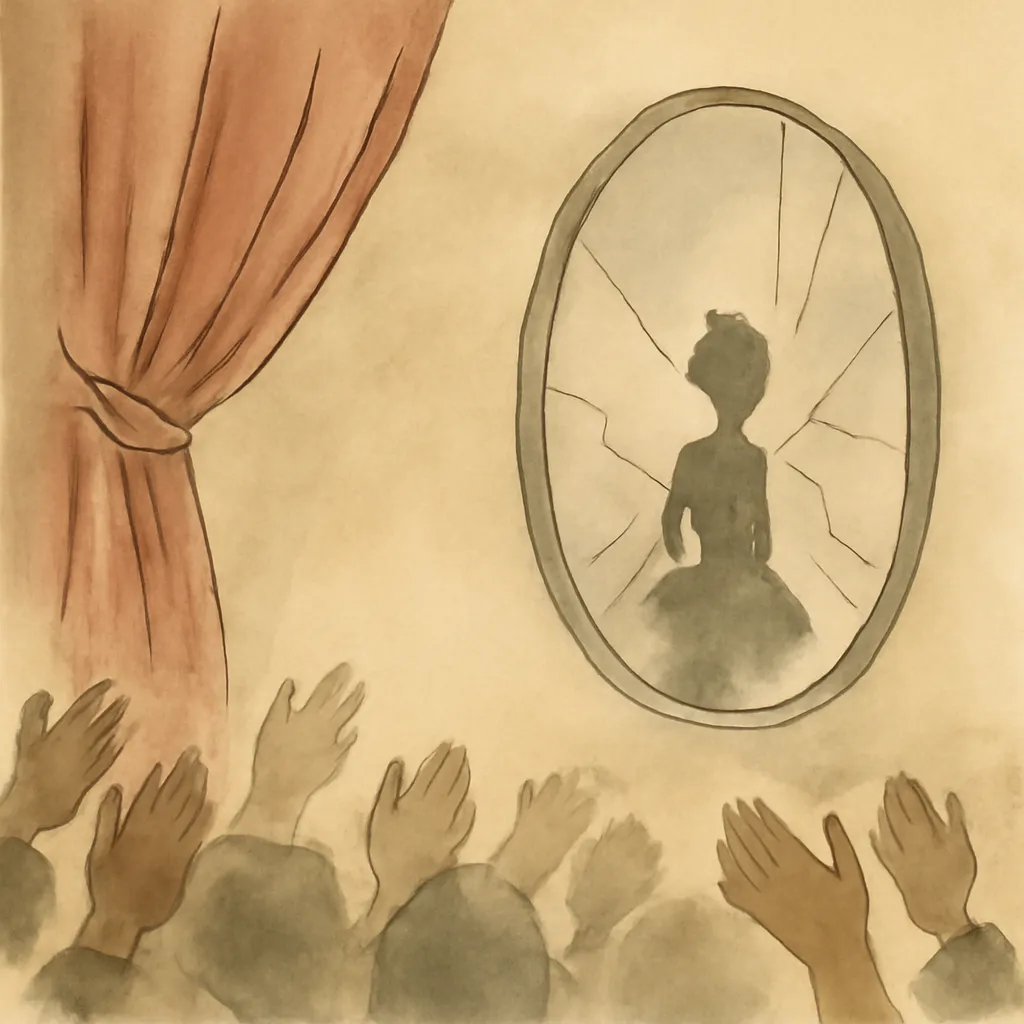
As Lily rises to fame, the emotional toll becomes increasingly evident. The applause and accolades she receives on stage contrast sharply with her internal struggles and feelings of inadequacy. The narrative captures her moments of triumph alongside her deep-seated insecurities, revealing the dichotomy of public success and private despair. For example, after a particularly successful performance, Lily is overwhelmed by the realization that her worth is measured by her ability to entertain rather than her true self. This emotional turmoil is exacerbated by her strained relationships with both her parents and her husband, who fail to recognize the pressure she faces. Castaigne effectively illustrates how the relentless pursuit of approval and validation can lead to burnout and disillusionment, making the reader reflect on the challenges of maintaining mental health in the face of constant public scrutiny. Lily’s struggles serve as a poignant reminder that fame often comes with an emotional cost.
7.The Impact of Family Dynamics

Family dynamics play a crucial role in shaping Lily's journey throughout the story. The relationship between Lily, P. T. , and Ma is complex and layered, revealing the interplay between love, control, and ambition. P. T.' s iron will and Ma's protective instincts create a family environment that is both nurturing and stifling. As Lily grows older, she begins to assert her independence, leading to conflicts that test the bonds of family loyalty. The narrative explores how familial relationships can be both a source of strength and a source of conflict, particularly in the context of the entertainment industry. The tension between familial expectations and personal desires resonates with readers who understand the challenges of navigating complex family dynamics. For instance, when Lily rebelled against her parents’ control, it not only solidified her desire for autonomy but also strained her relationships, showcasing the often painful process of growing up and finding one’s own identity.
8.The Illusion of Stardom
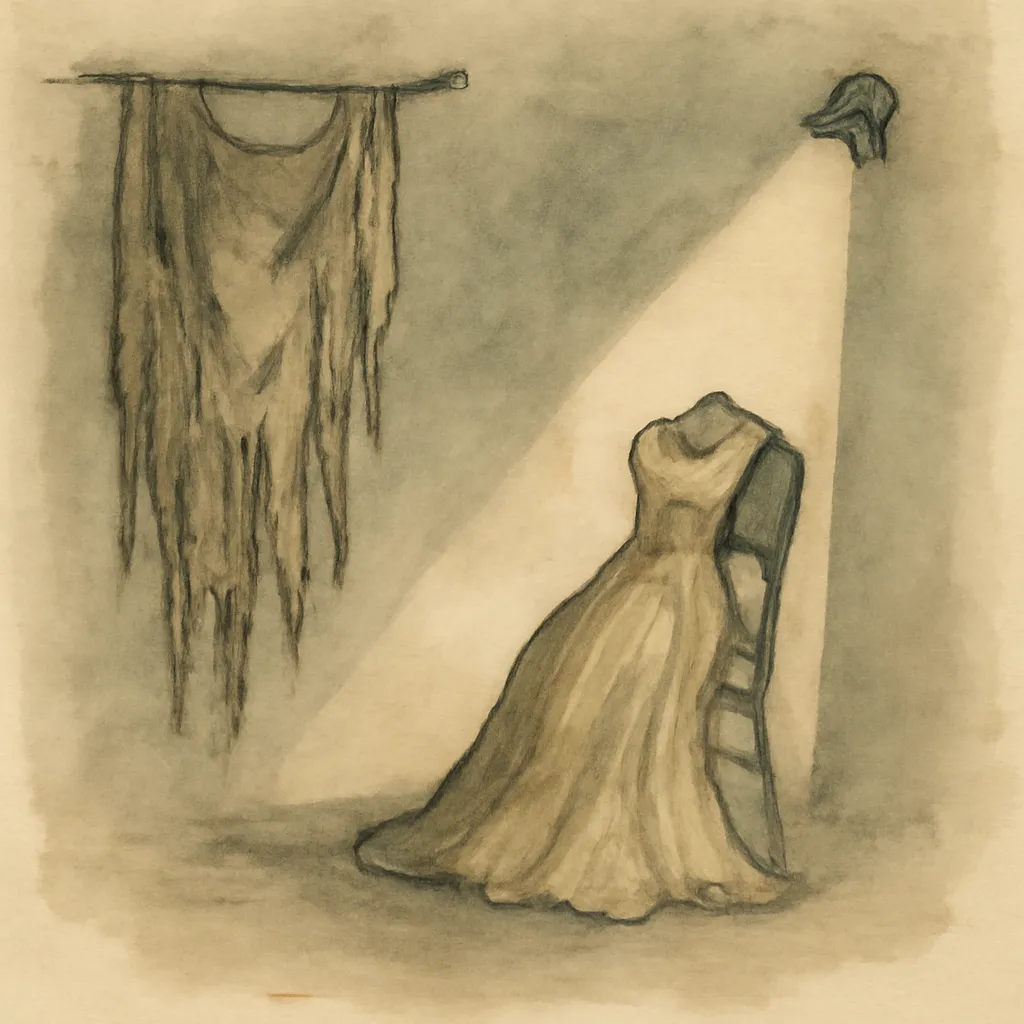
Castaigne critiques the illusion of stardom that captivates both the characters and the audience. The glamour associated with being a performer is juxtaposed with the harsh realities of life on the road, the physical toll of constant performances, and the emotional strain of maintaining a public persona. Lily's journey reveals that fame often comes with a price, as she grapples with the sacrifices required to maintain her status. The narrative challenges the romanticized notions of celebrity, illustrating how the pursuit of fame can lead to isolation and disillusionment. For instance, Lily's moments of triumph are often followed by feelings of emptiness, underscoring the fleeting nature of public adoration. Castaigne effectively uses Lily’s experiences to demonstrate the disparity between public perception and private reality, urging readers to consider the hidden struggles faced by those in the spotlight and the ephemeral nature of success in the entertainment industry.
9.The Cycle of Abuse and Control
The narrative addresses the cycle of abuse and control that permeates Lily's relationships, particularly with Trampy. His jealousy and possessiveness manifest in emotional manipulation and physical intimidation, creating a toxic environment that stifles Lily's spirit. The story illustrates how power dynamics can shift within relationships, with Lily initially feeling trapped by her marriage but later finding the strength to assert her independence. This cycle of control highlights the broader societal issues surrounding domestic abuse and the struggles individuals face when attempting to break free from oppressive relationships. Through Lily's journey, readers gain insight into the complexities of love, loyalty, and the fight for autonomy in the face of adversity. The stark realities of her situation serve as a commentary on the importance of recognizing the signs of unhealthy relationships and the need for support and empowerment for those entangled in such cycles.
10.The Transformation from Innocence to Experience

Lily's journey throughout 'The Bill-Toppers' marks a profound transformation from innocence to experience. As a child performer, she begins with dreams of stardom and the excitement of performing, but as she matures, the harsh realities of the entertainment industry begin to shape her understanding of life and relationships. The initial thrill of applause and admiration gives way to feelings of loneliness and anxiety, challenging her initial perceptions of success. The narrative captures her transition from a naïve girl to a woman who confronts the complexities of love, ambition, and her own worth. This transformation is poignantly illustrated through her relationships with Trampy and Jimmy, as she learns to navigate the intricacies of love and betrayal. As she faces the consequences of her choices, readers witness Lily's growth and resilience, ultimately leading her to assert her identity beyond the expectations imposed by her family and the industry.