1.Profiling Meets History
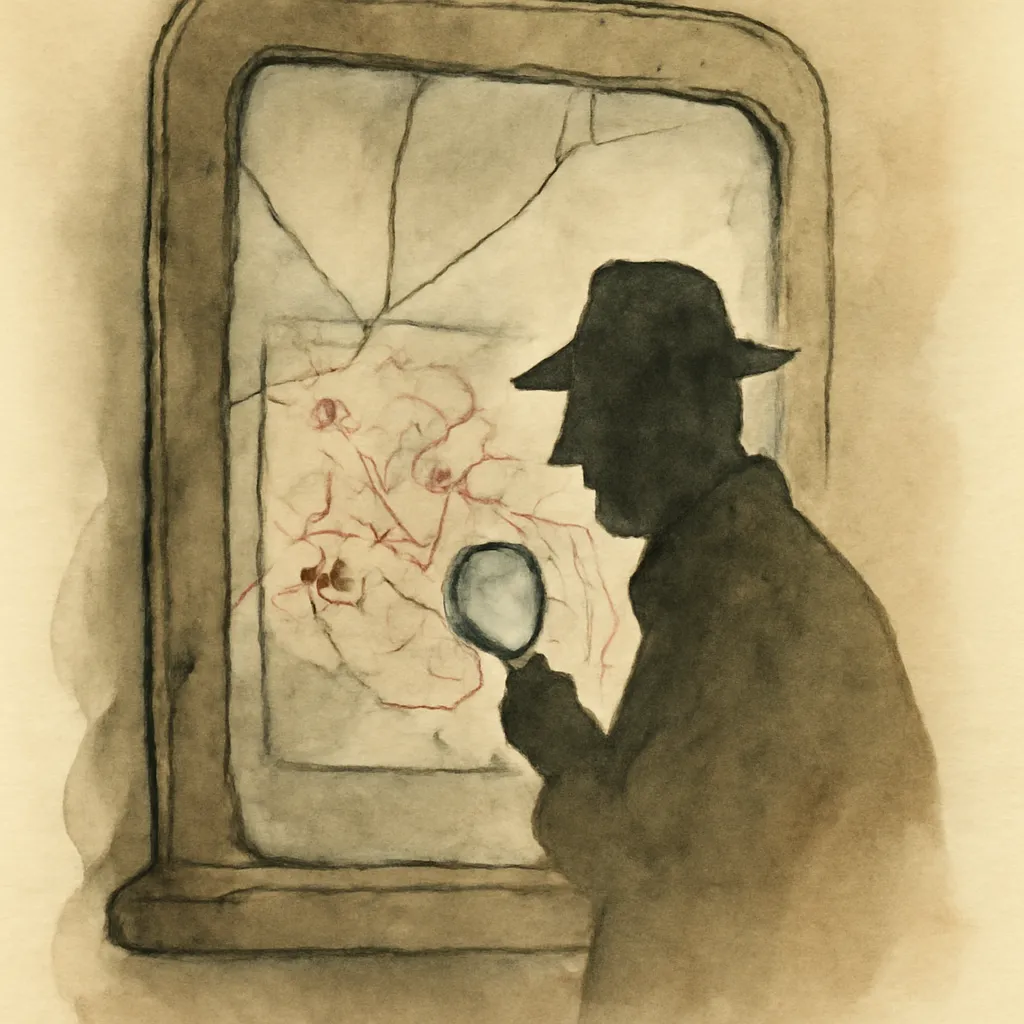
Douglas applies the principles of criminal profiling—methods he helped pioneer at the FBI—to some of the most notorious unsolved cases in history. By reconstructing the likely behaviors, motives, and psychological makeup of suspects, he demonstrates how modern investigative techniques can illuminate even the oldest mysteries. This approach not only critiques past investigative failures but also shows the evolution of criminal analysis.
2.Re-examining Famous Mysteries
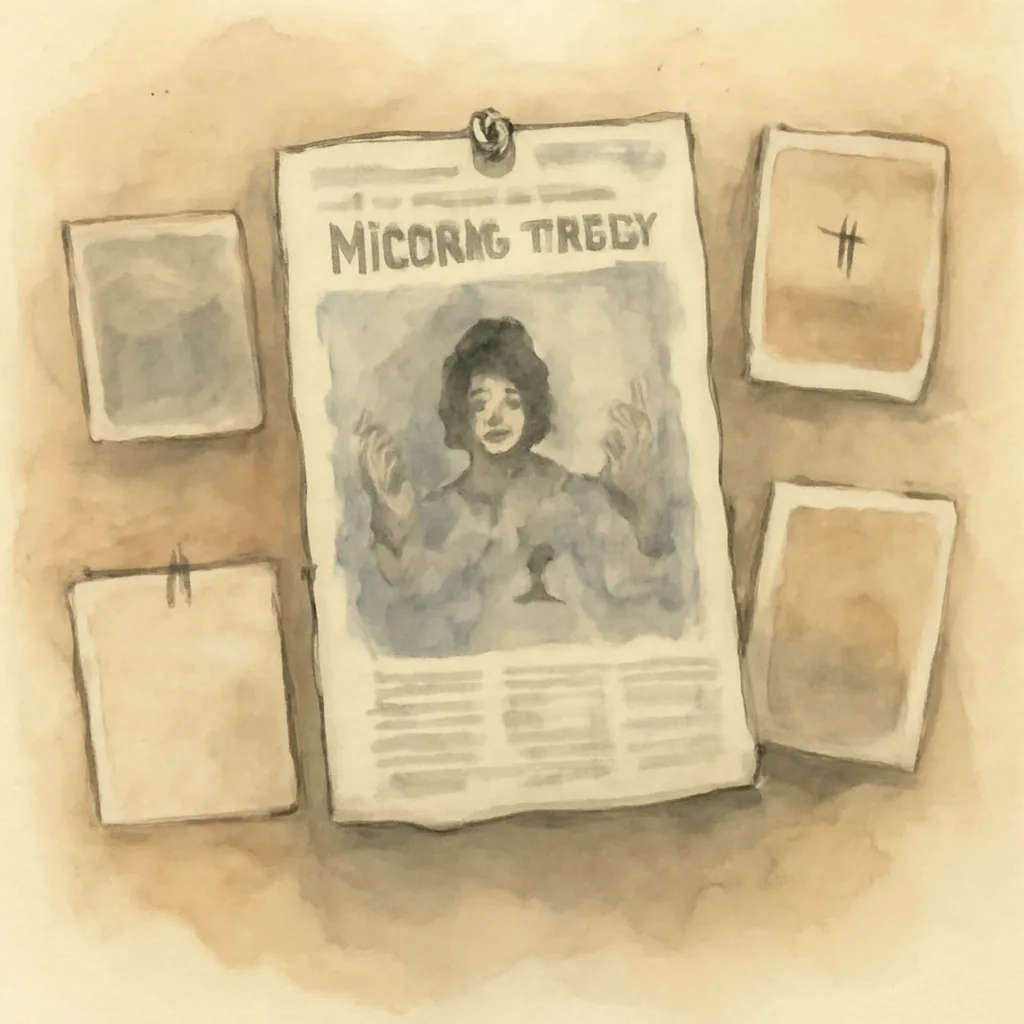
The book scrutinizes cases such as Jack the Ripper, Lizzie Borden, the Lindbergh kidnapping, and JonBenét Ramsey, among others. Douglas doesn’t just recount the facts; he interrogates the evidence, the media’s role, and the cultural context that shaped public opinion. His analysis often leads to surprising conclusions that challenge the conventional wisdom surrounding these cases.
3.The Dangers of Bias and Assumption
Douglas highlights how investigators’ biases, public pressure, and flawed forensic methods have repeatedly derailed major investigations. He argues that jumping to conclusions, mishandling evidence, or succumbing to sensationalism can allow real perpetrators to escape justice. This theme serves as a cautionary tale for both professionals and the public.
4.Behavioral Clues Over Hard Evidence
In cases where physical evidence is scant or ambiguous, Douglas demonstrates the value of behavioral evidence—patterns in a suspect’s actions, language, and choices. He shows how understanding a criminal’s psychology can sometimes offer the only viable leads, especially in cold cases where traditional evidence has long since degraded or disappeared.
5.The Limits of Profiling
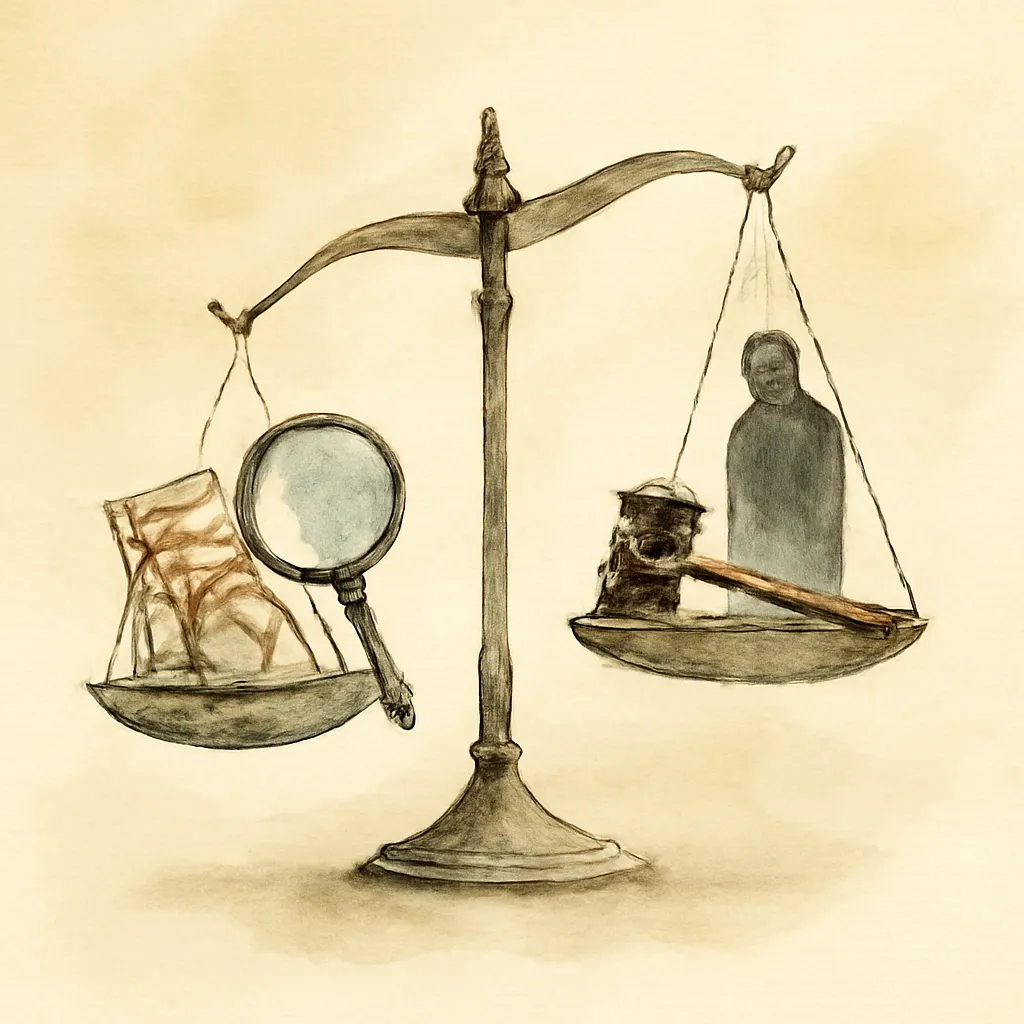
While Douglas is a strong advocate for profiling, he is candid about its limitations. He acknowledges that behavioral analysis is not infallible and can be misapplied. The book encourages critical thinking and humility, reminding readers that even the best experts can be wrong and that some mysteries may remain unsolved.
6.Why These Cases Endure
Douglas explores why certain crimes continue to haunt the public imagination. He suggests that unsolved cases become cultural touchstones because they tap into collective fears and fascinations, and because the lack of closure leaves room for endless speculation. The book invites readers to consider their own fascination with mystery and justice.