1.The Burden of Ambition

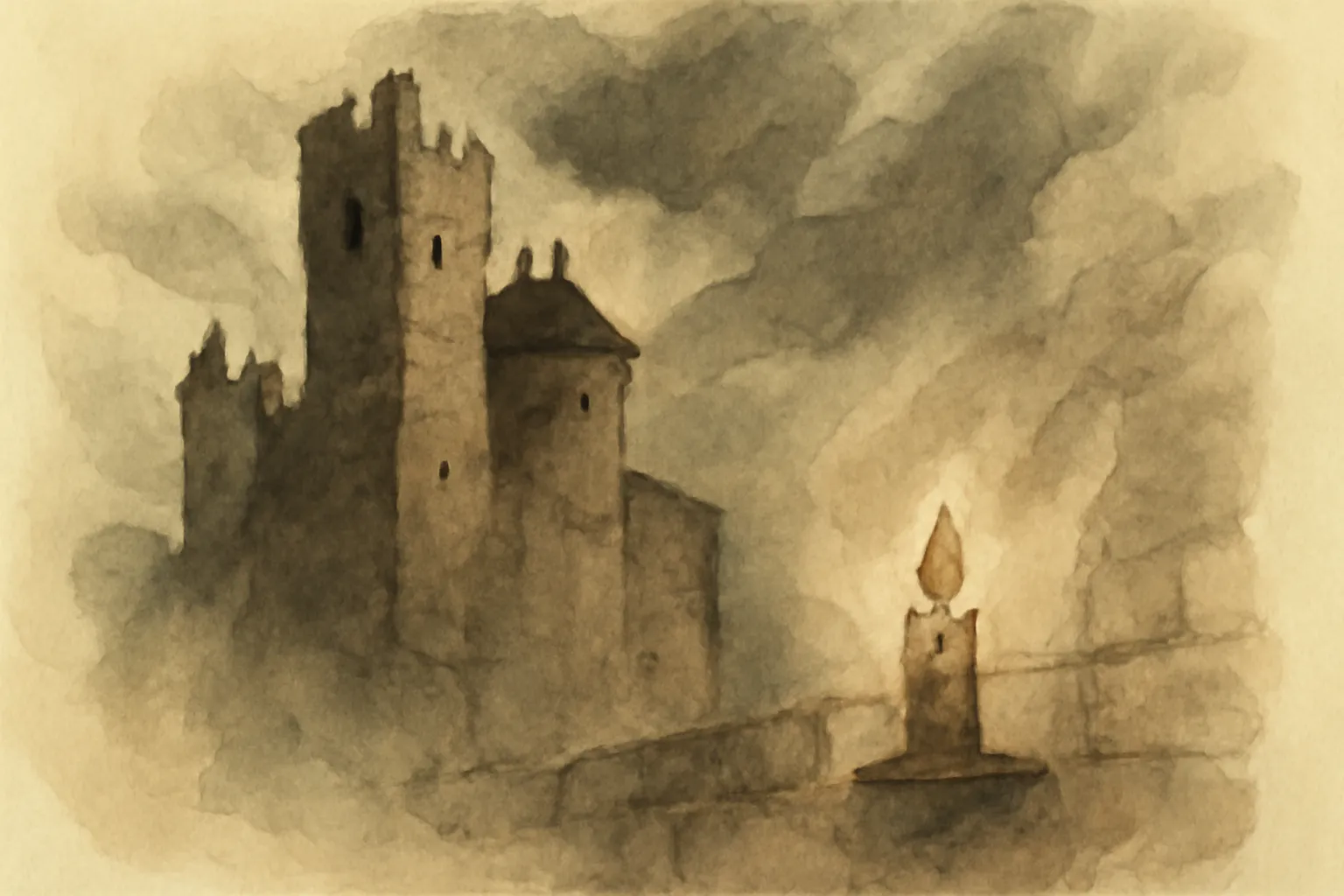
At the heart of 'The Castle of Otranto' lies the character of Manfred, the Prince whose ambition drives the narrative forward. Manfred's desire to secure his lineage through the marriage of his son Conrad to Isabella reveals his obsession with power and legacy. This ambition is not rooted in love or familial bonds but in a desperate attempt to thwart an ominous prophecy that haunts him, claiming that his line shall end when the rightful heir grows too large to inhabit the castle. The irony here is that his ambition, rather than safeguarding his family, ultimately leads to its destruction. Manfred's disregard for his daughter's feelings and his relentless pursuit of power blind him to the dangers posed by his own actions. His ambition is a double-edged sword, highlighting how the desire for control can corrupt one's morals and lead to catastrophic consequences. Through Manfred, Walpole critiques the dangers inherent in unchecked ambition, illustrating how it can distort familial ties and lead to ruin.
2.Prophecy and Fate

The prophecy that looms over the castle serves as a catalyst for the unfolding drama, creating an atmosphere thick with tension and foreboding. It foretells that the castle and lordship will pass from Manfred's family when the rightful heir grows too large to inhabit it. This prophecy instills a sense of urgency and paranoia in Manfred, driving him to act with haste and desperation. The characters' actions seem dictated by their attempts to evade this fate, with Manfred's increasingly tyrannical behavior stemming from his fear of losing power. The prophecy serves as a reminder that despite their efforts to control their destinies, the characters are ensnared by forces beyond their comprehension. Walpole deftly intertwines themes of prophecy and fate, suggesting that individuals can strive to alter their paths, yet they may ultimately be bound by the very forces they seek to escape. The tension between free will and predestined outcomes is a central theme of the novel, prompting readers to reflect on how much of their lives is dictated by fate and how much is determined by their own choices.
3.The Role of Women

Walpole's portrayal of women in 'The Castle of Otranto' reflects the societal expectations of the 18th century while simultaneously revealing the strength and agency of his female characters. Matilda and Isabella serve as foils to one another, showcasing different aspects of femininity and vulnerability. Matilda is depicted as brave and loyal, grappling with her father's oppressive rule and her own burgeoning desires. In contrast, Isabella is portrayed as innocent and vulnerable, caught in the web of manipulation spun by Manfred. The dynamic between these two women illustrates the limited agency granted to them within a patriarchal society, where their fates are often determined by the men around them. Yet, despite their circumstances, both women exhibit resilience in the face of adversity. Matilda's quiet strength and loyalty to her mother contrast sharply with Manfred's tyrannical behavior, illuminating the complexities of female relationships in a male-dominated world. Walpole’s nuanced portrayal encourages readers to consider the struggles women face in asserting their identities and finding their voices amid societal constraints.
4.The Supernatural as a Reflection of Inner Turmoil

The supernatural elements in 'The Castle of Otranto' serve as manifestations of the characters' inner conflicts and fears, heightening the psychological tension of the narrative. The appearance of the giant helmet and the mysterious occurrences within the castle evoke a sense of dread and foreboding, symbolizing the emotional states of the characters, particularly Manfred. As he grapples with guilt and paranoia, these supernatural occurrences become tangible expressions of his inner turmoil. The haunting presence of the past within the castle mirrors the psychological burdens carried by the characters, suggesting that their fears and desires cannot be easily escaped. Walpole uses the supernatural as a narrative device to amplify the emotional stakes, inviting readers to explore the boundaries between reality and imagination. The presence of the supernatural invites contemplation on how fear can distort perception and influence behavior. By intertwining the supernatural with the psychological, Walpole deepens the reader's engagement with the characters’ struggles, illustrating how their inner demons can manifest in the external world.
5.Conflict and Resolution

The conflicts in 'The Castle of Otranto' are multifaceted, encompassing familial strife, the struggle for power, and the clash between personal desires and societal expectations. Manfred’s desire to control the fates of his family leads to a series of tragic events, including the untimely death of his son, Conrad, which serves as the catalyst for the unraveling of his plans. The conflict escalates as Manfred's desperation drives him to increasingly tyrannical actions, resulting in chaos and bloodshed. The eventual resolution of these conflicts, particularly the confrontation between Manfred and Theodore, the rightful heir, serves as a commentary on justice and moral reckoning. Through the resolution, Walpole illustrates the consequences of ambition and the notion that individuals must ultimately face the repercussions of their actions. The resolution highlights the theme of cosmic justice, suggesting that one's deeds and moral choices play a critical role in determining fate. The interplay of conflict and resolution enriches the narrative, adding depth to the exploration of moral complexity and the human experience.
6.The Gothic Setting
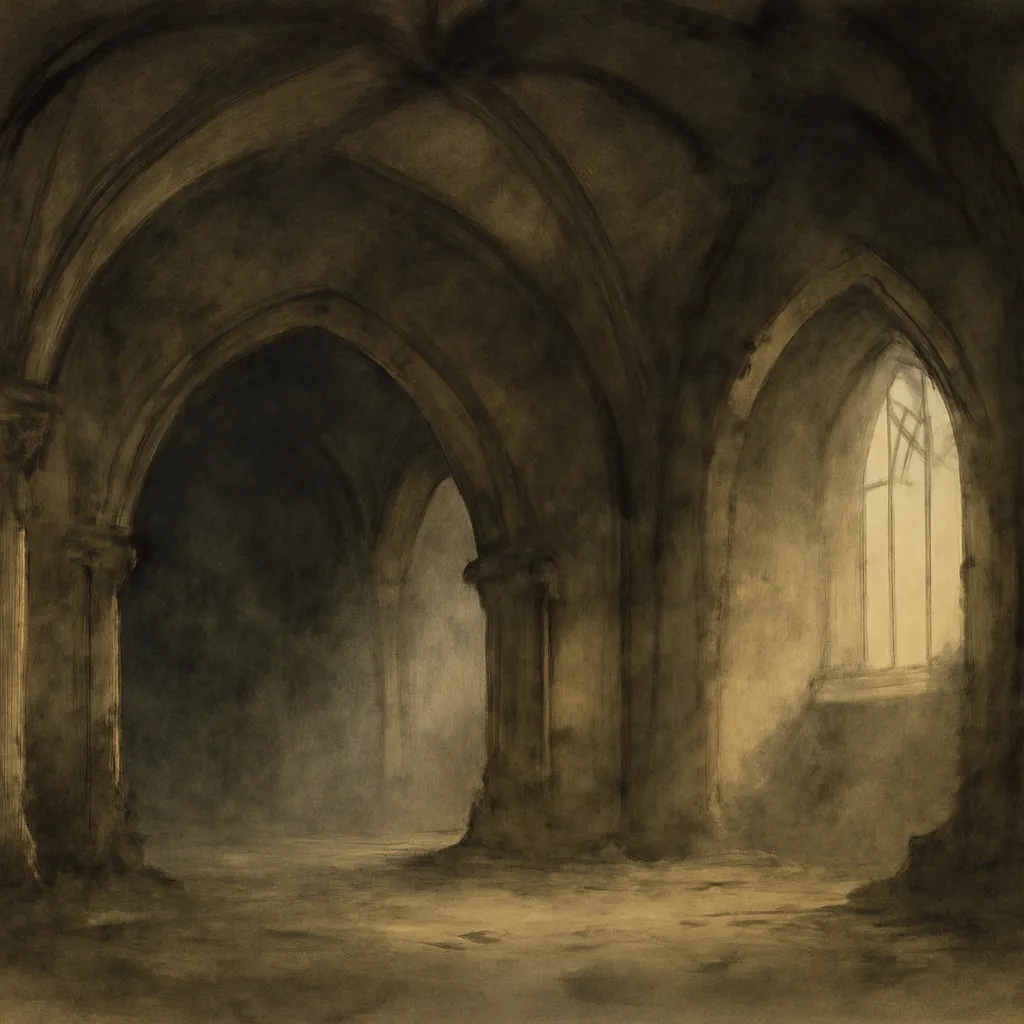
The setting of the castle itself is integral to the novel's Gothic atmosphere, functioning as a symbol of decay and the oppressive weight of history. Walpole's detailed and evocative descriptions of the castle create an environment rich with suspense and foreboding. The towering battlements, shadowy corridors, and oppressive stone walls serve to enhance the psychological tension faced by the characters. The castle is not merely a backdrop; it embodies the oppressive nature of Manfred’s rule and the dark secrets hidden within its walls. This Gothic setting amplifies the emotional stakes for the characters, who navigate fears both real and imagined. The castle becomes a character in its own right, representing the legacy of the past that looms over the present. Walpole's use of rich imagery immerses readers in a world where the past is inextricably linked to the characters' fates, illustrating the ways in which history shapes personal destiny and societal structures. This interplay between setting and character deepens the narrative's psychological impact.
7.The Nature of Tyranny
Through Manfred, Walpole explores the archetype of the tyrant, illustrating how absolute power can corrupt and lead to moral decay. Manfred's character embodies the dangers of tyranny, as he prioritizes ambition and control over the well-being of his family. His harsh treatment of those around him, particularly Matilda and Isabella, highlights the destructive nature of authoritarian rule. The novel critiques the tyranny of the individual over the collective, as Manfred’s actions lead to suffering and chaos within the castle. His descent into madness serves as a cautionary tale about the perils of unchecked power and ambition. Walpole presents tyranny not only as a political concept but as a deeply personal struggle, revealing the fragility of human relationships in the face of authoritarian rule. Through the character of Manfred, the narrative invites readers to reflect on the moral complexities of power and the ways in which it can distort human relationships.
8.The Intersection of Love and Power

Romantic relationships in 'The Castle of Otranto' are deeply intertwined with themes of power and control. The dynamics between Manfred, Matilda, Isabella, and Theodore illustrate how love can become a battleground for power struggles. Matilda’s love for Theodore is complicated by her father’s manipulative designs, as Manfred seeks to assert his dominance over her destiny. The relationship between Isabella and Theodore further complicates the narrative as their romance unfolds against a backdrop of coercion and ambition. Walpole presents love as a double-edged sword, capable of inspiring courage but also leading to betrayal and despair. The characters navigate a treacherous landscape where love becomes a means of manipulation, revealing the darker sides of human desire. By intertwining love with power dynamics, Walpole enriches the narrative, prompting readers to consider the multifaceted nature of human relationships and the ways in which they are influenced by societal expectations and individual ambitions.
9.Legacy and Memory
The theme of legacy permeates 'The Castle of Otranto,' as characters grapple with the weight of their ancestors’ actions and the legacies they will leave behind. Manfred’s obsession with securing his lineage reflects a broader concern with family history and the burdens it imposes. The castle serves as a monument to the past, filled with echoes of previous generations, and characters like Matilda and Isabella are haunted by the legacies they inherit. Walpole underscores the idea that the past is inescapable, shaping the present in profound ways. The characters confront their memories and the choices of their predecessors, illustrating how history influences personal identity and societal structures. This theme invites readers to reflect on the complexities of legacy and the impact of choices made by those who came before us, prompting a deeper understanding of how our histories shape our present realities.