1.The Creation and Destruction of the World
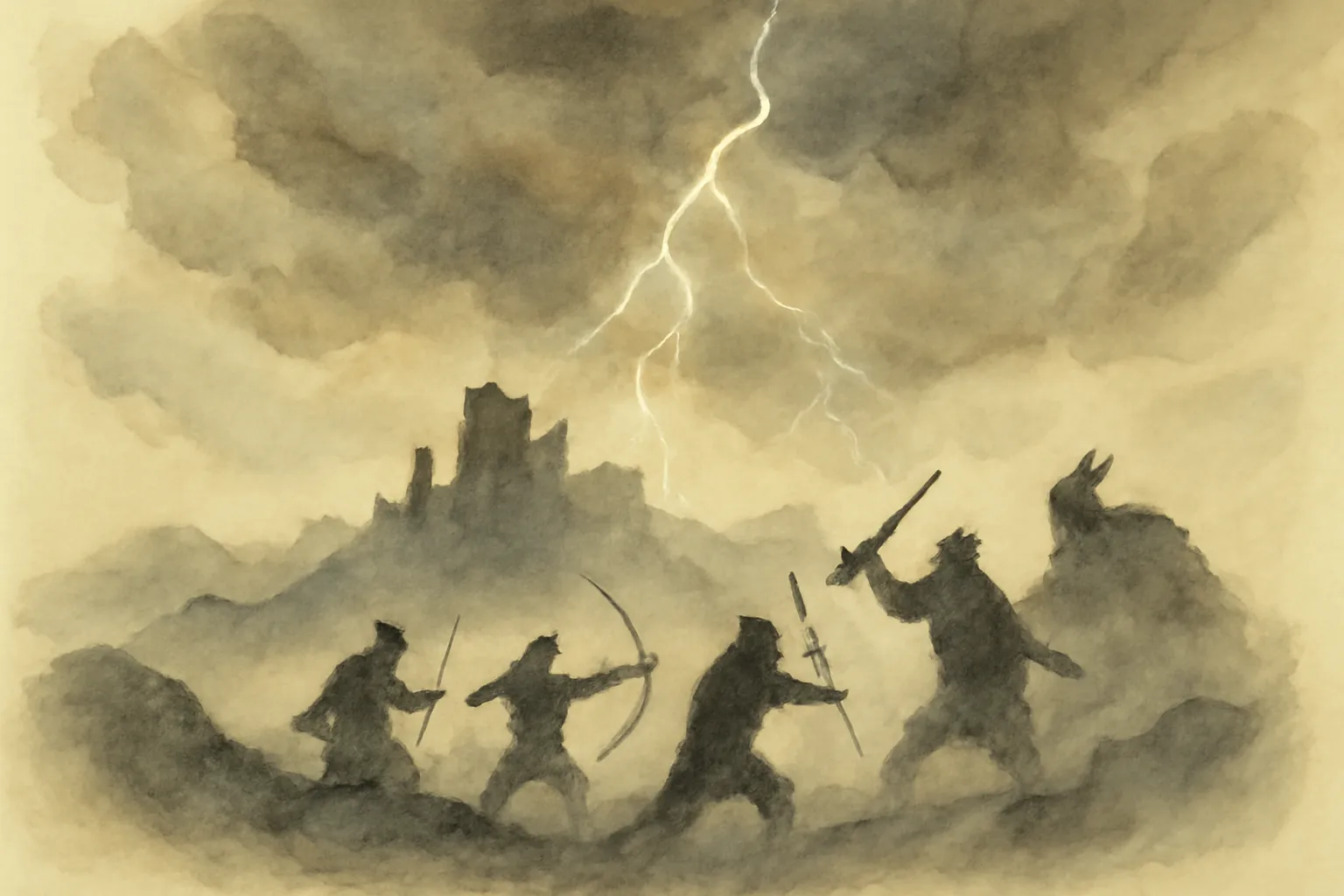
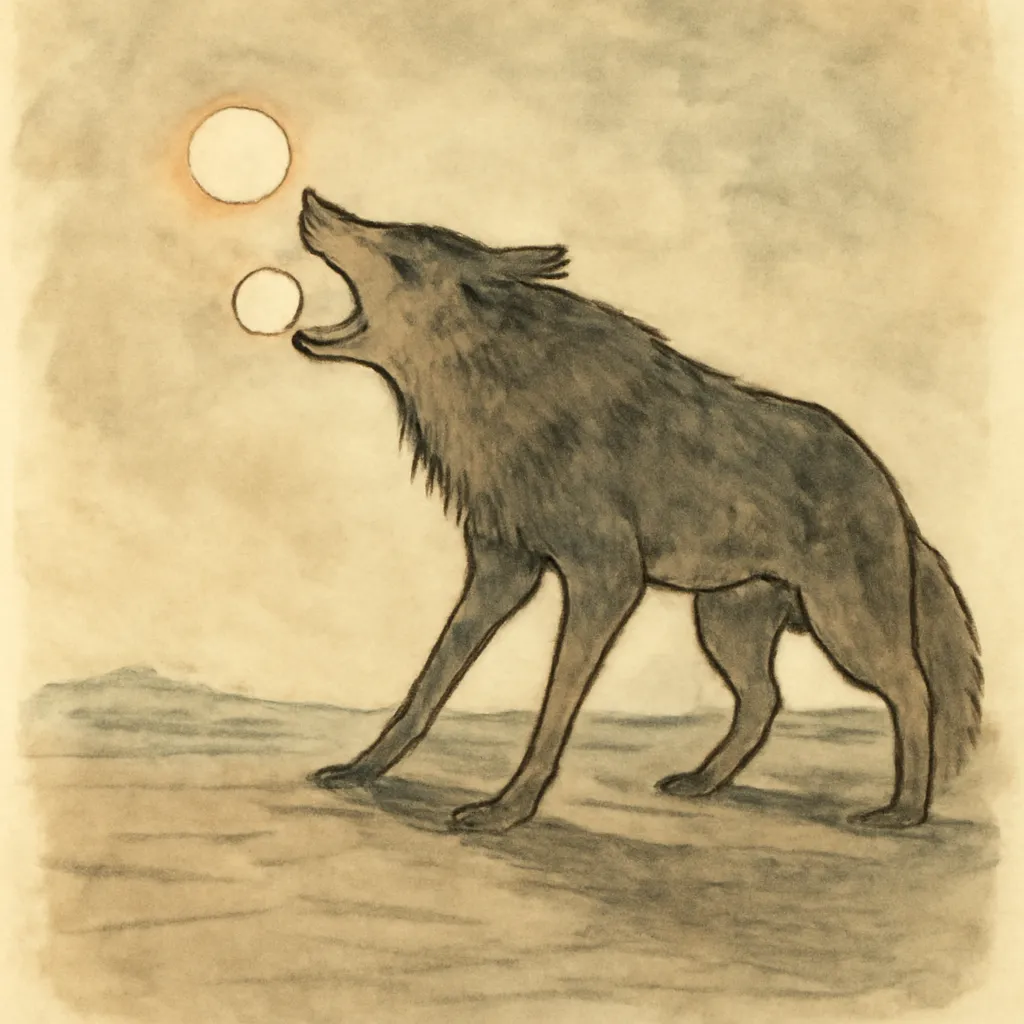
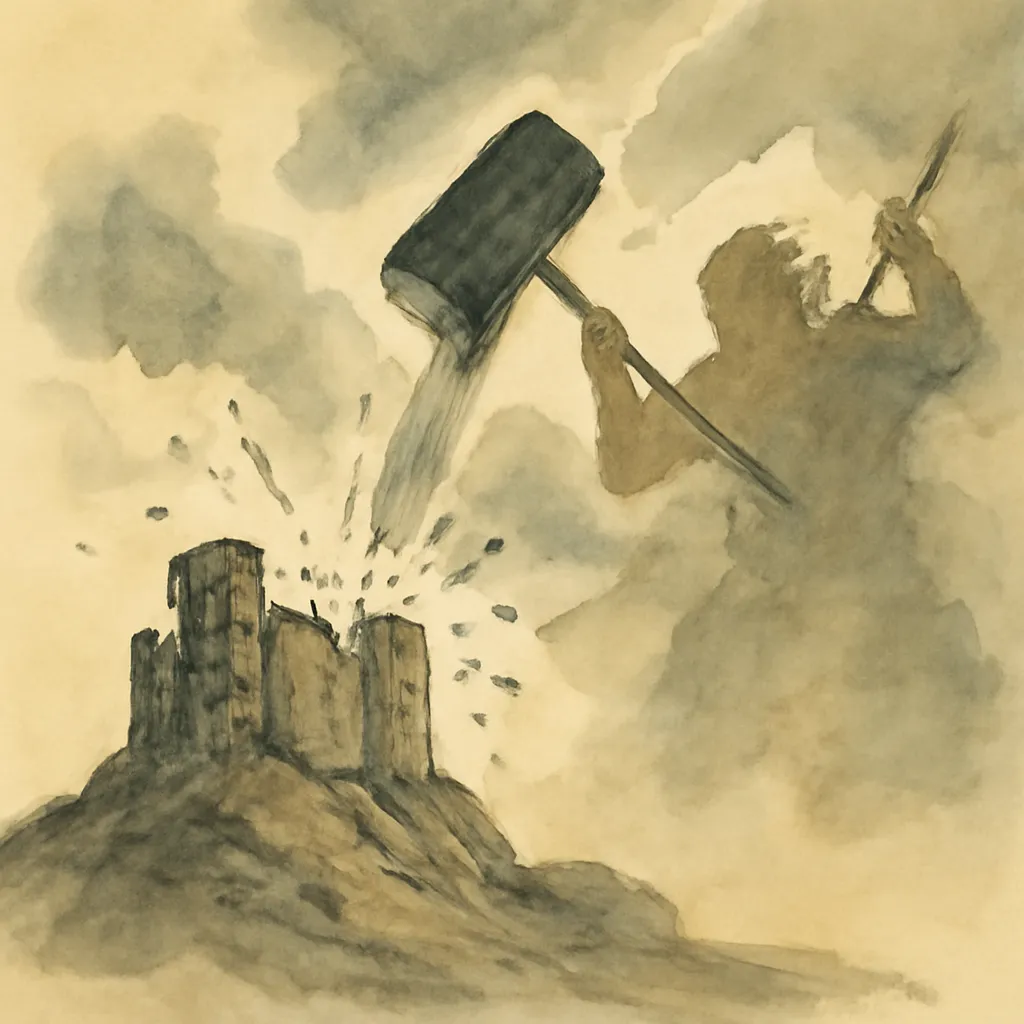
The mythological world begins with a different Sun and Moon, named Sol and Mani, who are eventually devoured by wolves, plunging the world into darkness. This cataclysmic event is known as Ragnaroek, the Twilight of the Gods, where all but a few gods meet their doom. Odin, Thor, and others face the destruction of everything they know, representing not just an end but also a transition to a new beginning. The tales depict the finality of death and destruction as part of a larger cycle, where the death of the old gives way to the birth of the new. Yet, amidst this chaos, hope is reborn as a new Sun and Moon emerge, signifying renewal and the potential for new life. The story of Lif and Lifthrasir, the two humans who survive, illustrates the cyclical nature of existence in Norse mythology, portraying both the fragility and resilience of life, and emphasizing that even in darkness, there is the promise of light and rebirth.
2.Odin’s Quest for Wisdom
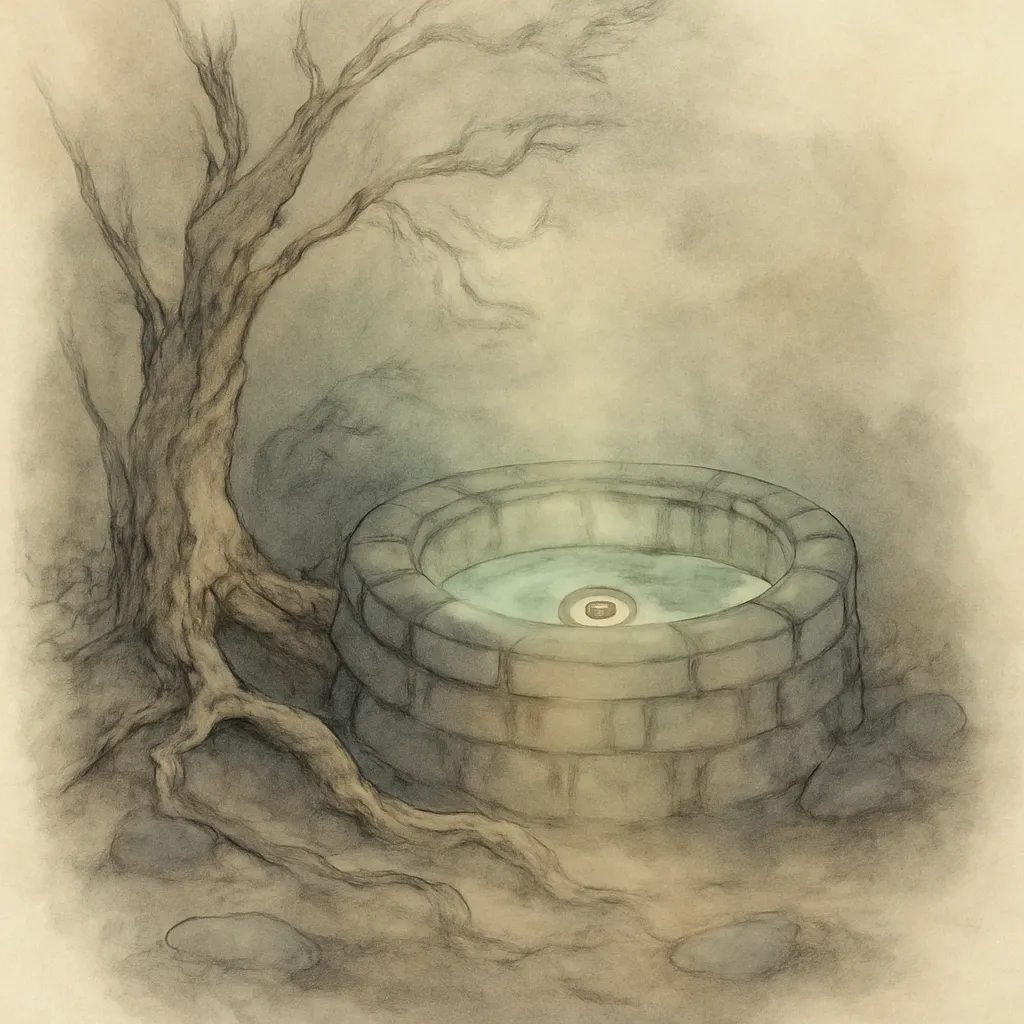
Odin, the All-Father, embarks on a perilous journey to Mimir's Well, seeking the wisdom that will help him understand the fate of the gods. His sacrifice is profound—he sacrifices one of his eyes to drink from the well, a testament to the lengths he will go for knowledge. This act underscores a central theme in Norse mythology: wisdom often comes at a great cost. Odin, now disguised as Vegtam the Wanderer, engages in a riddle contest with the giant Vafthrudner, showcasing his cunning and intelligence. The stakes are high, with both their lives on the line. Odin’s ability to answer the giant’s riddles not only affirms his wisdom but also foreshadows the importance of knowledge in navigating the challenges that lie ahead. This quest illustrates that wisdom is not merely an intellectual pursuit; it requires sacrifice, courage, and the willingness to confront one's fate.
3.The Mischievous Loki
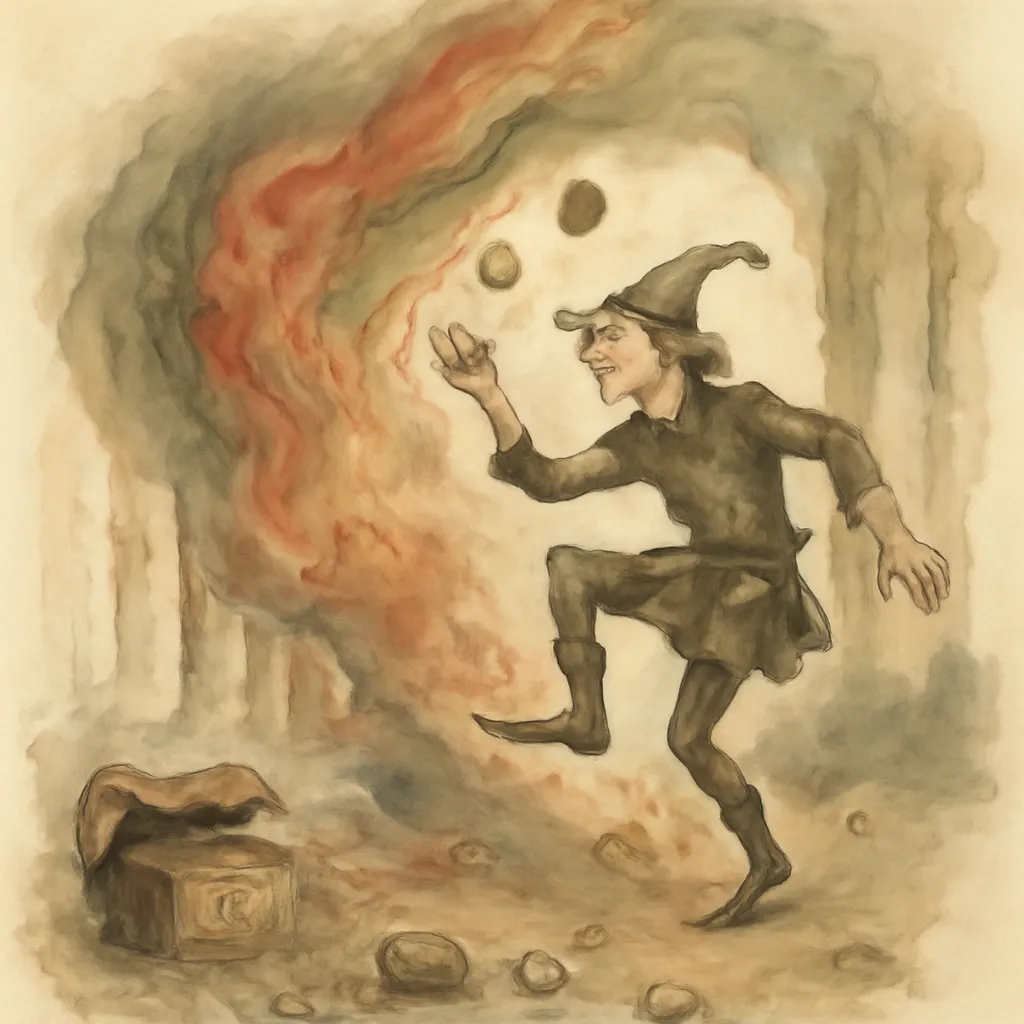
Loki, the trickster god, embodies both chaos and creativity, often straddling the line between good and evil. His antics frequently lead to trouble for the other gods, as seen in the tale of Iduna and her apples, which are crucial for maintaining the youth of the AEsir. When Loki orchestrates her kidnapping, the gods begin to age, leading to a desperate search for her. This narrative highlights the duality of Loki’s character: while he can cause chaos, he also plays a pivotal role in the gods’ adventures. His mischief is not purely malevolent; it often sparks significant events that propel the stories forward. For instance, Loki's actions ultimately lead to the creation of Thor's hammer, Mjolnir, which becomes vital in their battles against giants. This complexity makes Loki a fascinating figure who challenges the gods and introduces unpredictability into their lives, demonstrating the necessity of both order and chaos in the world.
4.Thor’s Heroic Exploits
Thor, the god of thunder, is depicted as a fierce protector of Asgard, wielding his mighty hammer, Mjolnir, against giants and other threats. His adventures often involve battles that showcase his strength and bravery, such as his encounter with the giant Thrym, who steals Mjolnir. In a clever twist, Thor disguises himself as Freya to retrieve his hammer, blending humor with heroism. This story emphasizes the themes of loyalty and the lengths one will go to protect their home and loved ones. Thor's character represents the archetypal hero in Norse mythology, embodying physical might and moral fortitude, making him a beloved figure among the gods and humans alike. Additionally, his interactions with Loki, filled with camaraderie and tension, highlight the dynamics of friendship and rivalry, enriching his character and making his tales more relatable.
5.The Role of Fate and Destiny
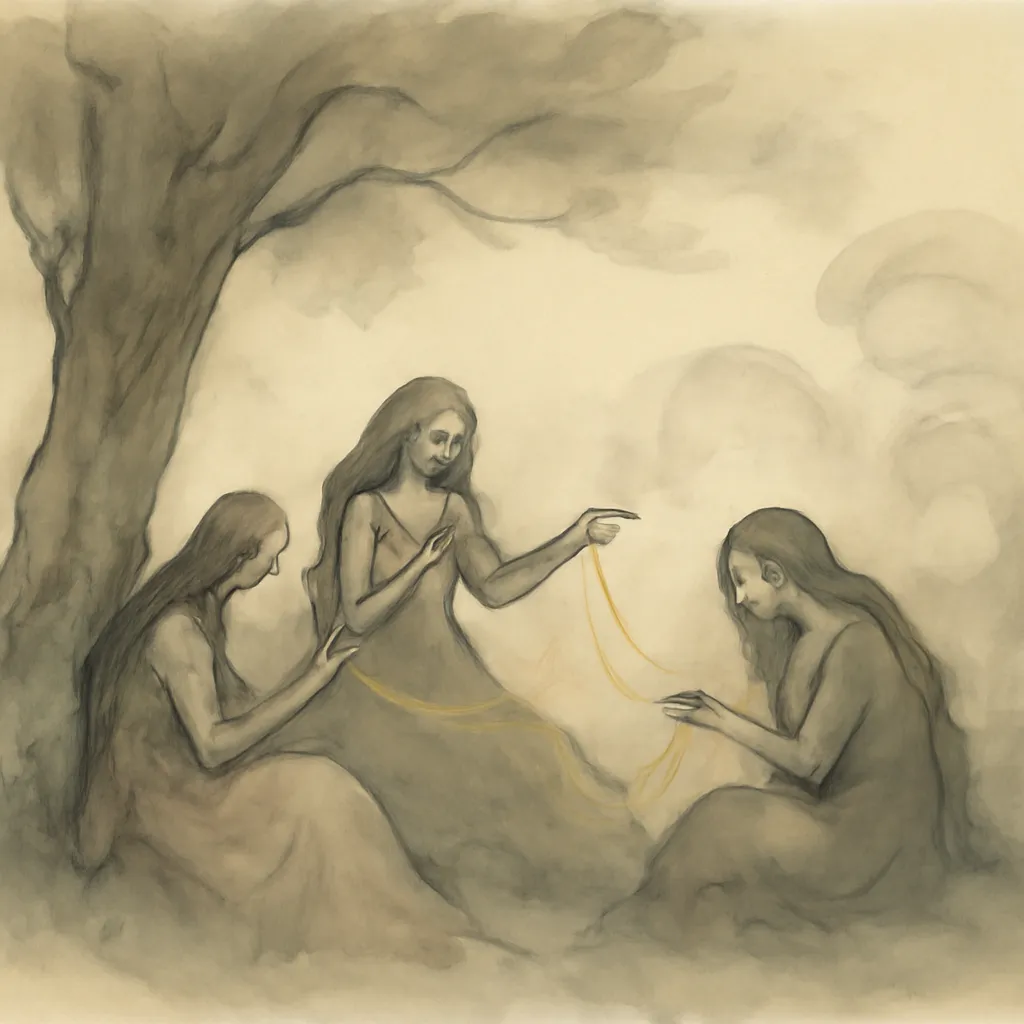
Fate plays a crucial role in Norse mythology, often depicted as a powerful force that even the gods cannot escape. The concept of Norns, the three fate-women, illustrates this belief, as they weave the destinies of gods and men alike. Odin himself is acutely aware of the impending doom at Ragnaroek, which shapes his actions throughout the myths. His foreboding sense of fate drives him to seek wisdom and prepare for the inevitable, showing that even a god cannot avoid their destiny. This tension between free will and destiny raises profound questions about the nature of existence and the struggles individuals face in the face of predetermined outcomes. The narratives often illustrate that while one can strive to influence their fate, ultimate control lies beyond even the gods' reach. This tension invites readers to reflect on their own lives, considering the balance between action and acceptance of fate.
6.Love and Loss in the Myths
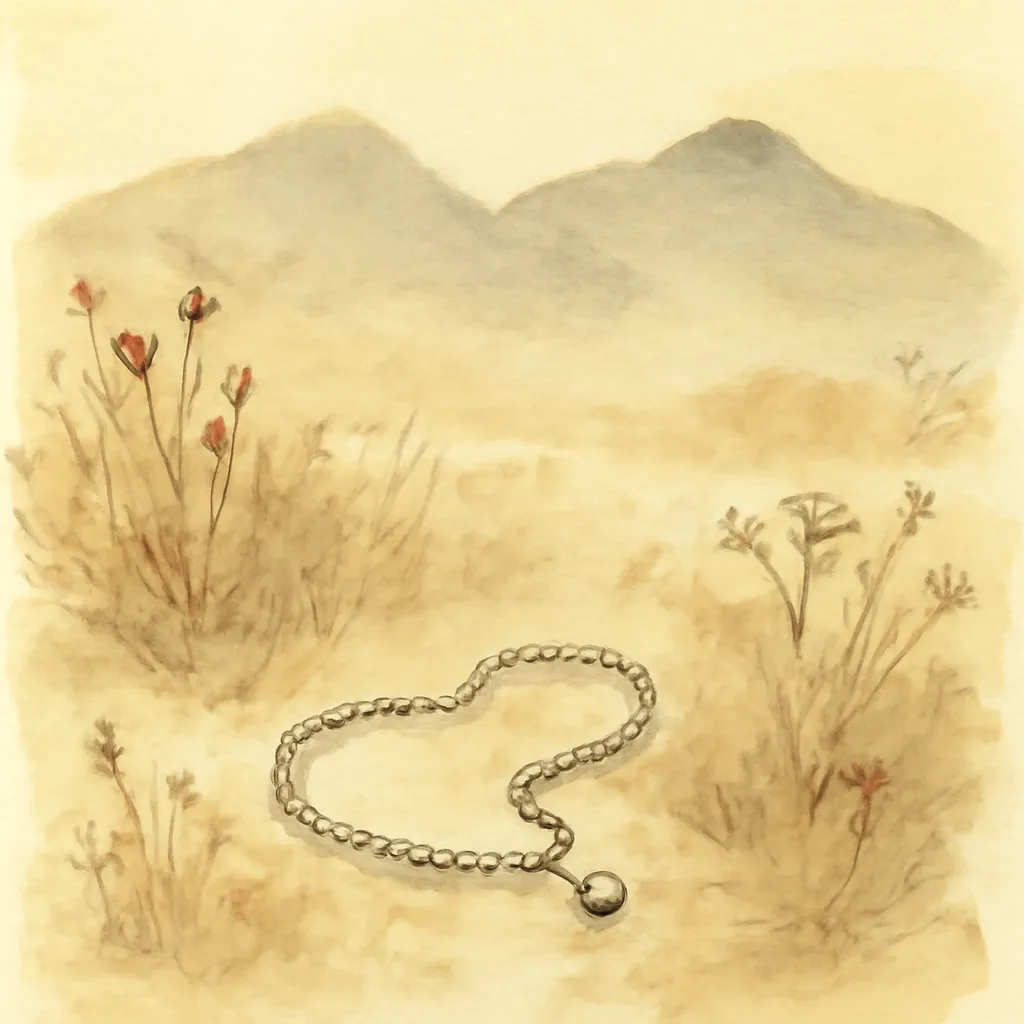
The stories of love and loss permeate the Norse sagas, illustrating the emotional depth of the characters. Freya's quest for her lost necklace, which symbolizes her beauty and power, reveals the fragility of love and the sacrifices made for it. Similarly, the tragic fate of Baldur, whose death brings sorrow to all the gods, highlights the profound impact of loss. His mother, Frigga, embodies the pain of losing a child, and her quest to retrieve him from the underworld emphasizes the lengths to which one will go for love. The narrative surrounding Baldur’s demise serves not only as a pivotal moment in the mythology but also as a reflection on the inevitability of death and the grief that accompanies it. These stories of love and loss serve as poignant reminders of the transient nature of happiness and the inevitable heartache that accompanies deep emotional connections, resonating with readers on a universal level.
7.The Legacy of the Volsungs
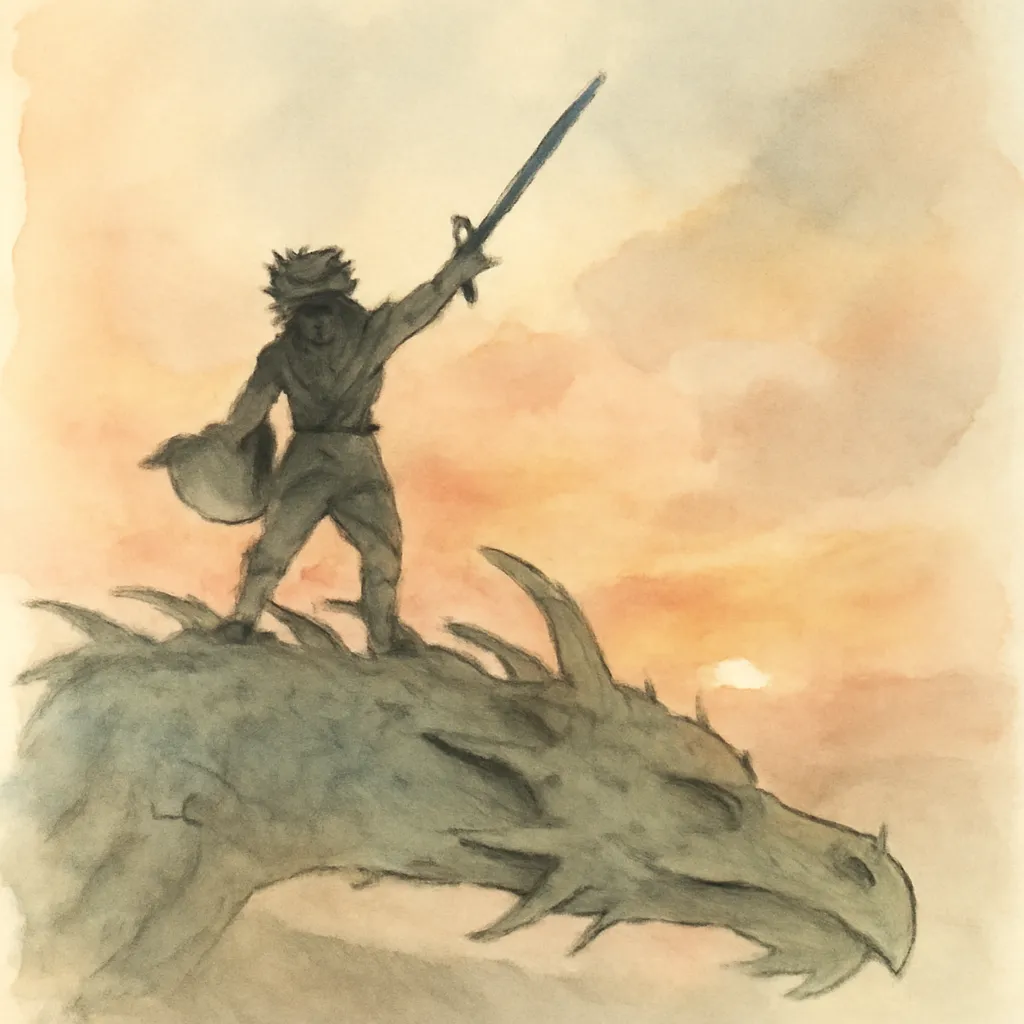
The saga of the Volsungs, particularly the heroic figure of Sigurd, weaves a tale of bravery, betrayal, and the quest for vengeance. Sigurd's journey, from his fearless youth to his legendary battles against dragons, encapsulates the heroic ideal in Norse culture. His encounter with the dragon Fafnir, where he claims the cursed treasure, underscores the themes of greed and the consequences of ambition. The tragic unfolding of events surrounding Sigurd’s fate, including his love for Brynhild and the treachery that leads to his death, emphasizes the intertwining of fate and personal choice. The Volsung legacy serves as a cautionary tale about the perils of ambition and the complexity of human relationships, illustrating how the pursuit of glory can lead to both great triumph and catastrophic downfall. Sigurd's story is emblematic of the Norse belief in the heroic code, where honor, loyalty, and valor are paramount, yet fraught with the risks that accompany such ideals.
8.The Valkyries and the Afterlife
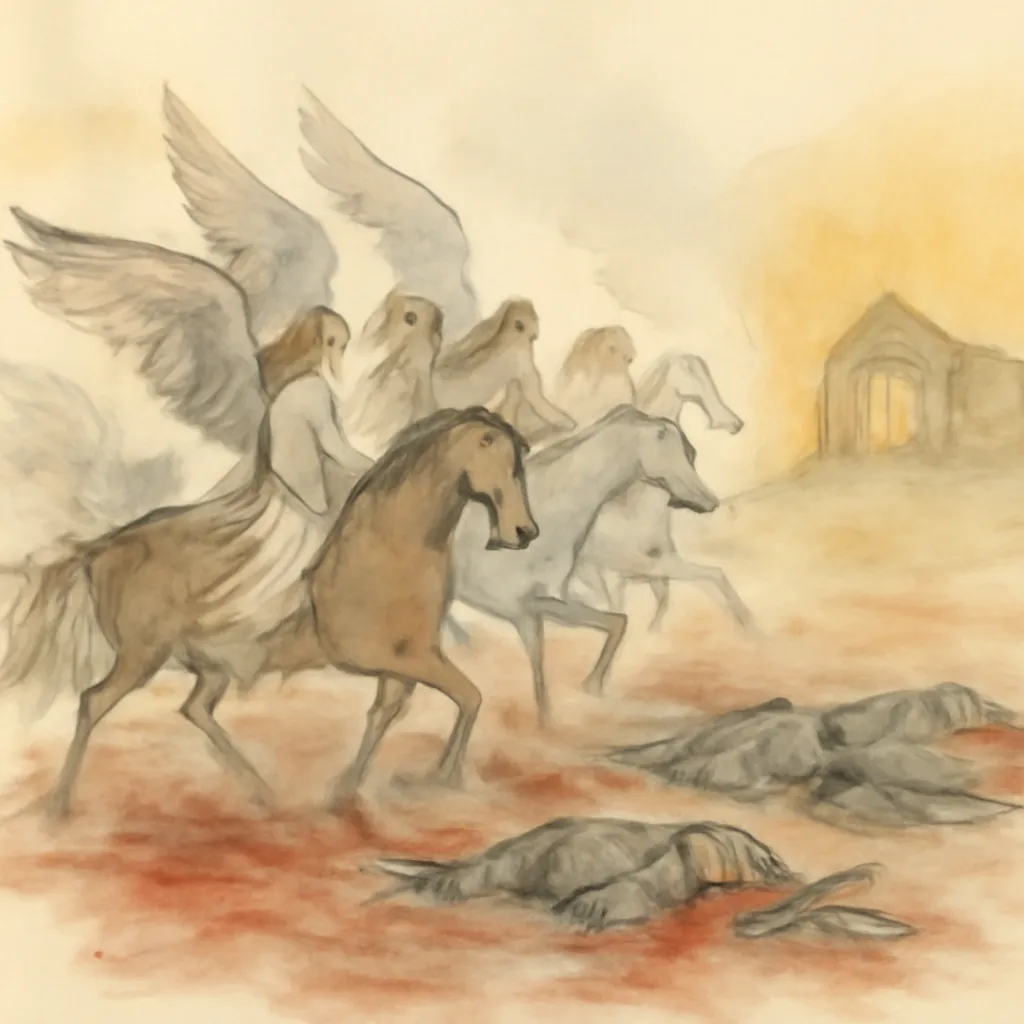
The Valkyries, warrior maidens serving Odin, play a crucial role in the Norse belief system regarding death and the afterlife. They choose those who will die in battle and escort the fallen warriors to Valhalla, where they prepare for the final battle of Ragnaroek. This portrayal of the Valkyries highlights the honor associated with dying in combat and the belief in an afterlife filled with glory. Their presence in the myths reflects the societal values of courage and valor, where warriors aspire to gain a place in Valhalla. The Valkyries are not merely figures of death; they embody the complexity of fate, choice, and the warrior ethos that defines Norse culture. Their interactions with mortal heroes, especially in selecting who merits a place in Valhalla, showcase the intertwining of human valor and divine will, reinforcing the belief that honor in life leads to a glorious afterlife.
9.The Tragedy of Betrayal
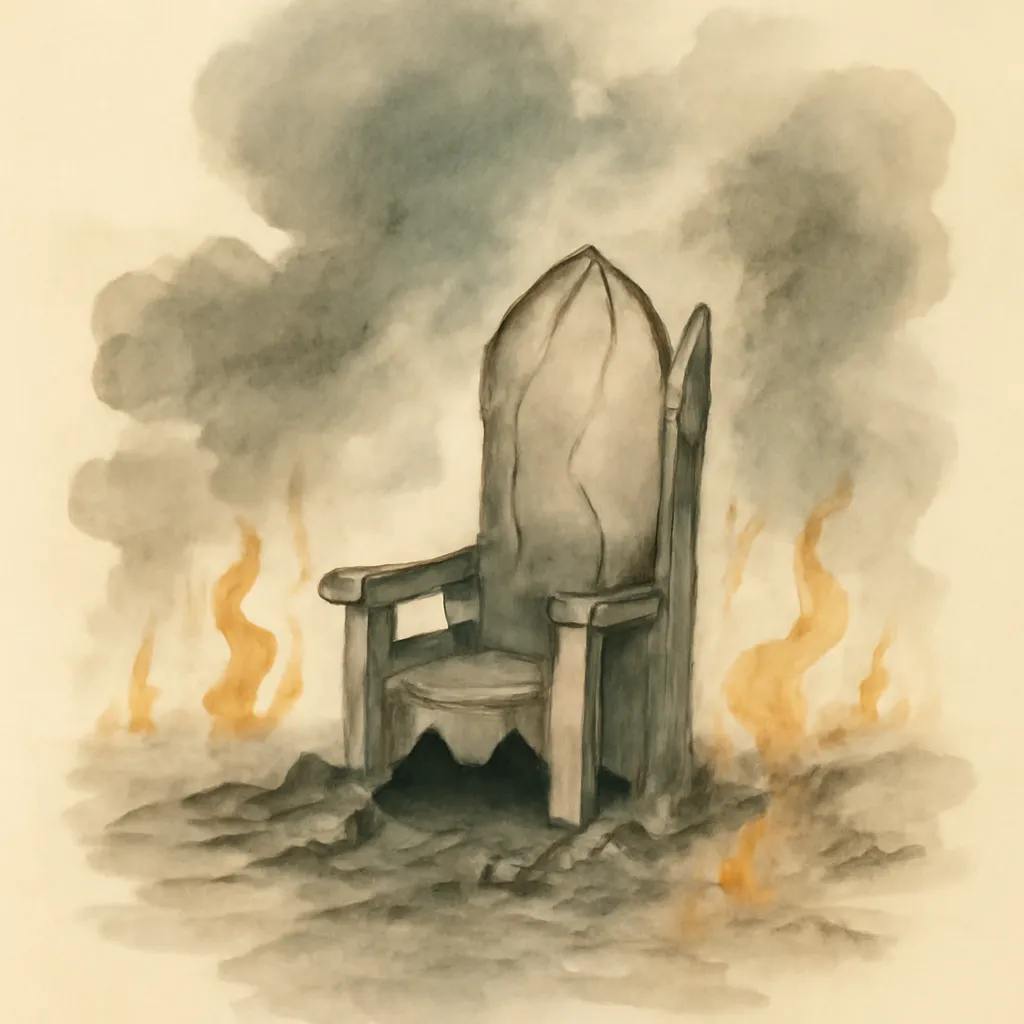
Betrayal is a recurring theme in the sagas, often leading to tragic consequences for both gods and men. Loki’s betrayal of the gods culminates in his punishment and the eventual downfall of Asgard. His actions not only affect his fate but also have far-reaching implications for the entire pantheon, highlighting the interconnectedness of their destinies. The tragic consequences of betrayal are seen in the story of Sigurd, whose life is marred by deceit and treachery from those closest to him, particularly involving Brynhild and Gunnar. These narratives underscore the fragility of trust and loyalty, serving as a reminder of the potential for darkness within even the most heroic figures. This theme resonates deeply, illustrating that the bonds of kinship and friendship can be easily shattered, leading to destruction and loss. The exploration of betrayal in these myths serves as a cautionary tale about the dangers of deceit and the moral complexities of human relationships.
10.The Interplay of Good and Evil
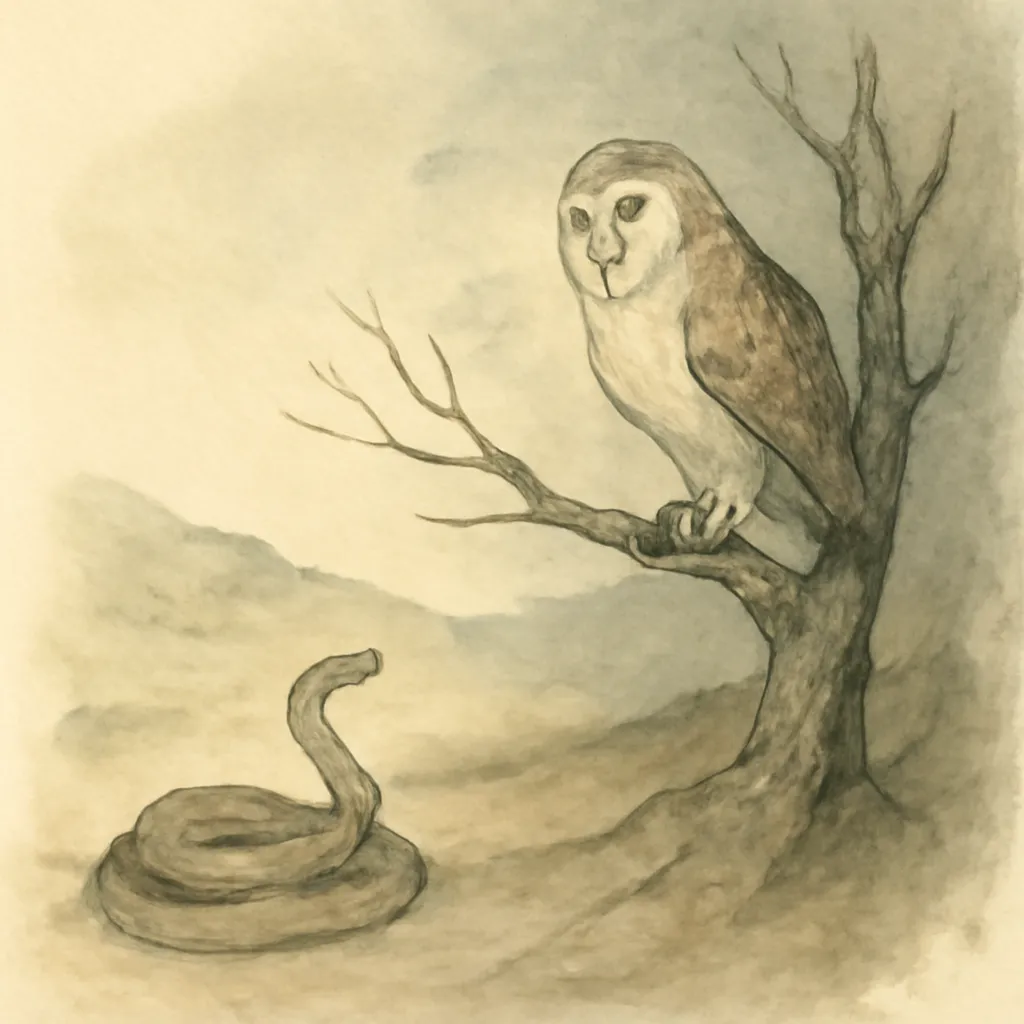
The Norse myths intricately explore the dichotomy of good and evil, particularly through characters like Loki and Odin. While Odin embodies wisdom and sacrifice, Loki represents chaos and cunning, challenging the moral fabric of the gods. The tension between these opposing forces drives the narratives, leading to conflicts that reveal the complexities of human nature. The gods are not infallible; they grapple with their flaws and the consequences of their actions, making them relatable figures. This interplay of good and evil illustrates the moral ambiguity present in life, encouraging readers to reflect on their own choices and the shades of gray that exist in their lives. The myths suggest that good and evil are not absolute; rather, they exist in a delicate balance, with each character embodying traits that challenge simplistic notions of morality. This complexity invites deeper contemplation of the nature of humanity, ethics, and the choices that shape one's destiny.