
Experience the enchanting and perilous tales of Norse mythology through the captivating narratives of gods, giants, and epic battles
Read full overviewShow less›
In 'The Children of Odin: The Book of Northern Myths', Padraic Colum masterfully retells the ancient Norse sagas, immersing readers in a world where gods walk among men and mythical creatures roam the earth. This collection of stories not only highlights the grandeur of the gods like Odin, Thor, and Freya but also explores the complexities of their relationships, the treacherous schemes of Loki, and the ultimate fate of their realm. Each tale resonates with themes of sacrifice, wisdom, and the eternal struggle between good and evil, drawing readers into a rich tapestry of Northern mythology. As the stories unfold, they reveal profound insights into the nature of heroism, destiny, and the human condition, making this book a timeless treasure for both young and adult readers alike.
The tales in 'The Children of Odin' resonate with timeless themes of heroism, sacrifice, and the complexities of fate. Padraic Colum’s retellings breathe new life into these ancient myths, making them accessible for modern readers. The stories not only entertain but also provoke deep reflection on the human experience, exploring the tension between light and darkness, love and loss, and the pursuit of wisdom. As readers embark on this journey through the realms of Asgard, they encounter a rich tapestry of characters and adventures that continue to inspire and captivate, underscoring the enduring legacy of Norse mythology in our cultural landscape.
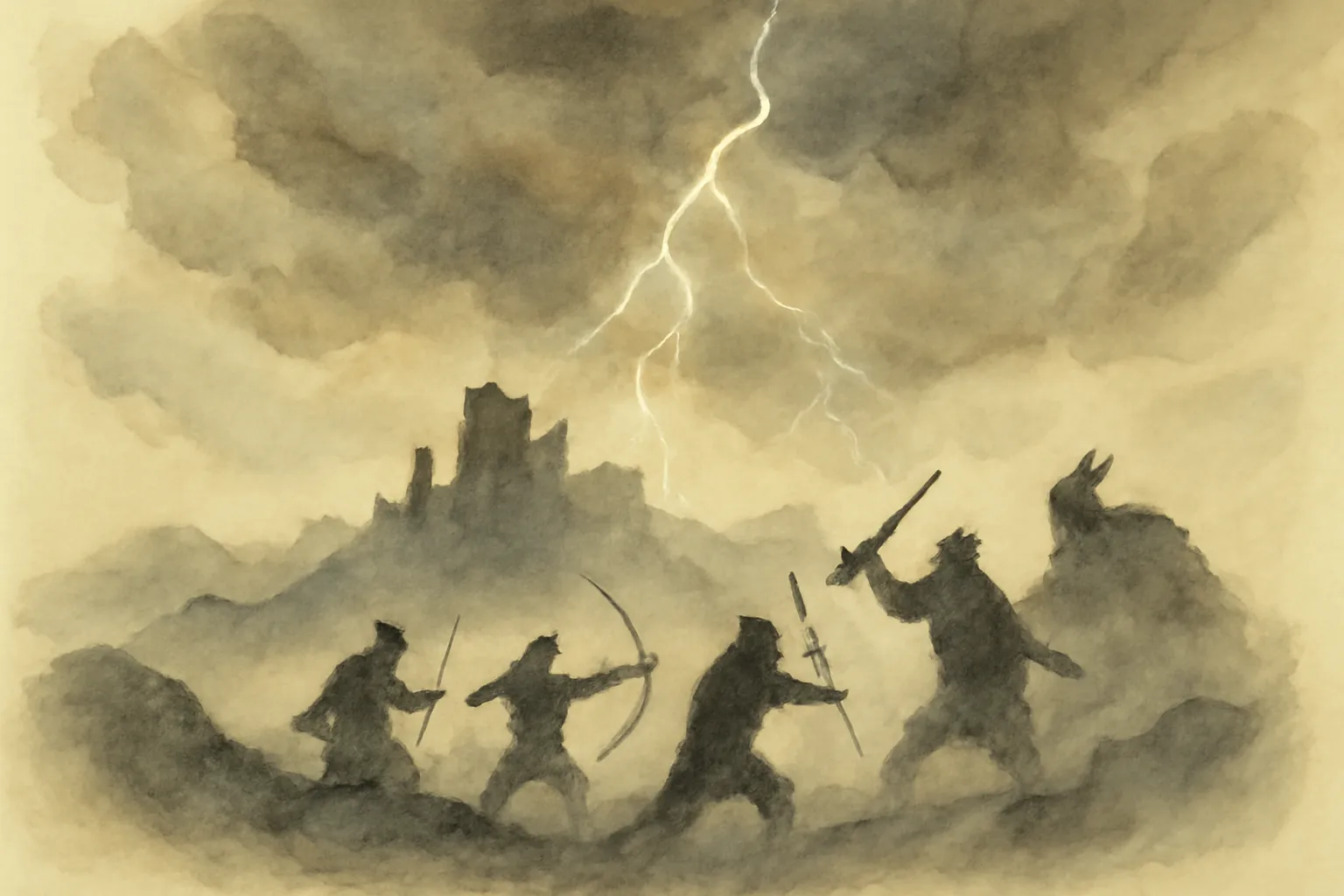
- 1The Creation and Destruction of the World
- 2Odin’s Quest for Wisdom
- 3The Mischievous Loki
- 4Thor’s Heroic Exploits
- 5The Role of Fate and Destiny
A glimpse inside

The mythological world begins with a different Sun and Moon, named Sol and Mani, who are eventually devoured by wolves, plunging the world into darkness. Read moreThe mythological world begins with a different Sun and Moon, named Sol and Mani, who are eventually devoured by wolves, plunging the world into darkness. This cataclysmic event is known as Ragnaroek, the Twilight of the Gods, where all but a few gods meet their doom. Odin, Thor, and others face the destruction of everything they know, representing not just an end but also a transition to a new beginning. The tales depict the finality of death and destruction as part of a larger cycle, where the death of the old gives way to the birth of the new. Yet, amidst this chaos, hope is reborn as a new Sun and Moon emerge, signifying renewal and the potential for new life. The story of Lif and Lifthrasir, the two humans who survive, illustrates the cyclical nature of existence in Norse mythology, portraying both the fragility and resilience of life, and emphasizing that even in darkness, there is the promise of light and rebirth. Show less
Odin, the All-Father, embarks on a perilous journey to Mimir's Well, seeking the wisdom that will help him understand the fate of the gods. Read moreOdin, the All-Father, embarks on a perilous journey to Mimir's Well, seeking the wisdom that will help him understand the fate of the gods. His sacrifice is profound—he sacrifices one of his eyes to drink from the well, a testament to the lengths he will go for knowledge. This act underscores a central theme in Norse mythology: wisdom often comes at a great cost. Odin, now disguised as Vegtam the Wanderer, engages in a riddle contest with the giant Vafthrudner, showcasing his cunning and intelligence. The stakes are high, with both their lives on the line. Odin’s ability to answer the giant’s riddles not only affirms his wisdom but also foreshadows the importance of knowledge in navigating the challenges that lie ahead. This quest illustrates that wisdom is not merely an intellectual pursuit; it requires sacrifice, courage, and the willingness to confront one's fate. Show less
Read the full text — free
About the author
Read Padraic Colum's work free on Lumina — the complete text plus an 8-minute summary and key ideas, no account needed