1.The Reality of London Life
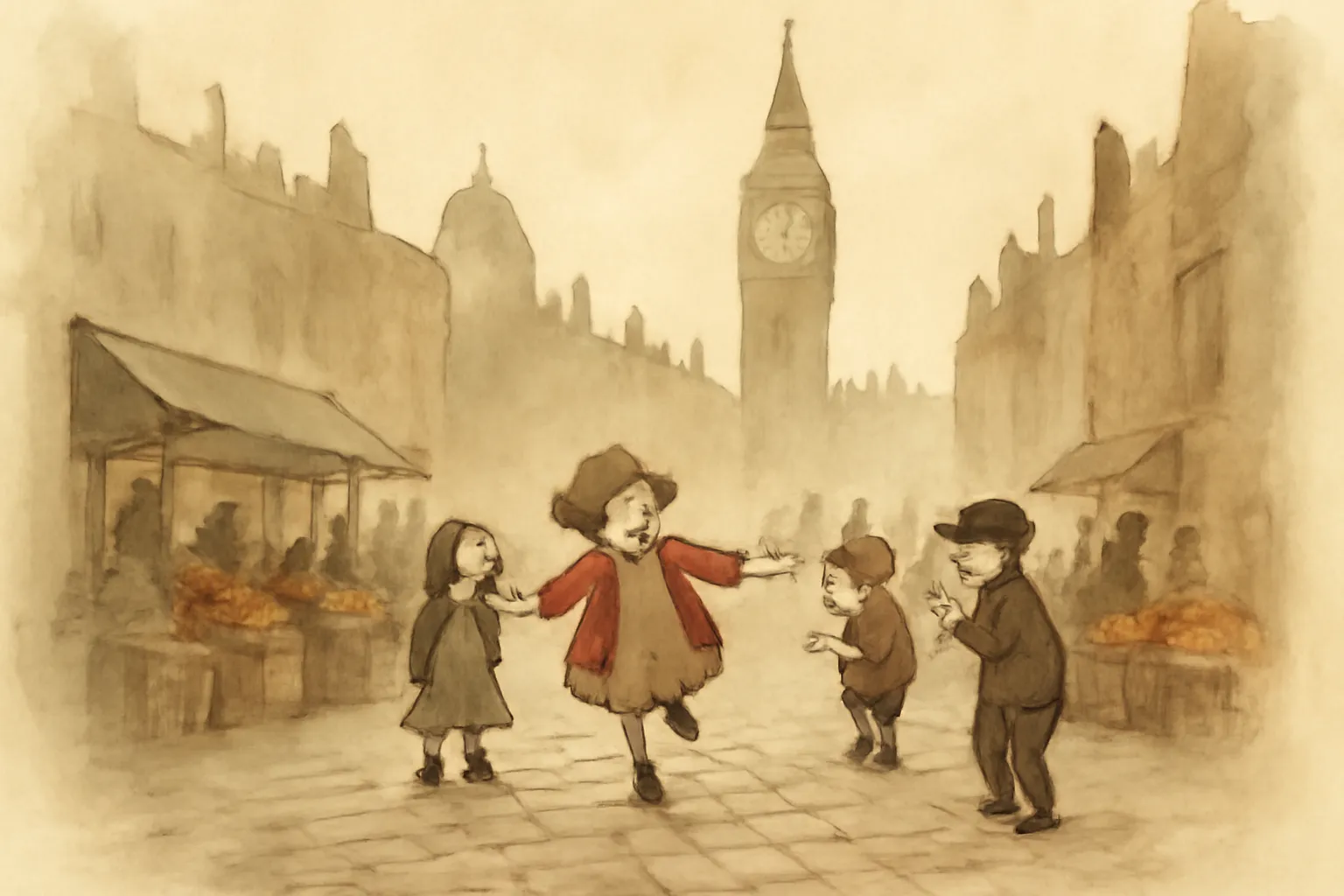
Mitton begins by dispelling the myth that London's streets are paved with gold, a notion popularized by the tales of Dick Whittington. Instead, he presents a more nuanced view of the city, emphasizing that while London is filled with wonders, it is also a place of hard work, challenges, and varied experiences. Children living in London know their neighborhoods well, but the vastness of the city means they may only be familiar with their own corners. This chapter sets the tone for the book, encouraging readers to look beyond the romanticized images of London and appreciate its true essence, which includes both joy and hardship. By presenting the authentic experiences of London’s children, Mitton helps cultivate a sense of realism and resilience, inviting readers to see life not just in terms of adventure, but also in terms of the responsibilities and realities that shape everyday existence.
2.The Three Parts of London
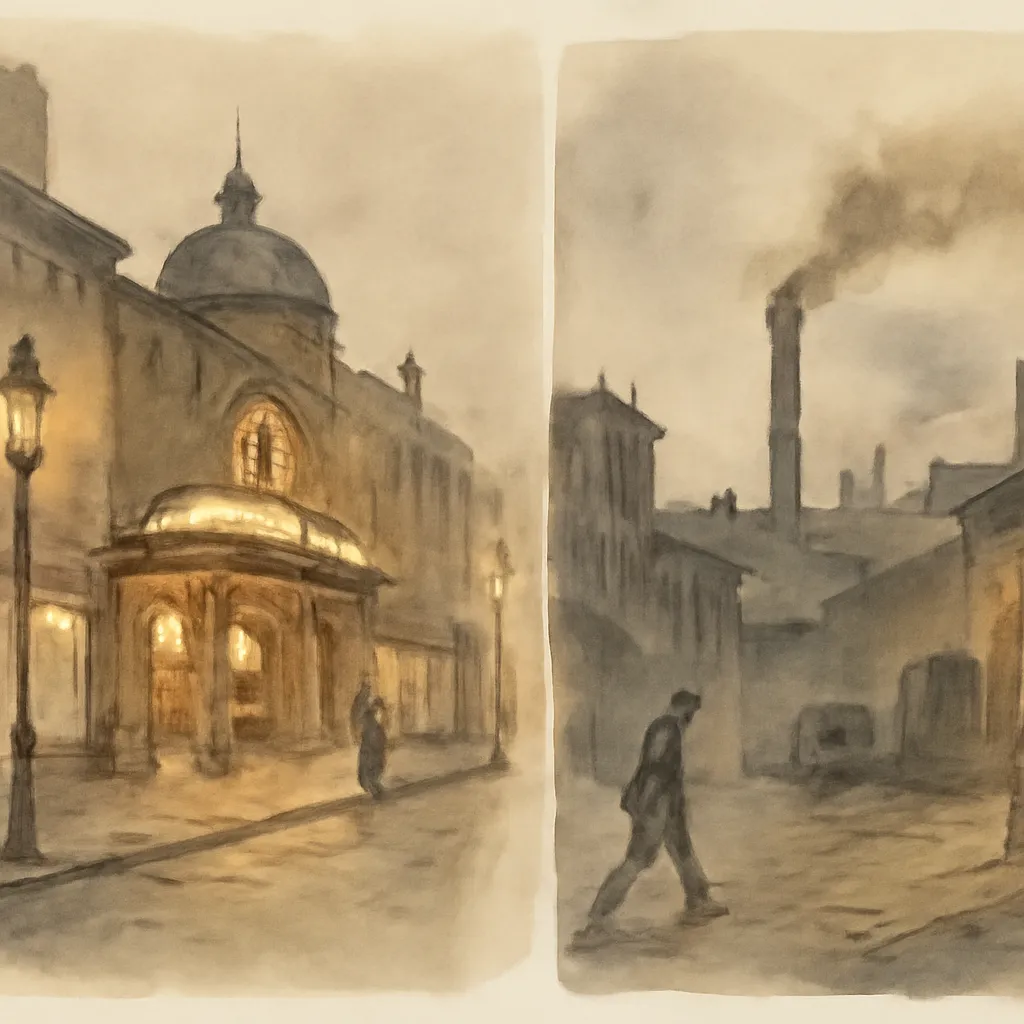
London is divided into three main areas: the West End, the City, and the East End. The West End is known for its affluence, with theaters, shopping districts, and cultural landmarks that attract both locals and tourists alike. The City serves as the economic heart of London, bustling with workers and businesses, while the East End is often portrayed as a place of poverty and struggle. Mitton illustrates the socio-economic disparities in these areas, showing how wealth and opportunity are juxtaposed with struggle and limited resources. This division highlights the stark contrasts within the city, as the rich and poor coexist in close proximity. It encourages young readers to understand these social dynamics and the rich tapestry of life in London, fostering empathy and awareness of diverse experiences. Understanding these divisions is crucial for children as it shapes their perspectives on society, class, and the importance of connection among different communities.
3.The King's Palaces
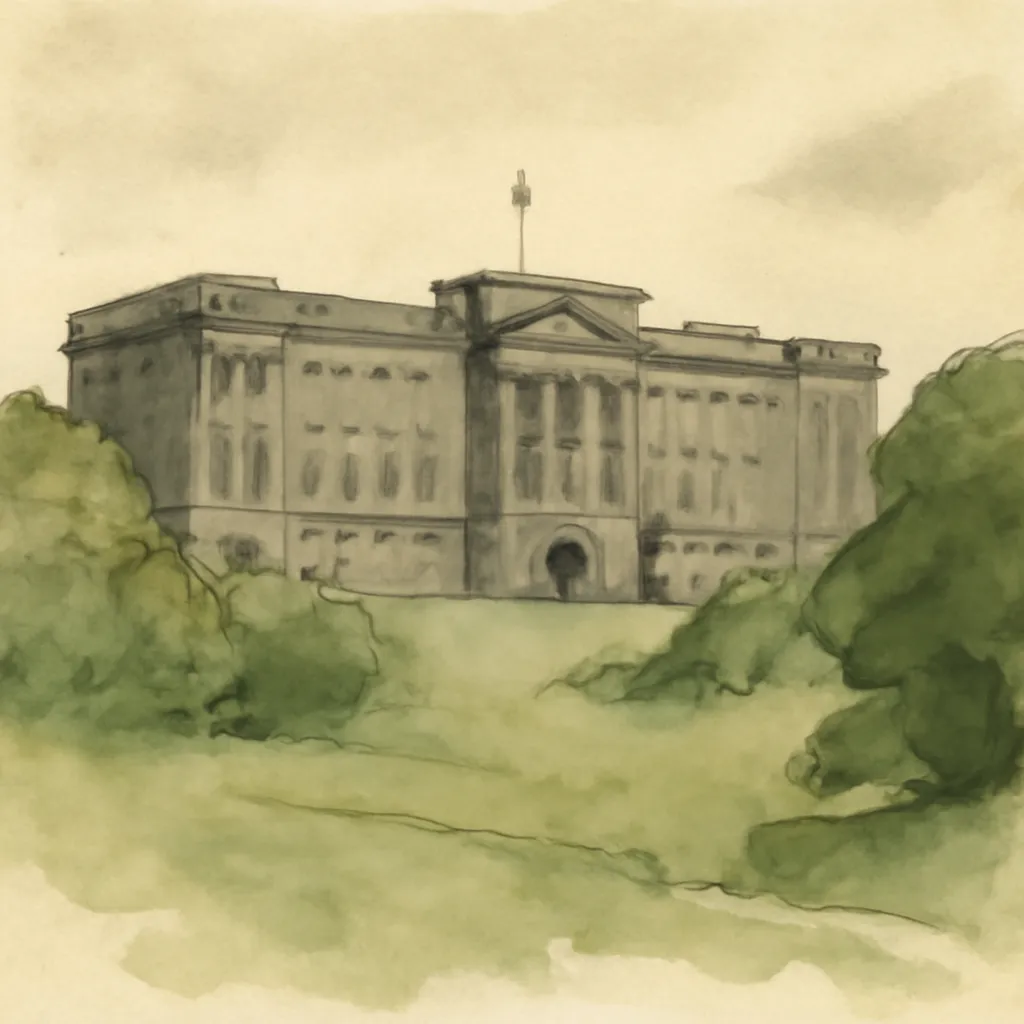
Mitton introduces readers to the royal residences, particularly Buckingham Palace, which, despite its grand status, is described as 'not at all beautiful.' The contrast between the palace's unremarkable exterior and its opulent interior reflects the complexities of royal life. The chapter delves into the traditions surrounding royal presentations, where ladies must dress in formal attire to meet the monarch. These insights into royal customs not only entertain but also educate children about the historical significance of the monarchy in England. Mitton vividly describes the beautiful interiors adorned with luxurious decorations, paintings, and artifacts, showcasing a world that is both magical and inaccessible to most. The grandeur of the palace contrasts sharply with the lives of ordinary Londoners, prompting children to ponder the nature of privilege and the responsibilities that come with power. This exploration of royal life serves to inspire a sense of wonder and curiosity about history and tradition.
4.The Wonders of Transportation
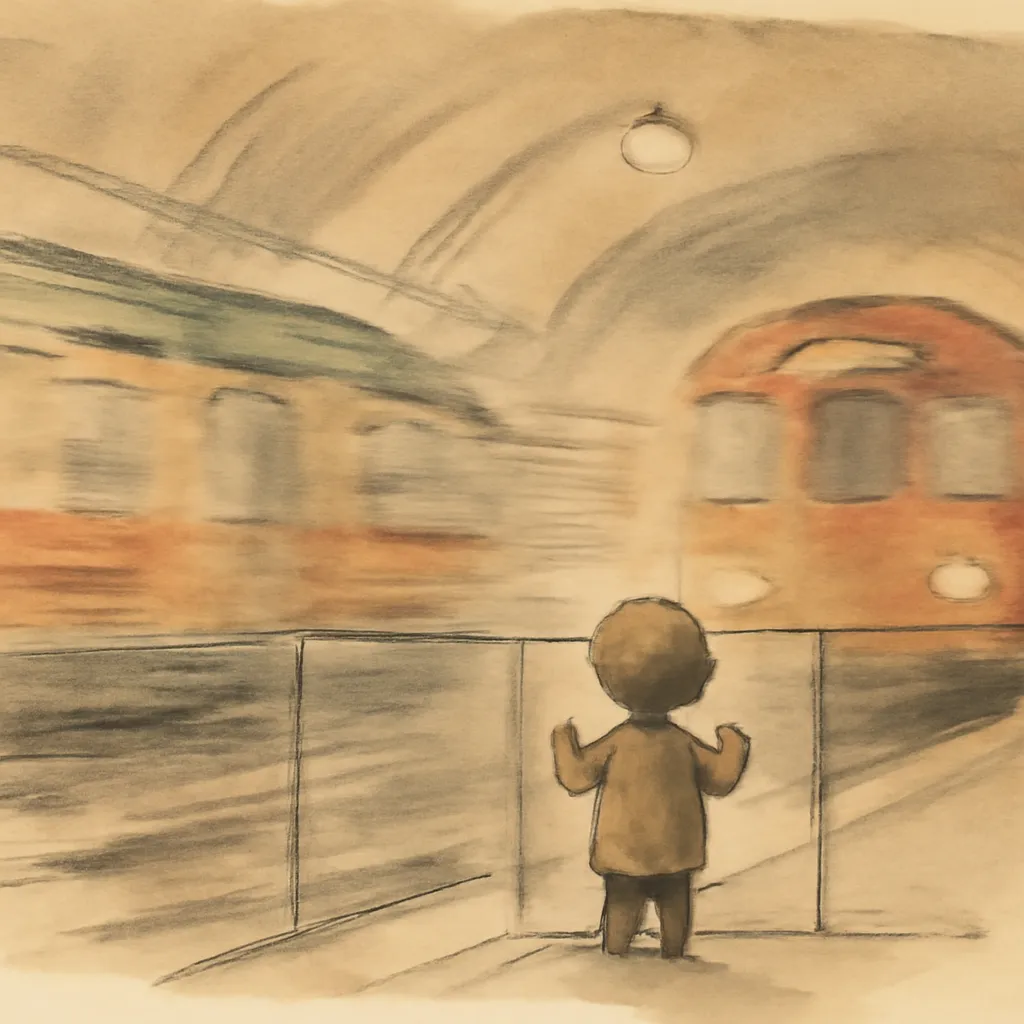
Transportation in London is a marvel in itself, with a complex network of omnibuses, cabs, and the famous Underground Railway. Mitton describes the engineering feat of the underground trains, which run beneath the bustling streets, allowing Londoners to travel efficiently. He highlights the revolutionary switch from steam to electric trains, showcasing advancements in technology that have improved the commuting experience. By detailing how these underground trains function and their impact on daily life, Mitton emphasizes the importance of transportation in connecting the city's diverse neighborhoods and facilitating interactions among its inhabitants. London’s extensive public transportation system not only alleviates the burden of travel but also opens up opportunities, making the city more accessible. This chapter fosters an appreciation for infrastructure and innovation, showing how these elements contribute to the rhythm of urban life.
5.Education in the City
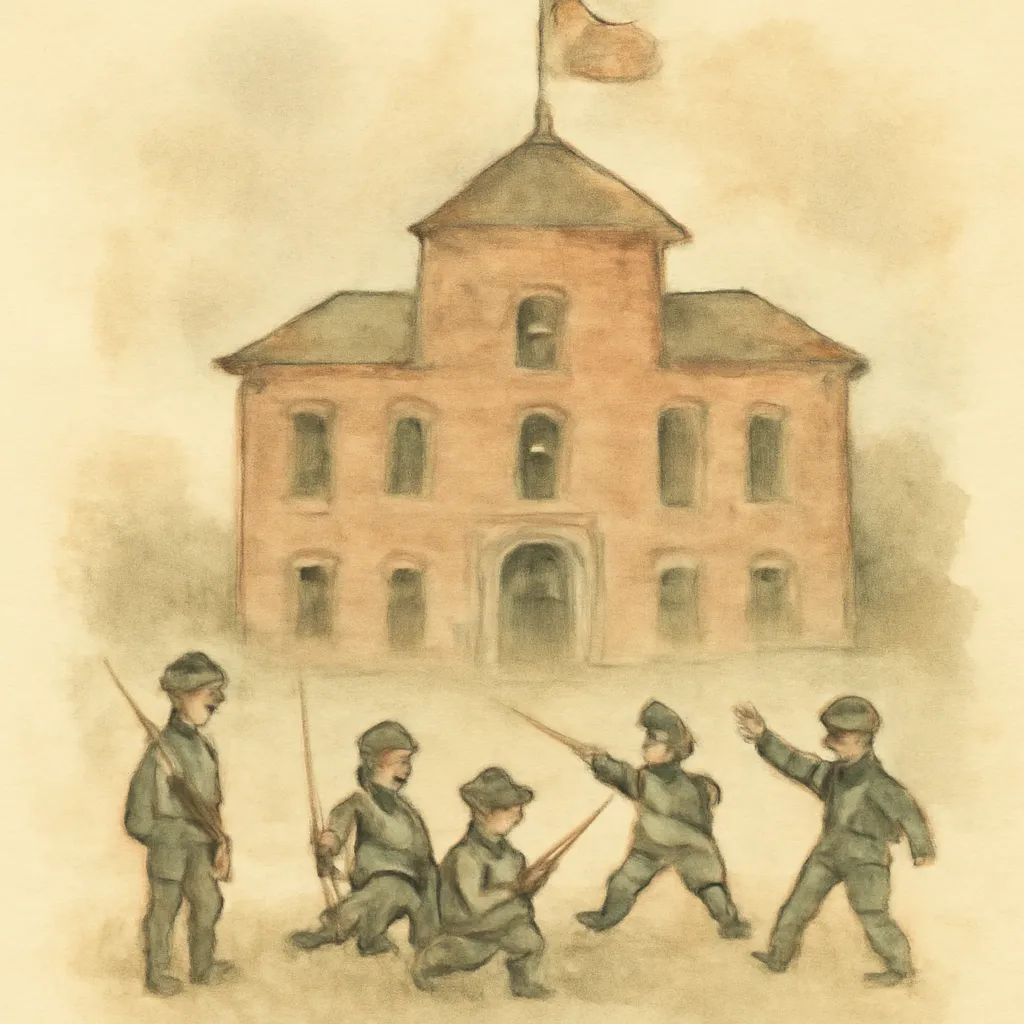
Schooling in London mirrors the educational systems found elsewhere, but there are unique institutions that cater specifically to the city's needs. The Duke of York's School for soldier-boys, for instance, trains the sons of soldiers in a military environment, preparing them for future service. Mitton paints a picture of disciplined education, where boys learn not only academics but also values like camaraderie and responsibility. He describes the school's strict routines, uniforms, and the discipline instilled in the boys, which ultimately shapes them into future leaders. Beyond this institution, Mitton acknowledges the variety of educational experiences in London, highlighting the challenges faced by children in different socio-economic backgrounds. Some children struggle with access to quality education, while others thrive in more privileged environments. This diversity in education showcases the broader theme of opportunity in London, and the narrative encourages young readers to value education as a tool for empowerment and change.
6.The Vibrancy of London Markets
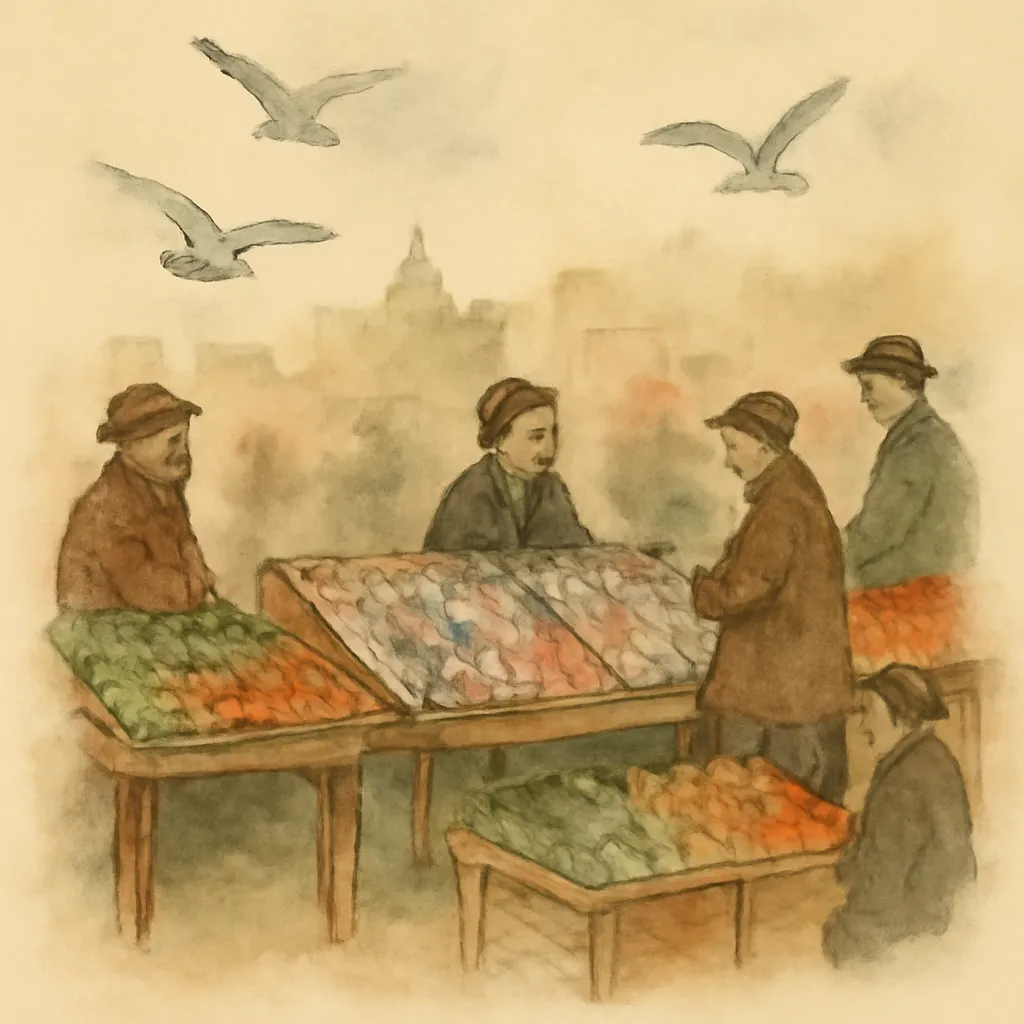
London's markets are essential to the city's livelihood, serving as the primary source of food and goods for its millions of residents. Mitton takes readers on a journey through various markets, highlighting their diversity and significance. The fish market at Billingsgate is buzzing with early-morning activity, showcasing the hustle and bustle of vendors and buyers alike. The chapter also delves into the flower market, where vibrant colors and scents fill the air, creating a sensory experience that captivates visitors. Mitton illustrates how these markets not only provide sustenance but also foster community connections, serving as gathering spots for residents. This exploration of markets emphasizes the importance of local economies and the interconnectedness of urban life, encouraging children to appreciate the role of commerce in their daily experiences. The lively atmosphere of the markets reflects the spirit of London, where people from all walks of life converge, sharing stories, goods, and culture.
7.Caring for the Ill: Children's Hospitals
Mitton highlights the plight of sick children in London, focusing on hospitals that cater specifically to their needs. The story of Beatrice Annie Jones, a girl suffering from rickets, exemplifies the struggles faced by many children from disadvantaged backgrounds. This chapter explores the emotional terrain of illness, showcasing the challenges that come with being unwell in a bustling city. The narrative paints a vivid picture of Beatrice's lonely existence as her mother struggles to balance work and care for her. Mitton emphasizes the importance of compassion and the role of hospitals in providing care and support for those in need. By bringing attention to children's hospitals, he instills a sense of social responsibility in young readers, encouraging them to think about the realities of illness and the importance of healthcare systems in safeguarding the well-being of all children. The chapter serves as a poignant reminder of the need for community support and the impact of kindness.
8.The Bustling Streets and Shops of London
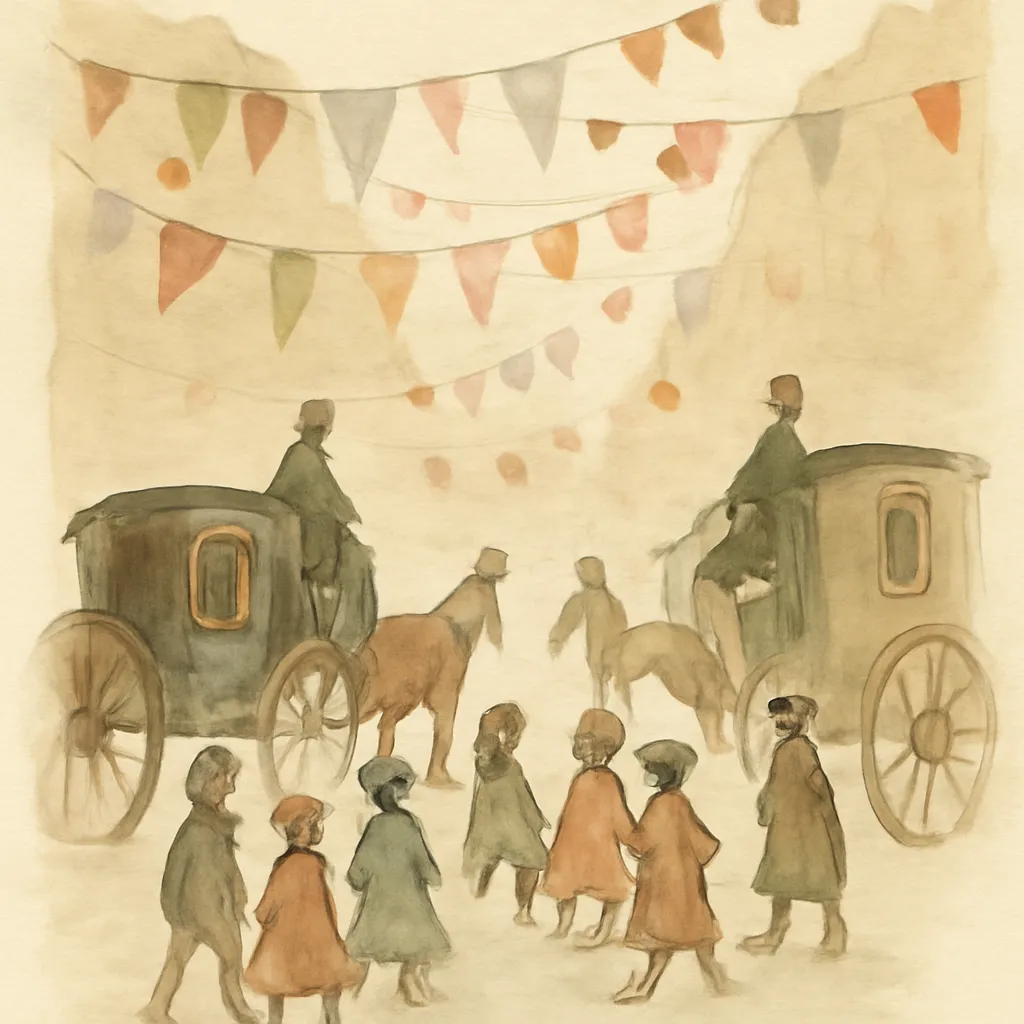
London's streets are alive with activity, especially during the vibrant 'season' when the wealthy flock to the city. Mitton describes the excitement of the West End, where fashionable cars and well-dressed individuals fill the parks and streets. The anticipation of seeing royalty adds to the thrill, as people gather to catch a glimpse of the Queen or other notable figures. The chapter paints a lively picture of London during this time, emphasizing the colorful interactions and the blend of cultures present in the city. Mitton’s descriptions of shop windows adorned with the latest fashions and the buzz of conversation among pedestrians create a vivid tableau of urban life. This chapter encapsulates the energy of city life, showcasing both the glamour and the everyday hustle. Young readers gain a sense of the cultural vibrancy of London, learning that the city is a dynamic place where history and modernity coexist. This exploration of city life encourages children to engage with their environments, fostering curiosity and a sense of belonging.
9.The Heartwarming Tales of Dogs and Cats
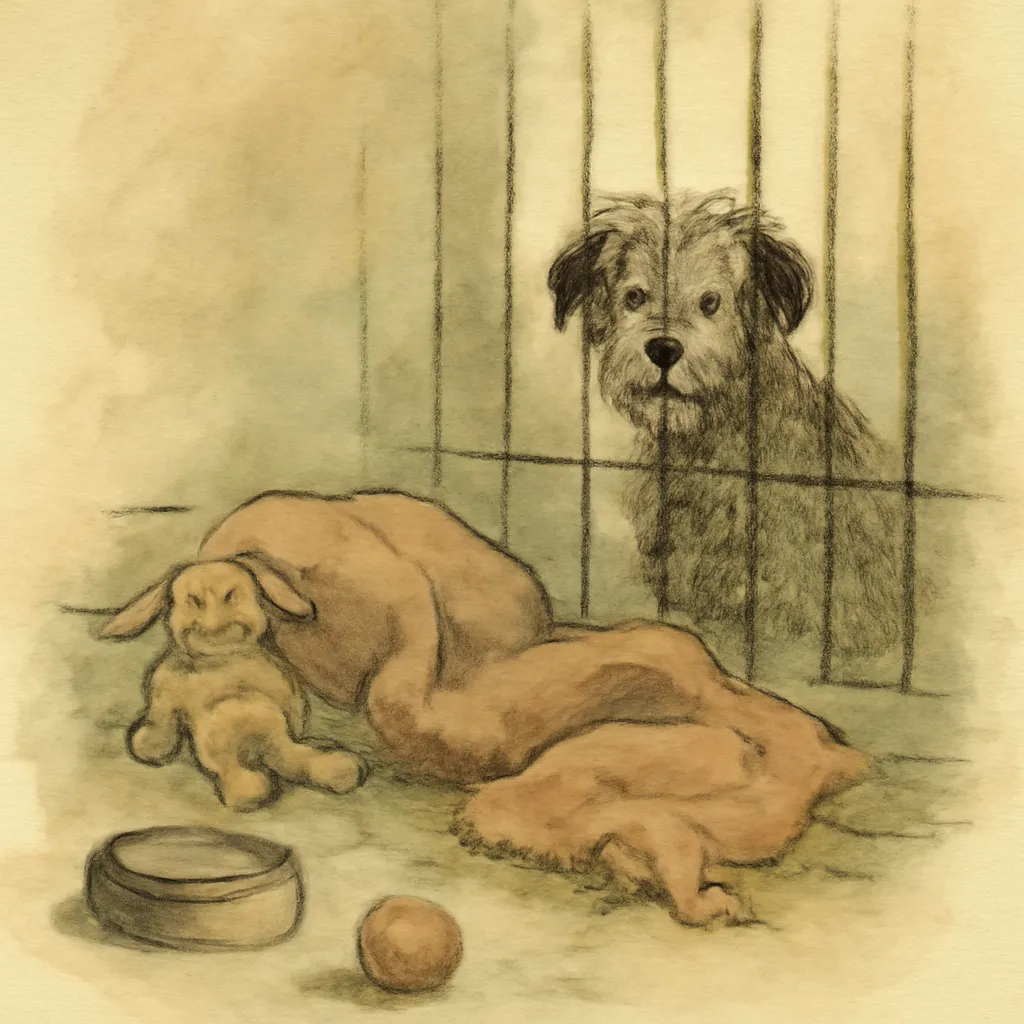
Mitton shares charming anecdotes about lost pets, particularly focusing on the Dogs' Home, where stray dogs are cared for until they find new homes. The story of Scamp, a mischievous dog who gets lost, serves as a reminder of the importance of pet ownership and responsibility. Mitton's lighthearted storytelling entertains while also highlighting the need for compassion toward animals, demonstrating how pets can enrich lives. The narrative draws attention to the relationship between humans and animals, encouraging young readers to consider the impact of kindness and care in their daily interactions. This exploration of animal welfare fosters a sense of empathy and understanding for all living beings, reminding children of the important role that compassion plays in building a caring society.
10.Historical Narratives: The Stories of Kings and Queens
The book delves into the rich history of London through captivating stories of its notable figures, including King Edward V and Lady Jane Grey. These tales, filled with drama and intrigue, offer insights into England's turbulent past. Mitton recounts the struggles of Edward V, who faced a tragic fate at a young age, and the brief reign of Lady Jane Grey, whose life was cut short despite her noble lineage. The narratives provide context for the city's landmarks and help young readers connect with their heritage. Through stories of political intrigue, betrayal, and bravery, children gain a deeper understanding of the complexities of power, loyalty, and the consequences of historical events. Mitton’s storytelling evokes a sense of connection to the past, encouraging readers to reflect on how history shapes their present.
11.Exploring London's Famous Landmarks
Mitton highlights the significance of London's iconic landmarks, such as the Tower of London, the British Museum, and St. Paul's Cathedral. Each site is steeped in history and offers unique stories that resonate with visitors. The Tower of London, once a royal palace and prison, holds tales of intrigue and betrayal, while the British Museum showcases the world's treasures, inviting exploration and curiosity. St. Paul's Cathedral stands as a testament to resilience, having survived the Great Fire of London. Through vivid descriptions, Mitton instills a sense of wonder and appreciation for these cultural treasures, encouraging readers to explore their own cities and appreciate their histories. This chapter serves as an invitation to young readers to become active participants in their cultural landscapes, inspiring a lifelong love for learning and exploration.