
Discover the vibrant life, history, and culture of London through the eyes of its children
Read full overviewShow less›
G. E. Mitton's 'The Children's Book of London' serves as a captivating exploration of London, presenting the city not just as a geographical location, but as a living entity filled with stories, sights, and experiences that resonate with its young inhabitants. This book invites readers to understand London's complexities, from its grand palaces and bustling markets to its rich history and diverse communities. Through engaging narratives and vivid descriptions, the book paints a picture of life in London that is both educational and entertaining for children and adults alike. Expect to uncover the secrets of this great city, its landmarks, and the lives of the children who call it home.
In 'The Children's Book of London', G. E. Mitton masterfully intertwines the everyday experiences of children with the grand narratives of London's history and culture. The book serves not only as an educational resource for young readers but also as a source of inspiration, encouraging them to explore their surroundings and appreciate the rich tapestry of life in London. By understanding the stories of the city's landmarks, markets, and its people, readers gain a deeper connection to the place they call home. Ultimately, Mitton invites us all to embrace curiosity, compassion, and a sense of belonging in the ever-evolving story of London.
- 1The Reality of London Life
- 2The Three Parts of London
- 3The King's Palaces
- 4The Wonders of Transportation
- 5Education in the City
Notable quotes
“To begin with, the streets of London are not paved with gold; but I need not have said that, for nowadays the very youngest child knows it.”
“London is so large that it takes a long time to get from one end to the other.”
“In the last chapter I said something about the King's palace.”
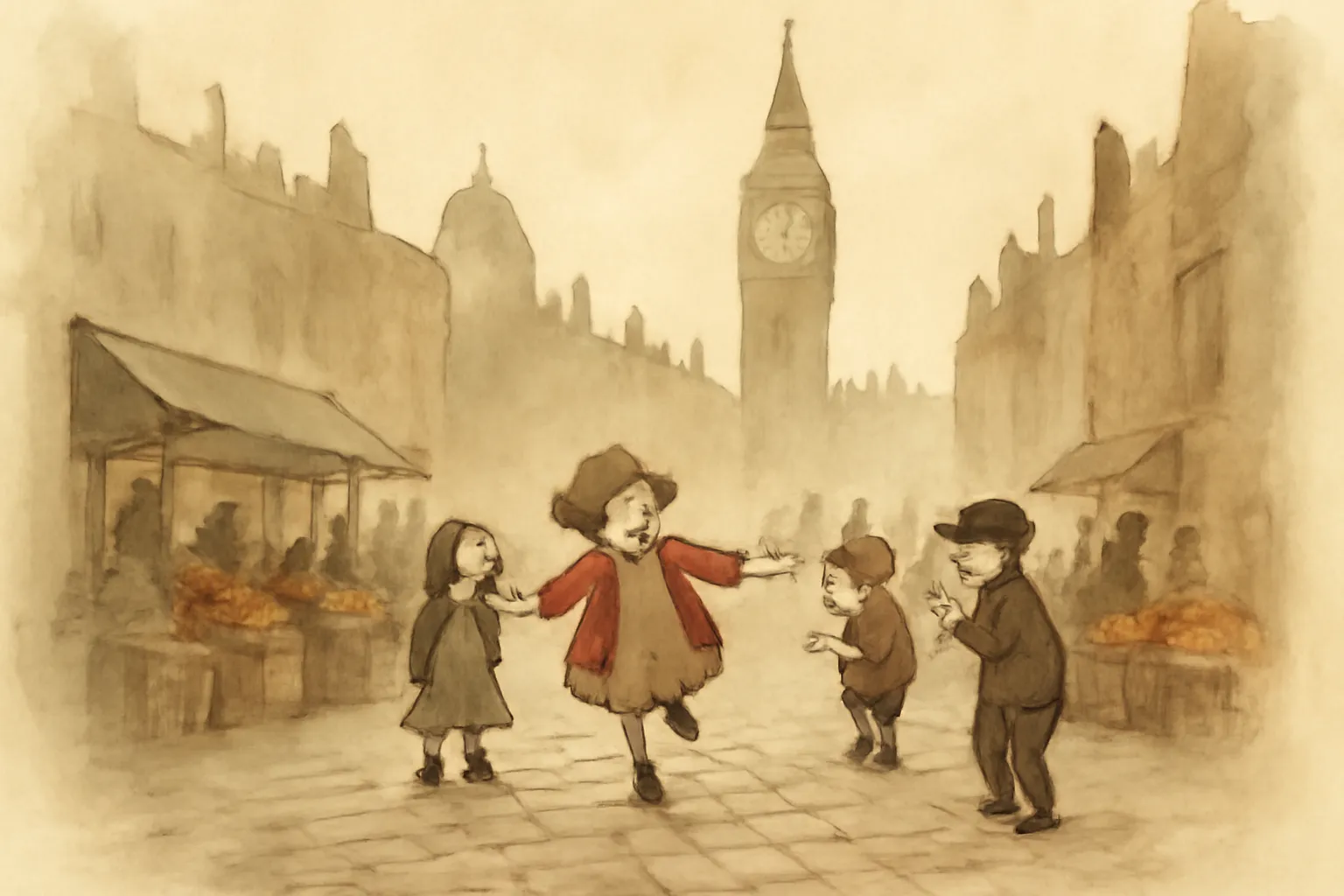
A glimpse inside

Mitton begins by dispelling the myth that London's streets are paved with gold, a notion popularized by the tales of Dick Whittington. Read moreMitton begins by dispelling the myth that London's streets are paved with gold, a notion popularized by the tales of Dick Whittington. Instead, he presents a more nuanced view of the city, emphasizing that while London is filled with wonders, it is also a place of hard work, challenges, and varied experiences. Children living in London know their neighborhoods well, but the vastness of the city means they may only be familiar with their own corners. This chapter sets the tone for the book, encouraging readers to look beyond the romanticized images of London and appreciate its true essence, which includes both joy and hardship. By presenting the authentic experiences of London’s children, Mitton helps cultivate a sense of realism and resilience, inviting readers to see life not just in terms of adventure, but also in terms of the responsibilities and realities that shape everyday existence. Show less
London is divided into three main areas: the West End, the City, and the East End. The West End is known for its affluence, with theaters, shopping districts, and cultura… Read moreLondon is divided into three main areas: the West End, the City, and the East End. The West End is known for its affluence, with theaters, shopping districts, and cultural landmarks that attract both locals and tourists alike. The City serves as the economic heart of London, bustling with workers and businesses, while the East End is often portrayed as a place of poverty and struggle. Mitton illustrates the socio-economic disparities in these areas, showing how wealth and opportunity are juxtaposed with struggle and limited resources. This division highlights the stark contrasts within the city, as the rich and poor coexist in close proximity. It encourages young readers to understand these social dynamics and the rich tapestry of life in London, fostering empathy and awareness of diverse experiences. Understanding these divisions is crucial for children as it shapes their perspectives on society, class, and the importance of connection among different communities. Show less
Read the full text — free
About the author
Read G. E. Mitton's work free on Lumina — the complete text plus an 8-minute summary and key ideas, no account needed