1.Historical Context of the Five Civilized Tribes

The Five Civilized Tribes—Cherokees, Chickasaws, Choctaws, Creeks, and Seminoles—were forcibly relocated to Indian Territory, present-day Oklahoma, in the 19th century. This relocation was part of a broader policy by the U. S. government to consolidate Native American tribes and open their lands to white settlers. The Choctaws, in particular, faced significant hardships during their migration, often referred to as the 'Trail of Tears.' This painful history sets the stage for understanding the unique position of the Choctaw Freedmen, who were descendants of enslaved Africans owned by Choctaw families. As the region evolved, so did the social fabric, leading to the establishment of institutions like Oak Hill Industrial Academy, which aimed to provide education and opportunities to this marginalized group. The historical narrative reveals the resilience of the Choctaws as they navigated displacement and sought to rebuild their society in a new land, ultimately paving the way for the Freedmen to carve out their own identity and future.
2.The Role of the Presbyterian Church

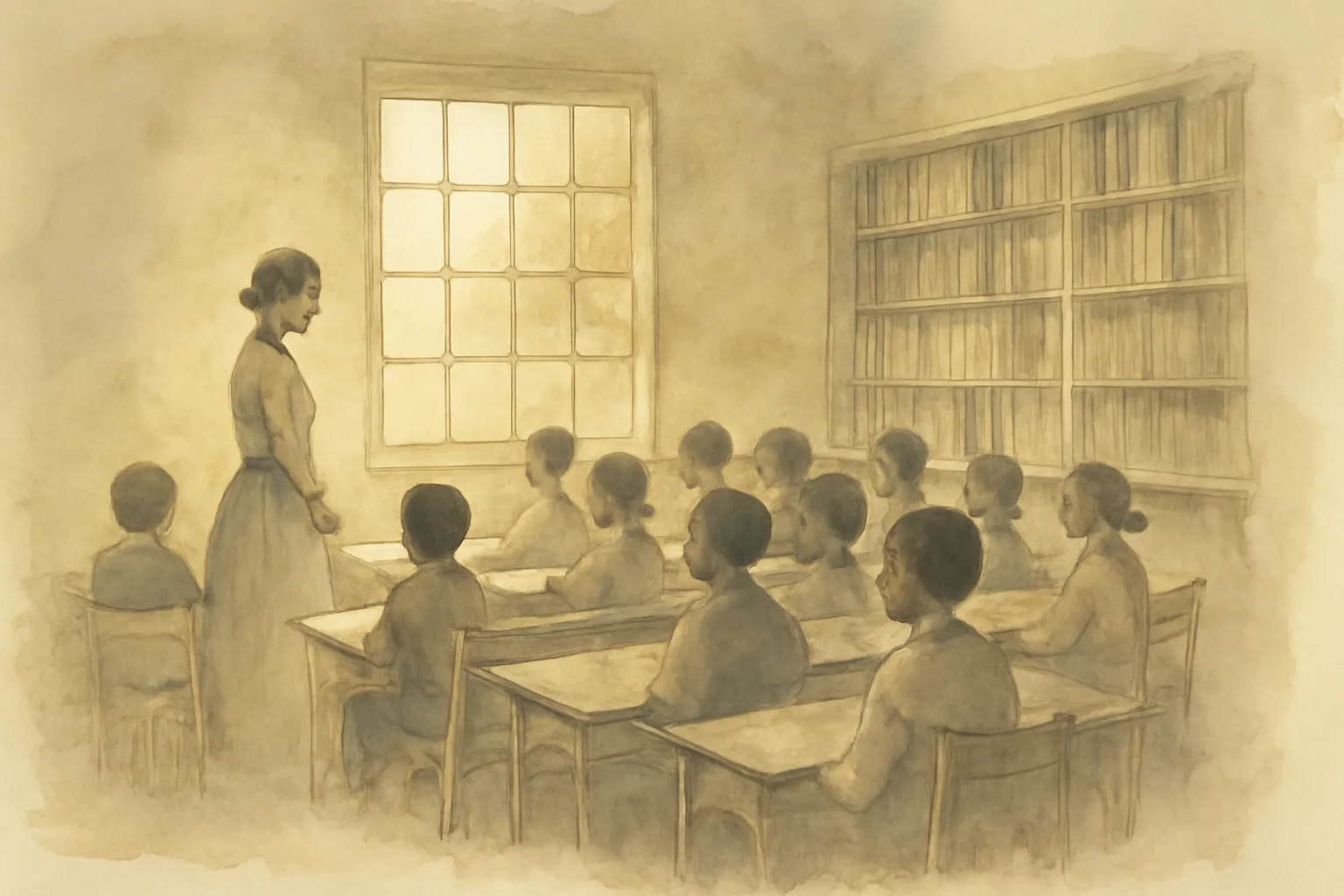
The Presbyterian Church played a pivotal role in the establishment of Oak Hill Industrial Academy, driven by a mission to educate and uplift the Freedmen. In 1886, the church recognized the need for a dedicated educational institution in the Choctaw Nation, leading to the founding of the Academy. This initiative was not merely an act of charity but a commitment to fostering self-sufficiency and moral development among the Freedmen. The church's involvement highlights the intersection of faith and education, as it aimed to instill values of hard work, integrity, and community service. By prioritizing education as a form of empowerment, the Presbyterian Church sought to address the socio-economic challenges facing the Freedmen. It provided not just a physical space for learning but also a spiritual foundation that encouraged students to pursue knowledge with the understanding that it would uplift their community. The church’s mission aligned with the broader goals of Reconstruction-era reforms which sought to redefine the roles of African Americans in society as educated citizens.
3.Pioneering Educators at Oak Hill

Key figures such as Miss Eliza Hartford, the first white teacher at Oak Hill, and superintendent James F. McBride significantly influenced the Academy's mission and success. Hartford's arrival marked a new chapter in the education of Choctaw Freedmen, as she dedicated herself to teaching and mentoring students. Her commitment to the values of education and equality helped to create an inclusive environment. Meanwhile, McBride's leadership further solidified the Academy's reputation as a center for learning and moral guidance. Their efforts exemplify how dedicated educators can leave a lasting impact on their communities. By prioritizing the needs of their students and working tirelessly to provide a quality education, these pioneers cultivated an academic atmosphere that encouraged self-discovery and critical thinking. Their mentorship extended beyond the classroom, inspiring students to become community leaders who would advocate for their rights and uplift others through education. The experiences and successes of these educators underscore the idea that the influence of committed teachers extends far beyond the confines of traditional education.
4.Character Building Through Education
Oak Hill Industrial Academy was not only focused on academic excellence but also on character building. The curriculum emphasized moral education, encouraging students to develop virtues such as honesty, respect, and responsibility. This holistic approach to education aimed to prepare students for both personal and communal success, fostering a sense of identity and purpose. The Academy’s influence extended beyond classroom learning, as it instilled a strong work ethic and a commitment to service. Students were encouraged to engage with their community through various outreach projects, reinforcing the idea that education should have practical applications in society. This character-building aspect of the curriculum was particularly significant in the context of a racially divided society, where the Freedmen needed strong moral foundations to navigate the challenges they faced. By prioritizing character alongside academics, Oak Hill shaped individuals who were not only educated but also grounded in their values, ready to face the complexities of a post-Civil War America.
5.The Importance of Community Support

The establishment and success of Oak Hill Industrial Academy were heavily reliant on the support of the local community. Families of students, church members, and local leaders all contributed to the Academy’s growth through volunteer work, donations, and advocacy. This community involvement created a sense of ownership and pride, as the Academy became a central hub for social and educational activities. The collaboration between educators and the community exemplified a shared vision for the future, emphasizing that education is a collective responsibility. As the community rallied around Oak Hill, they forged bonds that transcended race and socioeconomic status, fostering an environment of mutual respect and cooperation. The support network fostered by the community not only sustained the Academy but also cultivated a culture of empowerment and resilience among the Freedmen. The synergy between the Academy and the community highlighted the idea that true progress requires collective effort and shared commitment to the welfare of all.
6.Challenges Faced by the Freedmen

Despite the progress made at Oak Hill, the Freedmen faced numerous challenges, including systemic racism, economic hardship, and political disenfranchisement. During the post-Civil War era, many African Americans, including the Freedmen, experienced intense discrimination and were often excluded from political processes. The historical context of the post-Civil War era was marked by efforts to suppress the rights of African Americans, including voting restrictions and discriminatory laws. The Freedmen's struggle for equality and recognition was a constant battle, further complicated by their status within the Choctaw Nation. These challenges underscored the importance of the Academy, as it provided a space for empowerment and advocacy, equipping students with the tools necessary to challenge injustices. The narrative of the Freedmen is one of resilience, as they navigated the complexities of their identity and fought for their rightful place in society. The challenges they encountered only strengthened their resolve, illustrating their determination to uplift themselves and their families through education and community action.
7.Legacy of Oak Hill Industrial Academy

The legacy of Oak Hill Industrial Academy extends far beyond its physical structure; it represents a commitment to education as a means of liberation and empowerment. The Academy produced a generation of leaders, educators, and professionals who carried forward the values instilled in them. Its influence can be seen in the continued efforts for civil rights and education reform within the Choctaw Nation and beyond. The transformation of the Academy into the Alice Lee Elliott Memorial in 1912 symbolizes the enduring impact of those who dedicated their lives to this mission. The story of Oak Hill serves as a powerful reminder of the importance of educational institutions in fostering social change and promoting justice. This legacy is not just historical; it continues to inspire modern movements advocating for educational equity and social justice, highlighting the ongoing relevance of the values and principles first established at Oak Hill. As alumni of the Academy moved into various sectors of society, they carried with them a mission of advocacy and change, furthering the impact of the Academy in their communities.
8.The Role of the Bible in Education

The integration of Biblical teachings into the curriculum at Oak Hill Industrial Academy highlighted the school’s commitment to moral and ethical education. The Bible was seen as a foundational text that provided guidance and wisdom, shaping students' character and worldview. This approach emphasized that education was not solely about acquiring knowledge but also about instilling values that would guide students throughout their lives. The Academy’s educators recognized the power of faith in fostering resilience and hope, particularly for students facing societal challenges. By incorporating the Bible into daily learning, Oak Hill reinforced the belief that spiritual growth was as vital as academic achievement. This model of education cultivated a sense of purpose among students, encouraging them to strive for personal excellence while fostering a commitment to service within their communities. The Bible’s teachings served as a moral compass, guiding students in making ethical decisions and standing firm against social injustices.
9.Historical Significance of the Freedmen's Experience

The experiences of the Choctaw Freedmen are emblematic of the broader struggles faced by African Americans in the United States during the Reconstruction era and beyond. Their journey reflects themes of resilience, community, and the quest for equality in a society marked by racial divisions. The Freedmen’s ability to establish institutions like Oak Hill Academy demonstrates their agency and determination to create opportunities for themselves and future generations. Understanding their history is crucial in recognizing the ongoing fight for civil rights and social justice. The legacy of the Freedmen serves as an important chapter in the American narrative, reminding us of the need for continued advocacy and education in the pursuit of equality. Their experiences also highlight the importance of solidarity among marginalized groups, as they navigated their post-slavery identities within the larger context of American society. By acknowledging and learning from their struggles, we can better understand the complexities of race relations in the United States today.
10.The Importance of Preservation and Reflection
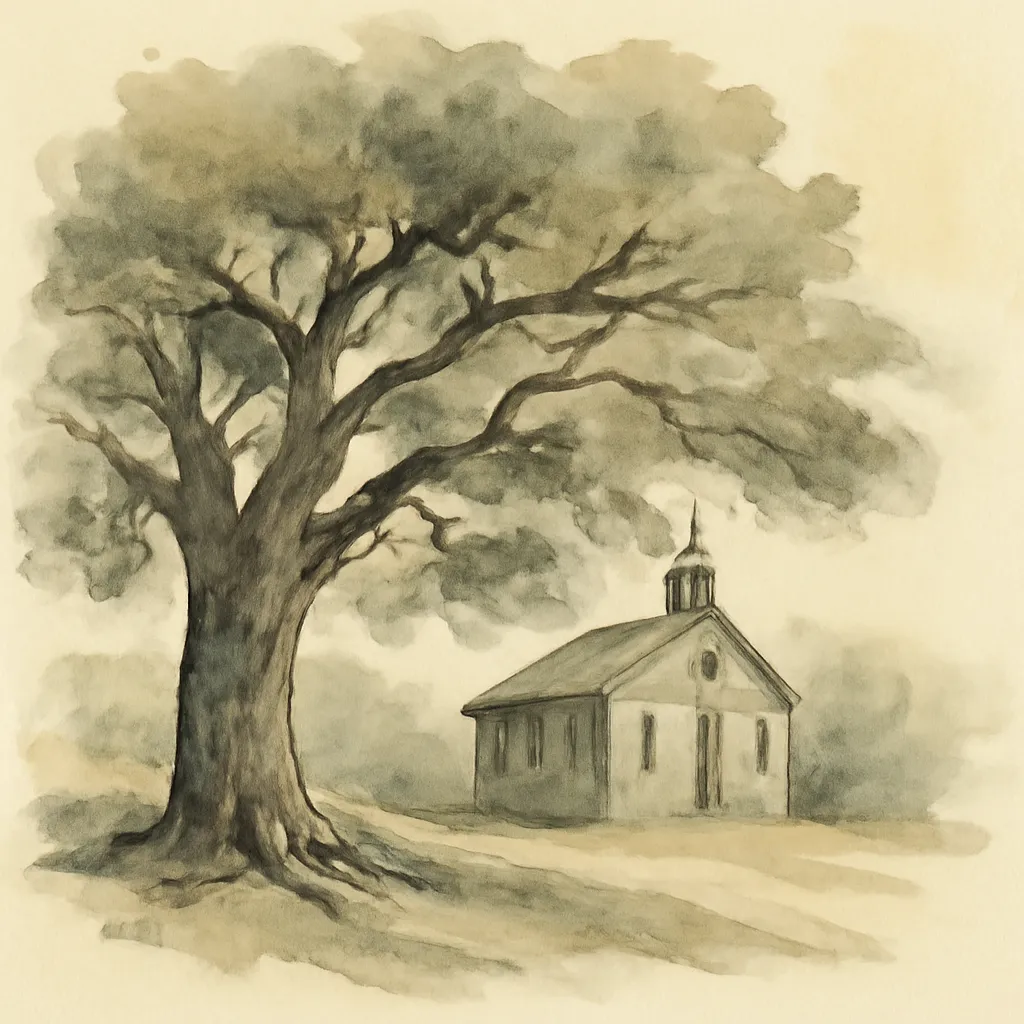
Preserving the history of Oak Hill Industrial Academy and the Choctaw Freedmen is essential for future generations to understand the complexities of their heritage. This historical reflection provides valuable lessons on the importance of education, community, and resilience in overcoming adversity. By documenting and sharing these stories, we not only honor the sacrifices of those who came before us but also inspire current and future leaders to continue the fight for justice and equality. The Academy’s history serves as a testament to the enduring power of education as a tool for social change, encouraging individuals to pursue knowledge and advocate for their rights. In doing so, we ensure that the legacy of the Freedmen and the impact of institutions like Oak Hill are not forgotten. The lessons learned from this history are critical for fostering a more inclusive society and for understanding the ongoing social and political challenges faced by marginalized communities.