
The journey of the Choctaw Freedmen from oppression to empowerment through education at Oak Hill Industrial Academy reveals the profound impact of community, faith, and resilience
Read full overviewShow less›
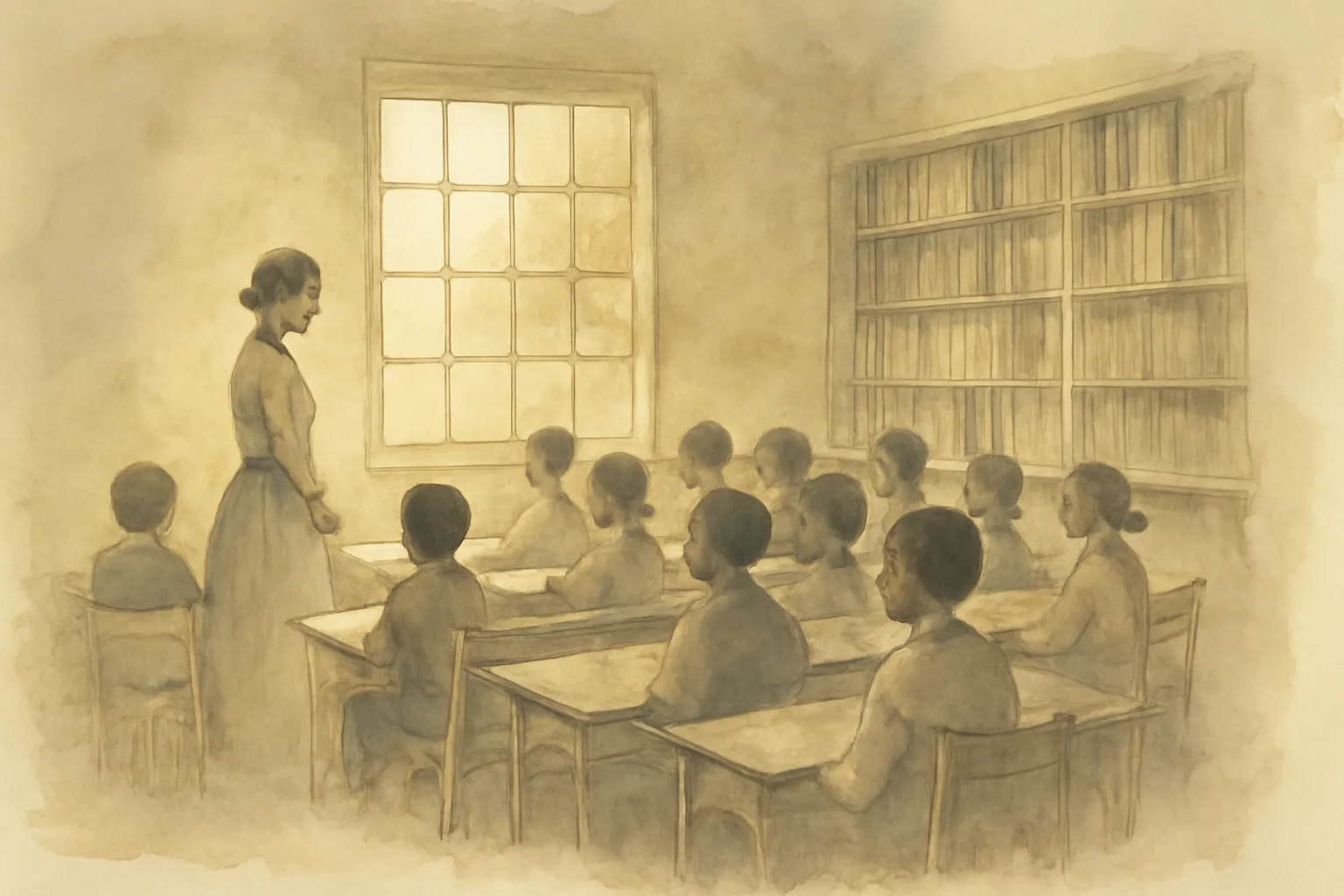
The story of the Choctaw Freedmen and Oak Hill Industrial Academy is a compelling narrative about overcoming adversity and the transformative power of education. This book chronicles the establishment of an institution dedicated to the education of Freedmen in the Choctaw Nation, highlighting the efforts of dedicated individuals who sought to uplift their community. It provides a historical context that illustrates the broader struggles faced by African Americans in the post-Civil War era while also showcasing the unique cultural and social dynamics within the Choctaw Nation. Readers will gain insight into the intersection of race, religion, and education, and how these elements converged to create a legacy of resilience and hope for future generations. The book serves as a powerful reminder of the importance of preserving history and the ongoing journey toward equality and justice.
The narrative of the Choctaw Freedmen and Oak Hill Industrial Academy is a poignant reminder of the enduring struggle for education and equality. It encapsulates the power of community, faith, and resilience in overcoming adversity. As we reflect on this history, it becomes clear that the lessons learned from the past are vital for shaping a more equitable future. The legacy of Oak Hill continues to inspire efforts toward social justice and educational reform, emphasizing the importance of preserving these stories for generations to come. Ultimately, this journey is not just about remembering the past but also about actively engaging in the ongoing fight for rights and opportunities for all.
- 1Historical Context of the Five Civilized Tribes
- 2The Role of the Presbyterian Church
- 3Pioneering Educators at Oak Hill
- 4Character Building Through Education
- 5The Importance of Community Support
Notable quotes
“The vineyard which thy right hand hath planted.”
“Who hath despised the day of small things?”
“If my voice can reach this proscribed and unfortunate class, I appeal to them to continue, as they have begun, to endure to the end; and thus to commend themselves to the favorable judgment of mankind; and to rely for their safety upon the ultimate appeal to the conscience of the human race.”
A glimpse inside

The Five Civilized Tribes—Cherokees, Chickasaws, Choctaws, Creeks, and Seminoles—were forcibly relocated to Indian Territory, present-day Oklahoma, in the 19th century. Read moreThe Five Civilized Tribes—Cherokees, Chickasaws, Choctaws, Creeks, and Seminoles—were forcibly relocated to Indian Territory, present-day Oklahoma, in the 19th century. This relocation was part of a broader policy by the U.S. government to consolidate Native American tribes and open their lands to white settlers. The Choctaws, in particular, faced significant hardships during their migration, often referred to as the 'Trail of Tears.' This painful history sets the stage for understanding the unique position of the Choctaw Freedmen, who were descendants of enslaved Africans owned by Choctaw families. As the region evolved, so did the social fabric, leading to the establishment of institutions like Oak Hill Industrial Academy, which aimed to provide education and opportunities to this marginalized group. The historical narrative reveals the resilience of the Choctaws as they navigated displacement and sought to rebuild their society in a new land, ultimately paving the way for the Freedmen to carve out their own identity and future. Show less
The Presbyterian Church played a pivotal role in the establishment of Oak Hill Industrial Academy, driven by a mission to educate and uplift the Freedmen. Read moreThe Presbyterian Church played a pivotal role in the establishment of Oak Hill Industrial Academy, driven by a mission to educate and uplift the Freedmen. In 1886, the church recognized the need for a dedicated educational institution in the Choctaw Nation, leading to the founding of the Academy. This initiative was not merely an act of charity but a commitment to fostering self-sufficiency and moral development among the Freedmen. The church's involvement highlights the intersection of faith and education, as it aimed to instill values of hard work, integrity, and community service. By prioritizing education as a form of empowerment, the Presbyterian Church sought to address the socio-economic challenges facing the Freedmen. It provided not just a physical space for learning but also a spiritual foundation that encouraged students to pursue knowledge with the understanding that it would uplift their community. The church’s mission aligned with the broader goals of Reconstruction-era reforms which sought to redefine the roles of African Americans in society as educated citizens. Show less
Read the full text — free
About the author
Read Robert Elliott Flickinger's work free on Lumina — the complete text plus an 8-minute summary and key ideas, no account needed