1.The Rise of the Ku Klux Klan
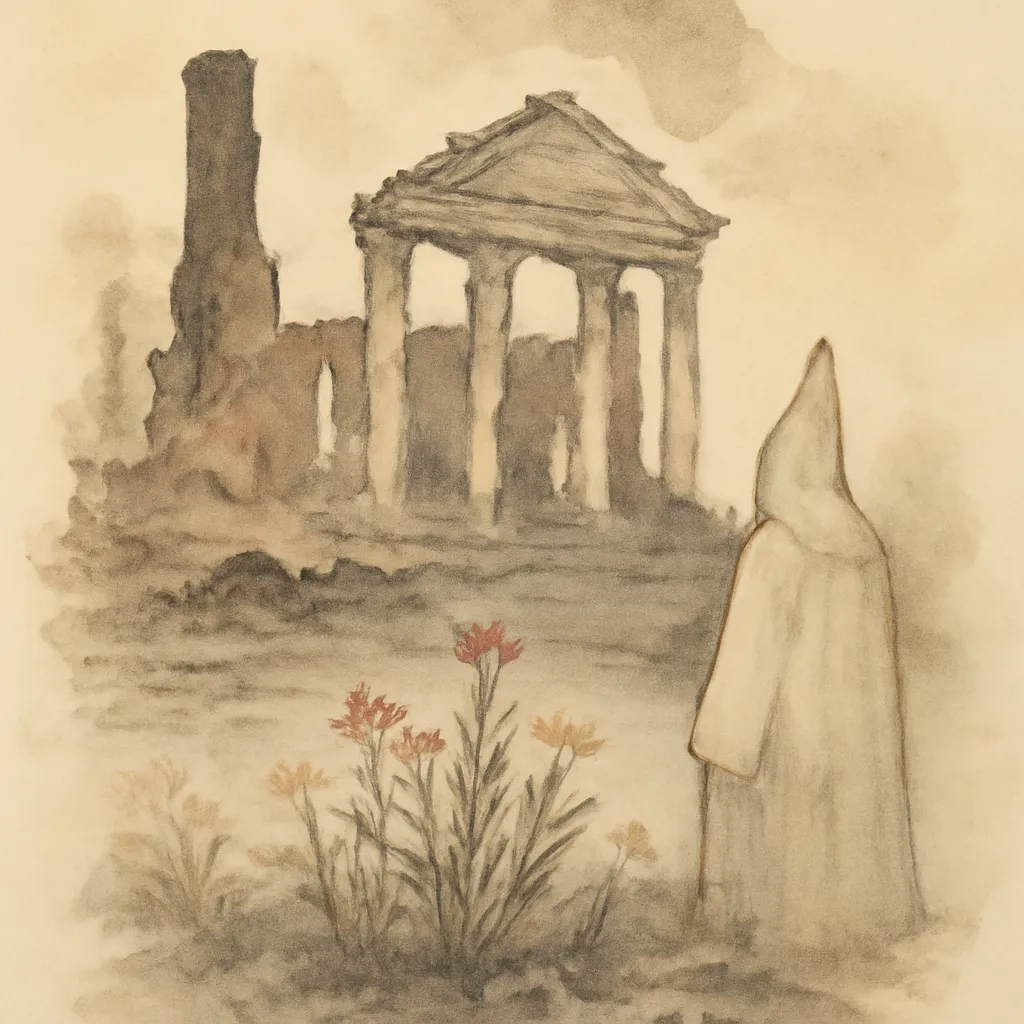
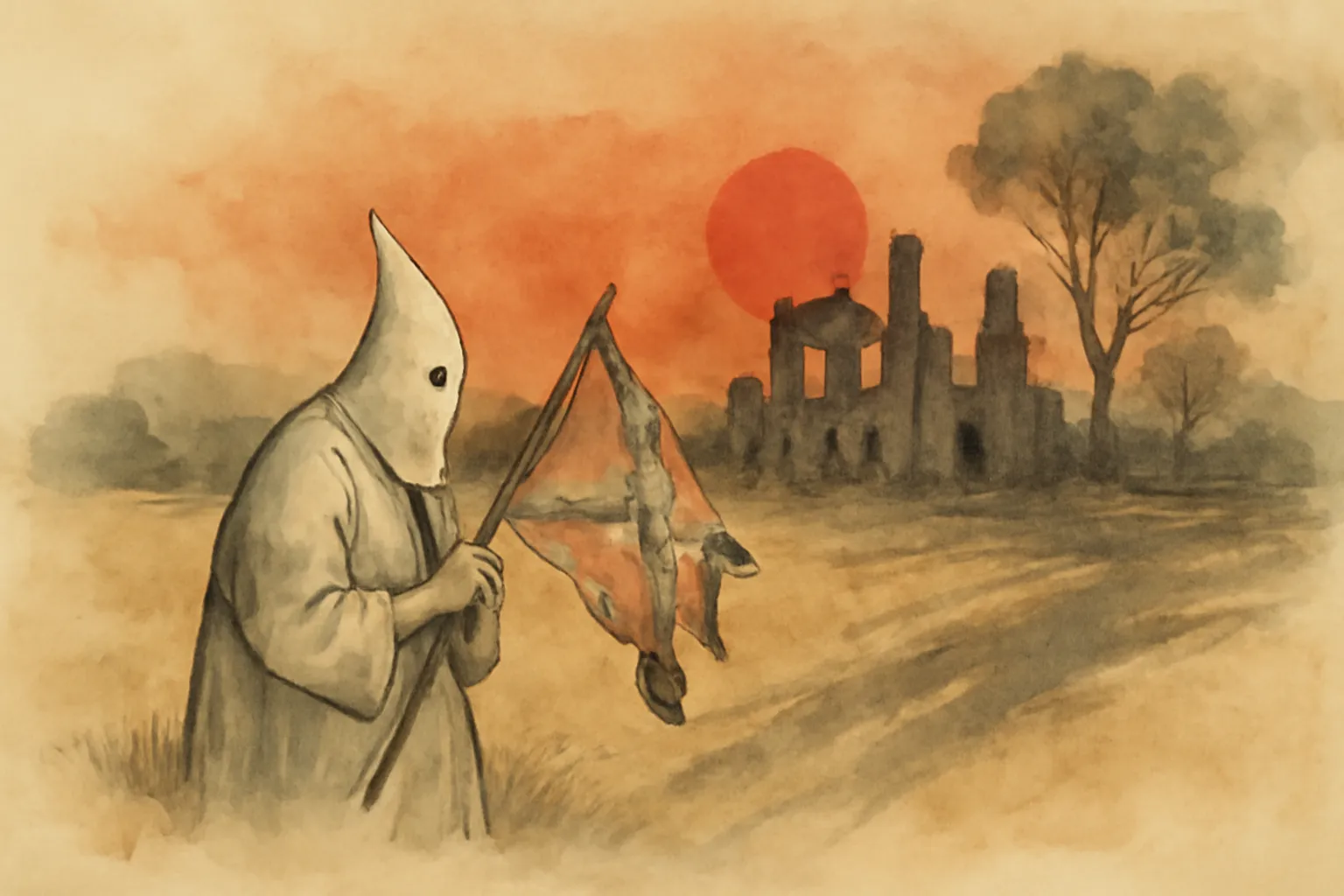
Dixon illustrates the formation of the Ku Klux Klan as a reaction to the perceived threats against white Southern identity following the Civil War. The Klan emerges from the ashes of a devastated South, symbolizing a desperate attempt to reclaim power and restore social order amidst chaos. The narrative describes how the Klan's members, inspired by the valor of their Scottish ancestors, view their actions as heroic rather than villainous. This duality creates a complex portrayal of the Klan, challenging readers to consider the motivations behind such organizations and the historical context that birthed them. The Klan represents not just a group of vigilantes, but a manifestation of a society grappling with its identity and future in a world that seems to have turned upside down. The author emphasizes that the Klan's emergence is not merely an act of aggression but a perceived necessity to protect a way of life that was rapidly vanishing, forcing readers to confront the tragic irony of such a response to adversity.
2.Historical Figures as Fictional Characters
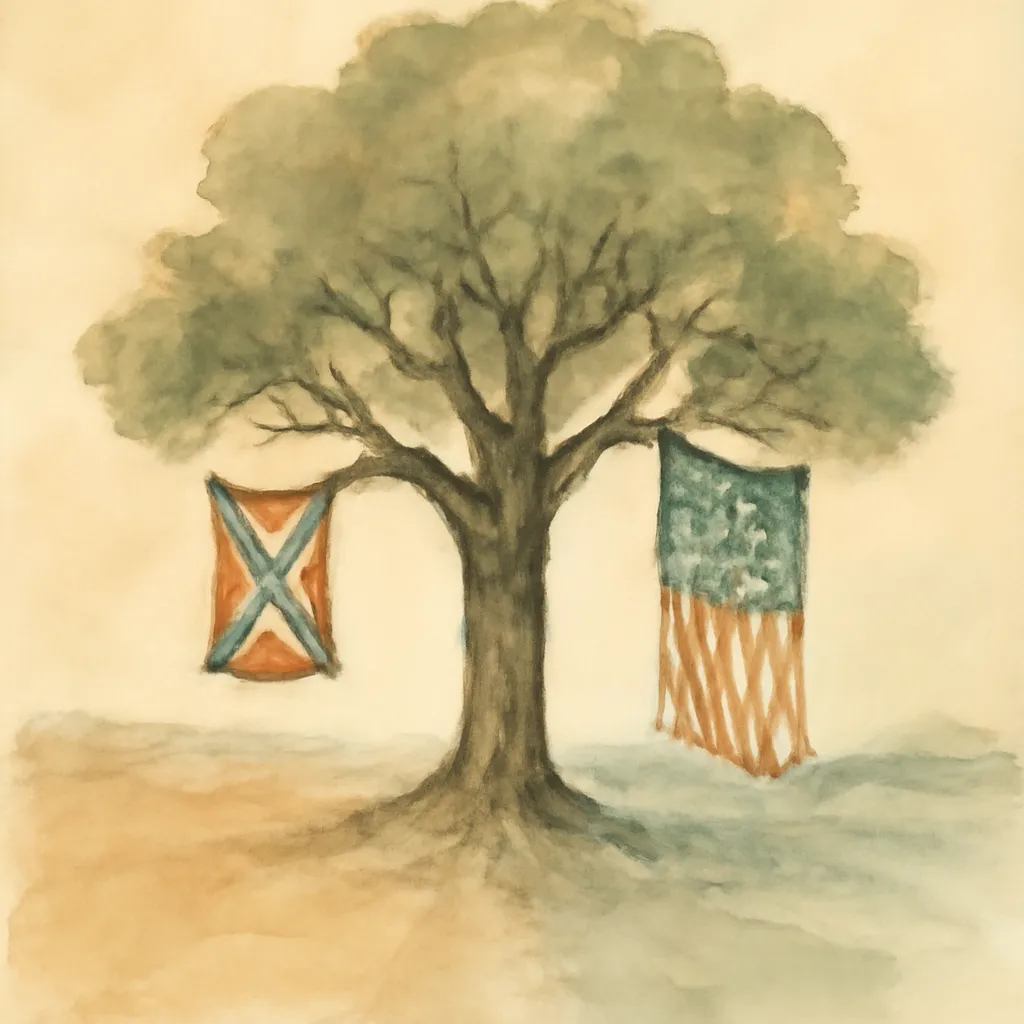
Dixon intertwines the lives of historical figures with fictional characters to create a narrative rich in historical significance. Ben Cameron, the protagonist, is portrayed as a noble Southern gentleman whose love for Elsie Stoneman, the daughter of a Northern politician, symbolizes the broader conflict between North and South. By changing their names but preserving their essence, the author invites readers to reflect on the real historical events while engaging with the emotional core of the story. This technique of blending real and imagined characters allows for an exploration of the complexities of personal relationships set against the backdrop of national turmoil. Characters like Austin Stoneman serve as representations of the radical Northern ideology, while Ben embodies the Southern struggle for dignity post-war. Through their interactions, Dixon illustrates how personal and political battles intertwine, ultimately weaving a rich tapestry of tension and emotion that invites discussions about loyalty, love, and betrayal.
3.The Chaos of Reconstruction
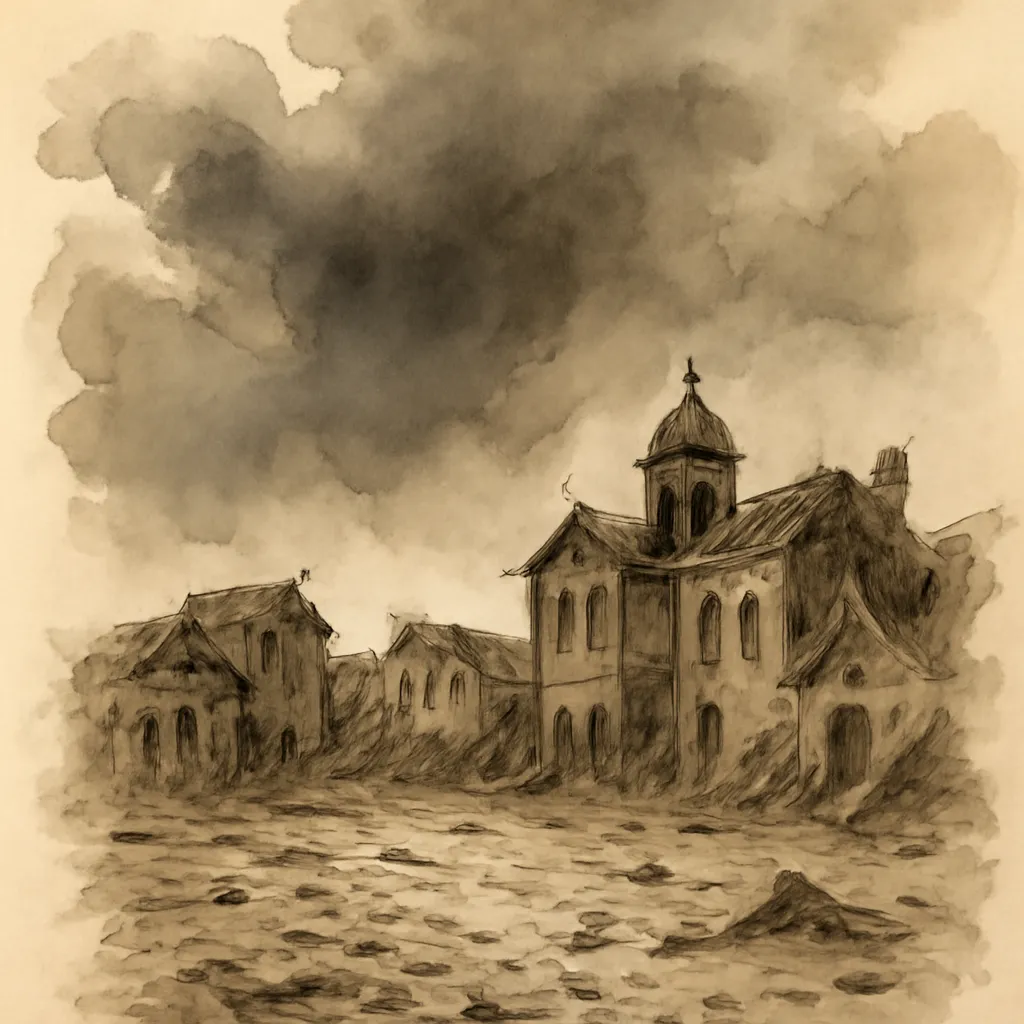
The novel captures the chaos that ensued after Lincoln's assassination and the subsequent Reconstruction era. Dixon portrays this period as one of blind passion and fierce revenge, where the South is depicted as a wounded entity struggling to survive under the weight of Northern policies. The author highlights how the radical changes imposed by the North, particularly through figures like Thaddeus Stevens, are seen as an attempt to 'Africanize' the South. This perspective invites readers to consider the deep-seated resentments and fears that fueled the rise of groups like the Klan, as they sought to protect what they viewed as their way of life. The chaotic atmosphere serves as a backdrop for personal stories of love and loss, emphasizing how national conflict permeates individual lives. The portrayal of the Southern populace as victims of Northern aggression creates a lens through which to understand their subsequent actions, suggesting that desperation can lead to moral ambiguity in the face of perceived existential threats.
4.Love Across Divides
At the heart of 'The Clansman' lies a poignant love story between Ben Cameron and Elsie Stoneman, which serves as a microcosm of the larger societal conflicts. Their romance is fraught with challenges, as they navigate the prejudices and expectations of their respective backgrounds. Elsie's Northern ideals clash with Ben's Southern pride, creating a tension that reflects the broader divisions within the country. The love story is not just a personal journey but a commentary on the potential for reconciliation and understanding between opposing sides. Dixon uses their relationship to illustrate how love can transcend the barriers erected by society, even as it is tested by the tumult of the times. The stark differences in their upbringing and beliefs lead to moments of profound introspection, ultimately pushing them to question their loyalties and the ideologies they were raised with. This exploration of love against a backdrop of hatred and division serves to highlight the possibility of unity amidst chaos, encouraging readers to consider the transformative power of empathy and connection.
5.The Role of Women in a Changing Society
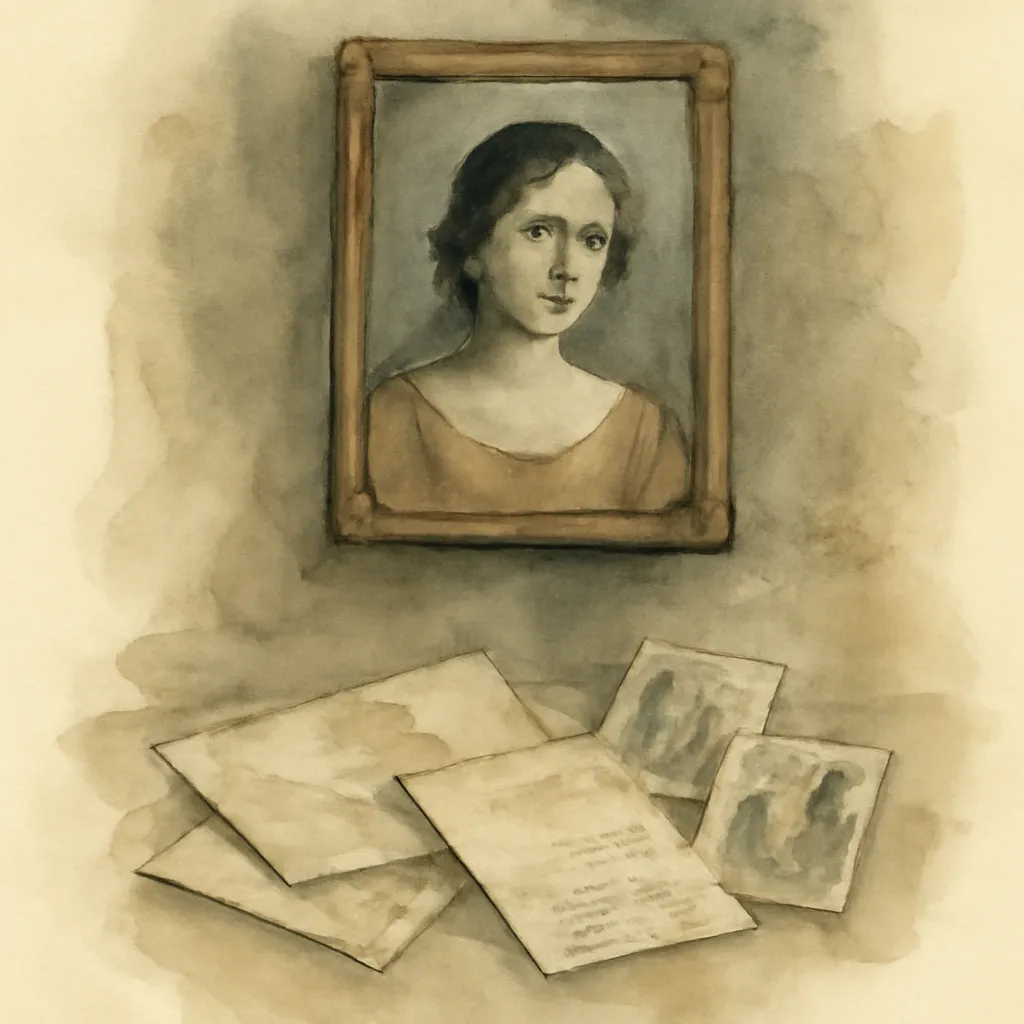
Dixon also explores the role of women during this tumultuous period through characters like Margaret Cameron and Elsie Stoneman. Women are depicted as both victims and agents of change, navigating a world reshaped by war and social upheaval. Margaret, as a Southern woman, embodies the traditional values of her upbringing, yet she also demonstrates resilience and strength in the face of adversity. Elsie, on the other hand, represents the progressive ideals of the North, challenging societal norms and expectations. Their contrasting perspectives highlight the complexities of womanhood during Reconstruction, as women are forced to adapt to new realities while also striving to assert their voices. Through these characters, Dixon underscores the importance of women's contributions to the fabric of society, even as they grapple with their identities in a rapidly changing world. The narrative emphasizes that women’s roles are not merely supportive but central to the unfolding drama, with their actions often driving pivotal moments in the story.
6.The Nature of Revenge
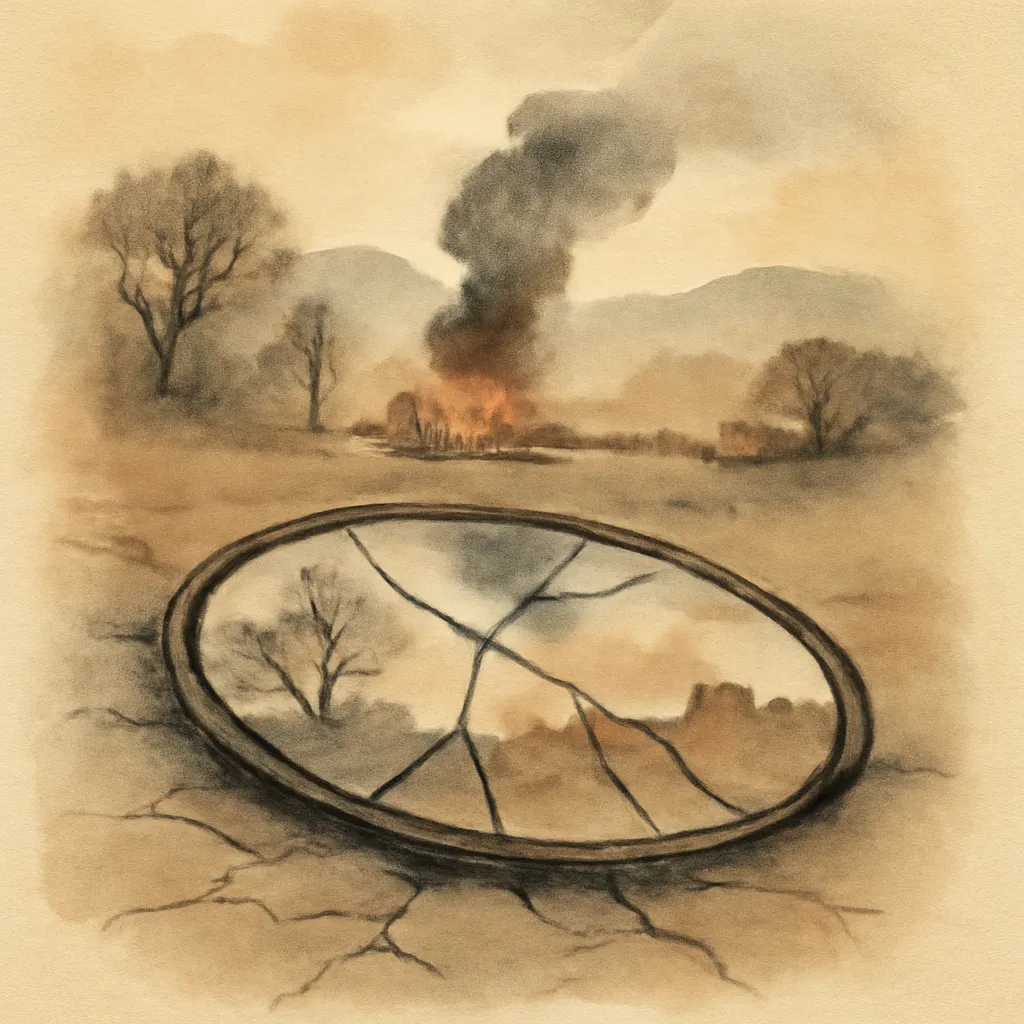
A central theme in 'The Clansman' is the nature of revenge and its consequences. The narrative illustrates how deeply ingrained resentments can lead to cycles of violence, as characters seek retribution for perceived wrongs. The Klan's actions are framed as a response to the injustices faced by white Southerners, yet Dixon also shows the moral complexities of such vengeance. The desire for revenge is portrayed as both a natural human impulse and a destructive force that perpetuates suffering. Characters like Ben Cameron are driven by a potent mix of anger and a desire to protect their loved ones, leading them down a path filled with moral dilemmas. The author raises critical questions about justice versus revenge, suggesting that while the urge for retribution may be understandable, it often results in further pain and conflict. This exploration of vengeance serves as a cautionary tale about the dangers of allowing anger to dictate actions, particularly in a society already fraught with division.
7.The Power of Propaganda
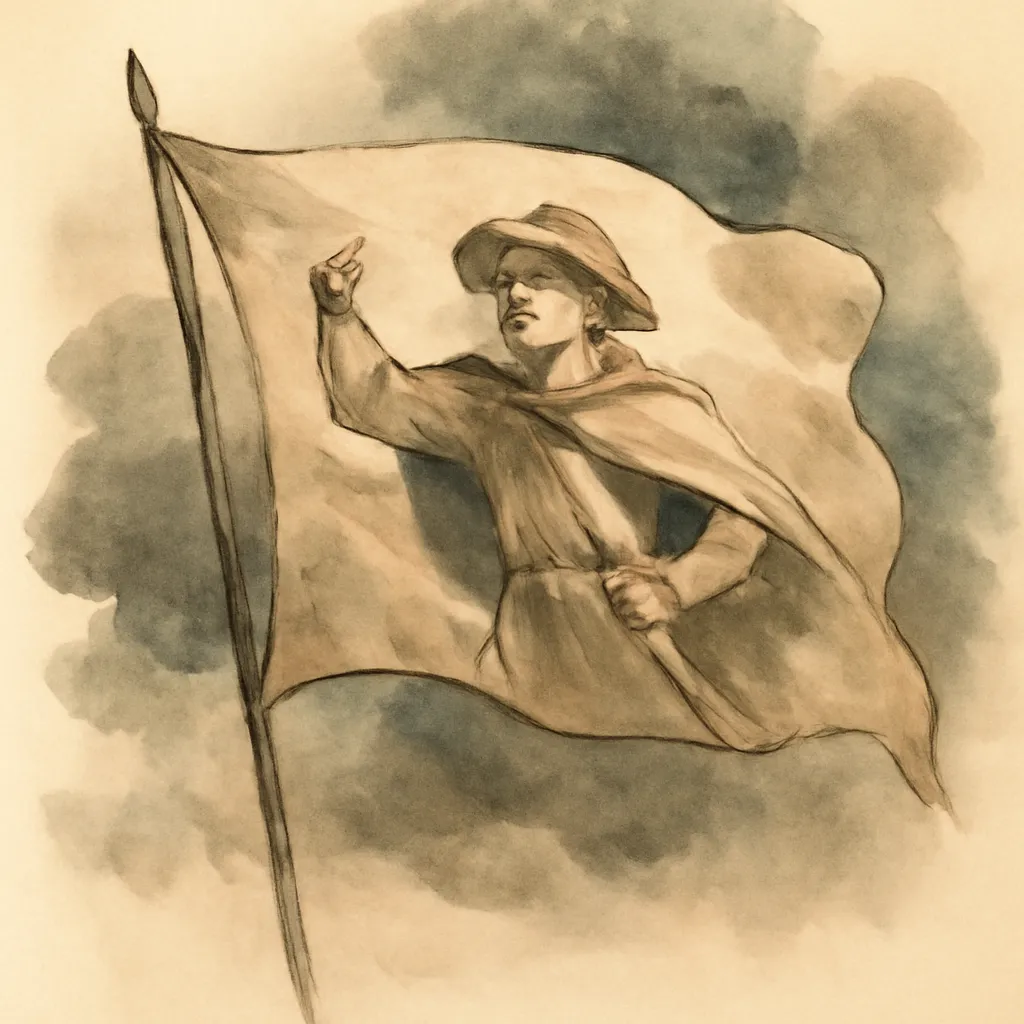
Dixon's narrative also delves into the power of propaganda and its role in shaping public perception during the Reconstruction era. The portrayal of the Klan as a heroic force fighting against oppression is a clear example of how narratives can be manipulated to serve specific agendas. The author demonstrates how the Klan's image was crafted through stories and symbols that resonated with the fears and hopes of Southern whites. This manipulation of public sentiment highlights the dangers of one-sided narratives and the importance of critically examining historical accounts. Dixon's work serves as a reminder that history is often written by the victors, and the stories we tell can have profound implications for societal beliefs and actions. The exploration of propaganda in the novel encourages readers to consider the ways in which narratives shape our understanding of justice and morality, warning against the complacency that can come from accepting a single perspective.
8.The Tragedy of Misunderstanding
A recurring motif in 'The Clansman' is the tragedy of misunderstanding between different racial and cultural groups. Dixon illustrates how preconceived notions and stereotypes fuel animosity and conflict, preventing meaningful dialogue and reconciliation. The characters' interactions often reveal deep-seated biases that cloud their perceptions of one another. For instance, Ben's initial views of Northern soldiers and Elsie's perspectives on Southern rebels reflect the broader societal divides that hinder progress. The author uses these misunderstandings to emphasize the necessity of empathy in overcoming prejudice, as well as the tragic consequences that arise when individuals allow fear and hostility to dictate their interactions. By highlighting the personal stories behind broad political ideologies, Dixon calls attention to the human cost of misunderstanding, urging readers to seek connection rather than division in their own lives.
9.The Legacy of the Civil War
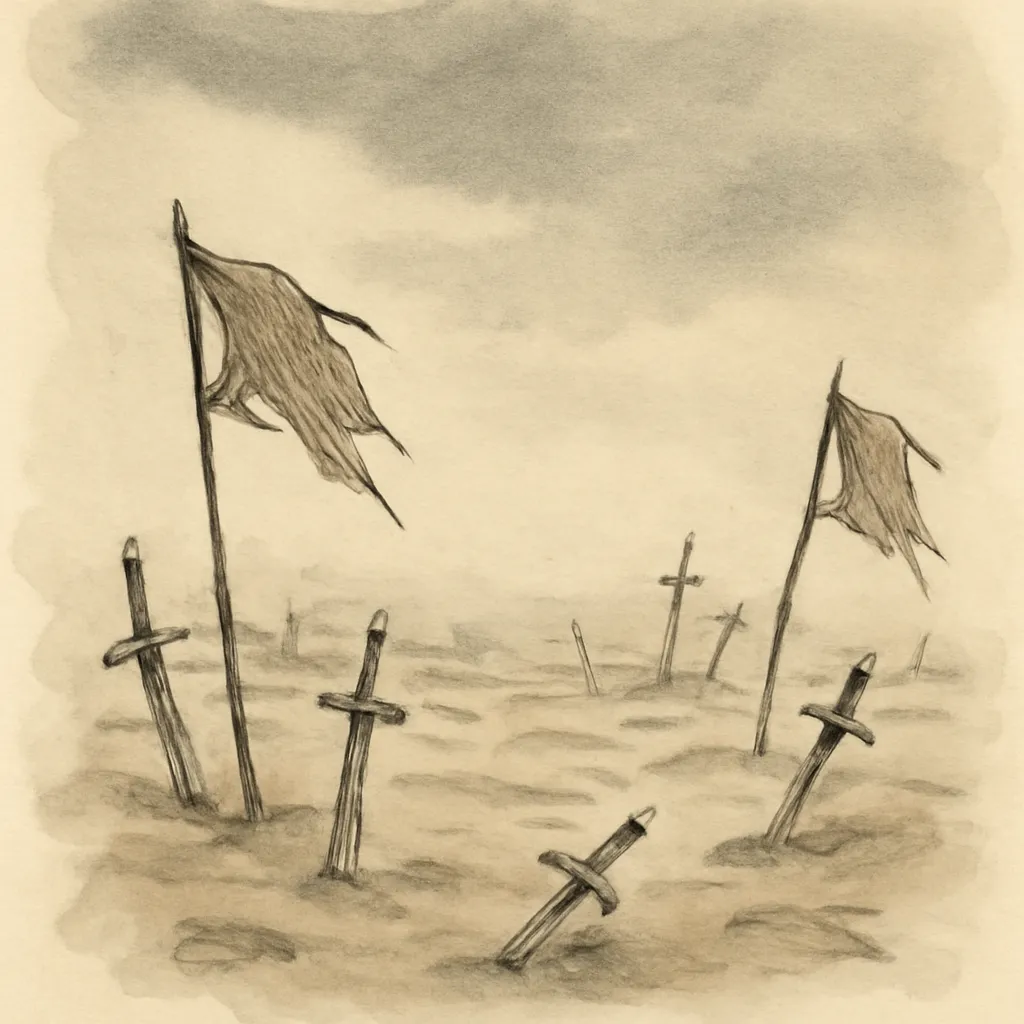
Dixon's narrative ultimately raises questions about the legacy of the Civil War and its impact on American society. The aftermath of the war is depicted as a time of uncertainty, where the ideals of freedom and equality are challenged by the realities of racism and violence. The story suggests that the war did not resolve the underlying issues of race and power but rather intensified them. As characters grapple with the consequences of their actions, the novel invites readers to reflect on the long-lasting effects of the Civil War on future generations. The exploration of legacy serves as a call to acknowledge the complexities of history and the ongoing struggles for justice and equality in America. Dixon's work encourages a critical examination of how the past continues to shape the present, emphasizing the need for continued dialogue and action in addressing systemic inequalities. This reflection on legacy also points to the challenges of healing a nation divided by its history, suggesting that understanding and confronting the past is essential to building a more equitable future.
10.Cultural Identity and Nationalism
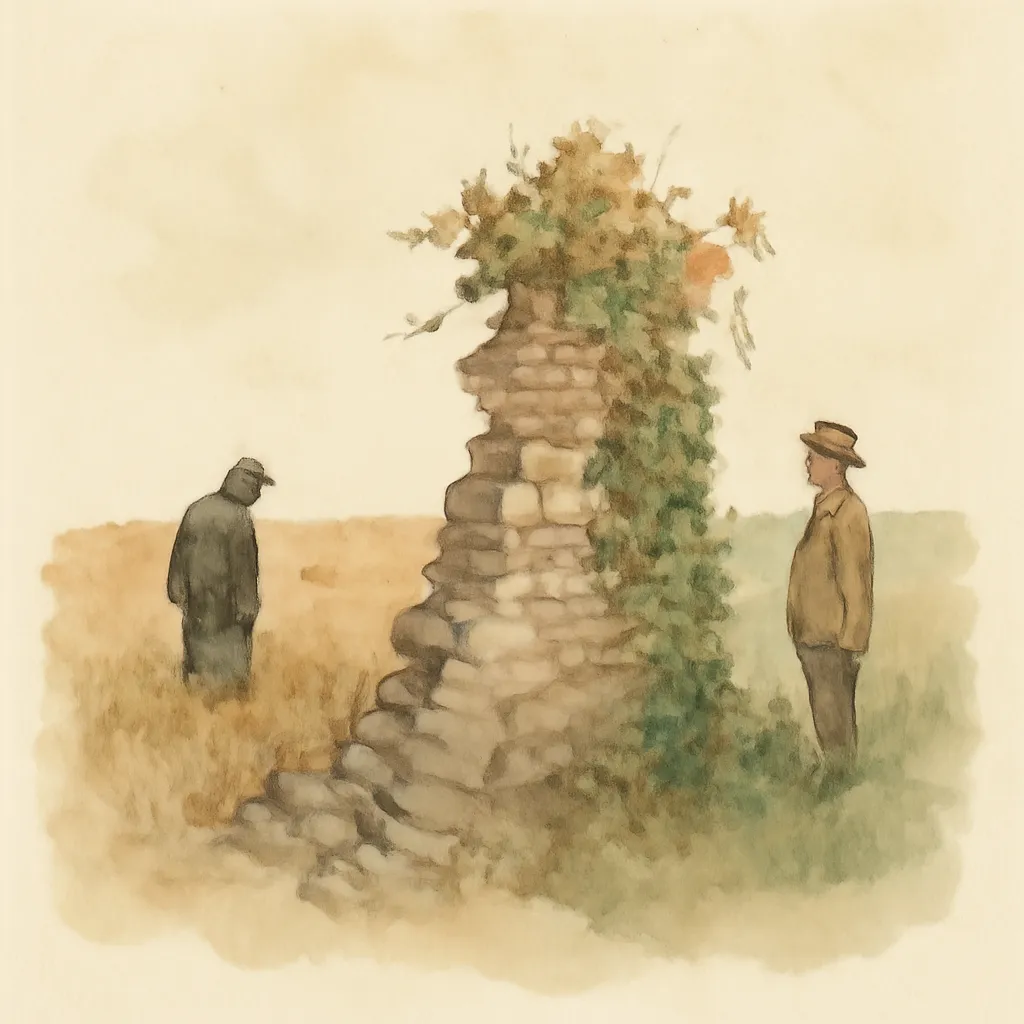
Dixon's exploration of cultural identity in 'The Clansman' reveals how nationalistic sentiments can arise from deep-seated fears and historical grievances. The characters’ strong connections to their regional identities underscore the struggle for cultural cohesion in the aftermath of the Civil War. The Klan represents an extreme manifestation of Southern nationalism, as its members seek to assert their identity in opposition to Northern ideologies and the perceived threats from newly emancipated African Americans. Dixon paints a picture of a South in crisis, where cultural identity is tied to notions of racial superiority and the need to reclaim lost honor. This analysis of nationalism highlights how wounds from the past can shape present identities, encouraging readers to consider the implications of cultural pride and the dangers of exclusionary ideologies. Through this lens, the narrative prompts reflection on how societies reconcile their histories with aspirations for unity and coexistence.