Fiction
The Clansman: An Historical Romance of the Ku Klux Klan by Thomas, Jr. Dixon — Summary, Key Ideas & Full Text
295 pages41 chapters5h 56m read4h 13m speed read✦ 10-min Big ideas★ 0.0Free · no account
Rate it
A gripping tale of love and conflict that intertwines personal stories with the tumultuous aftermath of the Civil War
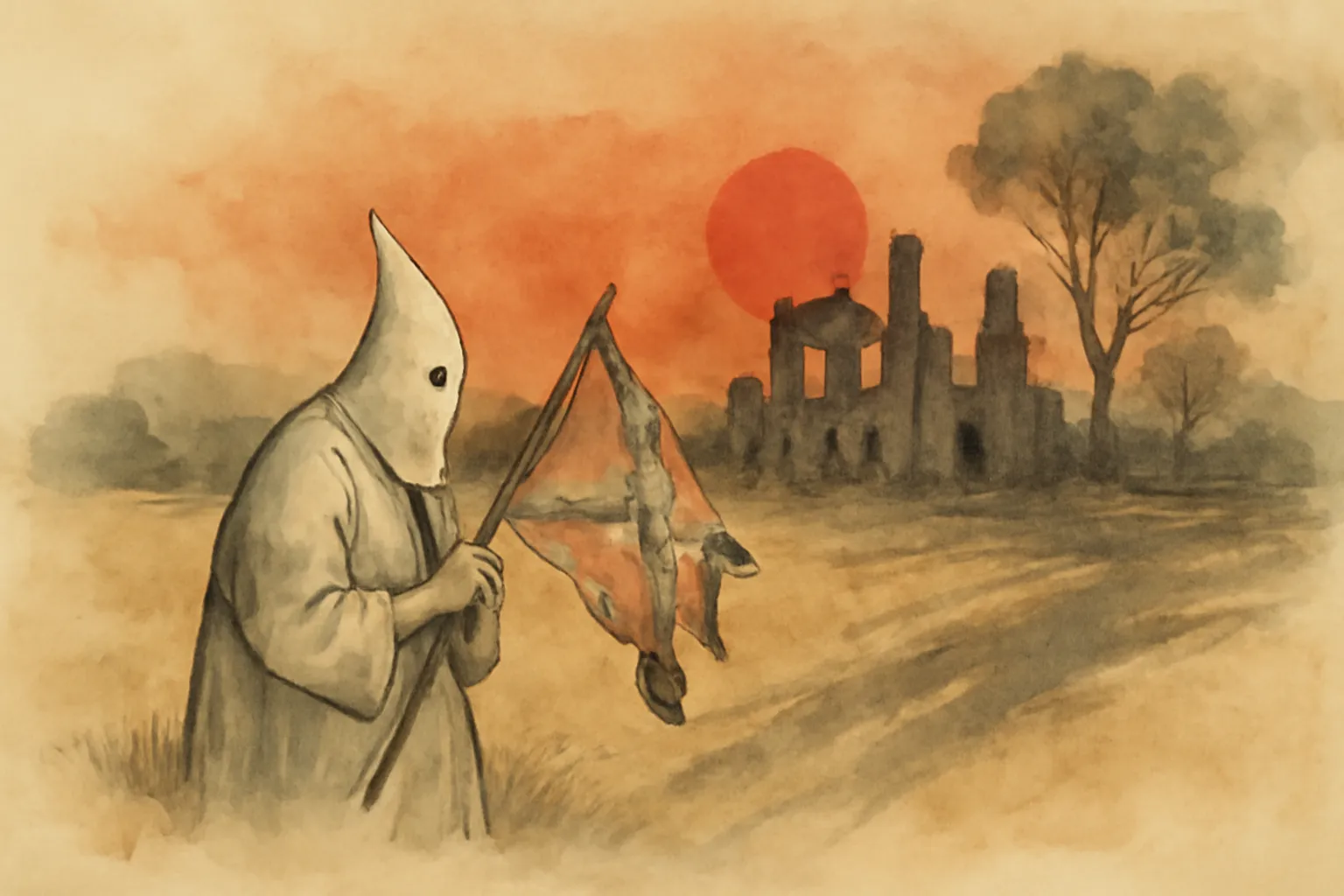
In 'The Clansman: An Historical Romance of the Ku Klux Klan,' Thomas Dixon, Jr. explores the complexities of race relations in post-Civil War America through a narrative that intertwines personal and political struggles. The story is set against a backdrop of social upheaval, where the lives of characters representing both the South and the North collide in a dramatic exploration of love, loyalty, and revenge. Dixon presents the Ku Klux Klan not merely as a violent group, but as a response to the chaos and perceived threats faced by white Southern society. This historical romance serves as both a reflection of the era's racial tensions and a commentary on the human capacity for both love and hatred, making it a provocative read for those interested in understanding the roots of racial conflict in America.
In 'The Clansman: An Historical Romance of the Ku Klux Klan,' Thomas Dixon, Jr. crafts a narrative that intertwines personal stories with the larger historical context of post-Civil War America. By exploring themes of love, revenge, and misunderstanding, the author invites readers to reflect on the complexities of race relations and the enduring impact of the Civil War. The characters' struggles serve as a mirror to the societal tensions of the time, revealing the deep scars left by conflict and the challenges of rebuilding a nation. Ultimately, Dixon's work offers valuable insights into the human condition, emphasizing the need for empathy and understanding in the face of division. This exploration of history, identity, and morality remains relevant today, urging us to confront our past while striving for a more just and equitable future.
“In the darkest hour of the life of the South, when her wounded people lay helpless amid rags and ashes under the beak and talon of the Vulture, suddenly from the mists of the mountains appeared a white cloud the size of a man's hand.”
“The chaos of blind passion that followed Lincoln's assassination is inconceivable to-day.”
“The long agony was over.”
Read Thomas, Jr. Dixon's work free on Lumina — the complete text plus an 8-minute summary and key ideas, no account needed