1.The Constraints of Upper-Class Society
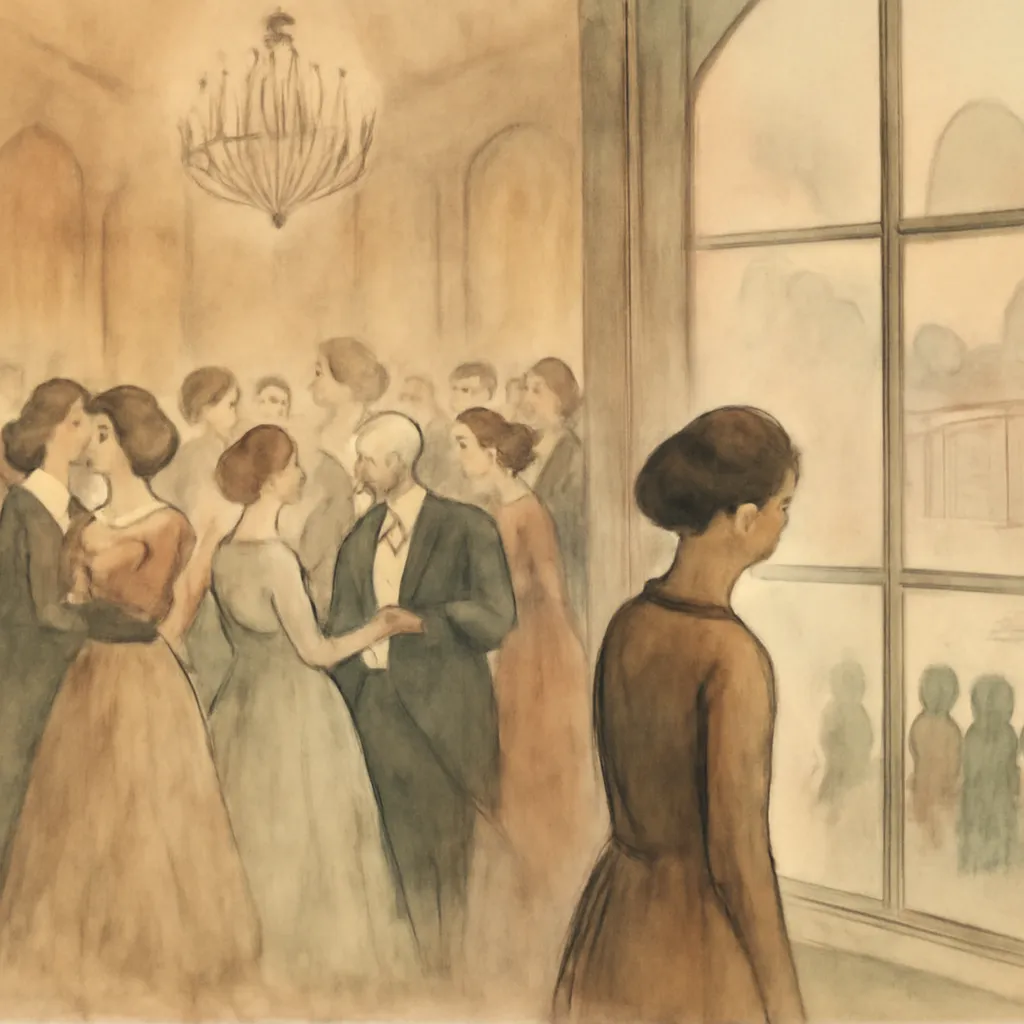
The novel opens with Vida Levering, a character steeped in the complexities of upper-class society in London. Her arrival in the Tunbridge household sets the stage for the exploration of social hierarchies and the restrictive nature of her environment. The initial interactions highlight how societal expectations dictate not only behavior but also emotional expressions. Vida's beauty garners attention, yet it also subjects her to the judgment of her peers, exemplifying the dual nature of her existence. The drawing-room, a symbol of societal decorum, serves as a backdrop for shallow conversations that lack depth and authenticity. As Vida navigates this world, the pressure to conform looms large, pushing her toward a quest for meaning that transcends the façade of upper-class life. This intricate portrayal of societal constraints reveals how the expectations of femininity confine women's identities.
2.The Awakening of Political Consciousness
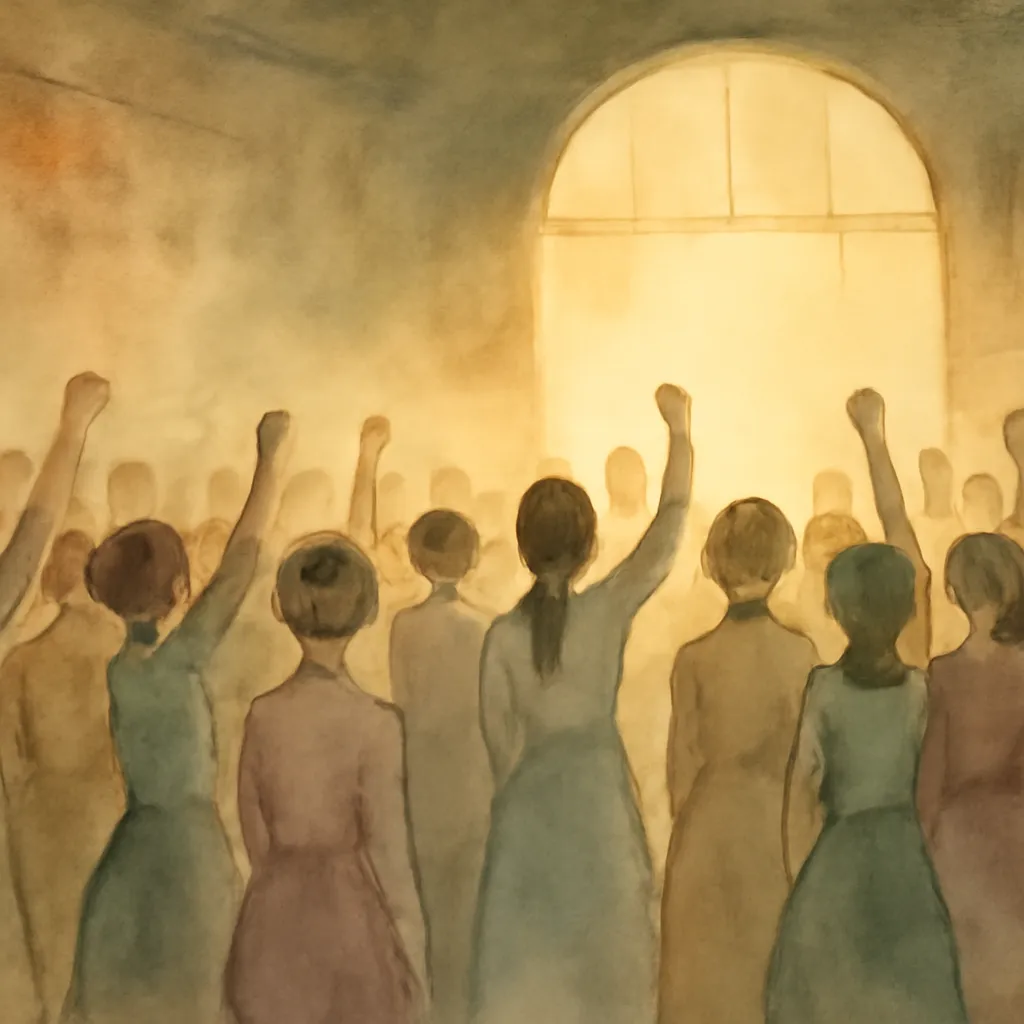
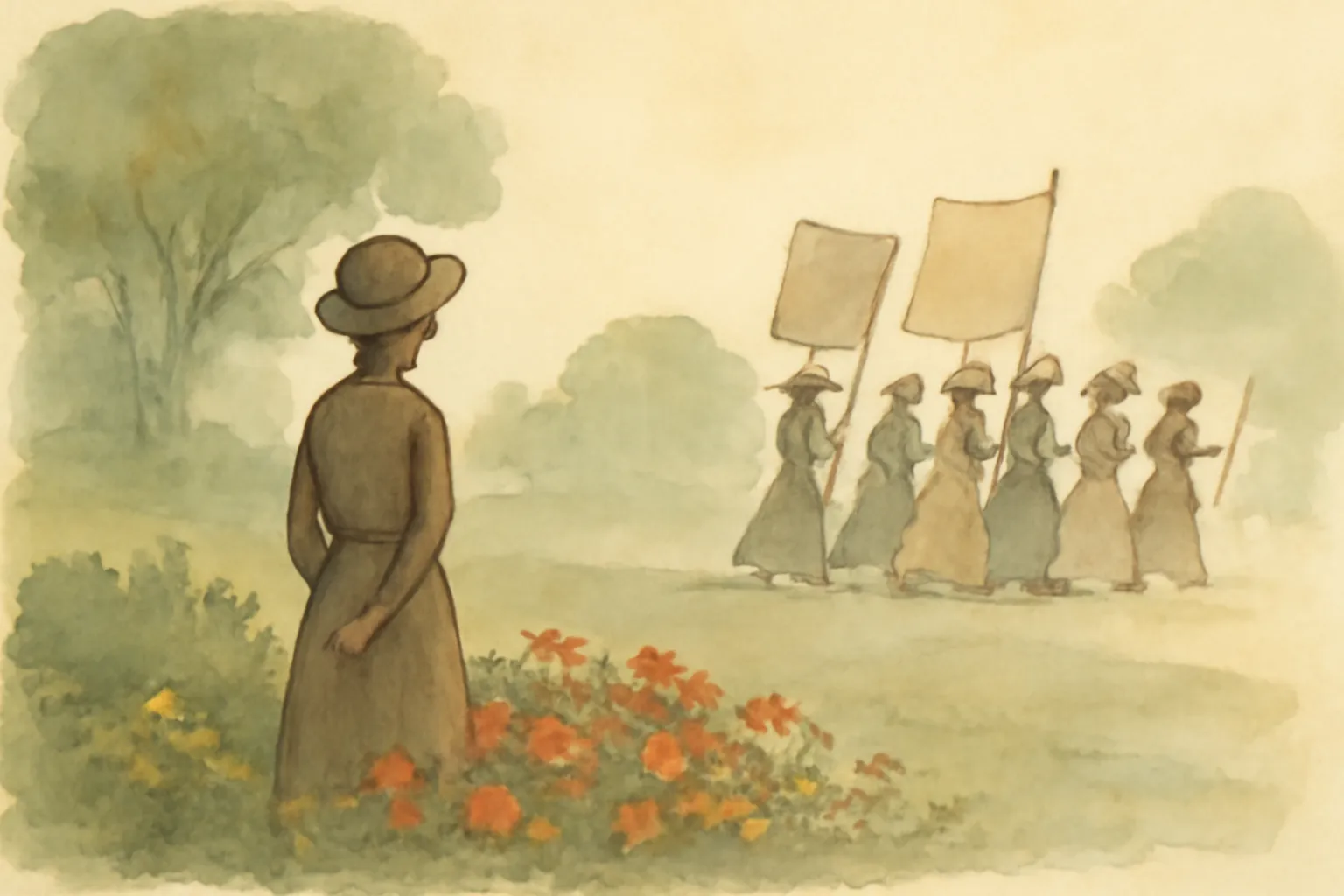
Vida's journey into activism begins when she encounters the suffragist movement, igniting a transformative awakening in her political consciousness. The suffragists' rallies and meetings introduce her to a realm of passionate advocacy that starkly contrasts with her sheltered upbringing. This awakening is not instantaneous; it unfolds gradually as Vida grapples with her identity and the role she wishes to play in the world. Her initial hesitation reflects the internal conflict many women face when confronted with the prospect of public engagement. Through her exploration of the suffragist cause, Vida begins to understand that the fight for women's rights is not merely about the right to vote, but also about reclaiming agency and asserting one's voice in a society that has historically marginalized women. This evolution of thought underscores the novel's central theme: the intersection of personal growth and collective action in the pursuit of justice.
3.The Complexity of Relationships

Vida's relationships with family and friends serve as a lens through which to view her evolving identity. The tension between her and her half-sister, Mrs. Fox-Moore, illustrates the dichotomy between traditional expectations and the desire for independence. Mrs. Fox-Moore embodies the conventional woman, fulfilling societal roles with grace and decorum, while Vida's burgeoning sense of self clashed with these ideals. Their interactions reveal the societal pressures women face to conform, which often leads to internalized conflict. Additionally, Vida's relationships with men, such as Mr. Fox-Moore and Lord Borrodaile, highlight the power dynamics inherent in gendered interactions. These male figures often reinforce societal norms, and Vida's growing awareness of these dynamics strengthens her resolve to challenge the status quo. The complexity of these relationships enriches the narrative, showcasing how personal connections can either hinder or support one's journey toward self-discovery and activism.
4.The Role of the Feminine Ideal
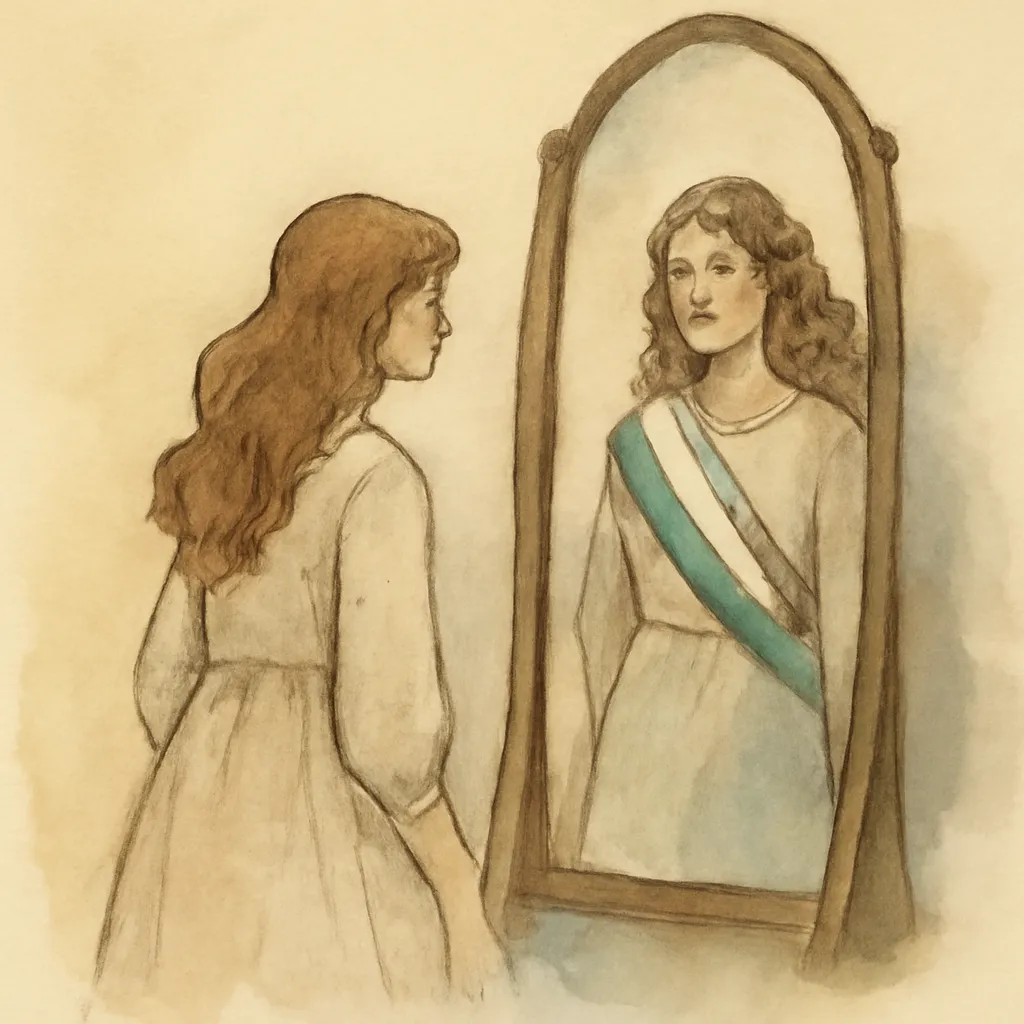
The novel intricately examines the concept of the feminine ideal and its implications for women in society. Initially, Vida embodies the traditional ideals of femininity—graceful, charming, and self-sacrificing. However, as she engages with the suffragist movement, this portrayal is challenged. Vida begins to shed the constraints of societal expectations, embracing her individuality and asserting her right to exist beyond the confines of what is deemed acceptable for women. Robins paints a vivid picture of the struggle women face in reconciling their identities with societal ideals. The character's journey becomes a rebellion against these imposed standards, emphasizing the need for women to define their own identities and resist the pressures that seek to limit their autonomy. This exploration of the feminine ideal serves as a powerful commentary on the ongoing struggle for gender equality and the reclamation of agency.
5.The Significance of Activism
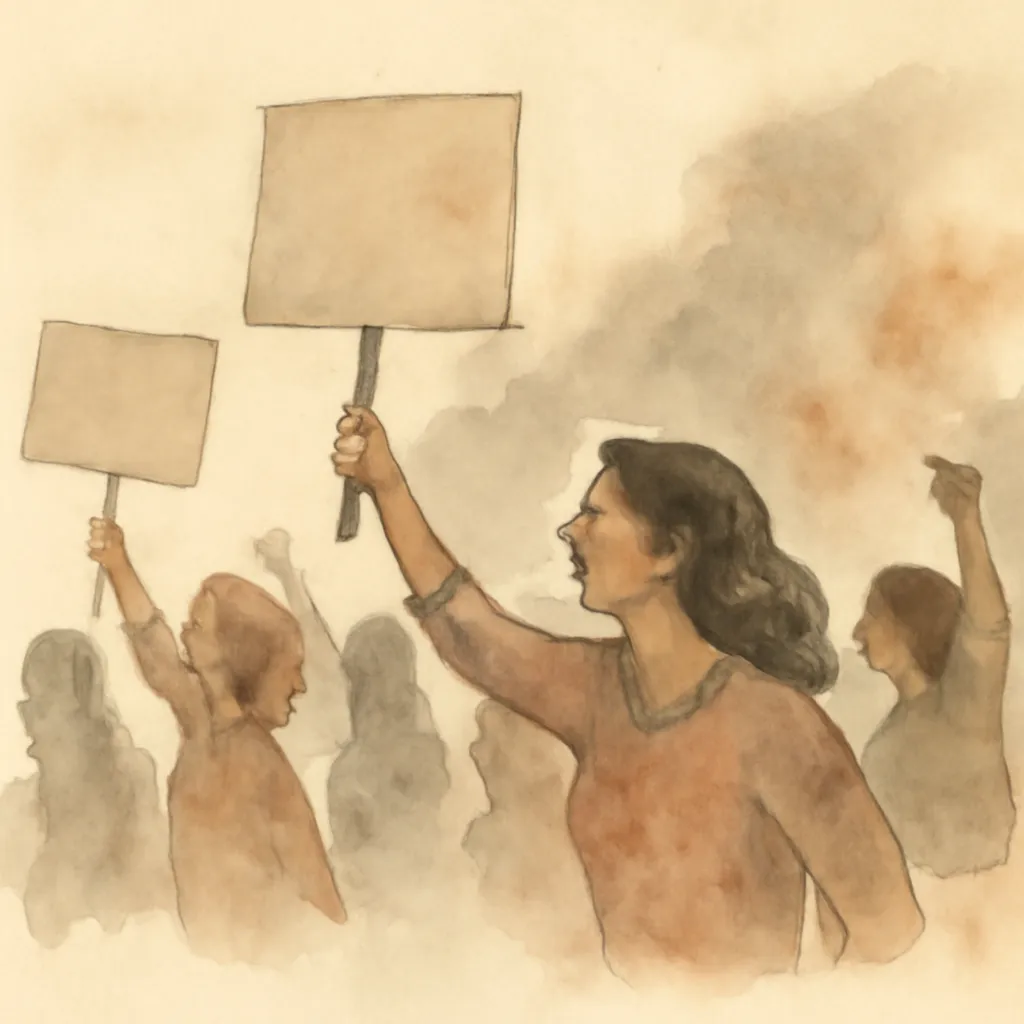
Activism is a central theme throughout 'The Convert,' illustrating how the suffragist movement becomes a catalyst for Vida's personal growth. Her involvement with the suffragists is not merely an act of political engagement; it represents a profound transformation in her understanding of community and collective action. The gatherings in Trafalgar Square symbolize the power of voices uniting for a common cause. Vida's experiences at these rallies expose her to the raw energy of activism, igniting a sense of urgency to join the struggle for women's rights. Through her participation, she learns that activism is not only a means to an end but also a path to self-discovery and empowerment. The novel emphasizes the importance of solidarity and the strength that arises when individuals come together to fight for justice, underscoring the notion that social change requires collective effort and commitment.
6.The Intersection of Class and Gender
Robins adeptly navigates the intersection of class and gender throughout the narrative, revealing how these factors shape women's experiences and opportunities. Vida's upper-class status affords her certain privileges, yet it simultaneously constrains her freedom. The novel critiques the ways in which class dynamics influence women's roles within the suffragist movement. Characters from different social standings face unique challenges and hurdles, illustrating that the fight for women's rights is not monolithic. Vida's interactions with women from varying backgrounds expose her to diverse perspectives, broadening her understanding of the movement's complexities. This exploration of class and gender dynamics underscores the idea that the pursuit of equality must account for the myriad experiences and voices that comprise the larger narrative of women's rights.
7.The Power of Female Friendships
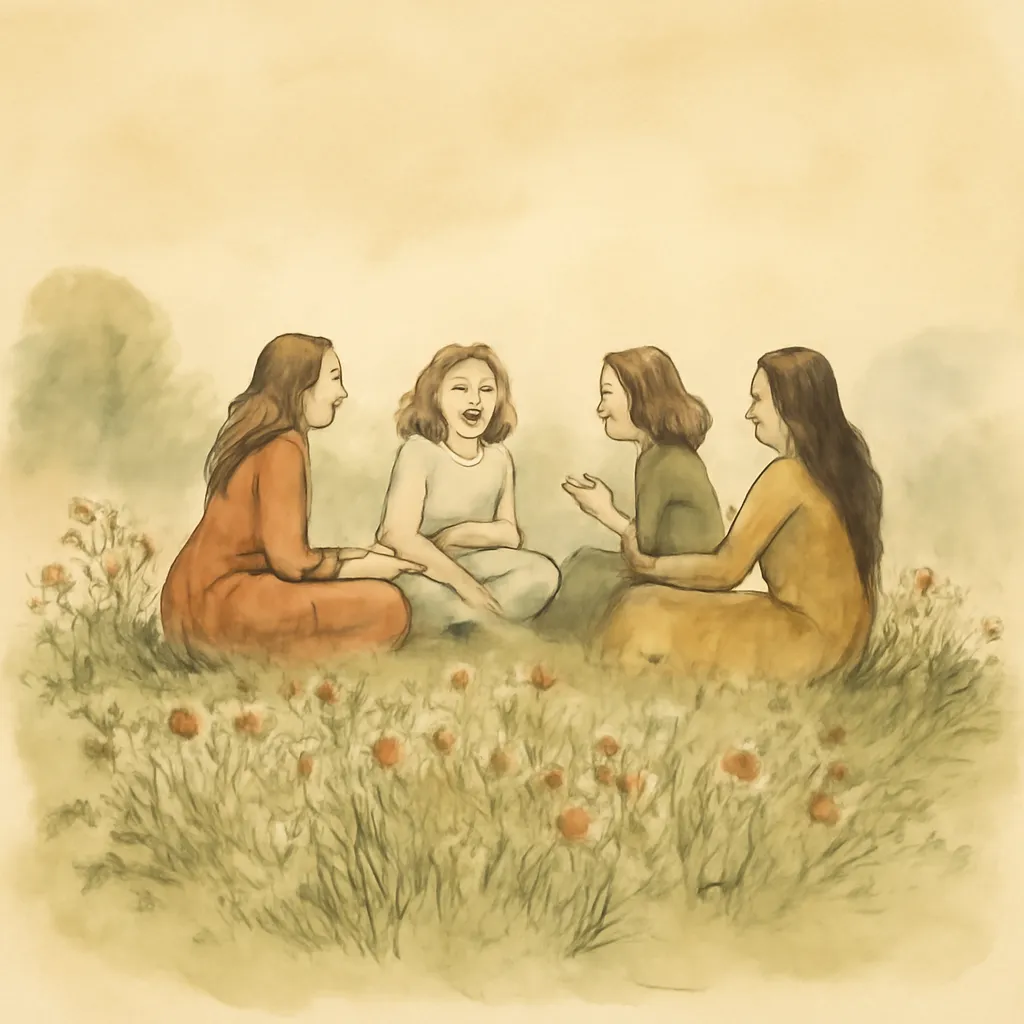
Amidst the backdrop of political struggle, the novel places significant emphasis on the importance of female friendships. Vida's relationships with fellow suffragists provide her with a sense of belonging and community as she navigates her journey. These connections become a source of strength and support, illustrating how women can empower one another in their quest for justice. The camaraderie among suffragists serves as a reminder that solidarity is essential in overcoming the obstacles they face. Through these friendships, Vida learns the value of collaboration and mutual support, reinforcing the notion that the fight for women's rights is a collective endeavor. Robins captures the essence of female solidarity, showcasing how bonds formed through shared experiences can galvanize individuals to take action and effect change.
8.The Inner Conflict of Choices
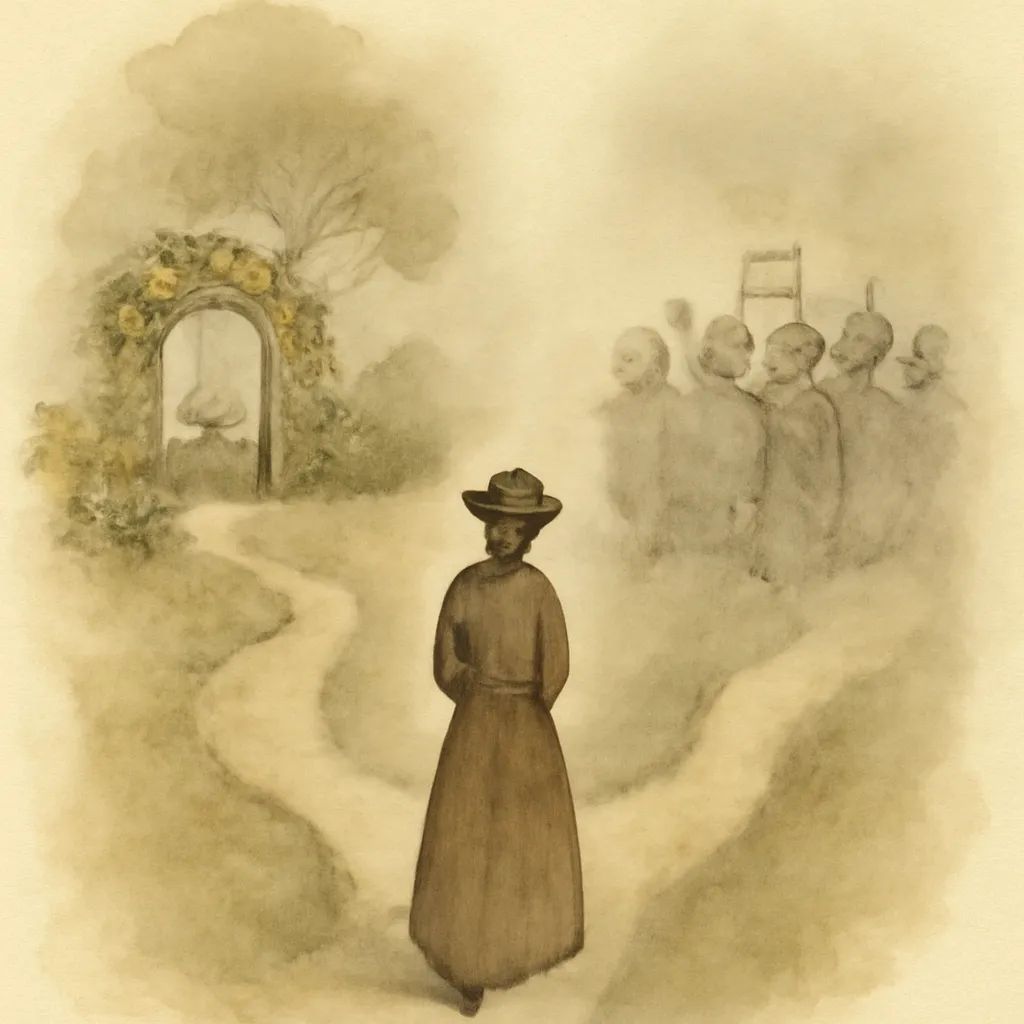
Vida's journey is marked by inner conflict as she grapples with the choices she must make in the face of societal expectations. The tension between her desire for independence and the constraints imposed by her upbringing creates a profound struggle. Robins poignantly captures this conflict, illustrating the emotional turmoil that accompanies the pursuit of one's passions. Vida's decisions reflect her evolving understanding of self and the sacrifices she must consider, as she weighs the consequences of her actions against her aspirations. This exploration of choice highlights the complexities of agency, as Vida learns that true empowerment often requires navigating difficult paths and confronting the repercussions of her decisions. The narrative conveys that the journey toward self-realization is often fraught with challenges, but it is through these struggles that one can ultimately find their voice.
9.The Influence of Media and Public Perception
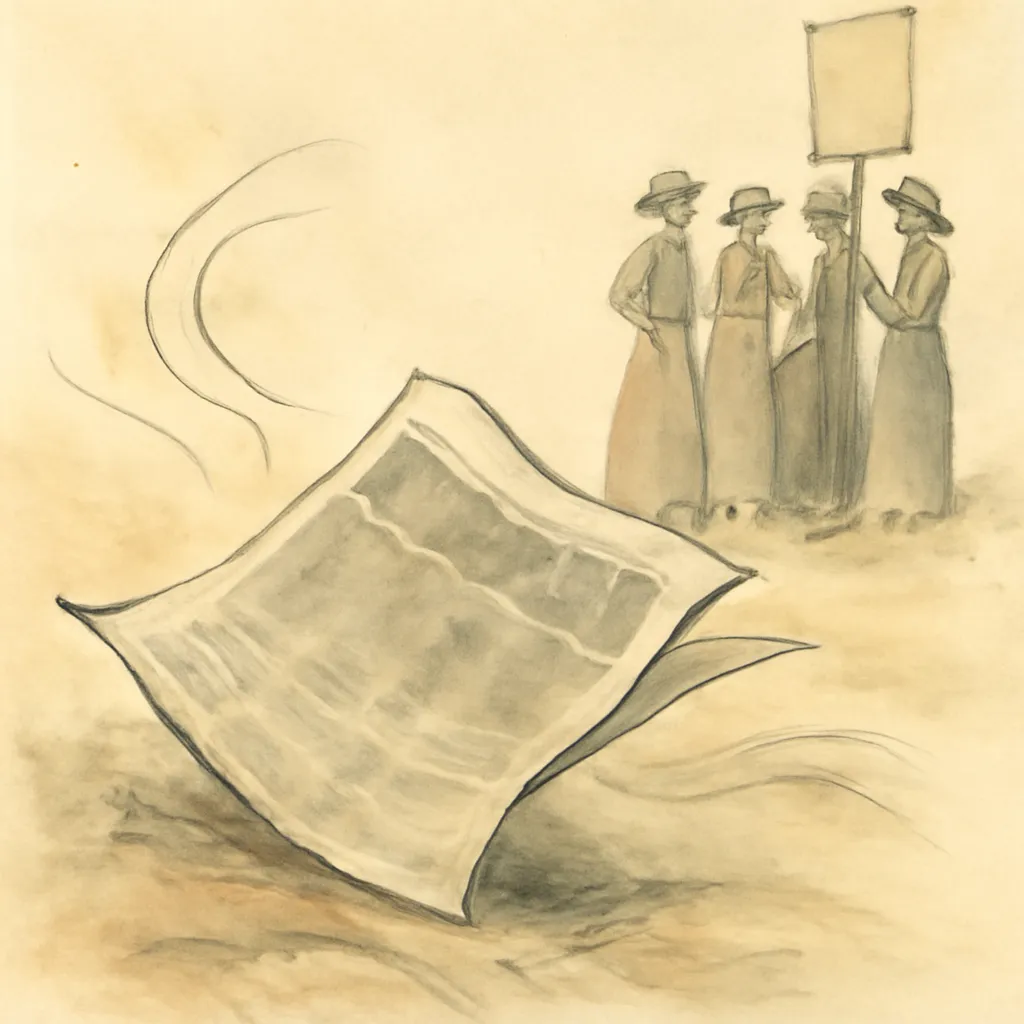
The novel also addresses the role of media and public perception in shaping the suffragist movement. As Vida becomes more involved with the suffragists, she observes how the press portrays their actions, frequently distorting their message for sensationalism. This dynamic illustrates the challenges faced by activists in gaining public support. Robins uses this relationship between the suffragists and the media to underscore the importance of narrative control, as the movement must contend with misrepresentations that undermine their efforts. Vida's realization of the media's influence compels her to consider how representation shapes the public's perception of women's rights. This theme resonates with contemporary discussions about media portrayal and its impact on social movements, emphasizing the ongoing relevance of these issues as activists strive to reclaim their narratives and advocate for change.
10.The Journey Towards Self-Realization
Ultimately, 'The Convert' is a story of self-realization and the quest for authenticity. Vida's evolution from a sheltered young woman to an empowered activist represents a broader narrative of women's liberation. Through her experiences, readers witness her gradual awakening to the realities of gender inequality and the necessity of fighting for change. This journey is not linear; it is fraught with challenges and setbacks that test her resolve. Yet, it is through these struggles that Vida discovers her voice and asserts her identity. The novel serves as a powerful reminder that the path to self-discovery often requires courage, resilience, and the willingness to confront societal norms. Robins crafts a narrative that encourages readers to embrace their agency and engage in the pursuit of social change, ultimately suggesting that the journey toward authenticity is a vital aspect of the human experience.