

In a world constrained by societal norms, one woman's awakening to the suffragist movement challenges her identity and purpose
Read full overviewShow less›
Elizabeth Robins' 'The Convert' weaves a rich tapestry of personal transformation against the backdrop of the early suffragist movement in England. Through the eyes of Vida Levering, readers are invited to explore the complexities of women's roles within society and the invigorating pull of activism. As Vida grapples with her identity and the expectations placed upon her, she embarks on a journey that not only questions her values but also propels her into the heart of a burgeoning movement. This story is not just about the fight for the vote; it's about the struggle for self-identity, the courage to defy societal conventions, and the bonds that form when individuals unite for a common cause. By the end of this exploration, you'll find yourself reflecting on the importance of agency, community, and the relentless pursuit of justice.
Elizabeth Robins' 'The Convert' is a profound exploration of the intersection of personal identity and political activism. Through Vida Levering's journey, readers are invited to reflect on the societal constraints that shape women's lives and the transformative power of collective action. The novel resonates with contemporary discussions surrounding gender equality, reminding us that the fight for justice is ongoing and multifaceted. By delving into the complexities of relationships, societal expectations, and the struggle for self-realization, Robins crafts a narrative that is both timely and timeless. Ultimately, 'The Convert' serves as a call to action, urging readers to embrace their agency and engage in the pursuit of social change.
- 1The Constraints of Upper-Class Society
- 2The Awakening of Political Consciousness
- 3The Complexity of Relationships
- 4The Role of the Feminine Ideal
- 5The Significance of Activism
Notable quotes
“It's too late to see the baby, miss. He's asleep.”
“I told you expecially we wanted two bocks.”
“If I admit you here you'll have to toe the mark!”
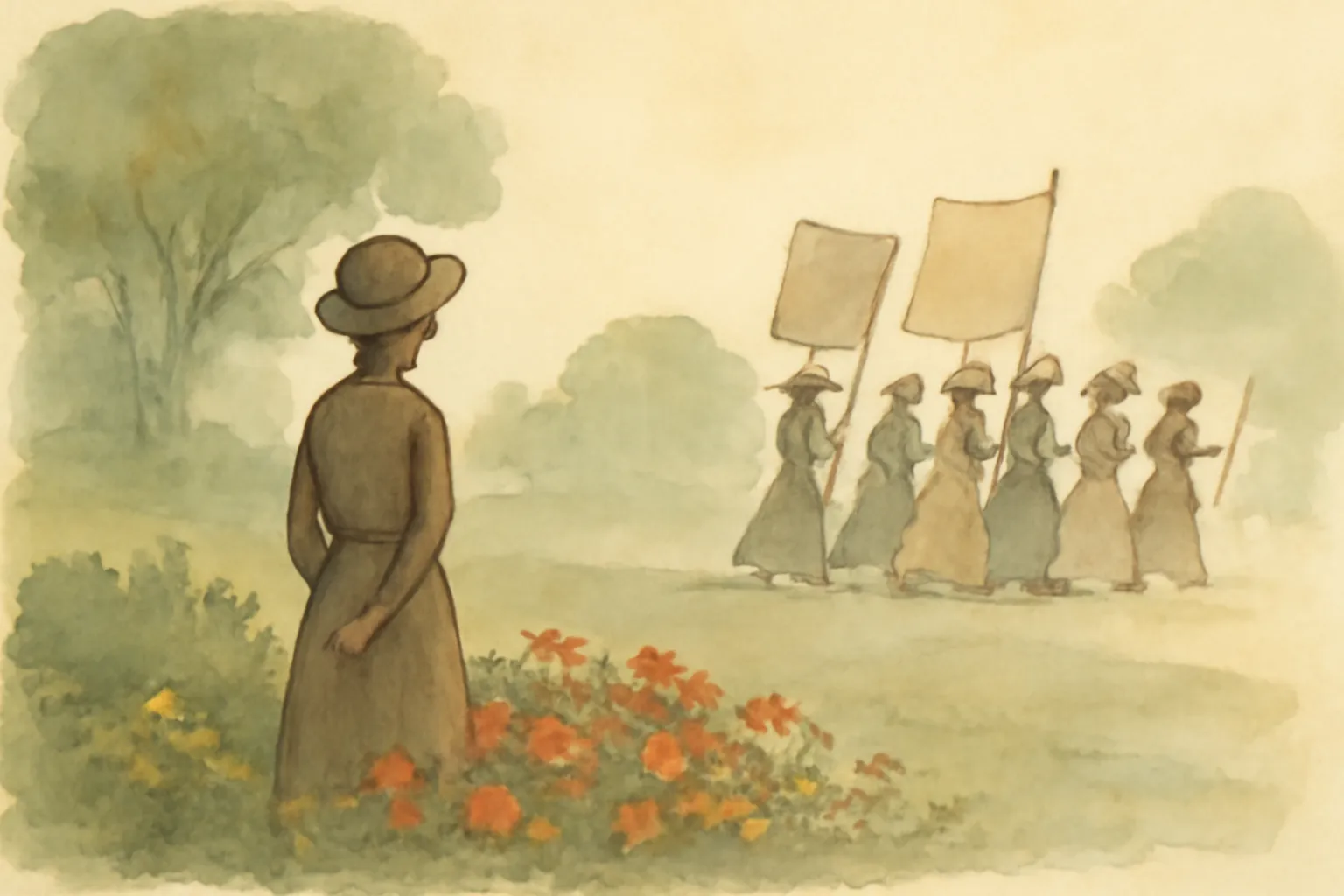
A glimpse inside

The novel opens with Vida Levering, a character steeped in the complexities of upper-class society in London. Her arrival in the Tunbridge household sets the stage for th… Read moreThe novel opens with Vida Levering, a character steeped in the complexities of upper-class society in London. Her arrival in the Tunbridge household sets the stage for the exploration of social hierarchies and the restrictive nature of her environment. The initial interactions highlight how societal expectations dictate not only behavior but also emotional expressions. Vida's beauty garners attention, yet it also subjects her to the judgment of her peers, exemplifying the dual nature of her existence. The drawing-room, a symbol of societal decorum, serves as a backdrop for shallow conversations that lack depth and authenticity. As Vida navigates this world, the pressure to conform looms large, pushing her toward a quest for meaning that transcends the façade of upper-class life. This intricate portrayal of societal constraints reveals how the expectations of femininity confine women's identities. Show less
Vida's journey into activism begins when she encounters the suffragist movement, igniting a transformative awakening in her political consciousness. Read moreVida's journey into activism begins when she encounters the suffragist movement, igniting a transformative awakening in her political consciousness. The suffragists' rallies and meetings introduce her to a realm of passionate advocacy that starkly contrasts with her sheltered upbringing. This awakening is not instantaneous; it unfolds gradually as Vida grapples with her identity and the role she wishes to play in the world. Her initial hesitation reflects the internal conflict many women face when confronted with the prospect of public engagement. Through her exploration of the suffragist cause, Vida begins to understand that the fight for women's rights is not merely about the right to vote, but also about reclaiming agency and asserting one's voice in a society that has historically marginalized women. This evolution of thought underscores the novel's central theme: the intersection of personal growth and collective action in the pursuit of justice. Show less
Read the full text — free
About the author
Read Elizabeth Robins's work free on Lumina — the complete text plus an 8-minute summary and key ideas, no account needed