1.The Universe as a Mistake
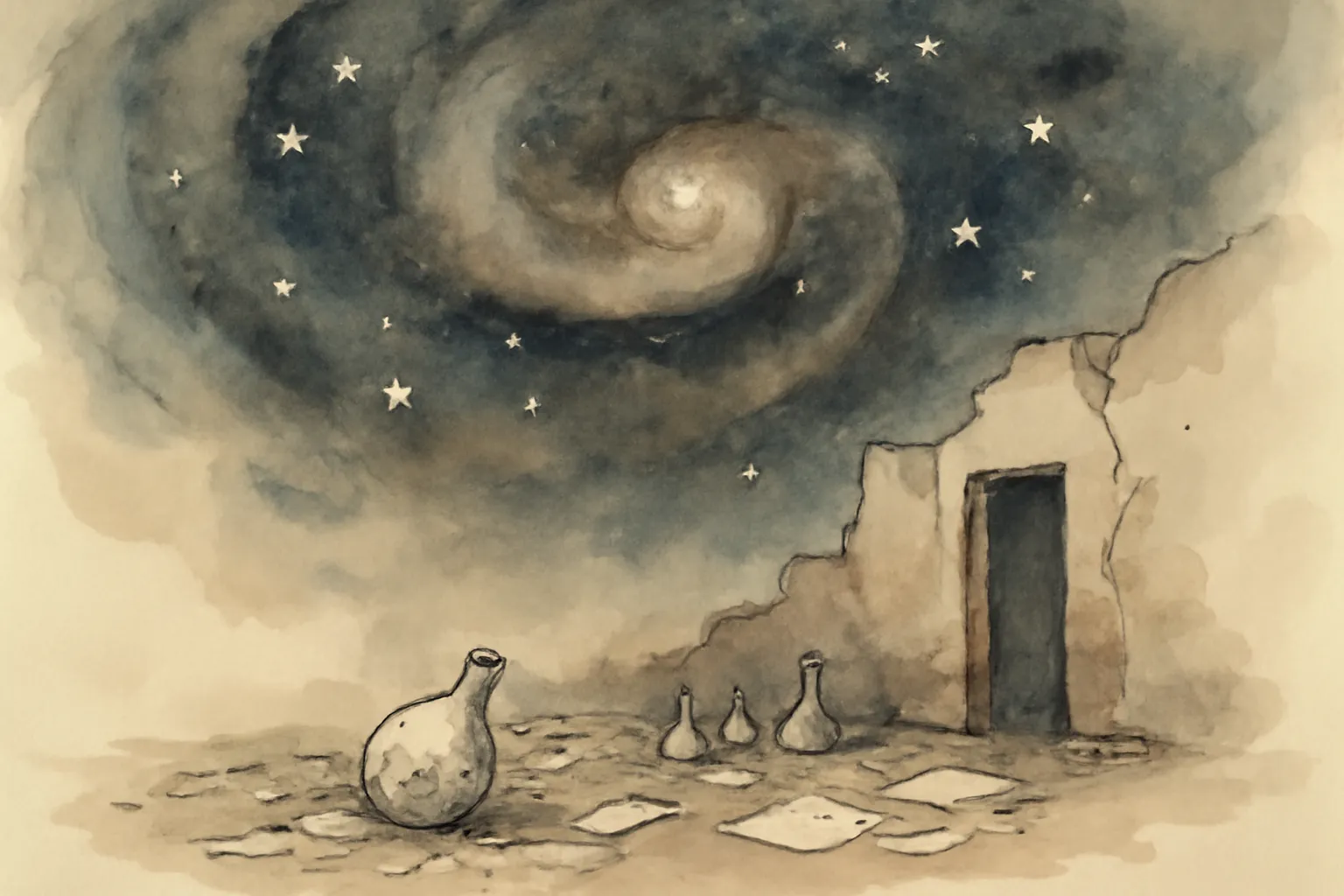
Herbert Brande provocatively asserts that 'The Universe is a mistake!' This bold declaration serves as the catalyst for the protagonist's journey into the depths of human understanding and scientific inquiry. The weight of such a statement is palpable; it challenges the very essence of existence and dismisses the notion that life has inherent meaning. Brande's assertion challenges the conventional wisdom of his time, suggesting that humanity's existence is insignificant in the grand scheme of the cosmos. This perspective not only reflects Brande's intellectual arrogance but also sets the stage for a deeper exploration of existential philosophy. The protagonist grapples with Brande's views, oscillating between admiration and skepticism, and this tension highlights the central conflict of the narrative: the struggle to find meaning in an indifferent universe. This philosophical backdrop serves as a mirror for the reader’s own contemplation about life's purpose and the extent to which humanity can impose meaning on a cosmos that may be indifferent to our struggles.
2.The Allure of Scientific Societies
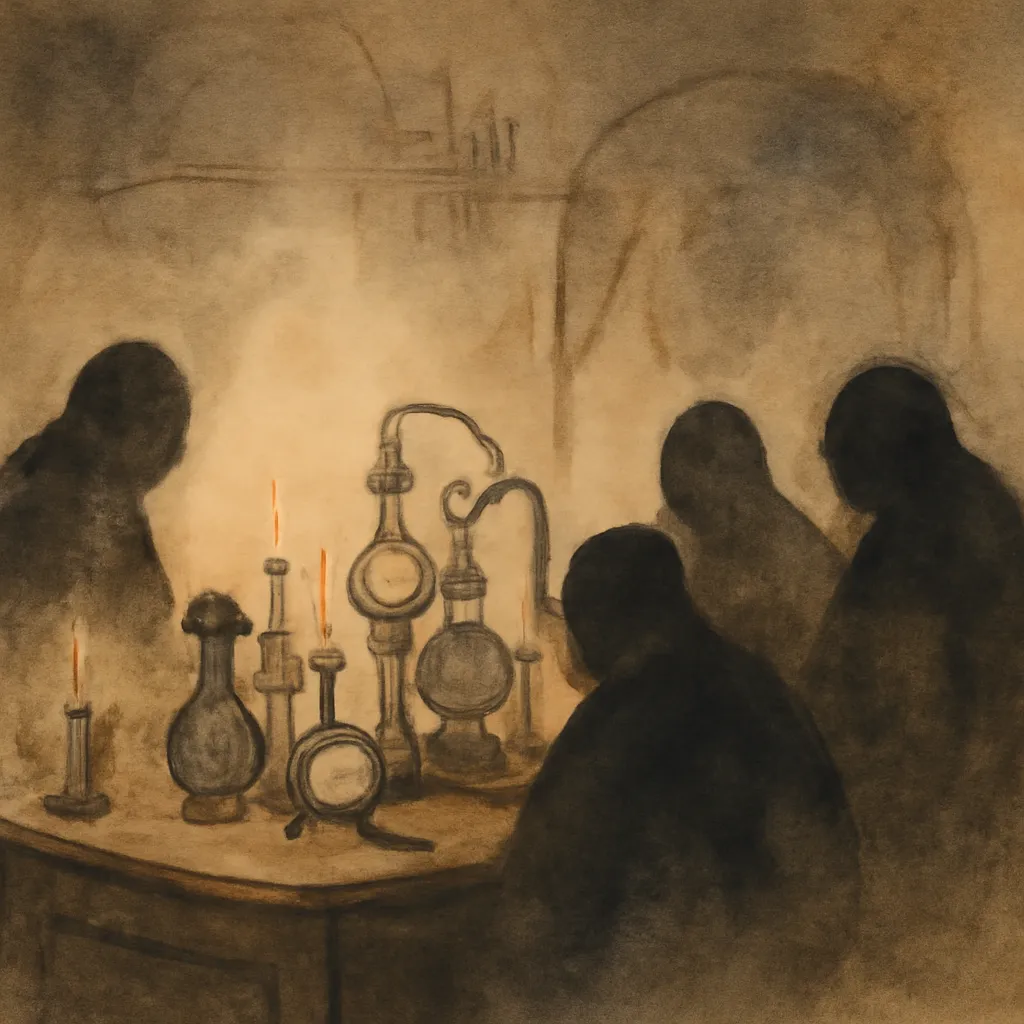
Brande invites the protagonist to a meeting of his enigmatic Society, which raises questions about the nature of knowledge and the pursuit of truth. The Society appears to blend legitimate scientific inquiry with darker, more sinister undertones, creating an atmosphere of intrigue and danger. As the protagonist attends the meeting, he becomes increasingly aware of the Society's secretive nature and the unsettling implications of their experiments. This duality reflects the broader theme of scientific exploration: the potential for knowledge to lead to both enlightenment and destruction. Cromie uses the Society as a narrative device to illustrate the seductive power of radical ideas and the moral responsibilities that accompany such pursuits. The protagonist’s initial curiosity is soon overshadowed by a growing sense of unease, mirroring the internal conflict faced by those who flirt with dangerous ideologies for the sake of ‘progress.’ This raises critical questions: do the ends justify the means in the pursuit of knowledge? How far should humanity go in its quest for scientific advancement?
3.The Role of Women in a Changing Society
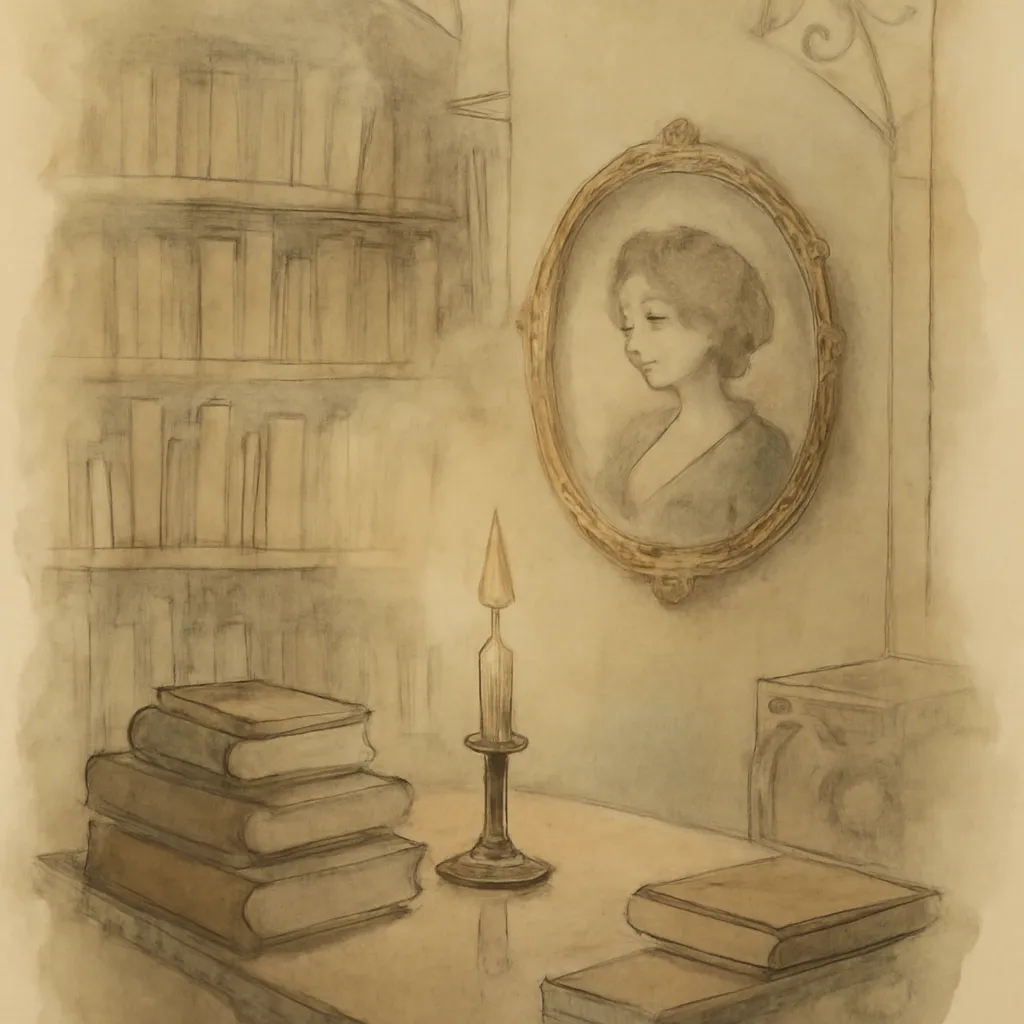
Natalie Brande, Herbert's sister, embodies the complexities of women's roles during the late 19th century. Her character challenges traditional gender norms, as she engages in philosophical debates and expresses her own views on life and existence. Through Natalie, Cromie critiques societal expectations of women, portraying her as both a beacon of intelligence and a victim of her brother's ambitions. This dynamic reflects the tensions of a society on the brink of change, where women began to assert their voices amidst male-dominated discourse. The conversations between Natalie and the protagonist reveal the struggle for autonomy in a male-dominated society, as she grapples with her loyalty to her brother and her own moral compass. This tension enriches the narrative, offering a lens through which to examine the evolving roles of women in the context of scientific and philosophical discourse. Natalie's internal conflict symbolizes the broader societal shifts taking place, as women like her sought to navigate a path between traditional expectations and emerging modernity.
4.The Nature of Life and Death
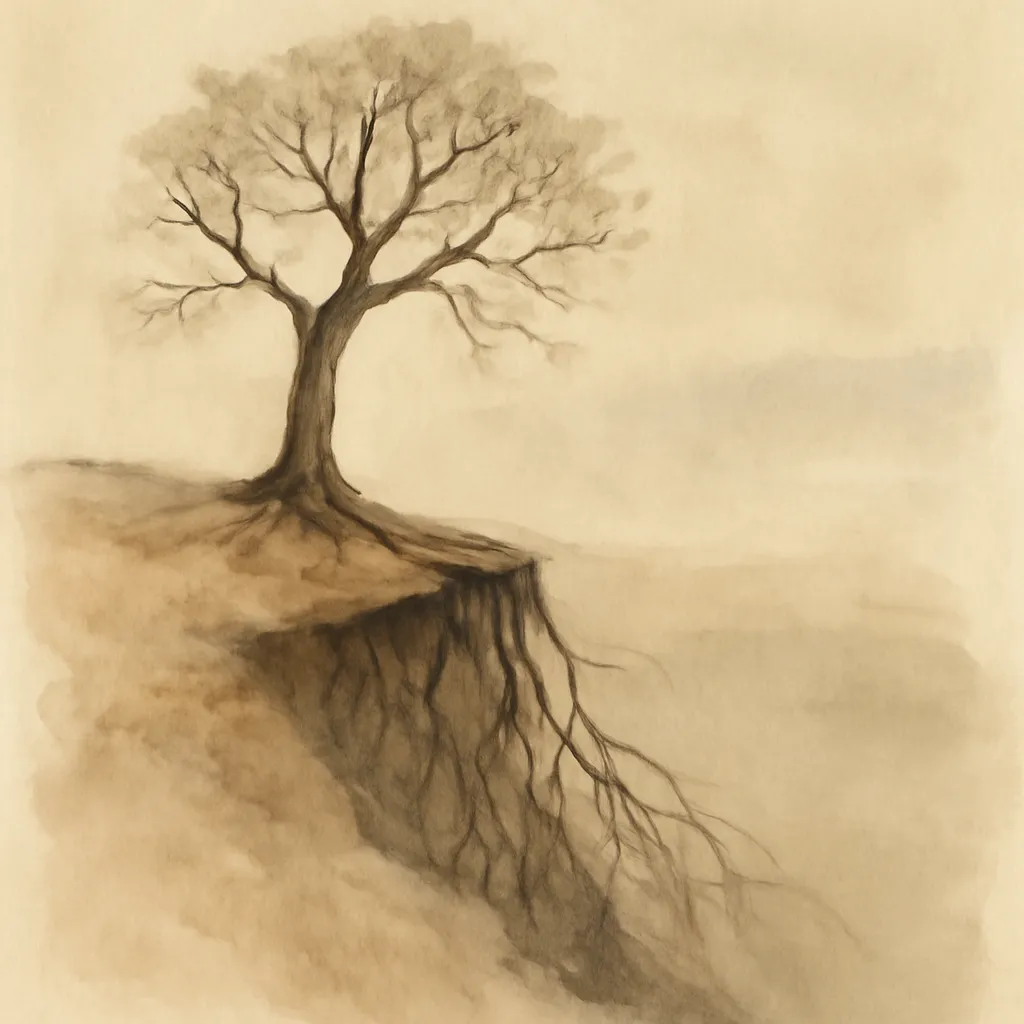
Cromie's exploration of life and death is central to the narrative, particularly through the character of George Delany, who dies shortly after leaving the Society. This event raises profound questions about mortality and the consequences of tampering with the natural order. The protagonist's realization that 'all the members who retired from your list have been equally short-lived' serves as a chilling reminder of the potential dangers inherent in scientific experimentation. This theme resonates throughout the story, as characters confront their mortality in increasingly visceral ways, prompting reflections on the fragility of life and the ethical implications of pursuing knowledge at any cost. The juxtaposition of life and death throughout the story emphasizes the moral stakes involved in scientific inquiry, highlighting the idea that the quest for knowledge can lead to unintended deaths. Cromie urges readers to consider who bears responsibility for such losses and how the pursuit of knowledge must accommodate ethical considerations, lest it veer into nihilism.
5.Telepathy and the Limits of Human Understanding
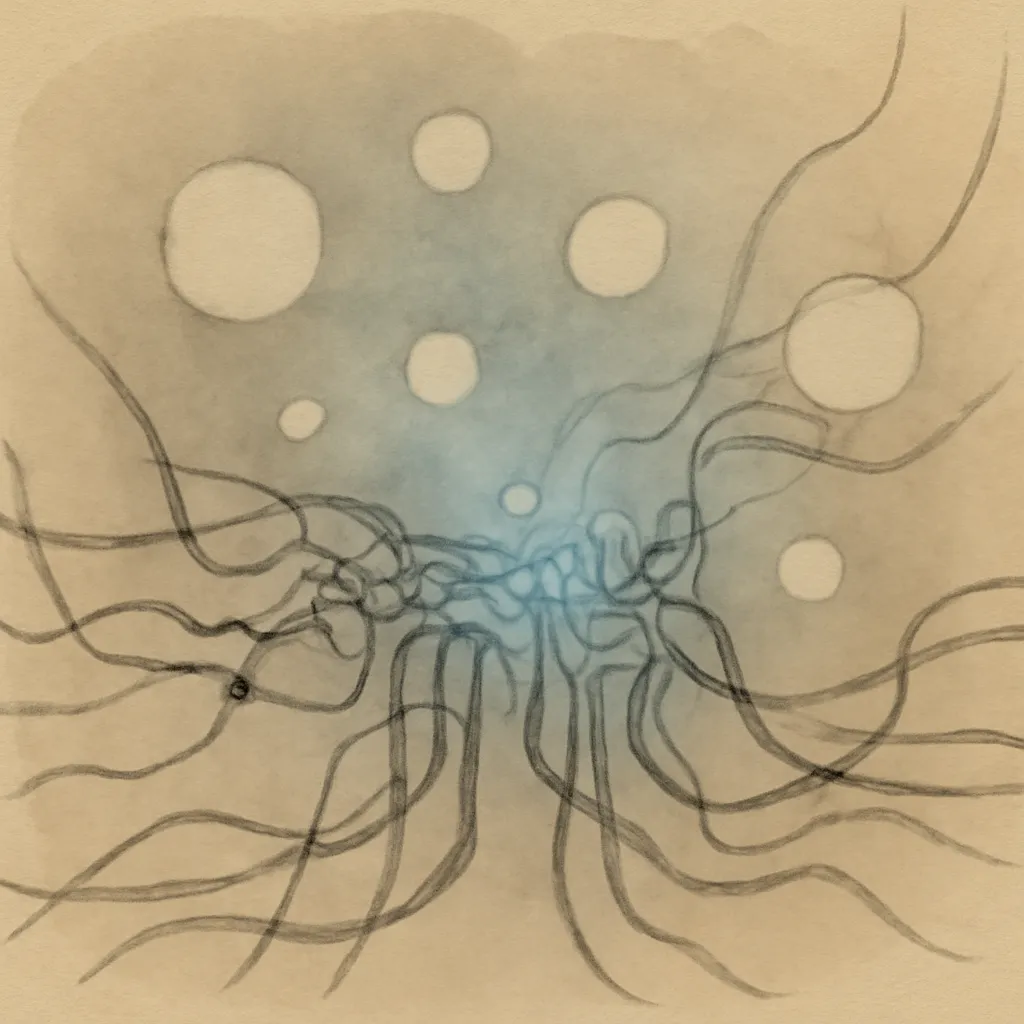
The concept of telepathy emerges as a significant element in the story, illustrating the boundaries of human perception and communication. The protagonist grapples with the idea that Brande and his associates possess the ability to read minds, leaving him in a state of paranoia and uncertainty. This theme serves to highlight the tension between scientific advancement and the inherent limitations of human understanding. As the protagonist navigates this strange new world, he is forced to confront his own fears and insecurities, ultimately questioning the very nature of reality. The telepathic abilities displayed by the Society serve as symbols of the unknown potentials of the human mind, as well as the fear they instill in those who are not privy to such powers. Cromie uses telepathy as a metaphor for the broader struggle to comprehend the complexities of existence, suggesting that some truths may remain forever beyond our grasp. This invites readers to reflect on their own limitations and the extent to which they can truly understand one another, and themselves.
6.The Dangers of Scientific Hubris
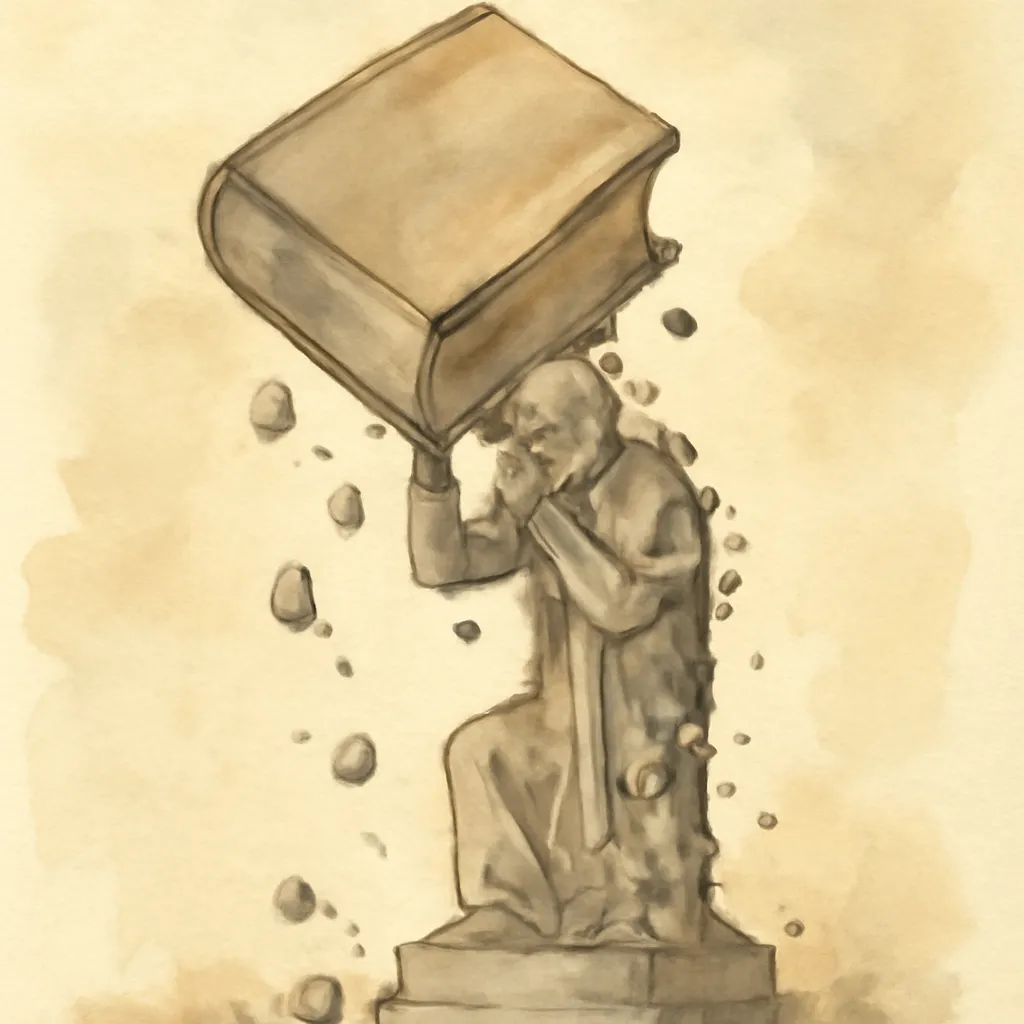
Brande's relentless pursuit of knowledge reveals the perils of scientific hubris, as he becomes increasingly consumed by his ambitions. His declaration that 'the remedy as far as he could apply it was ready' signifies a dangerous overconfidence in his abilities and the consequences of his experiments. Cromie's work serves as a cautionary tale, warning readers about the potential fallout from unchecked ambition and the ethical responsibilities that accompany the quest for knowledge. Brande's obsession ultimately leads to tragic outcomes, reinforcing the notion that the pursuit of knowledge is not without its moral ramifications. This theme resonates with contemporary discussions about the consequences of scientific advancements, especially in areas like biotechnology and artificial intelligence, where the line between ambition and ethical responsibility becomes increasingly blurred. As Brande's story unfolds, it serves as a stark reminder that knowledge, when pursued without regard for its implications, can unleash forces that humanity may not be prepared to control.
7.Romantic Entanglements Amidst Chaos
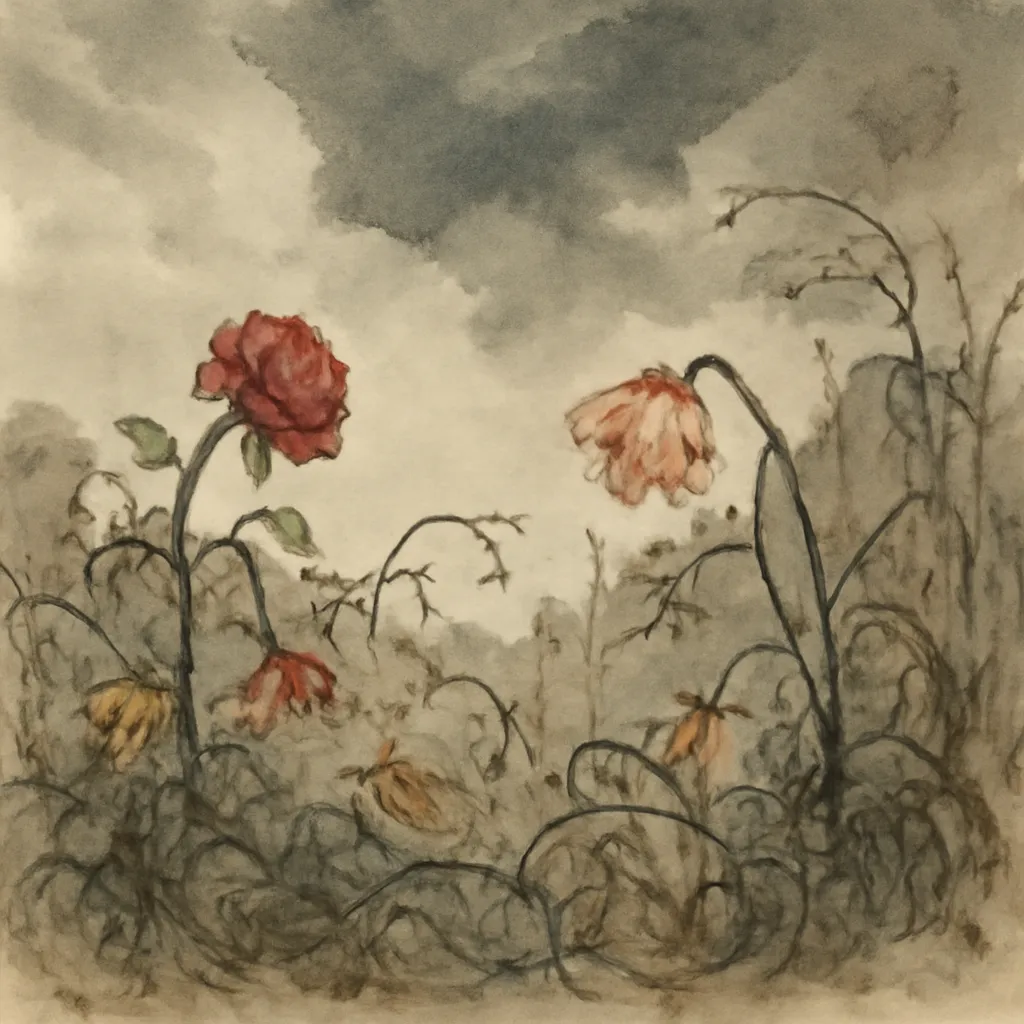
The romantic tension between the protagonist and Natalie Brande adds a layer of complexity to the narrative, weaving personal stakes into the broader themes of the story. Their relationship evolves against the backdrop of existential dread and scientific ambition, highlighting contrasts between love and intellectual rivalry. As the protagonist grapples with his feelings for Natalie, he is also confronted with the moral dilemmas posed by her brother's experiments. This interplay between romance and ethical considerations deepens the narrative, illustrating how personal relationships can be profoundly affected by larger societal and scientific issues. Cromie's portrayal of their relationship invites readers to consider the ways in which love can both inspire and complicate our understanding of the world. The protagonist’s desire to protect Natalie clashing with his fears about her brother’s ambitions exemplifies the conflict between personal loyalty and the broader implications of scientific exploration.
8.The Catastrophe: An Earthquake of Consequences
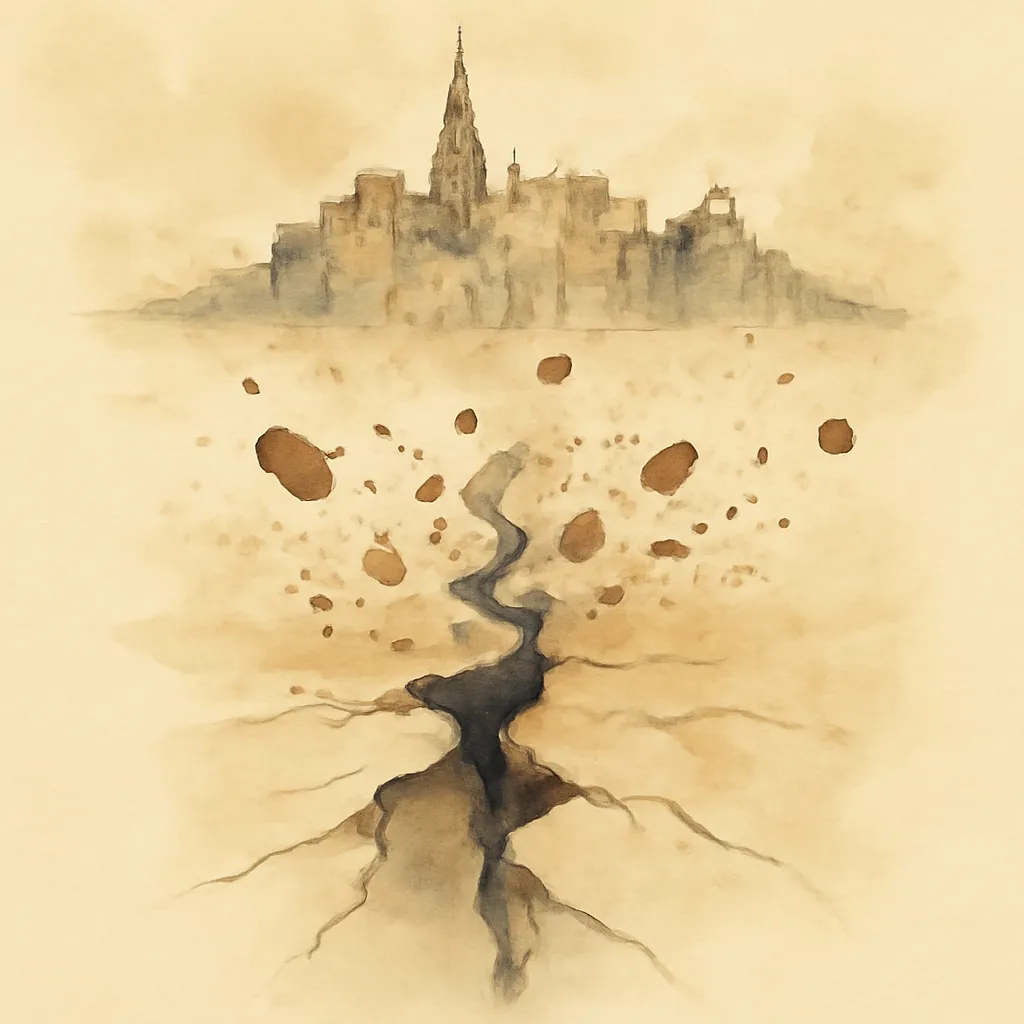
The climax of the narrative is marked by an impending earthquake, a metaphorical and literal representation of the chaos unleashed by Brande's experiments. As the protagonist races against time to warn others and seek escape, the earthquake becomes a symbol of the destructive potential of unchecked ambition. The dramatic tension builds as characters grapple with their fates, highlighting the fragility of human existence in the face of natural forces. Cromie's vivid descriptions of the panic and chaos that ensue serve to illustrate the catastrophic consequences of scientific hubris, ultimately reinforcing the theme that knowledge comes with a price. This pivotal moment serves as a powerful reminder of the interconnectedness of life and the potential for destruction that lies within the pursuit of knowledge. The earthquake not only devastates the physical landscape but also acts as a catalyst for the characters to confront their moral responsibilities, making the stakes of their choices abundantly clear.
9.The Burden of Guilt and Redemption
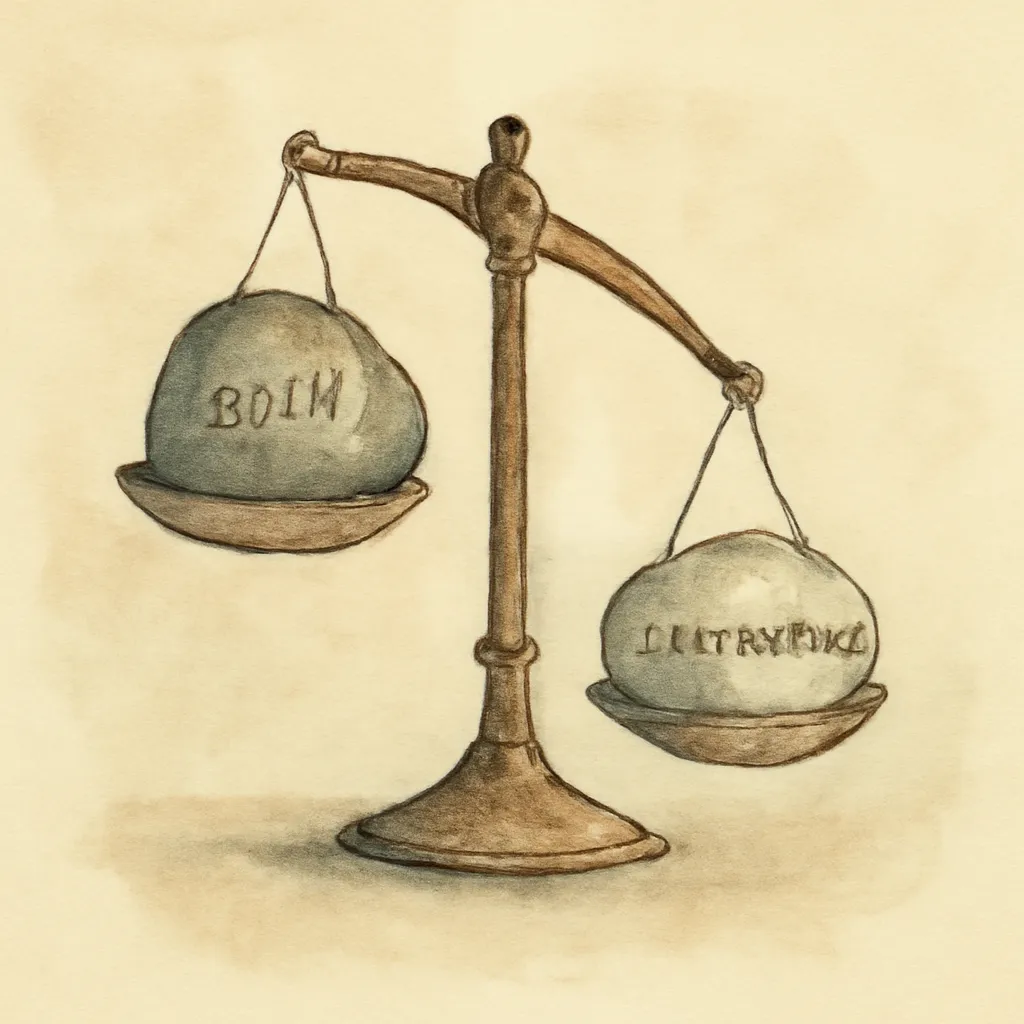
As the narrative unfolds, the protagonist grapples with feelings of guilt and the desire for redemption following the chaos unleashed by Brande's ambitions. The death of Natalie Brande weighs heavily on him, forcing him to confront the consequences of his involvement with the Society and his inability to save her. This theme of guilt permeates the narrative, as the protagonist seeks to reconcile his actions with the moral implications of his choices. Cromie's exploration of redemption adds depth to the character's journey, as he navigates the emotional turmoil of loss and seeks to find meaning in the aftermath of tragedy. Ultimately, the narrative suggests that the path to redemption is fraught with challenges, but it is a necessary journey for those seeking to make amends for their past. The protagonist's struggle serves as an allegory for the human condition, emphasizing that our choices are laden with consequences and that true growth often arises from the ashes of regret.
10.The Final Reflections on Existence
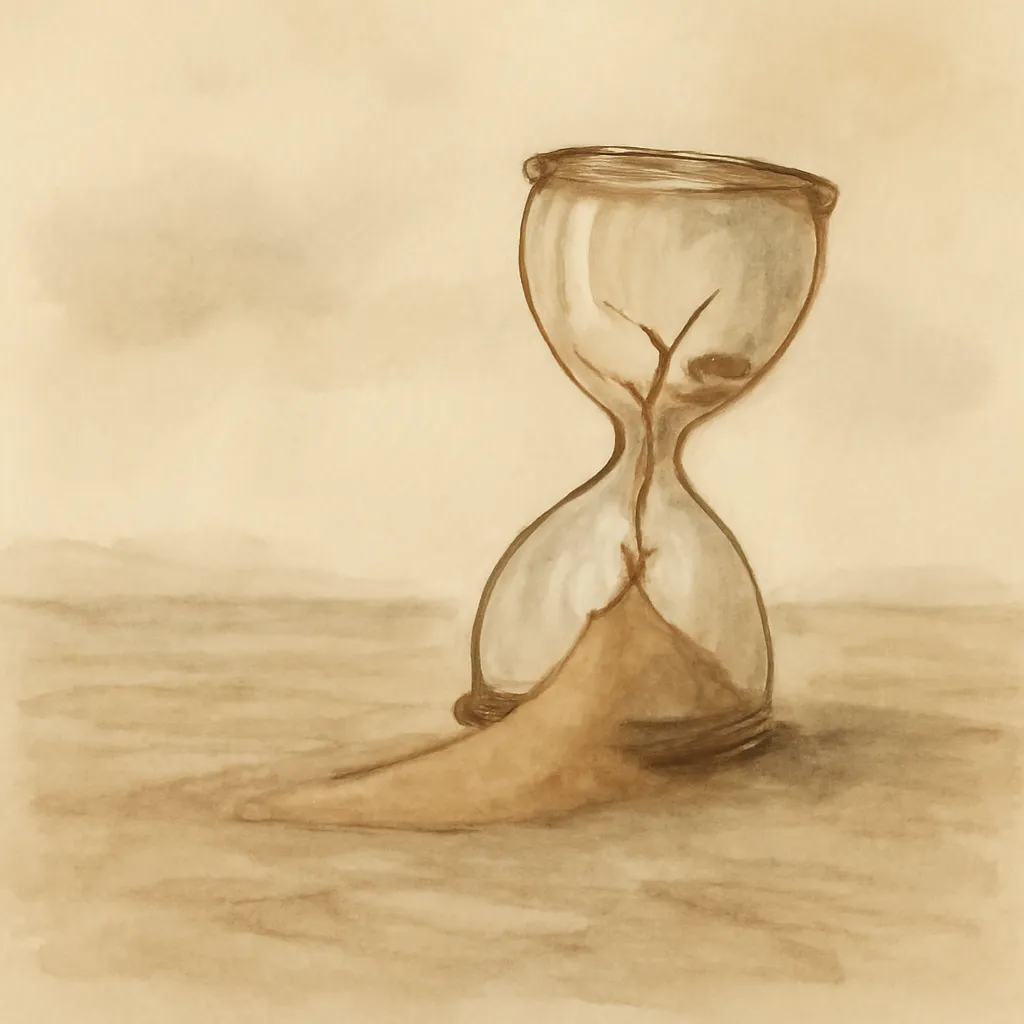
In the aftermath of the catastrophic events, the narrative culminates in a series of reflections on existence, knowledge, and the human condition. The protagonist's journey serves as a microcosm of the broader philosophical questions raised throughout the story, inviting readers to ponder the nature of reality and the implications of scientific inquiry. Cromie's exploration of these themes resonates deeply, encouraging readers to consider their own beliefs and values in the face of uncertainty. The concluding moments of the narrative serve as a poignant reminder that while knowledge can illuminate the darkness, it also carries the weight of responsibility and the potential for destruction. Ultimately, the story leaves readers with a sense of urgency to engage with the complexities of life and the moral dilemmas that accompany the pursuit of knowledge. This thematic culmination challenges us to reflect on our roles within the larger tapestry of existence and the ethical considerations that define our interactions with the world.