1.The Weight of Celebrity
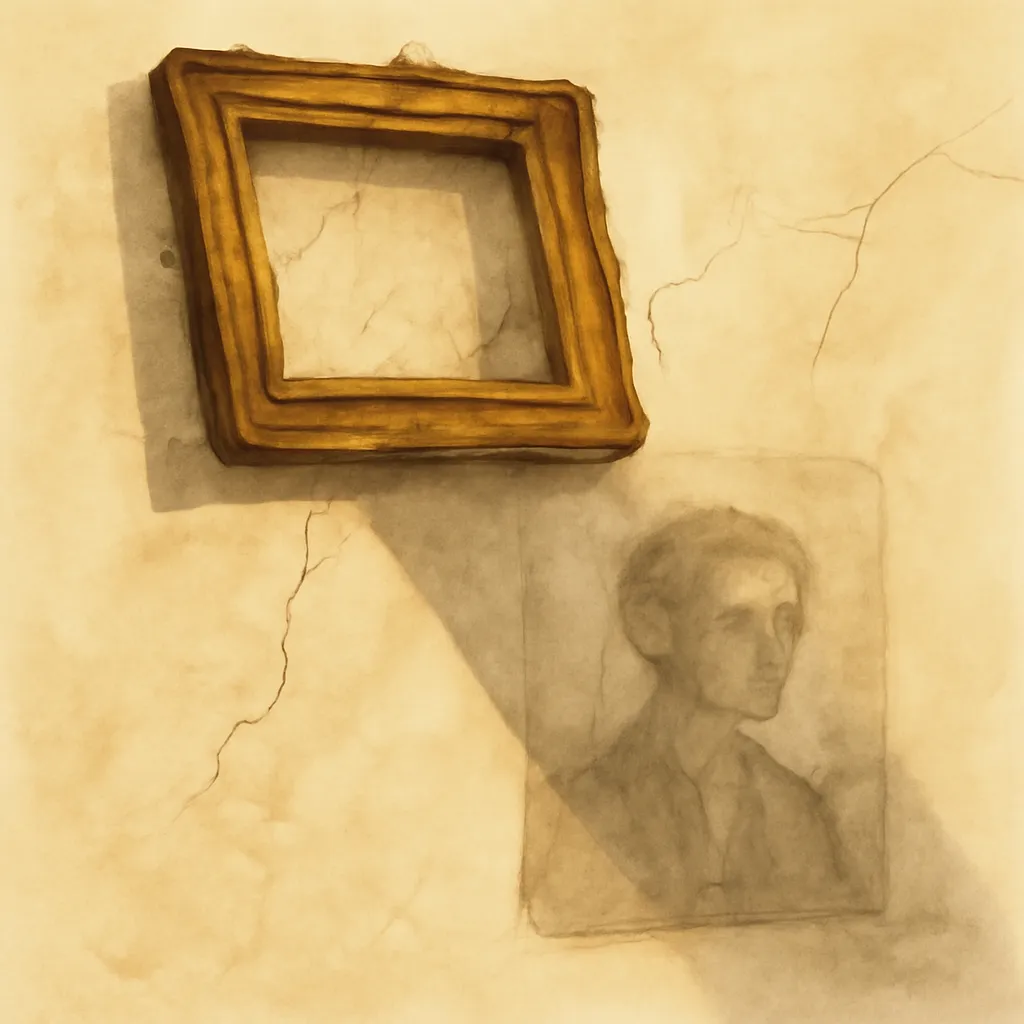
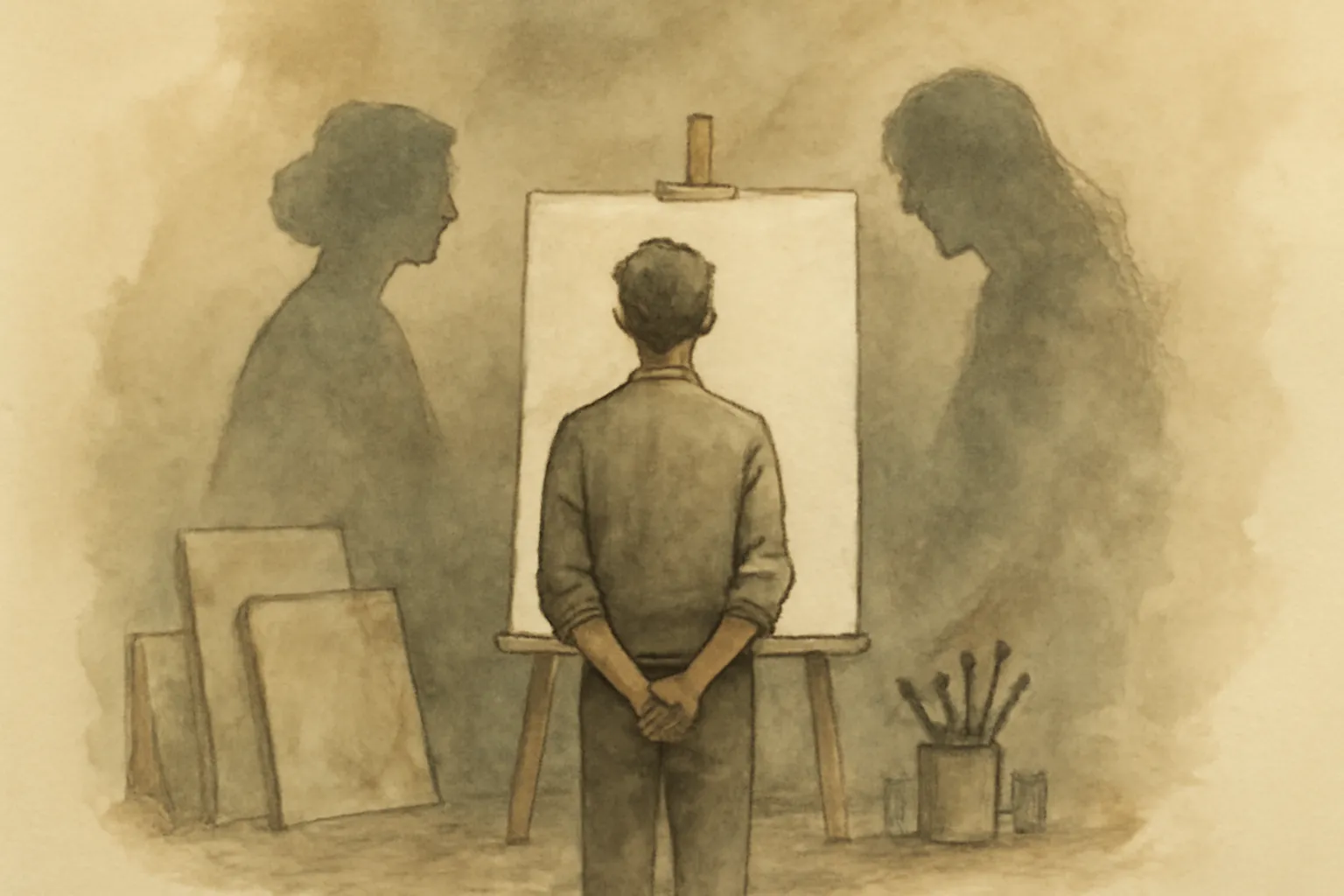
The novel opens with George Tanqueray grappling with the pressures of celebrity and artistic recognition. Jane Holland, now a celebrated figure, has become a mere shadow of her former self, overshadowed by the fame that once promised liberation. Tanqueray reflects on how Jane's public persona is a distortion of her true self, as seen in the portrait by Gisborne, R. A. , which captures not her spirit but the artist's limited interpretation of her. Gisborne's painting does not reveal Jane's vibrant personality; instead, it presents an oppressive image that embodies the weight of her celebrity. This disconnect highlights the burdens that come with fame, where the artist's identity becomes entangled with public perception, leading to a sense of isolation and alienation. Sinclair poignantly illustrates how the adulation of others can suffocate the very essence of creativity, leaving artists to wrestle with their own insecurities and the expectations imposed upon them.
2.The Instinct for Detachment
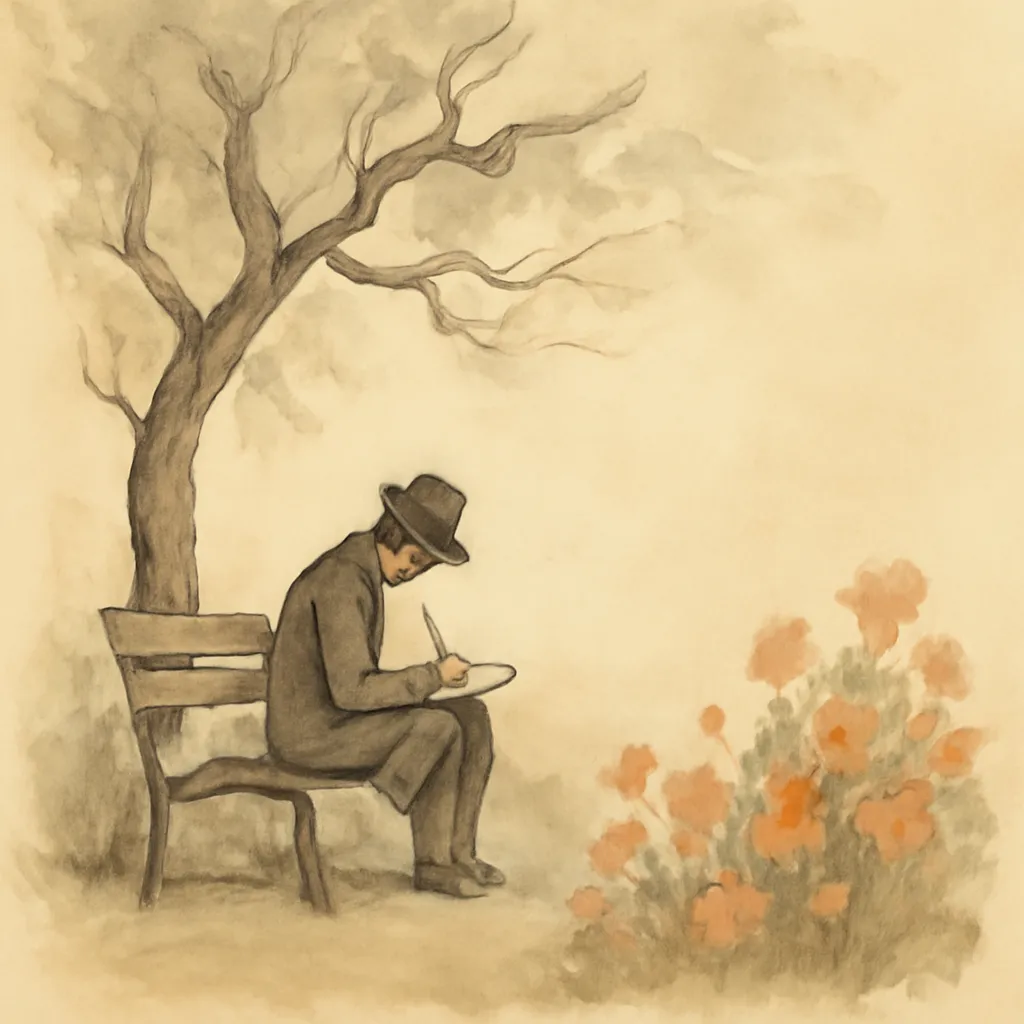
Tanqueray embodies the idea that true artistic genius thrives in solitude. His instinct for detachment allows him to absorb life without becoming ensnared by it, maintaining a distance that fuels his creativity. This philosophy, articulated through his belief that 'Look and let go' is essential for artists, emphasizes the need for immediacy in perception. Tanqueray's genius demands a connection to the raw essence of life, which he believes can be compromised by prolonged interactions with others. This detachment is both a protective mechanism and a source of conflict, as it alienates him from those who care for him, particularly Jane and Rose. Sinclair's exploration of this theme raises questions about the nature of creativity: can one truly engage with the world while maintaining the necessary distance to create? Tanqueray's consistent avoidance of emotional entanglements suggests that he fears being weighed down by relationships that may hinder his artistic output.
3.The Complexity of Love
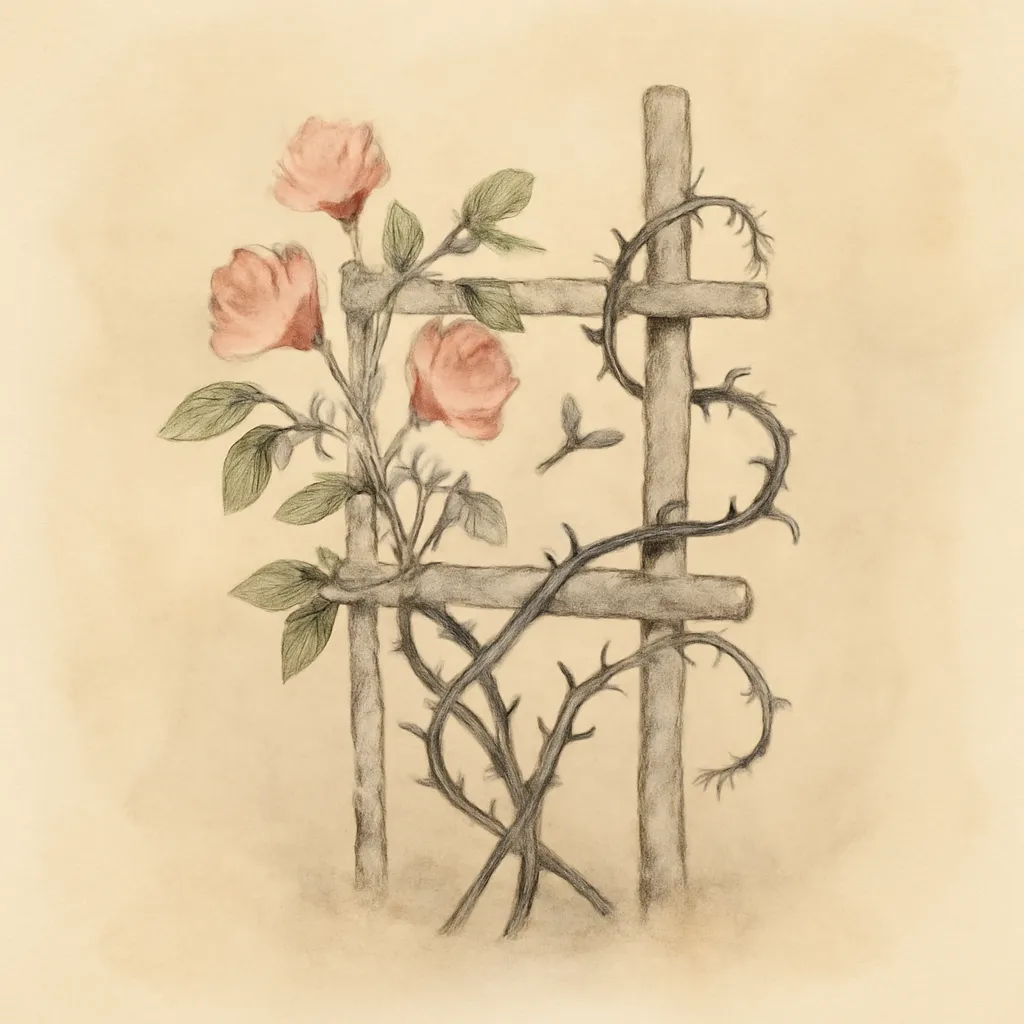
The relationships between Tanqueray, Jane, and Rose reveal the multifaceted nature of love and attachment. Jane's love for Tanqueray is passionate yet fraught with tension; she is both drawn to and repelled by his genius. Her jealousy of Rose, who embodies a simpler, more innocent love, complicates her feelings and leads to self-doubt. Sinclair highlights this tension through Jane’s interactions with Tanqueray, where admiration and resentment coexist. Conversely, Rose's devotion to Tanqueray is pure and unwavering, yet it is also marked by a lack of understanding of his artistic struggles. Sinclair deftly illustrates how love can be both a source of inspiration and a burden, as characters navigate their desires and insecurities. The interplay of these relationships serves to highlight the sacrifices that accompany love, particularly when one partner's ambition eclipses the other's needs. Tanqueray's emotional distance creates a chasm that leaves both women feeling unfulfilled in different ways.
4.The Role of Experience in Creativity

Tanqueray's disdain for the notion of inspiration underscores a critical theme in Sinclair's narrative: the importance of lived experience in the creative process. He dismisses the idea that inspiration is a mystical force, arguing instead that true genius arises from instinct and direct engagement with reality. This perspective is evident in his approach to art, where he seeks to capture the essence of life through observation and interaction. Sinclair emphasizes that the most profound artistic expressions come from the depths of human experience, shaped by struggle, suffering, and the rawness of existence. Tanqueray's belief that 'the fruitful genius was feminine, rather, humble and passive in its attitude to life' challenges traditional notions of creativity and suggests that vulnerability is essential for artistic authenticity. This idea of gleaning insights from one’s surroundings and emotions resonates deeply throughout the narrative, reflecting Sinclair's belief that art must be rooted in the genuine experiences of the artist.
5.The Illusion of Control
As Tanqueray attempts to navigate his relationships and artistic aspirations, he grapples with the illusion of control over his life and creativity. His interactions with Jane and Rose reveal a constant tension between his desires and the external forces shaping his reality. For instance, when Rose chooses to stay with him instead of attending the Rose Show, it symbolizes her loyalty but also Tanqueray's struggle to assert his independence. Sinclair illustrates how characters often find themselves at the mercy of their emotions, relationships, and societal expectations, leading to a feeling of helplessness. This theme resonates throughout the narrative, highlighting the futility of trying to dictate one's path in a world rife with unpredictability and complexity. The notion that one's plans can be derailed by unforeseen circumstances serves as a reminder of the delicate balance between ambition and personal connection, showcasing how easily passion can morph into obligation.
6.Art as a Reflection of Inner Turmoil
The act of creation in 'The Creators: A Comedy' is intimately tied to the characters' inner conflicts and emotional landscapes. Tanqueray's artistic endeavors serve as a reflection of his struggles with identity, love, and self-worth. As he immerses himself in his work, the lines between his art and personal life blur, leading to moments of profound insight and despair. Sinclair deftly captures the duality of art as both a means of expression and a source of anguish, revealing how the creative process can exacerbate existing emotional turmoil. Tanqueray's journey illustrates the idea that artists often draw from their pain to inform their work, creating pieces that resonate deeply with their own experiences and struggles. This connection between the artist's emotional state and their output highlights the sacrifice inherent in the creative process, as personal experiences will inevitably shape the nature of the art produced.
7.The Nature of Sacrifice
Throughout the novel, characters confront the sacrifices that come with their artistic ambitions and personal relationships. Jane's decision to remain in the public eye, despite the toll it takes on her identity, exemplifies the sacrifices that accompany fame. She is torn between the allure of her celebrity status and the desire to reclaim her authentic self, which has become obscured by public perception. Similarly, Tanqueray's detachment from those who love him raises questions about the costs of artistic pursuit. Sinclair explores the idea that true creativity often demands personal sacrifice, whether it be in the form of relationships, emotional stability, or even one's sense of self. The sacrifices made by both Jane and Tanqueray highlight the inherent tension between personal desires and the demands of their artistic lives, resonating with readers who can empathize with the choices made in the pursuit of passion.
8.The Illusion of Freedom
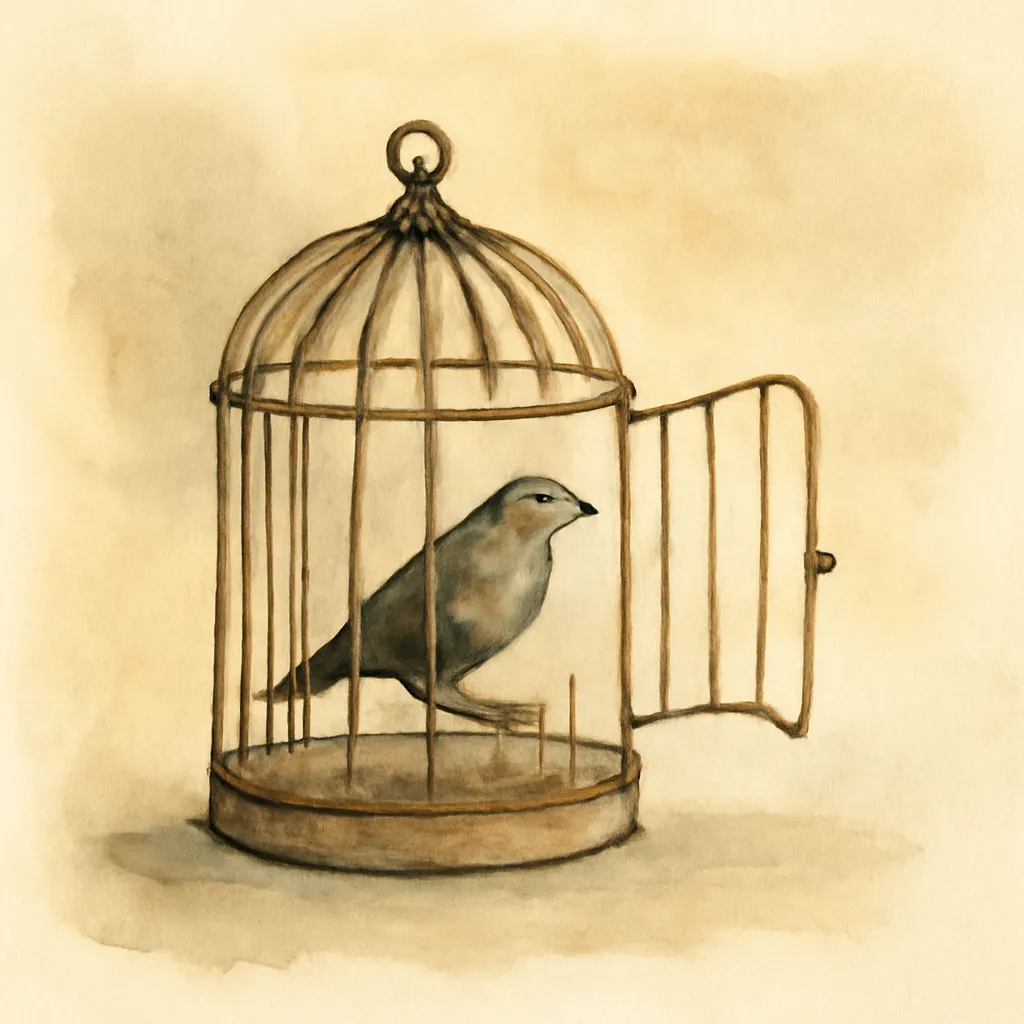
As Jane grapples with her newfound celebrity, she experiences a paradoxical sense of entrapment despite her public success. The freedom she once sought through her art becomes a source of confinement, as she is constantly scrutinized and judged by society. Sinclair illustrates how the very pursuit of freedom can lead to a loss of agency, as characters navigate the expectations and limitations imposed by their roles as artists and lovers. The societal pressures associated with fame force Jane to reconsider her identity and the sacrifices made for her success, leading her to question whether she is truly free or merely a prisoner of her own making. Her internal struggle serves as a poignant reminder that the quest for autonomy is often fraught with complications, revealing the complexities of identity and self-expression in a world that demands conformity.
9.The Power of Memory
Memory plays a significant role in shaping the characters' identities and experiences within 'The Creators: A Comedy.' Tanqueray's reflections on his past relationships with Jane and Rose underscore how memory influences present actions and emotions. Sinclair weaves a rich tapestry of recollections that impact the characters' decisions, revealing how the past lingers in the psyche and shapes the course of their lives. For Tanqueray, memories of Jane and his artistic struggles are both a source of inspiration and a hindrance to moving forward. This exploration of memory invites readers to consider how our recollections inform our understanding of ourselves and our relationships, emphasizing the enduring impact of past experiences on our present realities. The interplay between memory and identity serves as a powerful reminder of the complexity of human existence and the ways in which we are shaped by what we remember.
10.Interpersonal Relationships as a Creative Catalyst
The relationships that Tanqueray forms with Jane and Rose serve as critical catalysts for his creative process. Sinclair explores how the emotional dynamics between these characters influence Tanqueray's artistic output, suggesting that personal connections can spark both inspiration and conflict. For instance, Jane's passionate yet tumultuous relationship with Tanqueray provides a backdrop for both his emotional turmoil and the creative breakthroughs that follow. Conversely, Rose's uncomplicated affection offers a contrasting stability that allows Tanqueray to explore his more vulnerable side. Sinclair posits that interpersonal relationships can act as mirrors, reflecting the artist's inner life and prompting them to confront their fears, insecurities, and desires. This dynamic interplay highlights the notion that creativity does not exist in isolation; it is often shaped and informed by the people who surround the artist.