
The Creators: A Comedy explores the intricate dance between genius, love, and the burdens of celebrity in the lives of artists
Read full overviewShow less›
In May Sinclair's 'The Creators: A Comedy,' readers are drawn into a world where artistic ambition collides with the complexities of personal relationships. The narrative revolves around George Tanqueray, a struggling artist, and his interactions with two very different women: the celebrated but troubled Jane Holland and the devoted yet naïve Rose. Through their intertwined lives, Sinclair examines themes of creativity, loyalty, and the often painful sacrifices that accompany artistic genius. The book invites readers to consider how the pursuit of greatness can shape, and sometimes distort, human connections. With sharp wit and keen psychological insight, Sinclair crafts a rich tapestry that reveals the struggles of those who create and those who love them.
In 'The Creators: A Comedy,' May Sinclair masterfully intertwines the themes of artistic ambition, love, and the complexities of human relationships. Through the lens of Tanqueray, Jane, and Rose, the narrative explores the sacrifices and struggles inherent in the pursuit of creativity and recognition. Sinclair's keen insights into the nature of genius and the burdens of celebrity prompt readers to reflect on the intricate dance between personal desires and societal expectations. Ultimately, the novel serves as a poignant reminder of the human condition, capturing the delicate balance between creation and connection, and the profound impact of love on the artistic journey.
- 1The Weight of Celebrity
- 2The Instinct for Detachment
- 3The Complexity of Love
- 4The Role of Experience in Creativity
- 5The Illusion of Control
Notable quotes
“If Jane had had the face that Gisborne gave her she would never have had any charm for Tanqueray.”
“Your senses, he maintained, were no good if you couldn't see a thing at the first glance and feel it with the first touch.”
“It would be impossible to conceive a hat less afflicted with the literary taint.”
A glimpse inside

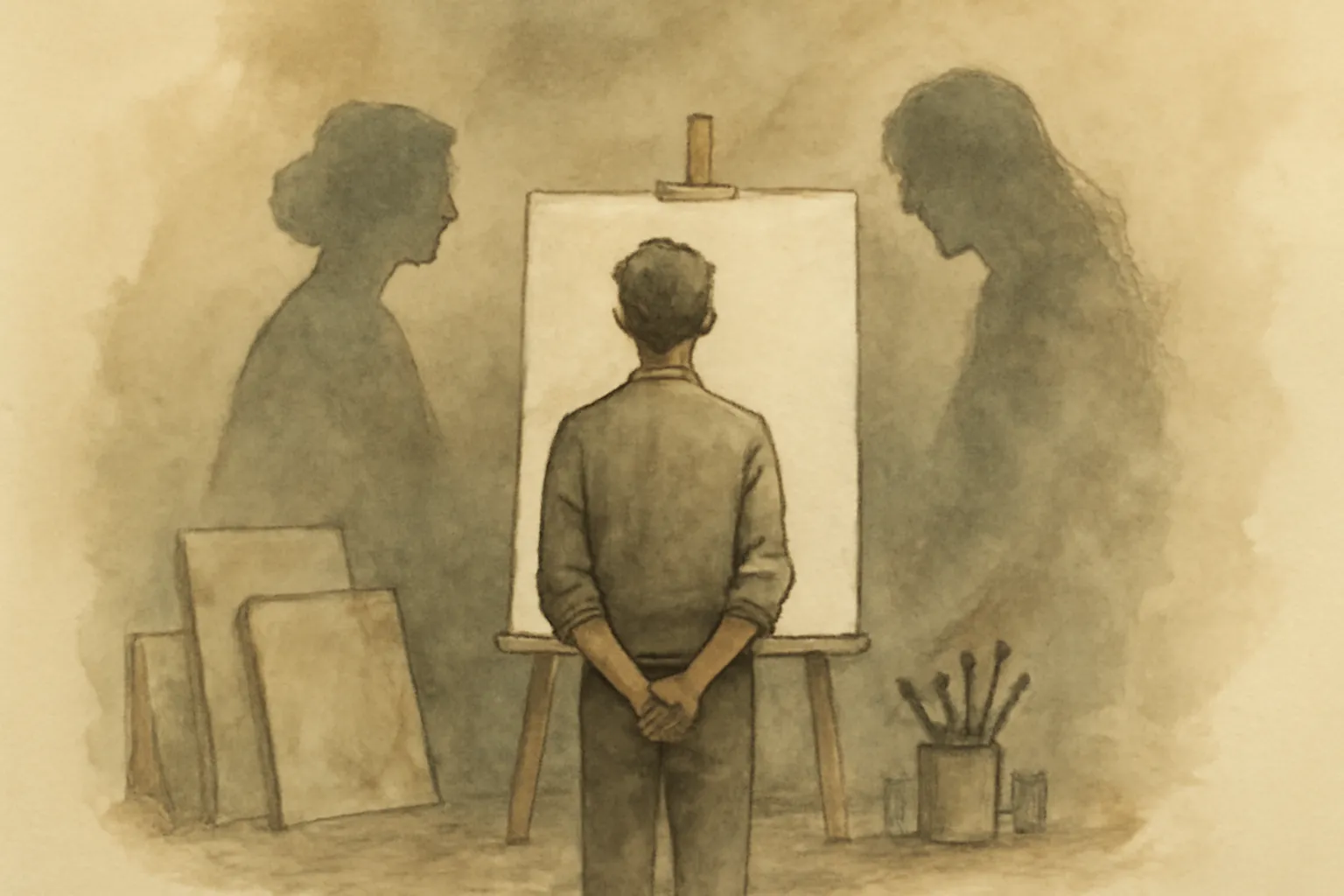
The novel opens with George Tanqueray grappling with the pressures of celebrity and artistic recognition. Jane Holland, now a celebrated figure, has become a mere shadow… Read moreThe novel opens with George Tanqueray grappling with the pressures of celebrity and artistic recognition. Jane Holland, now a celebrated figure, has become a mere shadow of her former self, overshadowed by the fame that once promised liberation. Tanqueray reflects on how Jane's public persona is a distortion of her true self, as seen in the portrait by Gisborne, R.A., which captures not her spirit but the artist's limited interpretation of her. Gisborne's painting does not reveal Jane's vibrant personality; instead, it presents an oppressive image that embodies the weight of her celebrity. This disconnect highlights the burdens that come with fame, where the artist's identity becomes entangled with public perception, leading to a sense of isolation and alienation. Sinclair poignantly illustrates how the adulation of others can suffocate the very essence of creativity, leaving artists to wrestle with their own insecurities and the expectations imposed upon them. Show less
Tanqueray embodies the idea that true artistic genius thrives in solitude. His instinct for detachment allows him to absorb life without becoming ensnared by it, maintain… Read moreTanqueray embodies the idea that true artistic genius thrives in solitude. His instinct for detachment allows him to absorb life without becoming ensnared by it, maintaining a distance that fuels his creativity. This philosophy, articulated through his belief that 'Look and let go' is essential for artists, emphasizes the need for immediacy in perception. Tanqueray's genius demands a connection to the raw essence of life, which he believes can be compromised by prolonged interactions with others. This detachment is both a protective mechanism and a source of conflict, as it alienates him from those who care for him, particularly Jane and Rose. Sinclair's exploration of this theme raises questions about the nature of creativity: can one truly engage with the world while maintaining the necessary distance to create? Tanqueray's consistent avoidance of emotional entanglements suggests that he fears being weighed down by relationships that may hinder his artistic output. Show less
Read the full text — free
About the author
Read May Sinclair's work free on Lumina — the complete text plus an 8-minute summary and key ideas, no account needed