1.The Crooked House as a Character
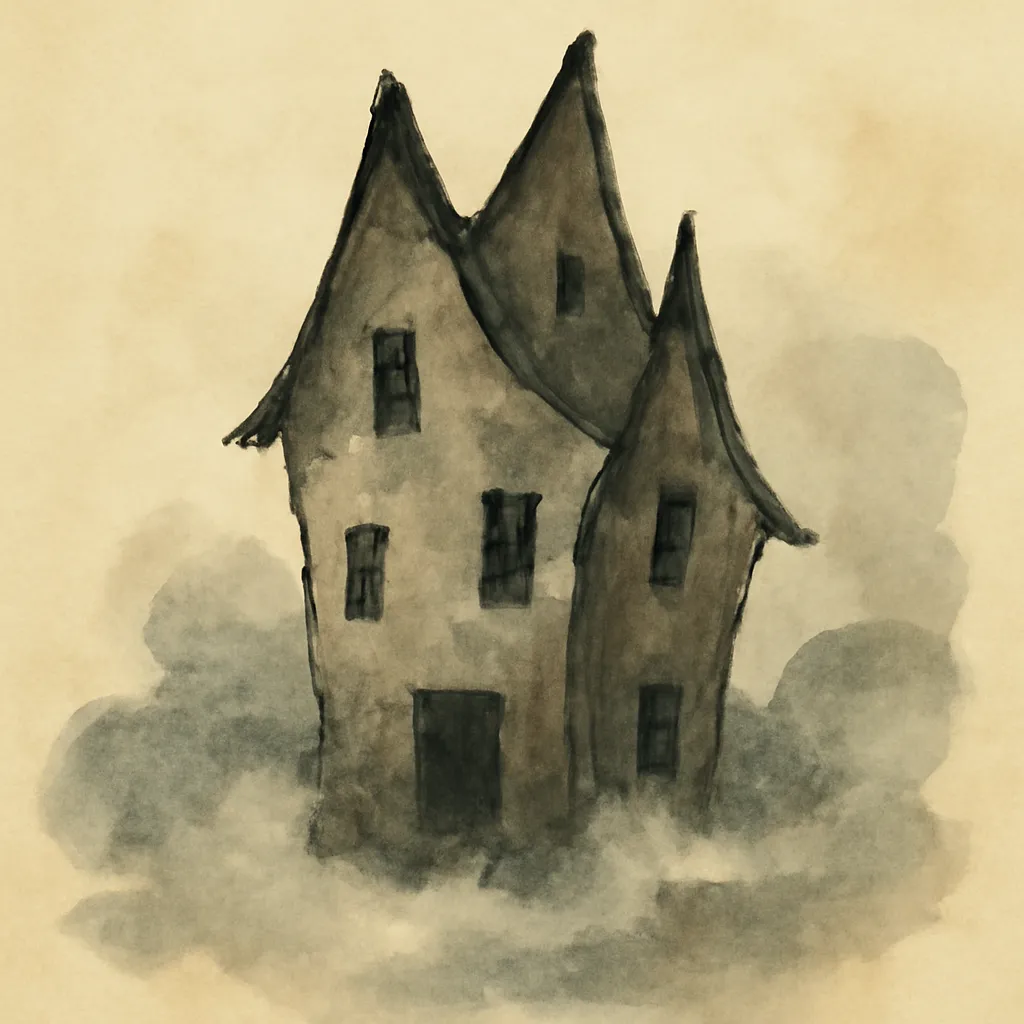
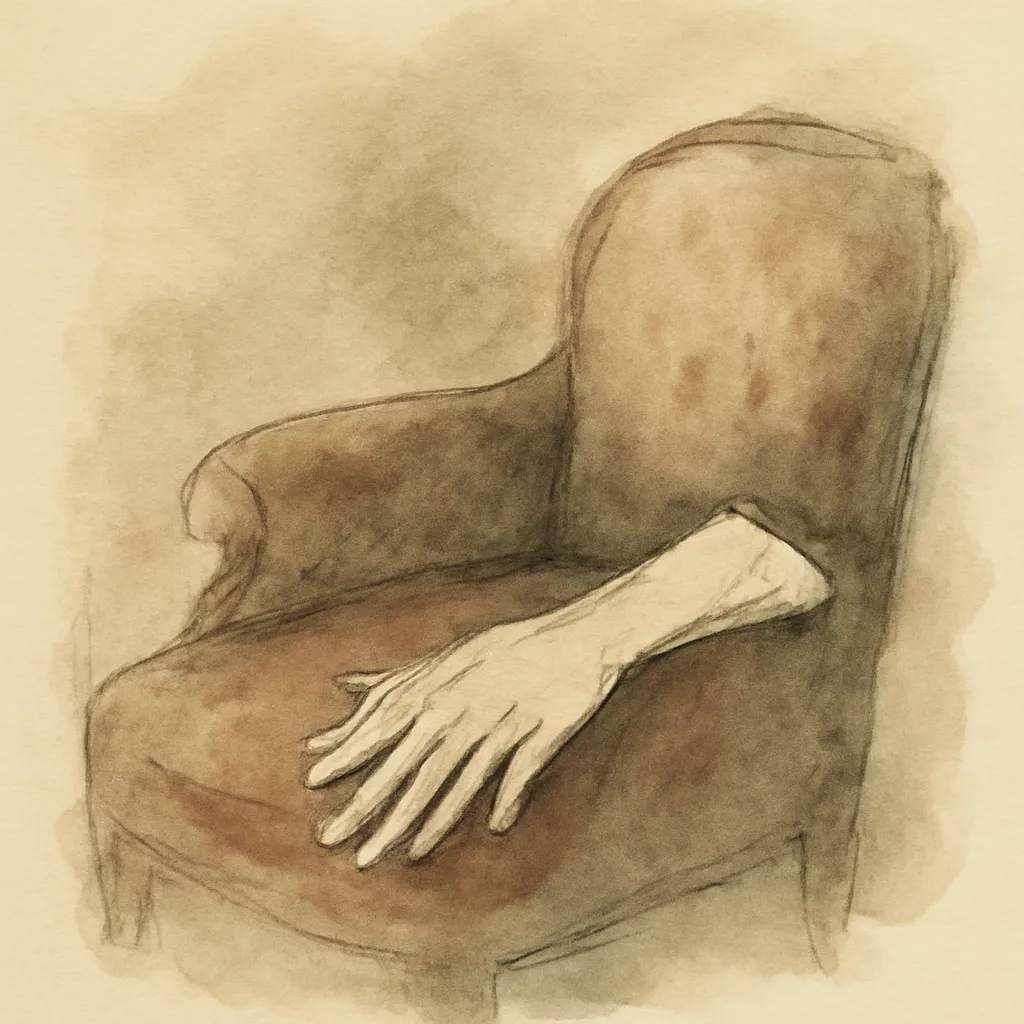
The estate itself, described as a 'mass of bewildering crookedness', serves as more than just a setting; it becomes a character in its own right. Its disorienting design reflects the chaotic lives of its inhabitants and intensifies the mystery surrounding the murder. With passages that lead nowhere and rooms that defy conventional architecture, the house symbolizes the convoluted nature of the human psyche. This architectural oddity mirrors the emotional turmoil of the characters, particularly George Copplestone, who is enveloped in his own madness and despair. The crookedness of the house parallels the twisted relationships among the guests, creating an atmosphere of suspense and intrigue that permeates the narrative.
2.Monsieur Dupont: The Observant Outsider
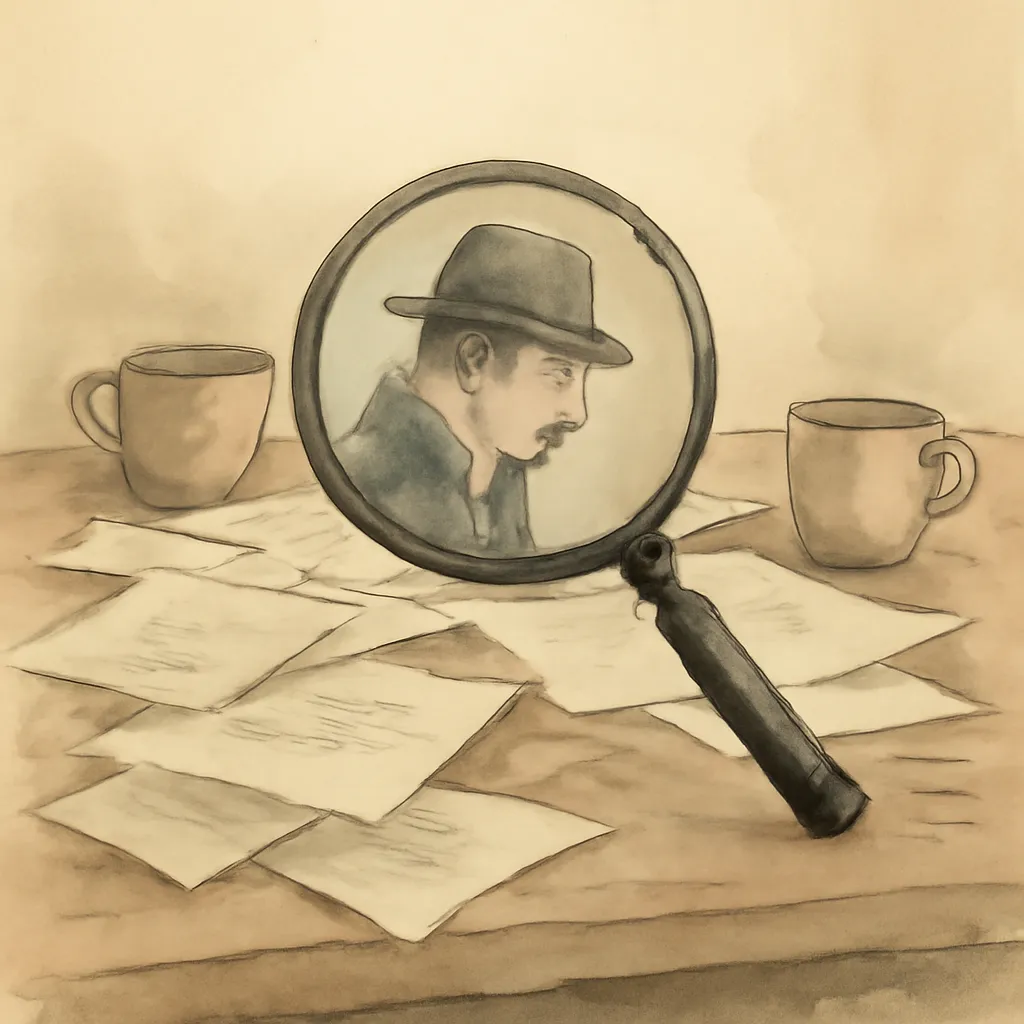
Monsieur Victorien Dupont, a Frenchman with a keen eye for detail, embodies the role of the astute observer in the story. His arrival in London coincides with the unfolding mystery, and he becomes a pivotal figure in the investigation. Dupont's methods are unconventional; he believes in using his perceptive abilities to uncover truths that others overlook. His insistence on the importance of observation highlights the theme of perception versus reality. As he navigates the complexities of the case, Dupont's insights often challenge the assumptions held by the other characters, revealing deeper layers of motivation and guilt. His character serves as a reminder that sometimes, the truth requires a fresh perspective, especially in a world where appearances can be deceiving.
3.The Fragility of Relationships
At its core, 'The Crooked House' explores the fragility of human relationships, particularly through the dynamics between George Copplestone and Christine Manderson. Their complex connection, marked by passion and jealousy, underscores the destructive potential of love. The narrative reveals how their past interactions, filled with unspoken desires and resentments, culminate in tragedy. Christine's murder serves as a turning point that forces the characters to confront their feelings and the consequences of their actions. The emotional wreckage left in the wake of her death exposes the vulnerabilities of each character, prompting readers to question the lengths to which love can drive individuals when intertwined with jealousy and ambition.
4.The Role of Madness
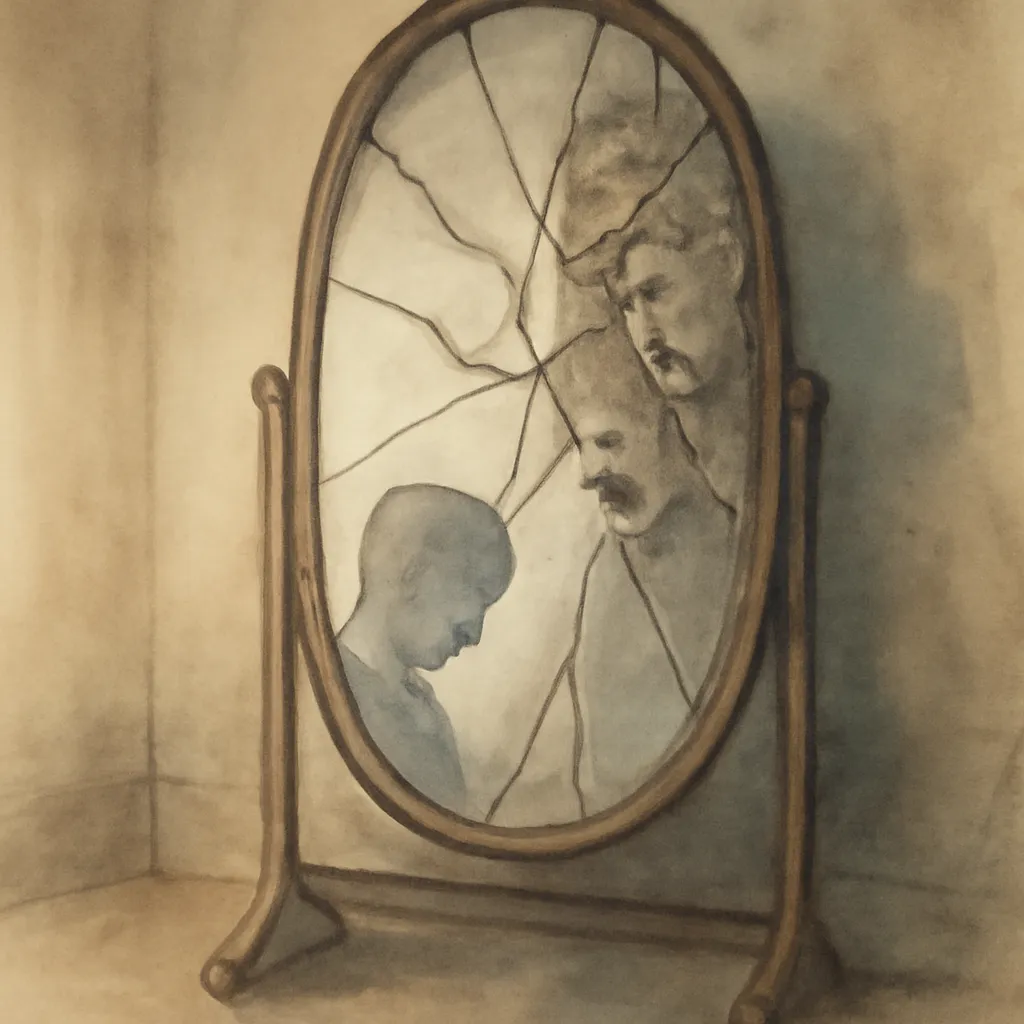
Madness is a recurring theme that permeates the narrative, particularly through George Copplestone's character. Struggling with his mental state, Copplestone oscillates between lucidity and despair, reflecting the internal chaos that accompanies trauma and loss. His descent into madness is intricately tied to his relationship with Christine, whose presence both inspires and torments him. The novel deftly portrays how mental instability can distort one's perception of reality, leading to catastrophic consequences. As Copplestone grapples with his emotions, readers are compelled to consider the thin line between sanity and insanity, and how grief can manifest in unpredictable ways. This exploration of madness invites a deeper understanding of the human condition, as it reveals the complexities of the mind when faced with overwhelming sorrow.
5.The Impact of Secrets
Secrets play a pivotal role in 'The Crooked House,' driving the plot forward and shaping the relationships between characters. Each character harbors personal secrets that contribute to the tension and intrigue of the story. For instance, George's hidden past and his connection to Christine create a web of deceit that complicates the investigation. As the narrative unfolds, the revelation of these secrets not only propels the mystery but also exposes the characters' vulnerabilities and moral ambiguities. The novel suggests that secrets can serve as both a protective barrier and a destructive force, ultimately leading to the unraveling of relationships. This theme prompts readers to reflect on the consequences of keeping secrets and the necessity of honesty in human interactions.
6.The Nature of Guilt
Guilt permeates the story, manifesting in various forms among the characters as they grapple with their roles in Christine's death. Each character's response to guilt reveals their moral compass and motivations, adding depth to the narrative. For instance, George's initial denial of his feelings for Christine transforms into a profound sense of guilt after her murder, forcing him to confront his emotions and past actions. The exploration of guilt serves as a catalyst for character development, prompting them to reevaluate their decisions and relationships. The novel ultimately suggests that guilt can serve as a powerful motivator for change, pushing characters toward redemption or further into darkness. This theme resonates with readers, highlighting the universal struggle to reconcile personal responsibility with the complexities of human emotion.
7.The Search for Justice
The quest for justice is a central theme in 'The Crooked House,' with Inspector Fay representing the pursuit of truth amidst the chaos. As he investigates the murder, he encounters a labyrinth of lies and half-truths that complicate the case. Inspector Fay's relentless determination to uncover the truth reflects society's broader desire for justice in the face of tragedy. However, the novel challenges traditional notions of justice by illustrating that the truth can be multifaceted and subjective. As the investigation unfolds, readers are forced to confront the idea that justice is not always clear-cut and that the motivations behind actions can be deeply intertwined with personal histories and emotional scars. This exploration of justice raises questions about morality, accountability, and the complexities inherent in human behavior.
8.The Influence of Social Status
The characters' social status significantly impacts their interactions and perceptions of one another throughout 'The Crooked House.' The novel portrays a range of societal roles, from the wealthy and influential to the struggling artist. This stratification shapes the characters' motivations, desires, and the way they navigate the murder investigation. For example, George Copplestone's privilege affords him a certain level of protection, yet it also isolates him from genuine connections. The contrast between the characters’ backgrounds highlights the disparities in their responses to the crisis, revealing how social status can create barriers to understanding and empathy. Fleming uses these dynamics to critique the societal norms that dictate behavior and the often superficial nature of social interactions, ultimately encouraging readers to question the value placed on status and wealth.
9.The Role of Women
Women in 'The Crooked House' are portrayed as complex figures, each contributing to the narrative in significant ways. Characters like Christine Manderson and Mrs. Astley-Rolfe embody the struggles and challenges faced by women in a patriarchal society. Christine's beauty and talent place her in the spotlight, yet her vulnerability becomes evident as her relationships with men are tested. The novel explores the societal expectations placed on women, particularly regarding marriage and ambition. As the story unfolds, the women navigate their roles within the confines of their circumstances, often revealing strength and resilience in the face of adversity. This nuanced portrayal invites readers to consider the broader implications of gender dynamics and the ways in which women assert their agency within a male-dominated world.
10.The Climax and Resolution
The climax of 'The Crooked House' is a masterclass in tension, as the truth behind Christine's murder is revealed amidst a flurry of emotional confrontations and shocking revelations. The resolution does not merely tie up loose ends but also forces characters to confront the consequences of their actions. As the investigation reaches its peak, the intricate relationships among the characters come to a head, culminating in a series of confessions that reshape their understanding of guilt and innocence. The resolution emphasizes that the characters cannot escape the repercussions of their choices, leaving readers with a sense of moral ambiguity. Fleming's skillful handling of the climax and resolution invites reflection on the nature of justice and the complexities of human emotion, leaving a lasting impact that resonates beyond the final page.