Fiction
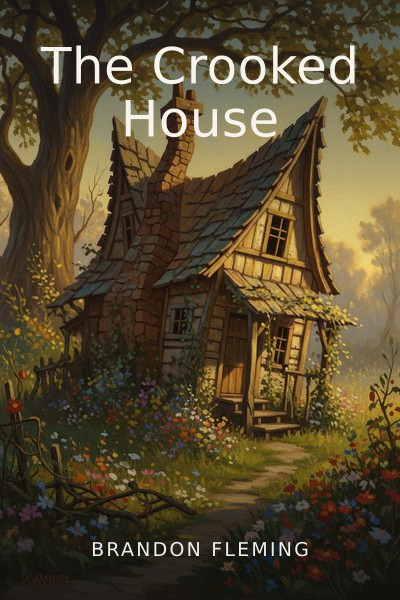
The Crooked House by Brandon Fleming — Summary, Key Ideas & Full Text
155 pages34 chapters3h 7m read2h 13m speed read✦ 8-min Big ideasFree · no account
Rate it
In 'The Crooked House', a murder mystery unfolds within the twisted corridors of a bizarre estate, where the search for truth leads to unexpected revelations about love, madness, and the human condition
Brandon Fleming's 'The Crooked House' is a gripping murder mystery that intertwines elements of psychological suspense with an exploration of complex human relationships. Set against the backdrop of an eccentric and labyrinthine estate, the narrative follows a cast of intriguing characters, each harboring their own secrets and motivations. As the story unfolds, readers are drawn into a web of deception, where the lines between innocence and guilt blur, and every character becomes a potential suspect. Through unexpected twists and a haunting atmosphere, Fleming presents not just a thrilling tale of whodunit, but also a profound commentary on the nature of love, betrayal, and the darkness that can lurk within us all. This summary delves into the key themes and pivotal moments of the novel, offering insights that will resonate long after the final page is turned.
In 'The Crooked House', Brandon Fleming crafts a compelling narrative that intertwines a murder mystery with profound explorations of love, madness, and the human psyche. The labyrinthine estate serves as a fitting backdrop for a story that delves into the complexities of relationships and the consequences of secrets. Through the eyes of characters like Monsieur Dupont and George Copplestone, readers are invited to reflect on the nature of guilt, justice, and the societal constructs that shape human behavior. The novel's rich themes and intricate plot culminate in a thought-provoking resolution that lingers long after the final chapter. Ultimately, 'The Crooked House' offers a haunting reminder of the darkness that can reside within us all, challenging readers to confront their own complexities and contradictions.
“‘It is late,’ Monsieur Dupont apologized—‘but I entreat a moment. It is three hours only since I arrived, and I have passed one of them on your doorstep.’”
“‘The body was found close to the river, about half-way between the house and the place where I left her,’ Tranter replied.”
“‘For two years,’ he said, ‘I have been following in the track of something, which, in the words of our great Dumas—‘must have passed this way, for I see a corpse.’”
Read Brandon Fleming's work free on Lumina — the complete text plus an 8-minute summary and key ideas, no account needed