1.The Weight of Ancestry
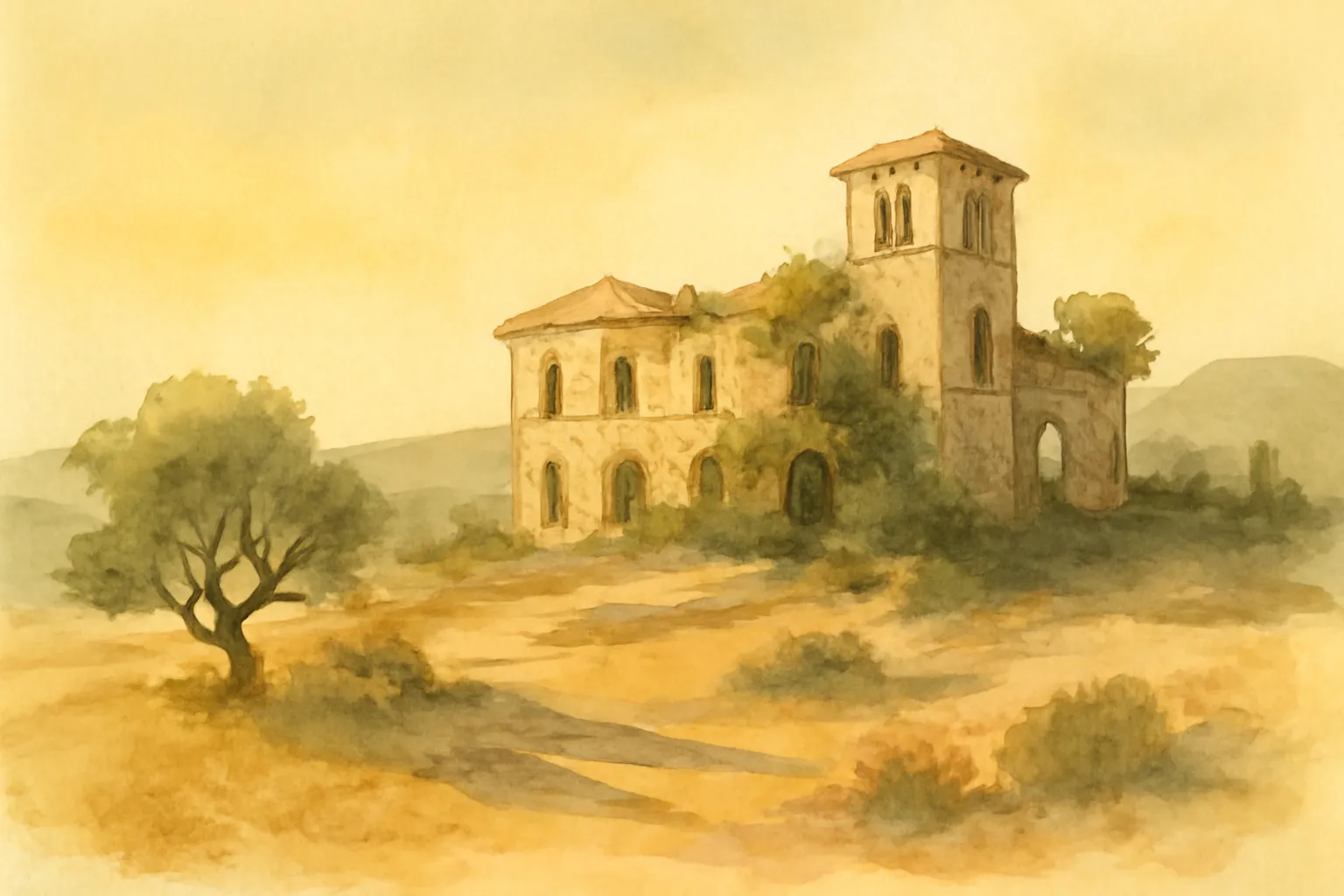
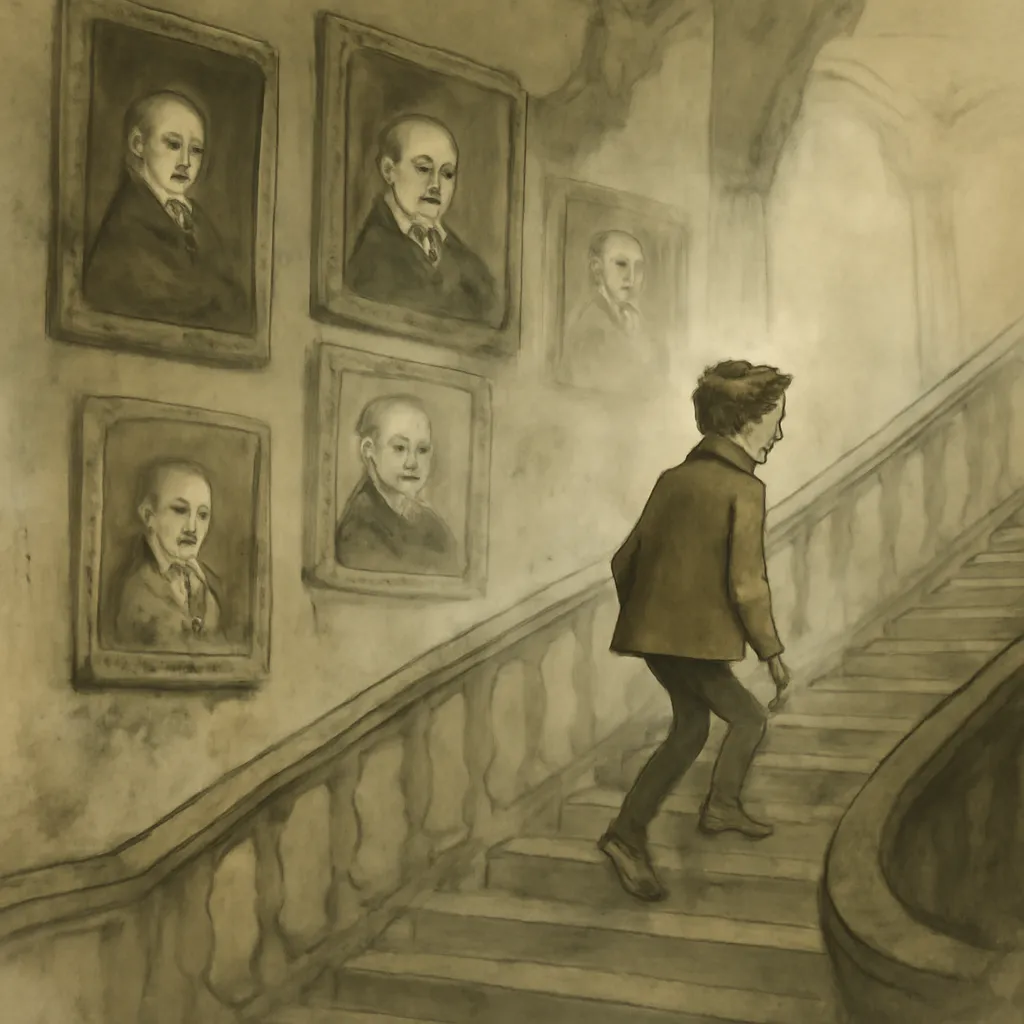
Jaime Febrer's life is heavily influenced by the legacy of his ancestors, embodied in the grand but decaying palace where he resides. This ancestral home, filled with reminders of past glory, serves as a constant reminder of the expectations placed upon him. The opulence of the architecture contrasts sharply with Jaime's financial struggles, highlighting the burdens of heritage. As he reflects on his family's history, he grapples with the desire to honor it while also yearning for personal freedom. Jaime's internal conflict is palpable; he is torn between the desire to uphold the family name and the realization that doing so may mean sacrificing his own happiness. This tension between honoring one’s lineage and forging one’s path is a central theme that resonates throughout the narrative, compelling readers to consider the impact of family legacies on personal identity.
2.The Allure and Danger of Wealth
Jaime's aspirations are fueled by the desire to reclaim the family estate of Son Febrer, which symbolizes not only wealth but also social status and respect. The estate represents a life of abundance and the fulfillment of his family's legacy. However, Ibáñez presents wealth as a double-edged sword; while it offers security and comfort, it also invites scandal and societal scrutiny. Jaime's plan to marry into a wealthy family to restore his fortune is fraught with danger, as it carries the potential for rejection and social ostracism. The pursuit of wealth often leads to moral dilemmas, as characters must navigate the fine line between ambition and integrity. The novel suggests that while the allure of wealth is strong, the consequences of pursuing it can be dire, ultimately raising questions about the true cost of success and the sacrifices individuals make for financial gain.
3.Cultural Tensions: Jew and Gentile
The character of Pablo Valls, a Chueta (descendant of Jews forced to convert to Christianity), introduces a rich layer of cultural tension in the narrative. Valls boldly embraces his heritage in a society rife with anti-Semitic sentiments, challenging the norms of Majorcan society. His outspoken nature and defiance against prejudice highlight the struggles of those who are marginalized and the complexities of identity in a rigid social structure. Through Valls, Ibáñez critiques the entrenched biases of his time, illustrating how societal prejudices shape individual destinies. This cultural tension is evident in how Valls' presence disrupts the status quo, encouraging characters like Jaime to confront their own prejudices. The portrayal of Valls serves to broaden the narrative, emphasizing the importance of acceptance and understanding in a world dominated by fear and intolerance.
4.Romance and Social Class
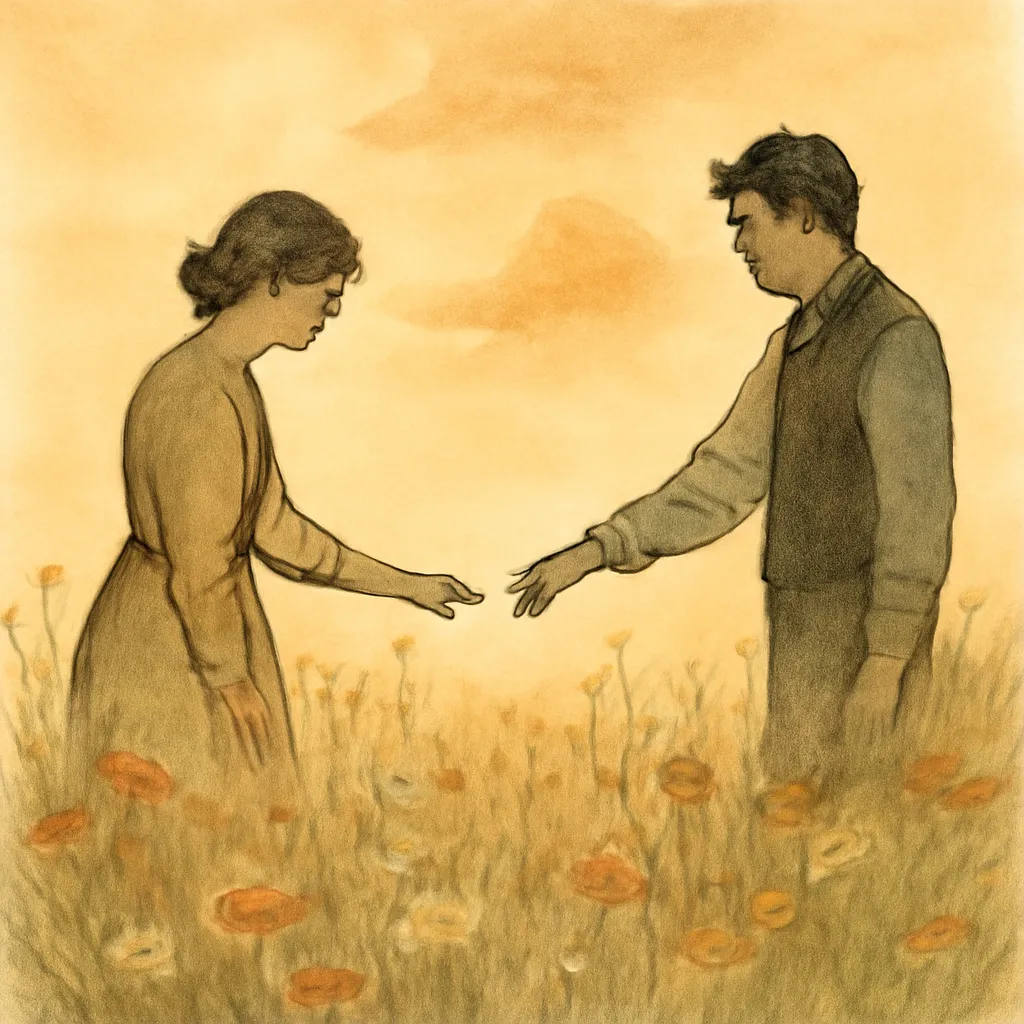
Jaime's romantic pursuits are deeply intertwined with the social hierarchies of Majorca. His love for Margalida, a peasant girl, defies the rigid class boundaries that dictate who may love whom. This forbidden romance serves as a microcosm of the larger societal issues at play, where love is often overshadowed by class distinctions and family expectations. Ibáñez poignantly captures the emotional turmoil that arises when personal desires clash with societal norms. Jaime's determination to pursue Margalida despite the class differences reflects a rebellion against the societal constraints that dictate acceptable relationships. This exploration of love across social classes highlights the universal struggle for personal happiness in the face of societal expectations, inviting readers to empathize with the characters’ plights while questioning the validity of the social structures that confine them.
5.The Ghosts of the Past
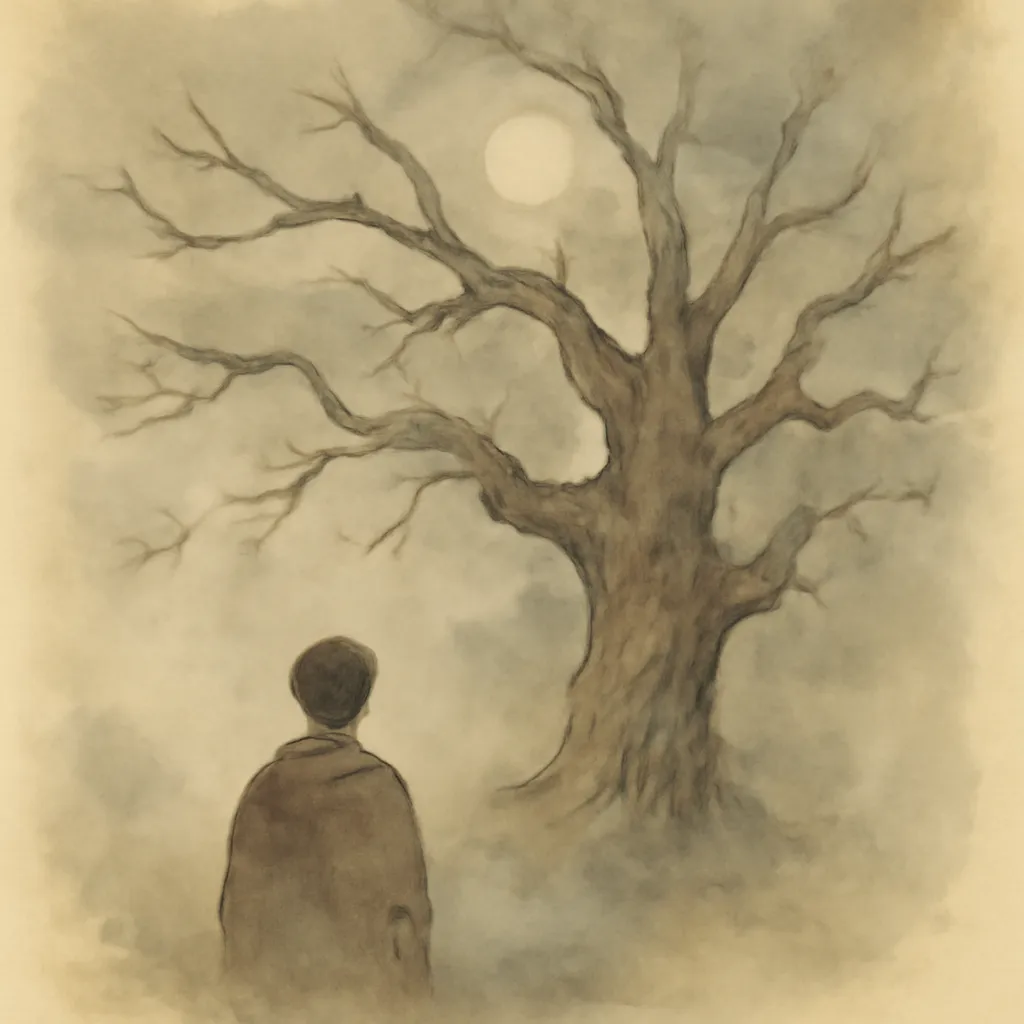
The theme of the dead commanding the living is a powerful motif throughout the novel. Jaime feels the weight of his ancestors' expectations, as if their spirits guide and constrain his choices. This haunting presence serves as a reminder of how history shapes identity and informs personal decisions. Ibáñez deftly illustrates how the past is never truly gone; it lingers in the minds and hearts of the characters, influencing their actions and desires. The interplay between memory and reality creates a rich narrative landscape where the past continually impacts the present. Characters often reflect on their heritage, revealing how ancestral legacies can inspire both pride and shame. This theme resonates deeply, suggesting that one cannot escape the legacies left by those who came before, and that these influences often dictate the course of our lives.
6.The Natural Beauty of Majorca
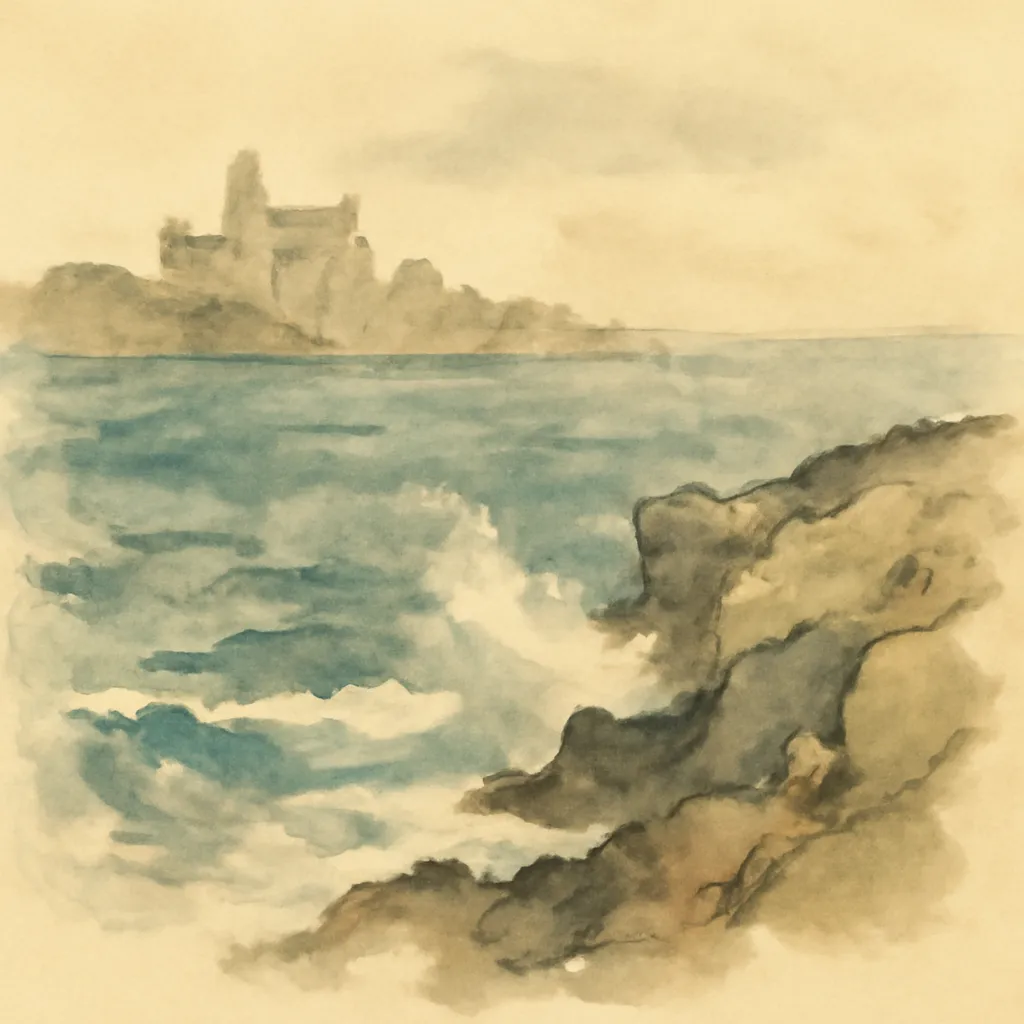
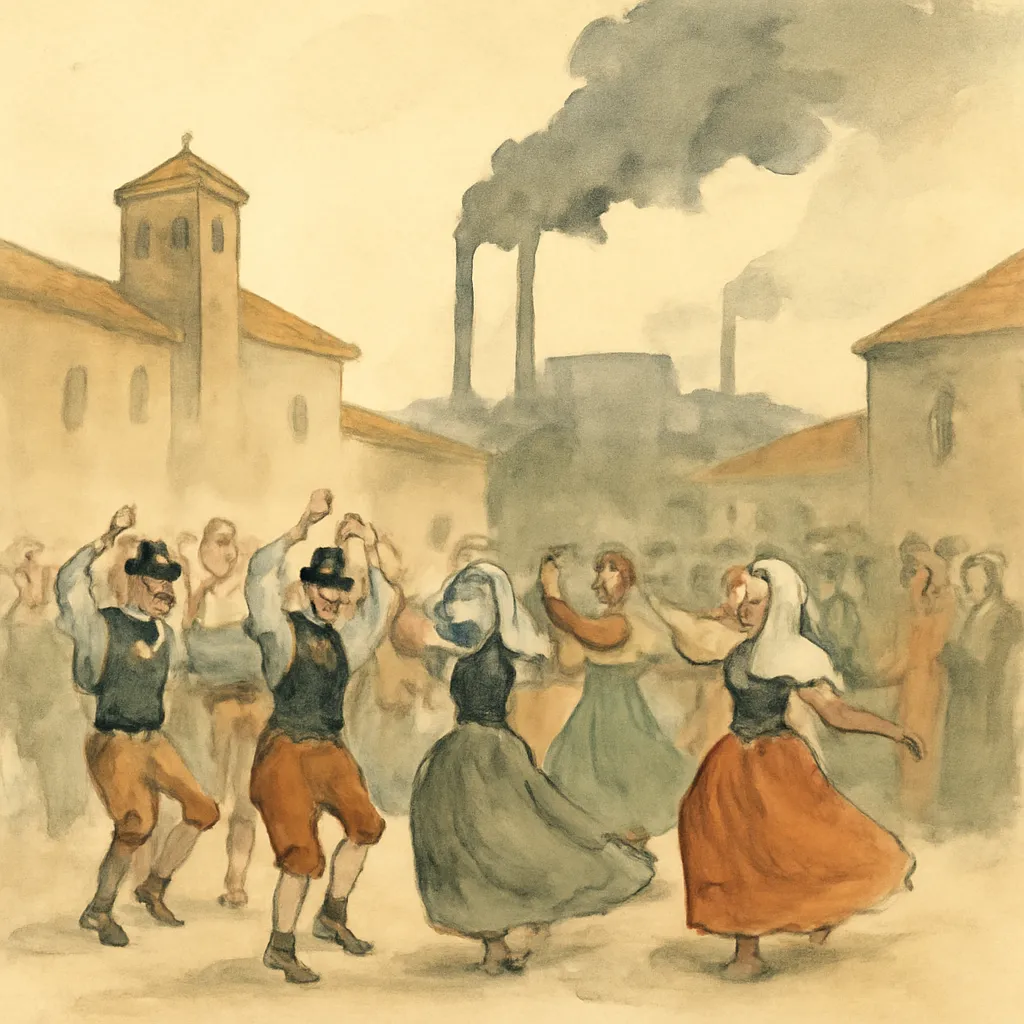
Ibáñez's vivid descriptions of Majorca play a crucial role in the narrative, serving as both a backdrop and a character in its own right. The island's landscapes, rich with verdant fields, azure seas, and historic architecture, reflect the emotional states of the characters and underscore the themes of beauty and decay. Jaime's journey through the island evokes a sense of nostalgia and longing as he grapples with his identity amidst the stunning scenery. The contrast between the island's beauty and Jaime's internal struggles symbolizes the dual nature of human experience—the coexistence of joy and sorrow. Ibáñez’s portrayal of Majorca not only enhances the story's emotional depth but also serves as a reminder of the beauty that exists even in the face of personal and social turmoil. This relationship between landscape and emotion invites readers to appreciate the profound connections between nature and human experience.
7.Conflict and Honor
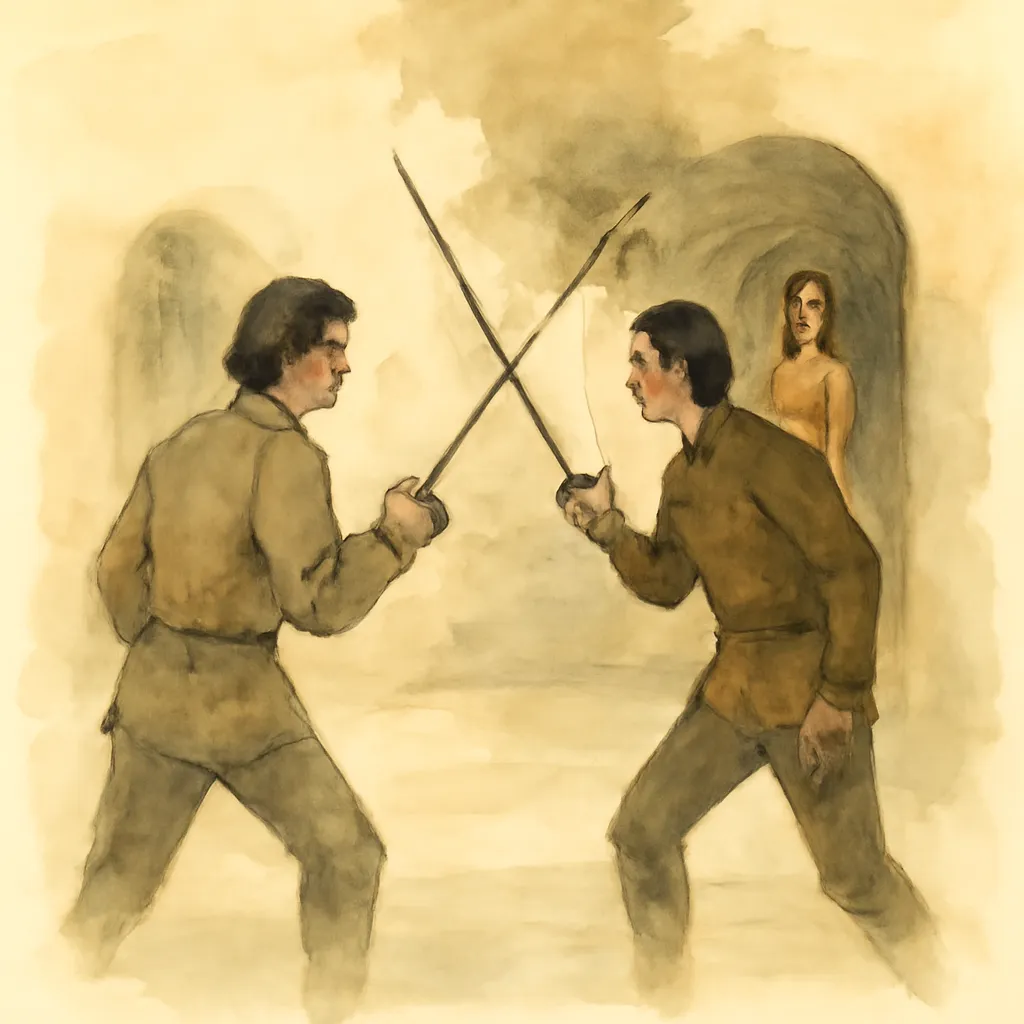
The novel presents a stark exploration of honor and conflict, particularly through the lens of Jaime's encounters with other suitors for Margalida's affection. The competitive nature of courtship among the island's men reveals the deep-seated cultural values surrounding masculinity and honor. Ibáñez illustrates how disputes can escalate into violence, reflecting the societal norms that dictate how men must defend their honor. Jaime's struggle to navigate these conflicts while pursuing his love for Margalida highlights the tension between personal desires and societal expectations. The theme of honor serves as a catalyst for action, propelling the narrative forward and forcing characters to confront their beliefs and values in the face of conflict. It raises questions about the nature of masculinity, the role of honor in relationships, and the lengths individuals will go to uphold their reputations.
8.The Role of Women
Women in 'The Dead Command' occupy complex roles, often caught between societal expectations and personal desires. Margalida's character exemplifies the struggles faced by women in a patriarchal society, where their worth is often defined by their relationships to men. Ibáñez portrays her as a strong yet vulnerable figure, navigating the pressures of family loyalty and societal judgment. The women's voices are often muted, highlighting the constraints placed upon them by tradition and social norms. However, through Margalida's actions and emotions, the narrative reveals the inner strength and resilience of women. Their experiences reflect broader themes of gender inequality and the fight for autonomy within a restrictive cultural framework. Ibáñez's portrayal of women encourages readers to reflect on the societal structures that limit their agency and the importance of challenging these norms for the sake of personal fulfillment.
9.The Interplay of Fate and Free Will
Jaime's journey is marked by a constant struggle between fate and free will, as he grapples with the choices that shape his destiny. The societal pressures and ancestral expectations often seem to dictate his path, leaving him feeling trapped in a predetermined narrative. Yet, his determination to pursue love and restore his family's honor illustrates the human desire to assert agency in the face of adversity. Ibáñez poignantly captures this tension, suggesting that while the past may shape the present, individuals still possess the ability to carve their own destinies. This exploration of fate versus free will resonates deeply, inviting readers to reflect on their own lives and the forces that influence their choices. The characters' actions serve as a reminder that while external influences are powerful, personal agency remains a critical component of human experience.
10.Tradition vs. Modernity
The tension between tradition and modernity is another crucial theme in 'The Dead Command'. Jaime embodies the struggle of a younger generation caught between the weight of historical customs and the desire for change. His aspirations for a better future conflict with the ingrained traditions of Majorcan society, highlighting the challenges faced by those who wish to break free from conventional paths. The dissonance between old and new values is evident in the characters' interactions and decisions, as they navigate the complexities of evolving social norms. Ibáñez illustrates how tradition can act as both a source of strength and a limitation, ultimately prompting readers to consider the necessity of balancing respect for the past with the need for progress. This theme encourages a dialogue about the importance of adapting traditions to fit contemporary life while still honoring their essence.