1.Master Ciappelletto: The Irony of False Sanctity
The first story introduces Master Ciappelletto, a man infamous for his vices who, upon his death, is mistakenly revered as a saint after giving a false confession to a friar. This ironic twist critiques the religious hypocrisy prevalent in society, as the clergy accept Ciappelletto’s fabricated piety without question. Boccaccio artfully illustrates how a life lived in sin can be overlooked when cloaked in the guise of virtue. The friar, deceived by Ciappelletto’s duplicitous confession, promotes him as a holy figure, raising essential questions about the nature of morality and the ease with which society can be misled by appearances. By portraying a character who gains posthumous sanctity through deceit, Boccaccio challenges readers to reflect on the authenticity of their own virtues and the societal structures that often prioritize surface-level piety over genuine moral character.
2.Abraham the Jew: The Quest for Genuine Faith
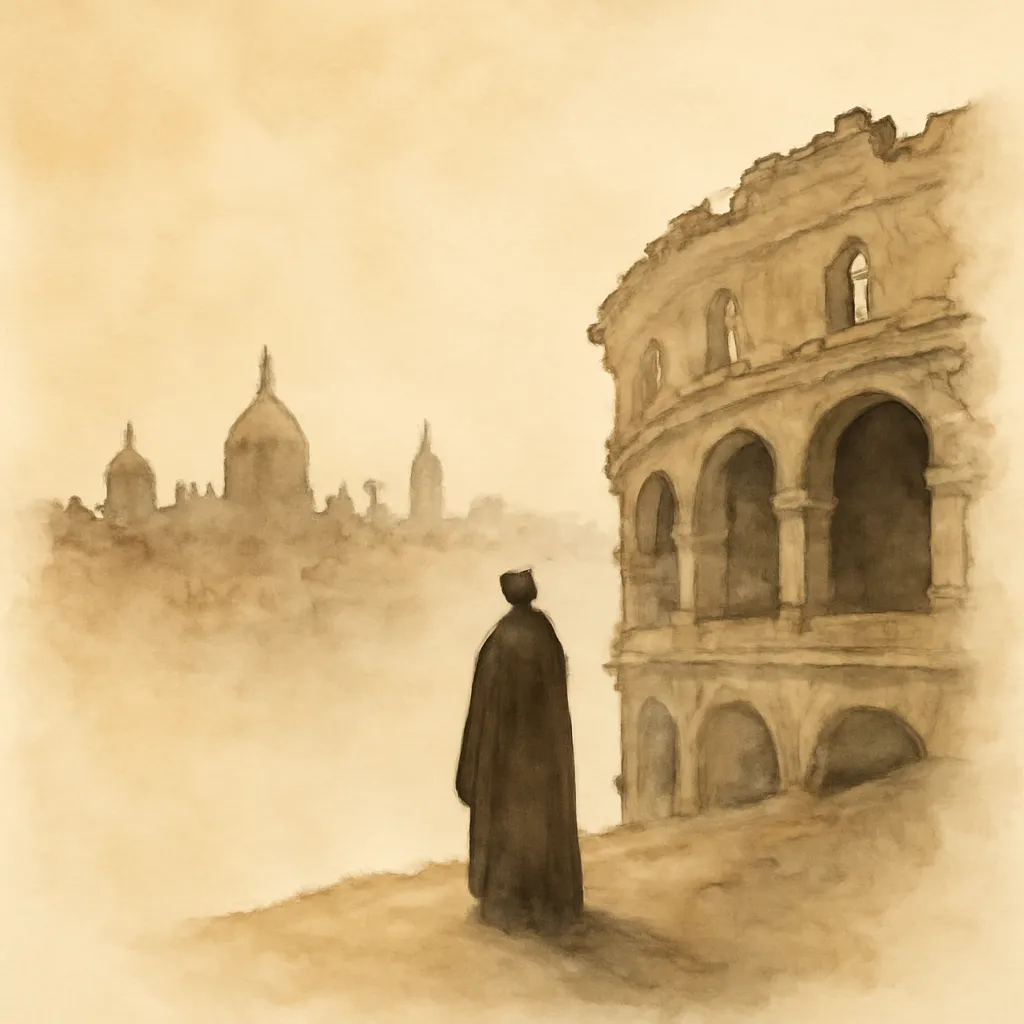
In the second story, Abraham, a Jewish man, travels to the corrupt court of Rome and witnesses the moral decay among the clergy, prompting him to convert to Christianity. This tale exposes the stark contrast between Abraham’s integrity and the hypocrisy exhibited by the religious leaders. Boccaccio uses Abraham's experiences to explore the theme of faith and the often convoluted paths individuals take to find genuine spirituality. Abraham's conversion is not a straightforward embrace of Christianity; rather, it reflects a deep disillusionment with the practitioners of faith he encounters. Through this narrative, Boccaccio invites readers to consider the complexities of belief and the impact of institutional corruption on personal convictions. The story serves as a reminder that true faith often requires navigating through layers of societal and moral complexities, challenging individuals to seek authentic connections beyond established doctrines.
3.Melchizedek and the Three Rings: Tolerance and Wisdom
The third story involves Melchizedek, a Jewish merchant who skillfully evades a deadly trap set by Saladin, the Muslim leader. When Saladin demands to know which faith is the true one, Melchizedek recounts a parable about three identical rings, each representing a major faith: Judaism, Christianity, and Islam. This narrative underscores the themes of tolerance and the interconnectivity of different religions. Boccaccio's choice to have Melchizedek use clever storytelling to address a potentially lethal confrontation highlights the power of wisdom over brute force and prejudice. By illustrating how a story can bridge divides, Boccaccio emphasizes the importance of empathy and understanding among diverse cultures. This tale serves as a timeless reminder that wisdom and dialogue can overcome hostility, encouraging readers to reflect on the value of tolerance in a world often divided by religious and cultural differences.
4.The Monk and His Abbot: The Folly of Self-Serving Morality
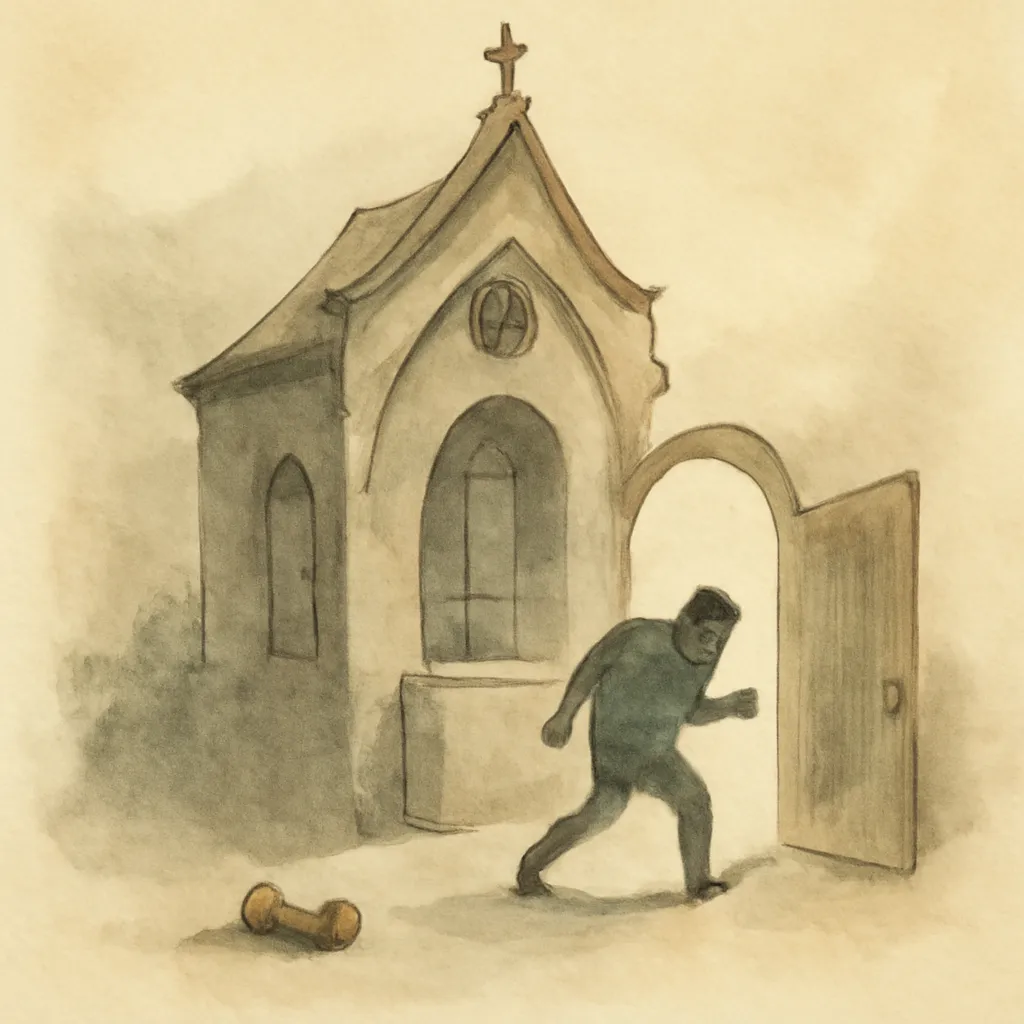
In a humorous turn, a monk who succumbs to temptation skillfully avoids punishment by cleverly shifting blame onto his abbot. This story deftly critiques the moral failings of religious figures while portraying the monk as a cunning but ultimately self-serving character. Boccaccio's narrative raises critical questions about accountability and the nature of sin, suggesting that even those who profess holiness can be deeply flawed. The monk's clever manipulation of the situation reflects a broader commentary on the absurdities of ecclesiastical authority, where appearances often outweigh genuine morality. By showcasing the monk’s success in evading punishment, Boccaccio illustrates the idea that moral failings can be cleverly disguised, leading readers to ponder the extent to which society often rewards deception rather than integrity. This theme resonates throughout 'The Decameron,' revealing a world rife with moral ambiguity and the complexities of human behavior.
5.The Marchioness of Monferrato: Femininity and Agency in a Male-Dominated Society
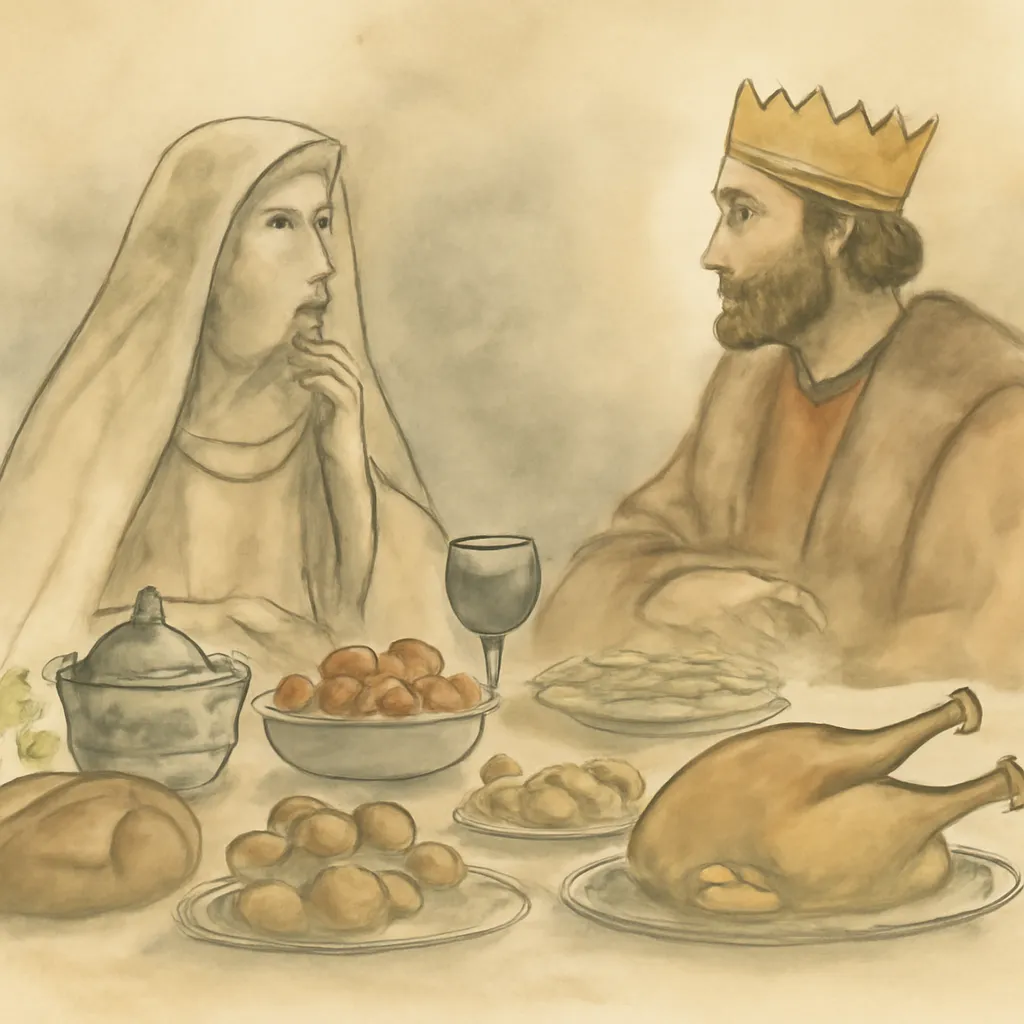
The story of the Marchioness of Monferrato demonstrates the power of wit and charm as she navigates the unwanted advances of the King of France. Through her clever repartee and strategic flattery, she manages to keep the king’s dangerous affections at bay. Boccaccio skillfully portrays the Marchioness as a character with agency, showcasing her intelligence and ability to manipulate social dynamics to her advantage. This tale challenges the traditional portrayals of women as passive recipients of male desire, instead illustrating their capacity for influence and control. By putting a female character in a position of power, Boccaccio elevates the narratives of women, demonstrating that they can wield their own agency in a patriarchal society. The Marchioness's cleverness reinforces the idea that wit and intelligence can be just as potent as brute strength in navigating power dynamics.
6.Hypocrisy and the Religious Orders: A Social Critique
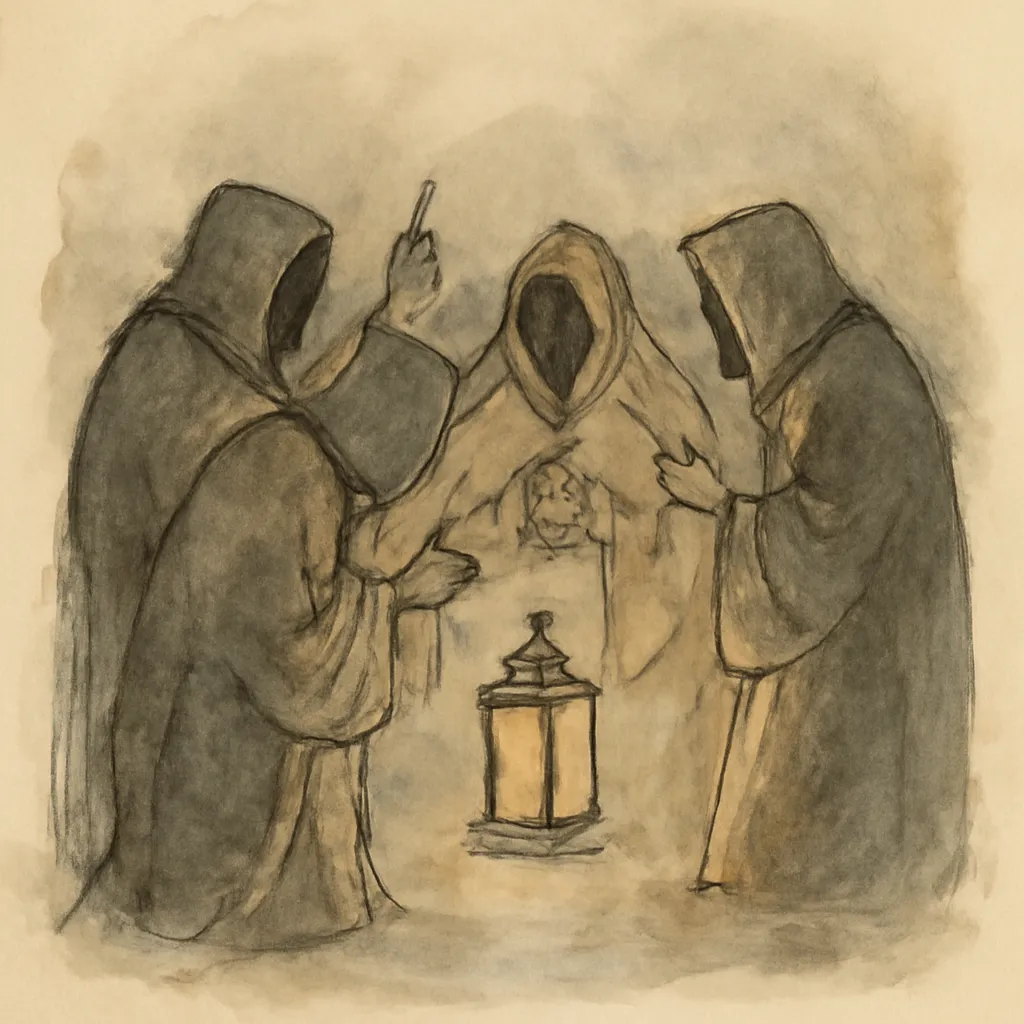
Many stories within 'The Decameron' expose the hypocrisy of religious orders, showcasing a significant disconnect between their teachings and actual behaviors. For instance, a prominent story depicts a group of honest men confronting the perverse hypocrisy of the clergy, revealing that those who preach virtue can often engage in vice. Boccaccio employs humor and satire to critique the moral failures of religious figures, highlighting the absurdity of their claims to holiness. This critique resonates deeply in a society where faith is often intertwined with political power. The juxtaposition of religious ideals against the backdrop of human behavior invites readers to question the authenticity of religious authority and the moral integrity of those who claim to uphold it. By demonstrating that the clergy is not immune to folly and vice, Boccaccio effectively critiques the very foundations of moral authority, urging readers to seek out genuine virtue rather than blindly following established dogma.
7.Love and Deceit: The Duality of Human Relationships
Throughout 'The Decameron,' Boccaccio explores the complexities of love and deceit, illustrating how human relationships are often riddled with manipulation and misunderstanding. For example, a scholar is led to believe he will meet his beloved, only to find himself at the mercy of a jealous rival. This narrative emphasizes the unpredictability of love, where desire can lead to unexpected consequences. Boccaccio's exploration of romantic entanglements reveals that love is not solely a source of joy but also a catalyst for conflict and betrayal. By presenting love as a multifaceted emotion that can inspire both noble and nefarious actions, Boccaccio invites readers to reflect on the duality of human desires and the inherent risks involved in intimate relationships. The characters’ experiences serve as a reminder that the pursuit of love can lead down treacherous paths, often revealing the darker aspects of human nature.
8.Class and Desire: The Horsekeeper's Tale
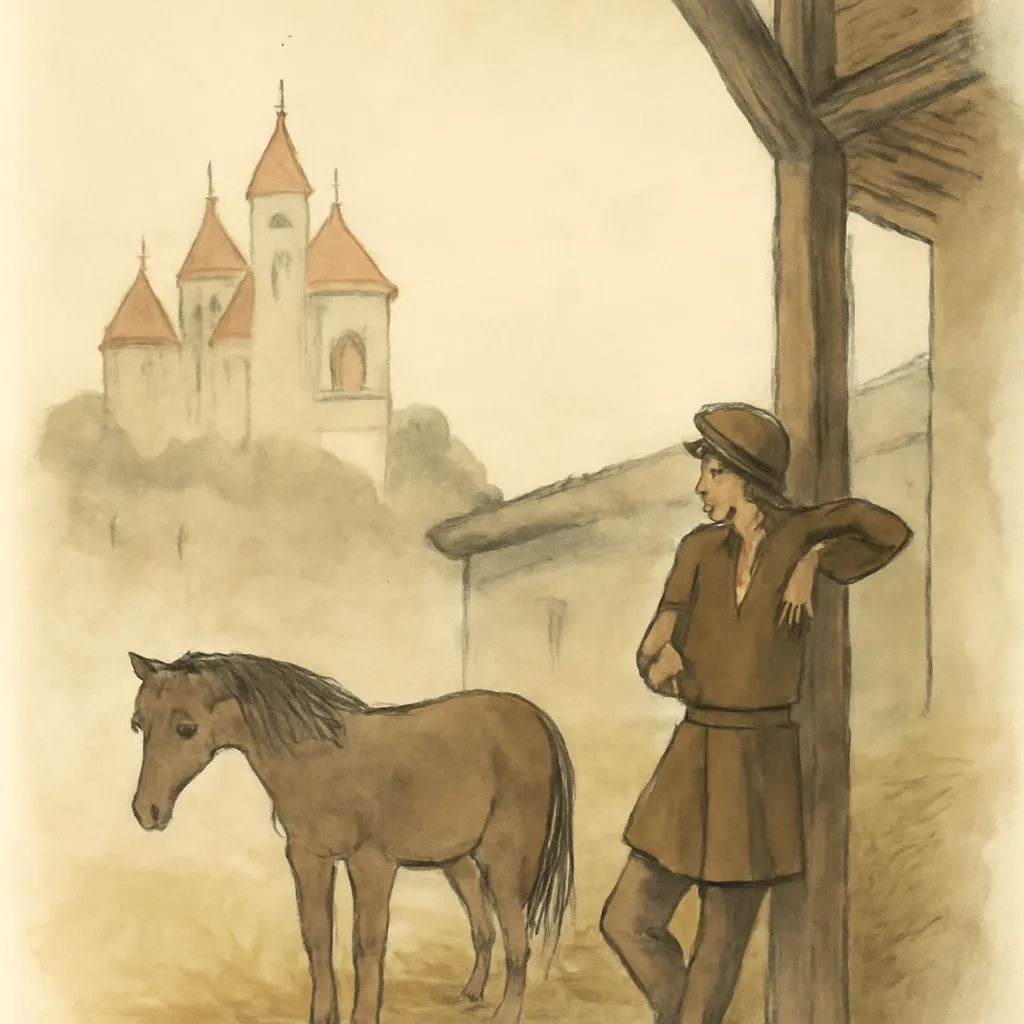
The tale of the horsekeeper who seduces the wife of King Agilulf highlights the theme of class disparity and the potent nature of desire. Despite his lowly status, the horsekeeper’s passion drives him to pursue the queen, ultimately resulting in a humorous yet poignant exploration of love across social boundaries. Boccaccio illustrates that desire knows no social rank, as the horsekeeper’s affection transcends his humble origins. This story critiques the rigid class structures of the time, suggesting that love can act as a great equalizer. The horsekeeper's success in winning the queen’s affections challenges societal norms, presenting love as a universal experience capable of connecting individuals regardless of their social standing. Through this narrative, Boccaccio emphasizes that human emotions are complex and cannot be easily categorized, underscoring the idea that love can defy the constraints imposed by social hierarchy.
9.Self-Righteousness and Moral Folly: The Pious Man and the Monk

In a tale merging humor and moral insight, a self-righteous man seeks to attain holiness through extreme self-denial, only to be outwitted by a more cunning monk. This narrative illustrates the folly of moral superiority and the misconceptions surrounding piety. Boccaccio uses the characters’ interactions to highlight that true virtue often lies in humility and self-awareness rather than ostentatious displays of devotion. The monk’s manipulation of the pious man exposes the absurdity of assuming that outward signs of piety equate to genuine virtue. By showcasing the monk's cleverness in exploiting the pious man's naivete, the story serves as a reminder that wisdom and discernment are essential for navigating moral complexities. This tale invites readers to reflect on their own assumptions about virtue and the dangers of self-deception, ultimately suggesting that moral clarity requires a deeper understanding of oneself and others.
10.Empowerment and Agency of Women: A Recurrent Theme
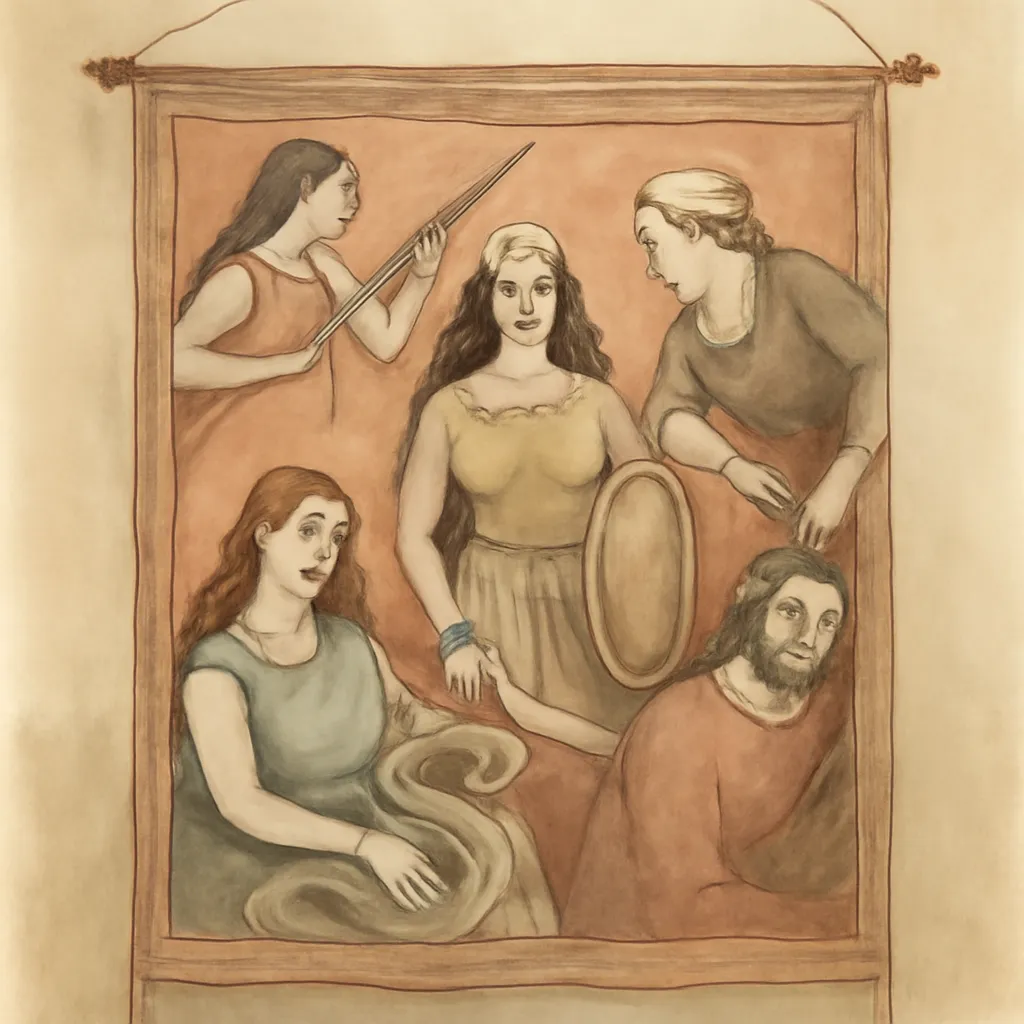
Throughout 'The Decameron,' Boccaccio vividly portrays women as complex characters endowed with agency and power, often using their intelligence and wit to navigate challenging male-dominated environments. Characters such as the Marchioness of Monferrato and Catella exemplify how women can assert themselves against societal expectations and exert influence over their own destinies. Boccaccio's nuanced depiction of female characters conveys an understanding of their struggles and triumphs, suggesting that they possess an inherent strength that allows them to shape their circumstances. This theme of empowerment resonates throughout the collection, demonstrating that women are not mere victims of love or societal constraints but active participants capable of crafting their own narratives. By presenting women as shrewd and resourceful, Boccaccio challenges prevailing stereotypes and elevates their roles within the stories, affirming the importance of female agency in both personal and societal contexts.