Fiction
The Decameron of Giovanni Boccaccio by Giovanni Boccaccio — Summary, Key Ideas & Full Text
991 pages81 chapters19h 54m read14h 8m speed read✦ 10-min Big ideasFree · no account
Rate it
The Decameron reveals the intricacies of human nature through tales of love, deceit, and the struggles between morality and desire
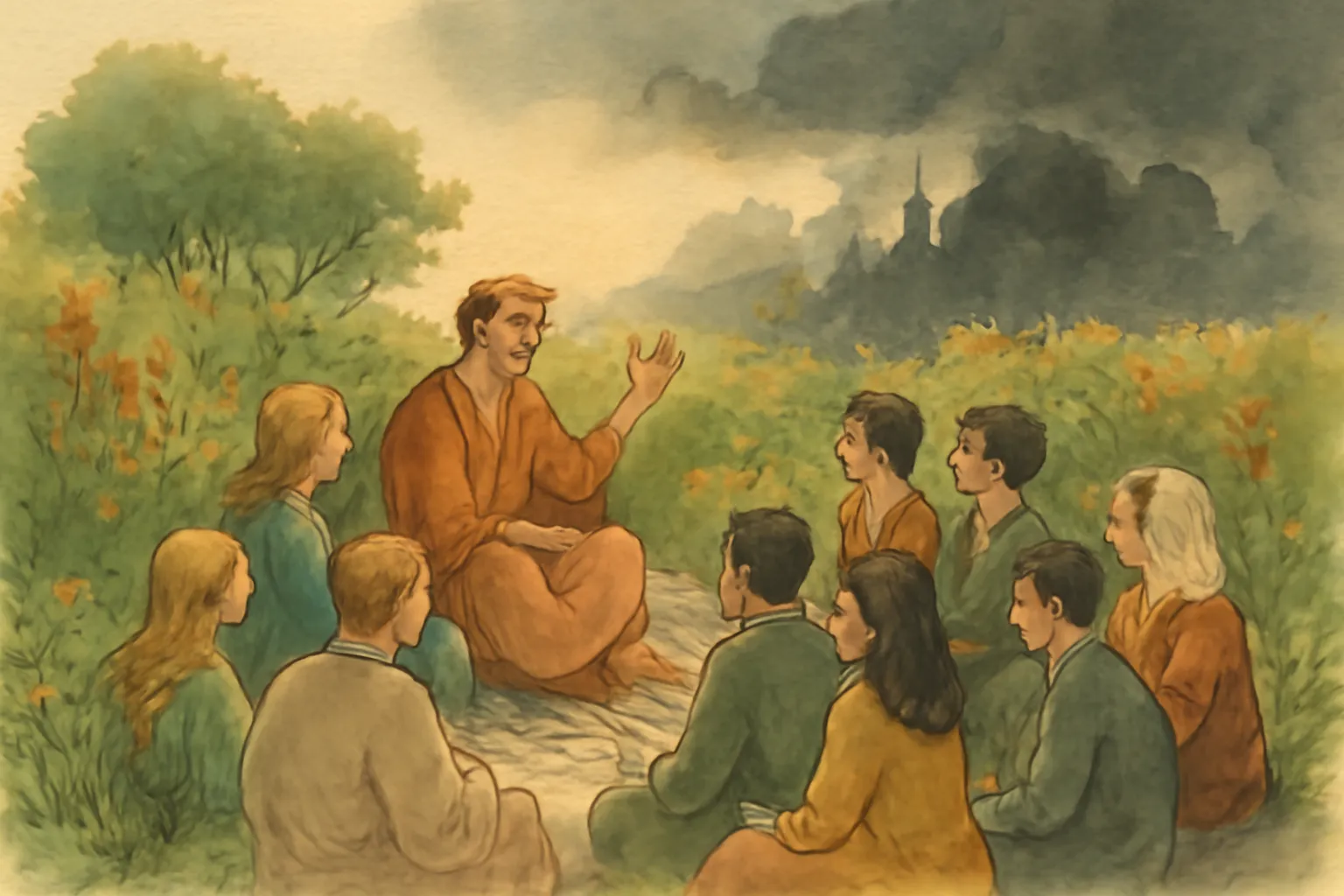
Giovanni Boccaccio's 'The Decameron' is an intricate collection of stories set against the devastating backdrop of the Black Death, exploring themes of love, mischief, and the duality of human character. As a group of ten young Florentines escape the plague, they engage in storytelling to distract themselves from the horrors surrounding them, sharing narratives that range from the comedic to the tragic. Each tale offers rich characters and moral lessons that reflect the societal norms, challenges, and dualities of 14th-century Italy. Readers will be captivated by the wit and wisdom interwoven into these narratives, which not only serve to entertain but also provoke reflection on the complexities of human behavior. Boccaccio’s exploration of resilience, morality, and the human condition resonates across time, inviting us to ponder the timeless questions of virtue and vice, love and lust, survival and death.
Boccaccio's 'The Decameron' presents a timeless examination of the human condition, revealing the intricacies of love, morality, and the societal structures that define our lives. Each story serves as a lens through which readers can explore the dualities of virtue and vice, desire and deception, all set against the backdrop of a society grappling with existential crises. The interplay of humor and moral lessons creates a rich narrative that resonates across generations, reminding us of the complexities of human emotions and relationships. Ultimately, 'The Decameron' not only reflects the societal norms of its time but also invites introspection about our own moral compass and the enduring nature of human desires, making it a relevant exploration of the human experience.
“Master Ciappelletto dupeth a holy friar with a false confession and dieth; and having been in his lifetime the worst of men, he is, after his death, reputed a saint and called Saint Ciappelletto.”
“Abraham the Jew, at the instigation of Jehannot de Chevigné, goeth to the Court of Rome and seeing the depravity of the clergy, returneth to Paris and there becometh a Christian.”
“Melchizedek the Jew, with a story of three rings, escapeth a parlous snare set for him by Saladin.”
Read Giovanni Boccaccio's work free on Lumina — the complete text plus an 8-minute summary and key ideas, no account needed