1.Interpersonal Neurobiology
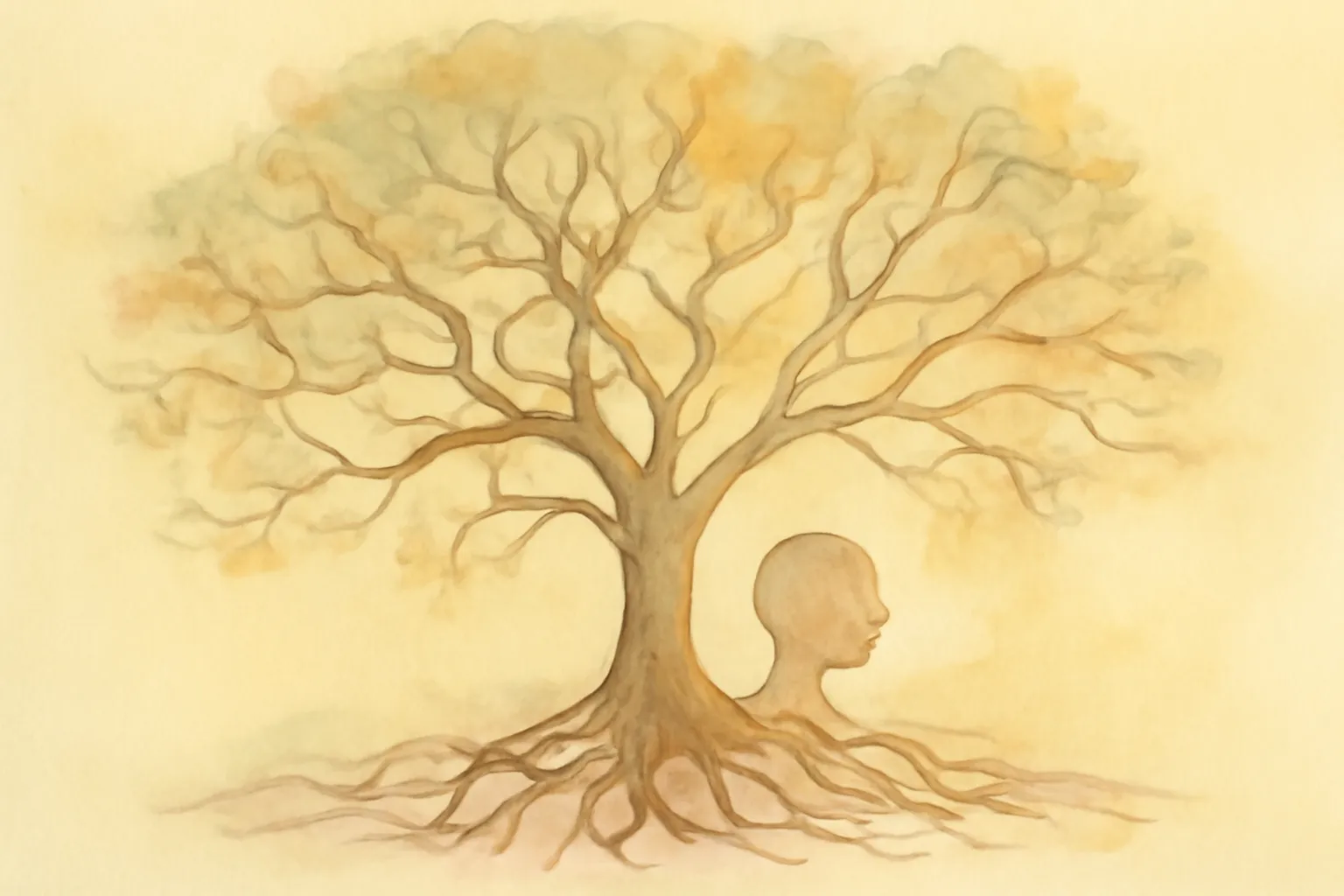
Siegel introduces 'interpersonal neurobiology,' a framework that bridges neuroscience, psychology, and attachment theory. He argues that the mind emerges from both the activity of the brain and the quality of our relationships. By integrating multiple disciplines, Siegel shows how our social environment and neural processes are inseparable in understanding development.
2.Attachment Shapes the Brain
A core idea is that early attachment experiences with caregivers literally sculpt the developing brain. Secure attachments foster neural integration, emotional regulation, and resilience, while insecure attachments can lead to difficulties in these areas. Siegel draws on research to show how the quality of early relationships leaves a lasting imprint on mental health.
3.Integration as the Core of Mental Health
Siegel posits that 'integration'—the linking of differentiated parts of the brain and mind—is fundamental to psychological wellbeing. When integration is present, individuals are flexible, adaptive, and coherent. Dis-integration, by contrast, underlies many forms of mental distress. This concept reframes mental health as a process rather than a fixed state.
4.The Role of Narrative
The book highlights the importance of narrative in making sense of our experiences. Siegel explains how telling coherent stories about our lives, especially our attachment histories, can promote healing and integration. This process helps individuals move from confusion and chaos toward understanding and emotional balance.
5.The Mind as an Emergent Process
Siegel challenges the traditional separation of mind and brain, proposing that the mind is an emergent process arising from both neural activity and interpersonal relationships. This view encourages readers to see mental life as dynamic and relational, rather than static or isolated within the skull.
6.Plasticity and Lifelong Development
A hopeful message is that the brain remains plastic throughout life. While early experiences are foundational, Siegel emphasizes that new relationships and experiences can foster growth and healing at any age. This underscores the potential for change and resilience, even after adversity.