1.The Burden of Exile

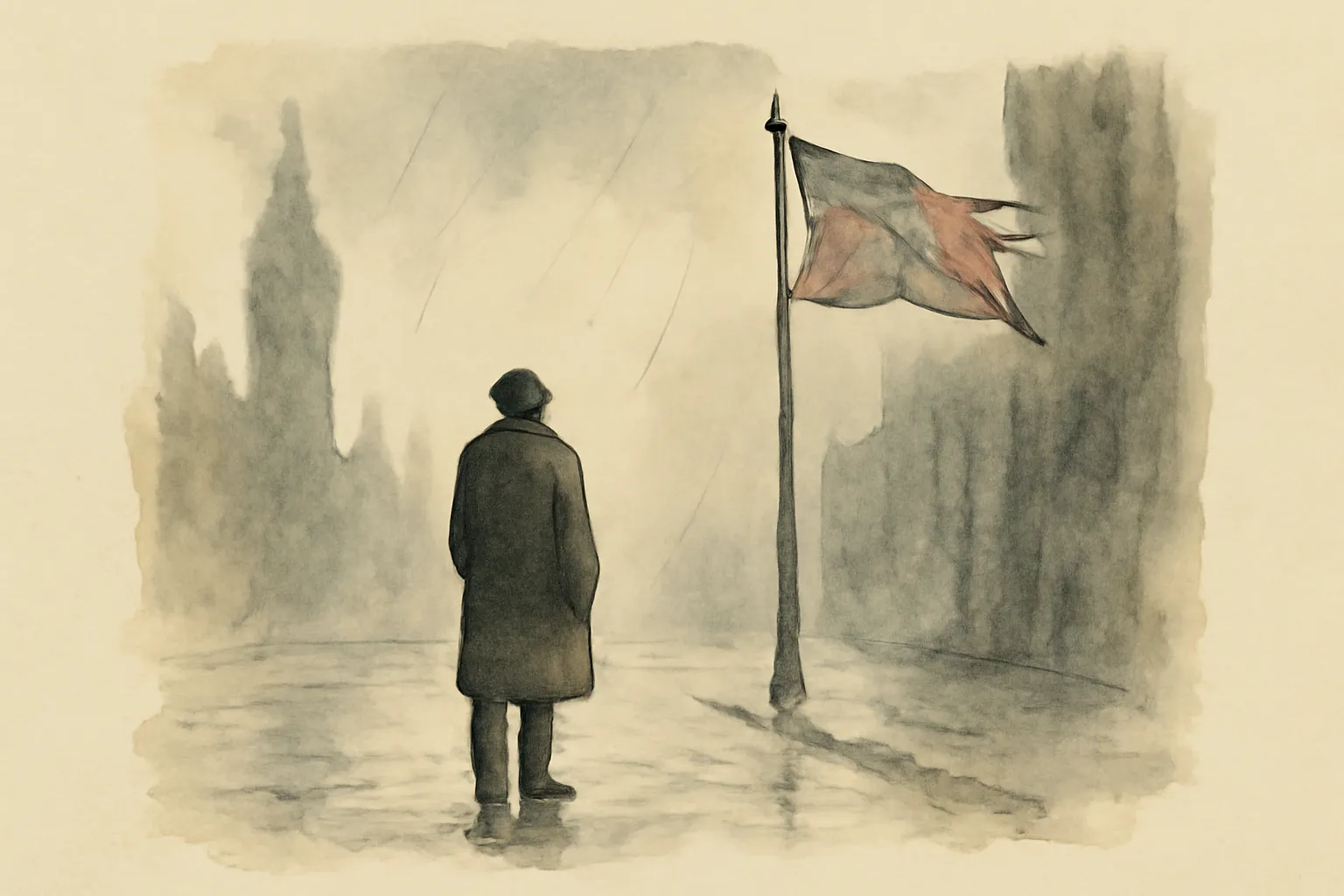
John Ericson, the Dictator of Gloria, embodies the struggles of leadership when stripped of power and homeland. Living in exile in London, he grapples with the weight of his past glories and the stark reality of his current insignificance. Despite being celebrated as a hero and a leader, Ericson feels like 'one inconsiderable item added to the exile world of London.' This duality highlights the emotional turmoil faced by leaders who have lost their status, forcing them to confront their identities in a new light. The burden of exile is not merely physical; it is deeply psychological, as Ericson clings to the hope of returning to his country while navigating the complexities of life as a refugee. McCarthy expertly illustrates the sense of dislocation experienced by Ericson, as he navigates the streets of London—distant from his homeland yet haunted by it. The contrast between the bustling life around him and his internal feelings of displacement serves to emphasize the loneliness that often accompanies those who are uprooted from their homes.
2.The Role of Friendship and Loyalty

The relationship between Ericson and Hamilton, his devoted private secretary, illustrates the theme of loyalty amid political upheaval. Hamilton's unwavering support for Ericson reflects a profound commitment that goes beyond duty, showcasing how personal relationships can provide strength in times of adversity. Their interactions are infused with warmth and camaraderie, as Hamilton actively encourages Ericson to engage with London society, despite the Dictator's initial reluctance. This dynamic emphasizes the importance of friendship as a source of resilience, allowing leaders to maintain their sense of purpose even when faced with overwhelming challenges. Hamilton's enthusiasm and idealism serve as a counterbalance to Ericson's cynicism, highlighting the various ways individuals cope with loss and uncertainty. The fierce loyalty that Hamilton displays is mirrored in the way he manages their affairs, ensuring that Ericson's legacy and claim to Gloria remain at the forefront. This bond between them reveals the emotional depths of their characters, showcasing how loyalty can act as a lifeline in the choppy waters of exile.
3.The Social Landscape of London
London serves as a vibrant backdrop that reflects the complexities of social hierarchies and political dynamics. Through the lens of Ericson's experience, McCarthy captures the city's dual nature—its beauty and its harsh realities. The bustling streets of Knightsbridge contrast sharply with the quietude of Hampstead Heath, where Ericson finds solace while contemplating his future. The author paints a vivid picture of London's social scene, from the opulent gatherings at the Langley House to the struggles of the working class. This exploration of social dynamics underscores the interconnectedness of personal and political spheres, revealing how individual destinies are shaped by broader societal forces. The diversity of characters, from aristocrats to revolutionaries, showcases the multifaceted nature of power and influence in a rapidly changing world. Ericson's interactions with various societal figures highlight the tension between personal ambition and the collective interest, illustrating how leaders must navigate these complexities to forge their paths.
4.The Influence of Women

The women in 'The Dictator' play pivotal roles that challenge traditional gender dynamics while influencing the men around them. Helena Langley, the daughter of Sir Rupert Langley, emerges as a formidable character who navigates her own social sphere with grace and authority. Her interactions with Ericson reveal a blend of admiration and complexity, as she grapples with her feelings for the exiled leader. Helena's assertiveness in expressing her emotions challenges Ericson's conservative views on women's roles, compelling him to reevaluate his own perspectives. Similarly, Dolores Paulo, the hotel owner's daughter, exhibits her own form of agency as she observes and reacts to the political intrigues unfolding around her. These female characters are not mere accessories to the male narrative; they are integral to the story's exploration of power, identity, and emotional depth. McCarthy's nuanced portrayal of these women underlines the significance of their contributions to the narrative, reinforcing the idea that leadership and influence are not confined to traditional power structures.
5.The Quest for Identity

Ericson's journey is ultimately a quest for identity, both as a leader and as an individual. Stripped of the title of Dictator, he must navigate a world that no longer recognizes him as a sovereign figure. This loss of identity is compounded by his memories of Gloria, which haunt him as he contemplates his purpose and legacy. Ericson's internal conflict is palpable as he oscillates between the desire to reclaim his power and the acknowledgment of his current reality. McCarthy deftly illustrates this struggle through Ericson's interactions with others, as he grapples with how he is perceived versus how he wishes to be seen. His reflections reveal the complexities of identity in the face of adversity, as he learns to adapt to his new circumstances while remaining loyal to his core values. The narrative invites readers to consider how identity is shaped by external circumstances and personal choices, ultimately questioning the essence of what it means to lead and belong.
6.The Nature of Power and Governance

McCarthy explores the intricate nature of power and governance through Ericson's reflections on his past leadership in Gloria. The Dictator's idealistic vision for his country contrasts sharply with the political machinations he must now navigate in London. His experiences prompt him to question the efficacy of traditional governance models, as he considers the challenges of leading a nation composed of diverse voices and interests. This introspection leads to a deeper understanding of the complexities of political authority, as Ericson grapples with the responsibilities that come with power. The narrative emphasizes that effective leadership requires more than just authority; it demands empathy, adaptability, and a willingness to engage with society's diverse perspectives. Through Ericson's character, McCarthy raises critical questions about the moral implications of leadership and the sacrifices leaders must make for the greater good. The book challenges readers to reflect on how power can be wielded justly and the ethical dilemmas that accompany governance.
7.The Intersection of Personal and Political
The interplay between personal desires and political ambitions is a recurring theme in 'The Dictator.' Ericson's interactions with Helena and Hamilton reveal how personal relationships can influence political decisions. As he navigates the complexities of his feelings for Helena, he must also contend with the implications of those feelings on his political aspirations. The narrative highlights how personal motivations can shape a leader's actions, often blurring the lines between the personal and the political. McCarthy's portrayal of this intersection serves as a reminder that leaders are not merely political figures; they are individuals with emotions, desires, and vulnerabilities that can impact their governance. Ericson's internal conflicts and the choices he makes in response to his relationships underscore the importance of balancing personal feelings with the responsibilities that come with leadership.
8.The Shadows of Conspiracy
As Ericson grapples with his identity and the challenges of exile, the specter of conspiracy looms large over his life. The threats against him, including an attempted assassination, underscore the precarious nature of his position as a former leader in a foreign land. McCarthy weaves a narrative of intrigue and danger, as Ericson and his allies navigate the treacherous waters of political plots and schemes. This element of suspense adds a thrilling dimension to the story, as readers are drawn into the world of espionage and betrayal. The conspiracies serve not only as external threats but also as catalysts for Ericson's growth, forcing him to confront his fears and reaffirm his commitment to Gloria. The manner in which these conspiracies unfold reveals the fragility of power and the lengths to which individuals will go to protect or undermine it, inviting readers to reflect on the nature of loyalty and deception in the political arena.
9.The Complexity of Redemption
Ericson's journey is also one of redemption, as he seeks to reclaim not just his power but also his sense of purpose. His reflections on his past decisions and their consequences reveal a deep desire for personal and national redemption. McCarthy illustrates how the path to redemption is fraught with challenges, as Ericson must confront his mistakes and the impact they have had on his country and his relationships. This quest for redemption is intertwined with the broader narrative of Gloria's potential revival, as Ericson contemplates what it would mean to lead his people once more. The theme of redemption invites readers to consider the possibility of renewal and the power of second chances, both personally and politically. Ericson's internal struggles and his determination to rectify past wrongs resonate with the universal human experience of seeking forgiveness and making amends.
10.The Emotional Toll of Leadership
The emotional toll of leadership is poignantly depicted in Ericson's character, as he navigates the weight of expectation and the burden of his past. McCarthy captures the loneliness and isolation that often accompany leadership, particularly for those who have experienced loss and exile. Ericson's internal struggles are mirrored in his interactions with others, as he grapples with the expectations placed upon him by his allies and the public. This emotional depth adds complexity to his character, allowing readers to empathize with his plight. The narrative ultimately highlights the sacrifices leaders make, not only for their countries but also for their own emotional well-being, raising important questions about the cost of ambition and the human experience. Ericson's journey forces readers to confront the realities of leadership: the isolation, the expectations, and the weight of responsibility that can be both a privilege and a burden.